
When people ask, “What’s the stock market today?” they are rarely looking for a single number. Instead, they are seeking an understanding of the complex financial ecosystem that dictates the flow of global capital. Whether the markets are surging on a wave of optimism or retreating in the face of economic headwinds, understanding the daily movements requires a blend of historical context, technical analysis, and an awareness of macroeconomic trends.
In the modern era, the stock market is more than a trading floor in New York or London; it is a digital, 24-hour pulse of global sentiment. For the individual investor, staying informed is not just about tracking the S&P 500—it is about understanding the “why” behind the “what.”
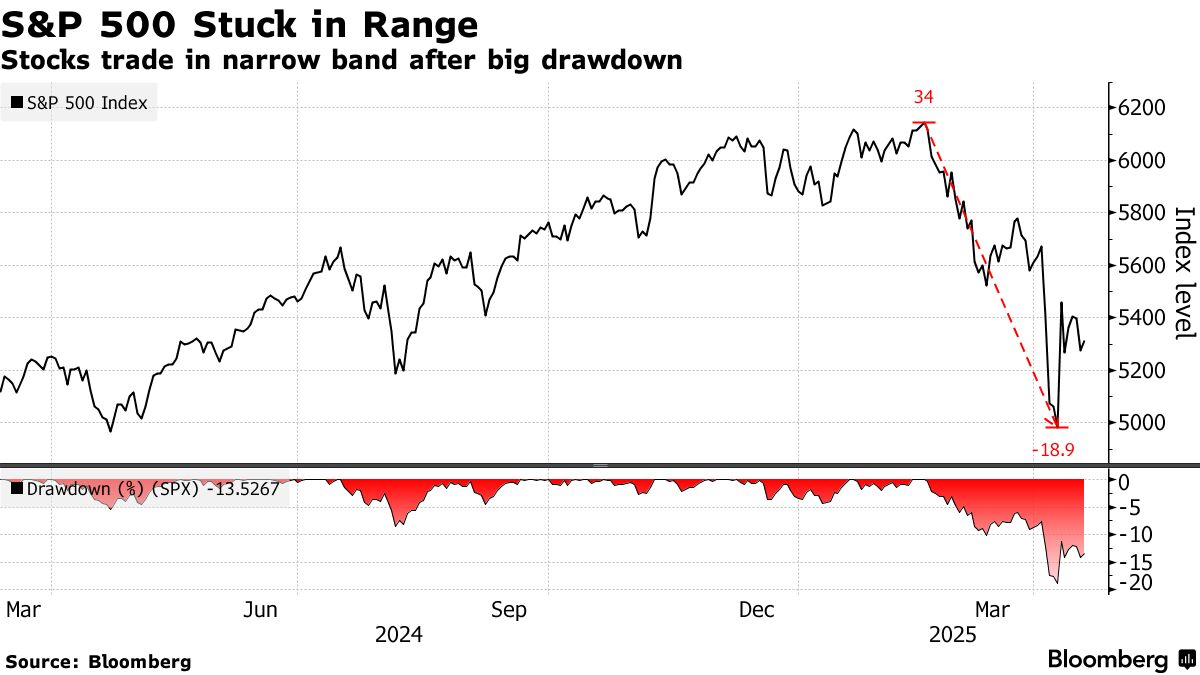
Understanding the Pulse of the Market: Beyond the Daily Fluctuation
To grasp what the stock market is doing today, one must first understand the benchmarks that define its “health.” Investors use specific indices to gauge the performance of different sectors of the economy.
The Role of Major Indices: S&P 500, Dow, and Nasdaq
The S&P 500 is often cited as the most accurate representation of the U.S. economy, tracking 500 of the largest publicly traded companies. When people say “the market is up,” they are usually referring to this index. Conversely, the Dow Jones Industrial Average (DJIA) tracks 30 prominent “blue-chip” companies, providing a snapshot of industrial and consumer-focused giants. For those interested in the growth-heavy sectors, the Nasdaq Composite—heavy on technology and biotechnology—is the primary barometer for innovation-driven performance.
Market Sentiment vs. Economic Fundamentals
There is often a disconnect between the stock market and the “real” economy. The market is forward-looking, meaning today’s stock prices often reflect expectations for six to nine months into the future. Sentiment, driven by fear and greed, can cause short-term spikes or dips that don’t always align with current GDP growth or unemployment rates. Recognizing this distinction is vital for avoiding emotional decision-making when the “market today” looks volatile.
Key Indicators to Watch: Decoding the Daily Numbers
If you are looking at the market today and seeing significant movement, it is likely being driven by a handful of specific catalysts. Professional investors focus on these indicators to predict where capital will flow next.
Interest Rates and Federal Reserve Policy
In the current financial landscape, perhaps no single entity has more influence than the Federal Reserve. Interest rates are the “gravity” of the stock market. When rates are low, borrowing is cheap, and stocks—particularly growth stocks—tend to soar. When the Fed raises rates to combat inflation, it increases the cost of capital, often cooling the market. Any “today” view of the market must include an analysis of the latest Fed minutes or statements from the Federal Open Market Committee (FOMC).
Corporate Earnings Seasons and Their Impact
Four times a year, the market enters “Earnings Season.” This is when public companies report their profits, revenue, and future guidance. A company might report record profits but see its stock price fall because its future outlook was cautious. These reports create “micro-climates” within the market where specific sectors (like Retail or Energy) may diverge from the broader indices based on their collective performance.
Inflation Data and Macroeconomic Shifts
Reports such as the Consumer Price Index (CPI) and the Producer Price Index (PPI) are high-volatility events. In an era of fluctuating costs, these numbers tell investors whether the economy is overheating or cooling. High inflation often leads to expectations of tighter monetary policy, which can cause a sharp sell-off in equities as investors move toward “safer” assets like Treasury bonds.
Tools and Resources for Real-Time Financial Analysis
In the past, real-time market data was the exclusive domain of institutional traders on Wall Street. Today, the democratization of finance means that anyone with a smartphone can access the same data that drives billion-dollar hedge funds.
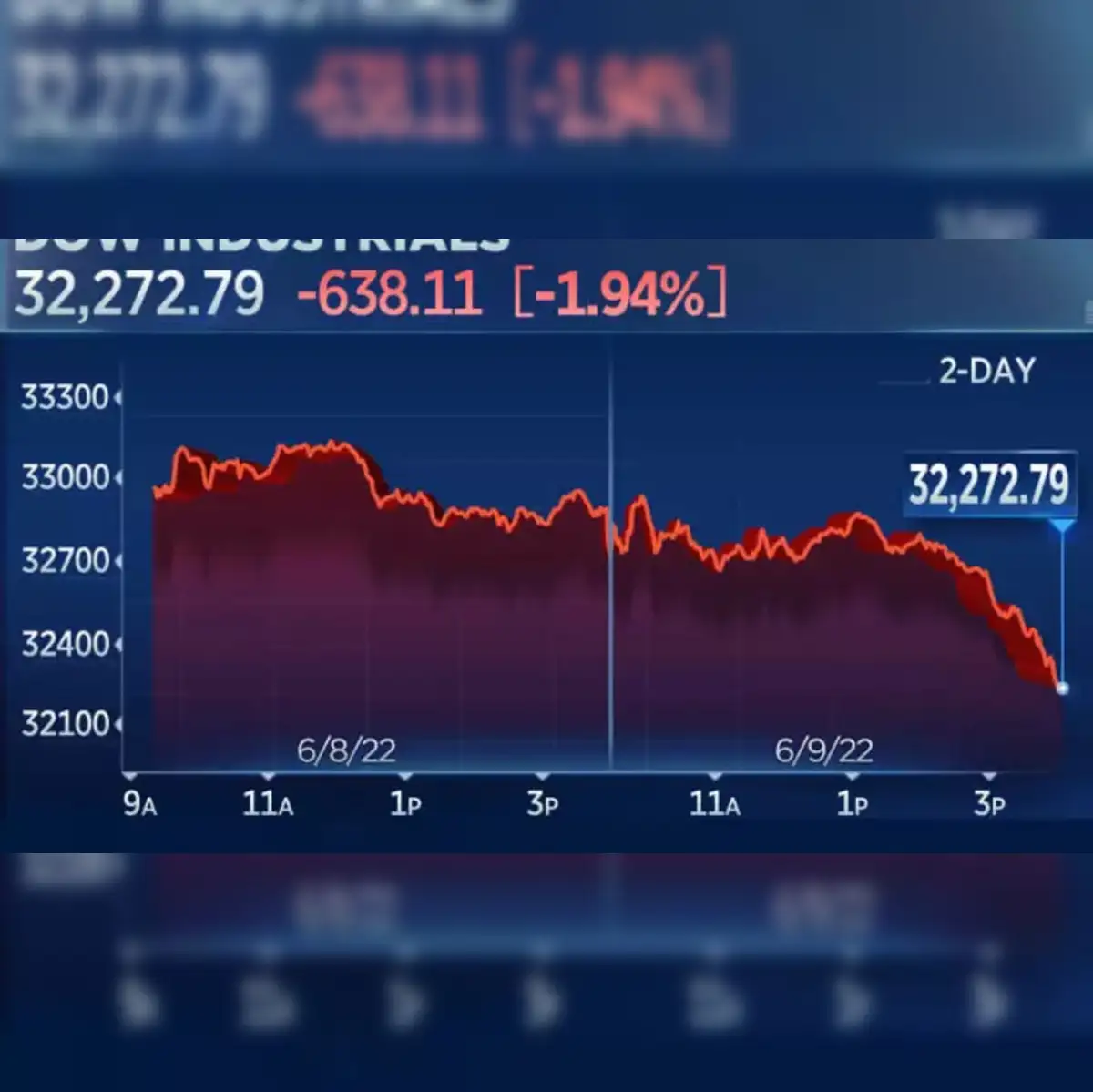
Financial News Platforms and Terminals
While the Bloomberg Terminal remains the gold standard for professionals, retail investors have access to powerful alternatives. Platforms like Yahoo Finance, CNBC, and Reuters provide real-time quotes, breaking news, and expert commentary. For those looking for a more community-driven approach, platforms like Seeking Alpha or Morningstar offer deep-dive analyses that go beyond the surface-level price action of the day.
Technical Analysis Software for the Modern Trader
Understanding the stock market today often involves looking at charts. Tools like TradingView or Thinkorswim allow investors to apply technical indicators such as Moving Averages, the Relative Strength Index (RSI), and Bollinger Bands. These tools help identify “support” and “resistance” levels, giving clues as to whether a downward trend is likely to reverse or if an upward trend has more room to run.
Leveraging Fintech for Portfolio Management
Modern portfolio trackers and robo-advisors have changed how we interact with the market. Apps like Personal Capital or even sophisticated brokerage interfaces allow for real-time tracking of net worth and asset allocation. These tools help investors see the “big picture”—reminding them that a 1% drop in the market today might only be a minor blip in a decade-long upward trajectory.
Navigating Volatility: Strategic Approaches for Every Investor
The stock market is inherently volatile. Knowing “what the market is doing today” is only useful if you have a strategy to handle that information.
Long-Term Value Investing vs. Short-Term Trading
There are two primary ways to approach the market. Value investing, popularized by figures like Warren Buffett, involves looking for companies that are trading for less than their intrinsic value and holding them for years. Short-term trading, on the other hand, seeks to capitalize on the daily “noise” or volatility. For most people, a long-term approach is less stressful and more historically successful, as it allows the power of compounding to do the heavy lifting.
The Importance of Diversification in a Changing Market
If a specific sector—say, Technology—is crashing today, a diversified investor remains protected because their holdings in Healthcare, Utilities, or Consumer Staples may be holding steady or even rising. Diversification is the only “free lunch” in finance. By spreading risk across different asset classes, industries, and geographies, you ensure that no single market event can derail your entire financial future.
Risk Management and Psychological Resilience
The hardest part of investing isn’t math; it’s psychology. When the market is “red” for several days in a row, the impulse to sell is strong. This is known as “loss aversion.” Successful investors develop a risk management plan before they ever buy a stock. This includes setting stop-loss orders, maintaining a cash reserve for buying opportunities during dips, and—most importantly—having the discipline to stick to their plan when everyone else is panicking.
The Future of the Market: Trends Shaping Tomorrow’s Economy
As we look at the market today, we are also seeing the seeds of tomorrow’s growth. Several structural shifts are currently redefining what “the market” even looks like.
One major trend is the rise of Environmental, Social, and Governance (ESG) investing. More capital is being directed toward companies that prioritize sustainability, which is shifting how assets are priced. Furthermore, the integration of Artificial Intelligence into trading algorithms has increased market speed and liquidity, though it has also led to “flash crashes” where the market moves faster than human observation can keep up with.
Another significant shift is the rise of the retail investor. Through commission-free trading and social media, individual investors now have the collective power to move markets, as seen in the “meme stock” phenomena of recent years. This has added a new layer of unpredictability to the daily market report.
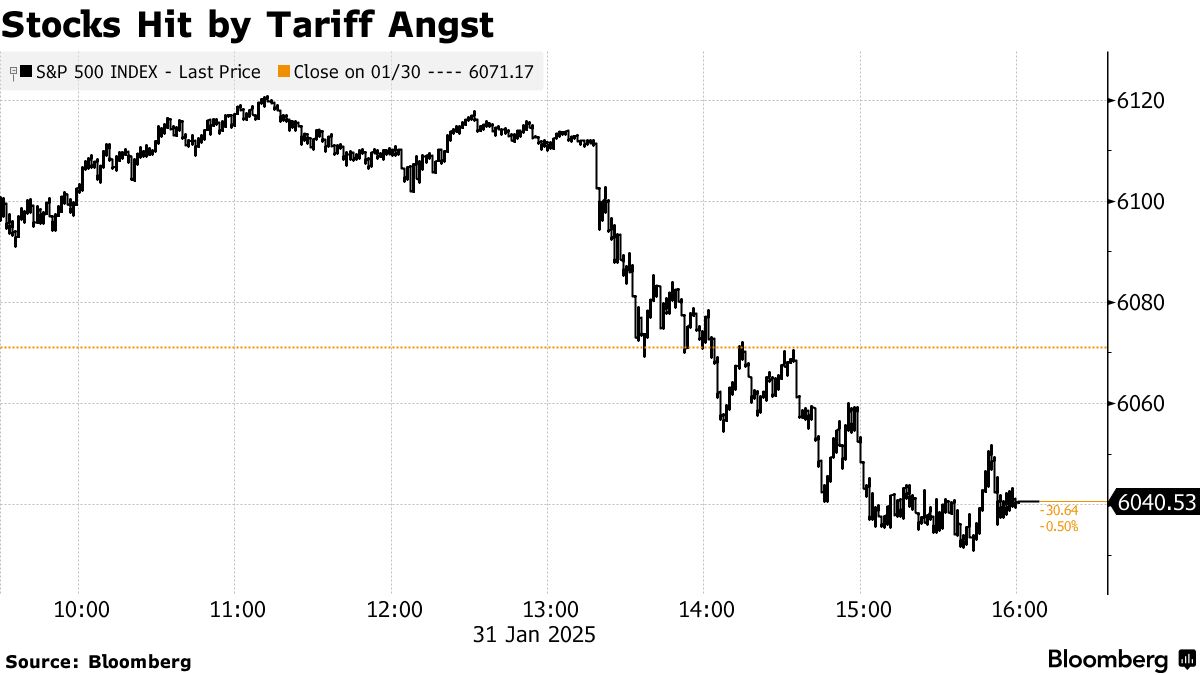
Conclusion: Making Sense of Today’s Market
When you ask “what’s the stock market today,” you are checking the pulse of global human ambition, fear, and innovation. The numbers on the screen are a reflection of millions of individual decisions made by people and algorithms around the world.
For the savvy investor, the key is to use daily information as a tool for informed action rather than a trigger for emotional reaction. By focusing on the major indices, understanding the underlying economic indicators, utilizing modern financial tools, and maintaining a disciplined strategy, you can navigate the complexities of the financial world with confidence. The market will always have its ups and downs, but with the right perspective, today’s news becomes just one small part of a larger, successful financial journey.
aViewFromTheCave is a participant in the Amazon Services LLC Associates Program, an affiliate advertising program designed to provide a means for sites to earn advertising fees by advertising and linking to Amazon.com. Amazon, the Amazon logo, AmazonSupply, and the AmazonSupply logo are trademarks of Amazon.com, Inc. or its affiliates. As an Amazon Associate we earn affiliate commissions from qualifying purchases.