
The kitchen, once a sanctuary of culinary creation, is increasingly becoming a focal point for discussions on health and safety. As we spend more time at home, and as our awareness of the impact of everyday materials on our well-being grows, the choices we make about our kitchen tools are coming under scrutiny. Among these, cookware stands out. Beyond its functional purpose, the materials and manufacturing processes behind our pots and pans can have subtle but significant effects on our health. This exploration delves into the question of “what’s the safest cookware,” weaving in insights from the technological advancements shaping our lives, the branding that influences our purchasing decisions, and the financial considerations that often guide our choices.
The Evolving Landscape of Kitchen Technology and Cookware Materials
The quest for the safest cookware is not a static one. As technology advances, so too do our understanding of materials science and our ability to innovate in cookware production. What was considered cutting-edge a decade ago might now be viewed with skepticism, and new materials or coatings are constantly being developed and marketed. This technological evolution directly impacts the safety profile of cookware.
Decoding Material Safety: From Traditional to the Technologically Advanced
The safety of cookware is intrinsically linked to the materials it’s made from. Historically, materials like cast iron, copper, and basic stainless steel have been staples. However, modern manufacturing techniques and the drive for enhanced performance have introduced a new generation of materials and coatings.
Stainless Steel: A Durable and Generally Safe Choice
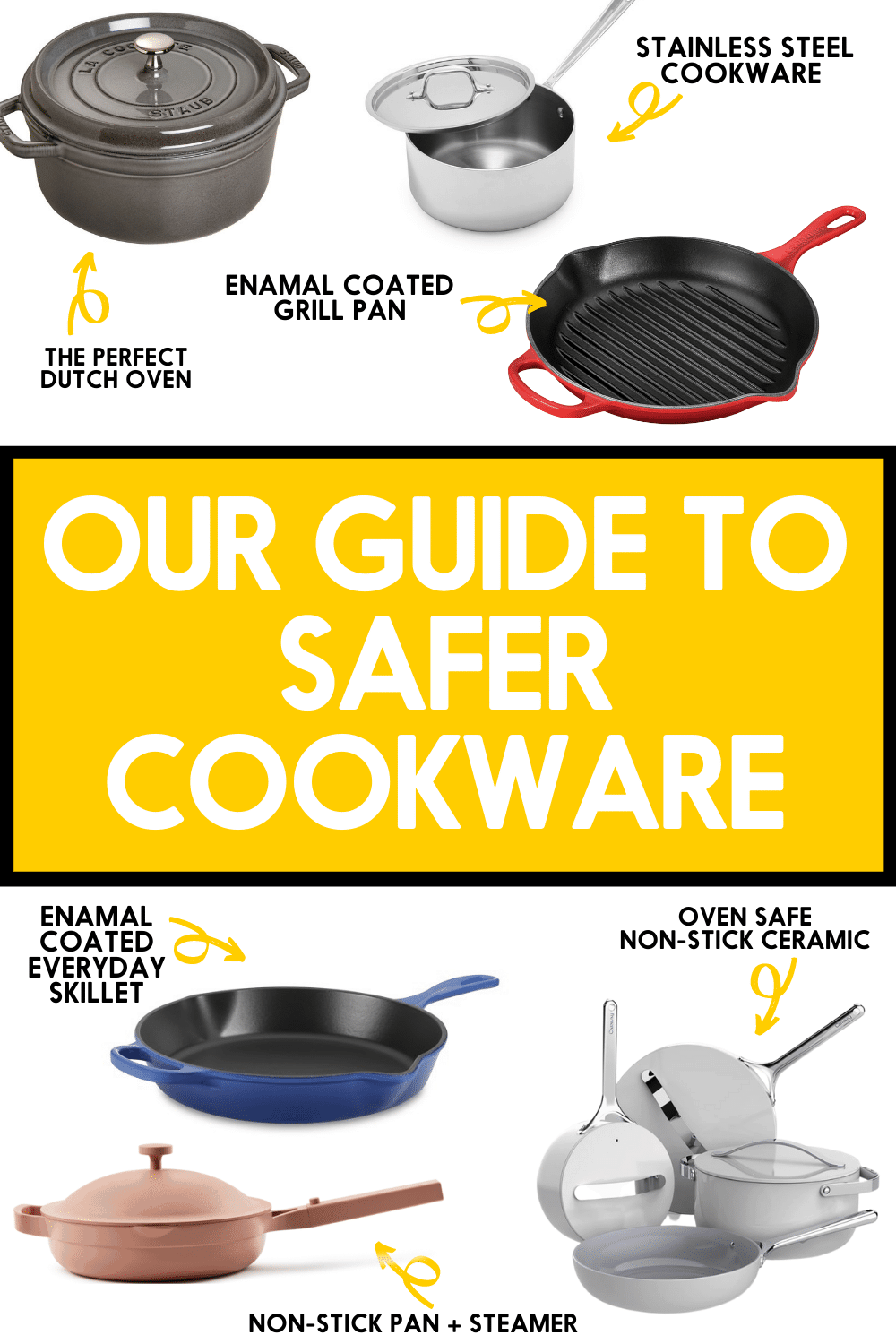
Stainless steel cookware is a popular choice for many home cooks, and for good reason. Its durability, non-reactive surface (when made with quality alloys like 18/8 or 18/10), and ease of maintenance make it a practical option. However, the “safest” aspect of stainless steel can be nuanced. Lower-quality stainless steel might contain trace amounts of nickel and chromium, which, in very rare cases and with prolonged exposure to acidic foods at high temperatures, could leach into food. Reputable brands often use higher grades of stainless steel, minimizing these concerns. Furthermore, the manufacturing process itself can involve chemicals, and thorough washing before first use is always recommended.
Cast Iron: The Timeless, Mineral-Rich Option
Cast iron cookware boasts a long history and a dedicated following. Its natural non-stick properties (when seasoned properly) and ability to retain and distribute heat evenly are significant advantages. From a safety perspective, cast iron is generally considered very safe. The primary concern, if it can even be called that, is the potential for iron to leach into food. While this can be beneficial for individuals with iron deficiencies, it might be a consideration for those with hemochromatosis. The seasoning process, which involves heating oil to create a protective layer, is typically done with food-grade oils, making it a natural and safe practice. The production of cast iron is a more traditional method, with less reliance on synthetic coatings compared to some other materials.
Ceramic and Enameled Cookware: The Appeal of Non-Reactive Surfaces
Ceramic cookware, often marketed as “green” or “eco-friendly,” typically features a ceramic coating over a metal base. When the ceramic coating is intact and of good quality, it offers a non-reactive and non-stick surface. The primary safety concern here lies in the integrity of the coating. If the ceramic layer chips or scratches, it can expose the underlying metal, and potential issues with the base material could arise. Additionally, the manufacturing process of ceramic coatings can sometimes involve potentially harmful chemicals, though reputable brands prioritize safe formulations. Enameled cast iron offers a similar non-reactive surface, with the enamel providing a protective barrier. The safety of enameled cookware hinges on the quality and composition of the enamel itself, with lead and cadmium being historical concerns in older, lower-quality products. Modern, reputable brands adhere to strict safety standards, ensuring these metals are absent or present in negligible, safe amounts.
The Rise of Non-Stick Technologies: PFAS and the Safety Debate
Perhaps the most debated category within cookware safety revolves around non-stick surfaces, particularly those utilizing per- and polyfluoroalkyl substances (PFAS).
-
Traditional Non-Stick (PTFE/Teflon): Polytetrafluoroethylene (PTFE), commonly known by the brand name Teflon, has been a kitchen staple for decades due to its exceptional non-stick properties. The safety concerns arise when PTFE cookware is overheated. At temperatures above 500°F (260°C), PTFE can begin to break down, releasing fumes that can cause flu-like symptoms in humans (often called “polymer fume fever”) and can be lethal to birds. Modern PTFE coatings are designed to be stable at normal cooking temperatures, and most manufacturers recommend avoiding empty pan heating and using medium-high heat. The potential for scratching and subsequent ingestion of small PTFE particles also raises questions, although current research suggests these particles are largely inert and pass through the body undigested.
-
Ceramic Non-Stick Coatings: These coatings are often marketed as PFAS-free alternatives. They typically consist of a silica-based material derived from sand. Their non-stick properties are generally less durable than PTFE and can degrade over time, especially with abrasive cleaning. While considered a safer alternative by many, the long-term durability and the exact composition of some ceramic coatings can still be areas of consumer interest.
-
“Greener” Non-Stick Options: The market is also seeing an increase in cookware marketed as “PFOA-free” and “PFAS-free.” PFOA (perfluorooctanoic acid) was a chemical used in the manufacturing of PTFE but has largely been phased out by manufacturers due to health concerns. However, the broader category of PFAS encompasses thousands of chemicals, and the absence of PFOA doesn’t automatically guarantee the absence of all potentially concerning PFAS compounds. Consumers looking for the safest non-stick options should research brands that are transparent about their manufacturing processes and chemical formulations.
Embracing Health-Conscious Design and Manufacturing
Beyond the core materials, the design and manufacturing processes of cookware play a crucial role in its overall safety. This is where technological advancements and brand integrity intersect.
-
Smart Manufacturing and Material Purity: Advanced manufacturing techniques allow for greater control over material purity, reducing the risk of unwanted contaminants. AI-powered quality control systems can detect microscopic flaws or impurities in materials before they are used in cookware. Brands committed to safety invest in these technologies to ensure the highest standards.
-
Ergonomics and User Safety: While not directly related to material safety, ergonomic design contributes to overall kitchen safety. Features like cool-touch handles, well-balanced construction, and stable bases can prevent accidents. Technology in handle design has evolved to offer better grip and insulation.
-
Transparency and Certification: Reputable cookware brands often pursue third-party certifications for their products, attesting to their safety and adherence to specific standards. These certifications can provide consumers with an added layer of assurance regarding the absence of harmful chemicals or the integrity of manufacturing processes.
Branding and the Consumer’s Path to Safe Cookware Choices
In a crowded marketplace, branding plays a significant role in how consumers perceive the safety and quality of cookware. Manufacturers leverage branding to convey trust, expertise, and a commitment to health.
The Power of Reputation: Building Trust Through Brand Storytelling
Brands that prioritize safety often weave this into their core narrative. They highlight their rigorous testing protocols, their commitment to sourcing high-quality materials, and their adherence to strict manufacturing standards. Case studies showcasing their research and development in safer materials can further bolster their reputation. For consumers, a brand with a long-standing history of quality and a focus on health-conscious production often signals a safer choice. This is particularly relevant in the realm of “personal branding” for chefs and culinary influencers who endorse specific cookware, lending their credibility to the products they use.
Navigating Marketing Claims: Decoding “Safe,” “Green,” and “Healthy”
The marketing landscape for cookware is rife with terms like “safe,” “green,” and “healthy.” It’s crucial for consumers to look beyond these buzzwords and understand what they truly mean.
-
“PFOA-Free” vs. “PFAS-Free”: As discussed, “PFOA-free” is a significant step, but it doesn’t encompass the entire spectrum of PFAS chemicals. A truly safe non-stick option would aim to be free from all potentially concerning PFAS compounds.
-
“Non-Toxic” and “Chemical-Free”: These terms can be subjective. All materials have a chemical composition. What consumers should be looking for are cookware options free from specific, known toxins or harmful chemicals. Transparency from the brand about what they don’t use is often more informative than broad, unsubstantiated claims.
-
Certifications as a Trust Signal: Looking for recognized certifications, such as those from independent testing laboratories or environmental agencies, can help consumers cut through marketing jargon and identify products that have been independently verified for safety.
Financial Wisdom: Investing in Cookware for Long-Term Health and Value
The cost of cookware can range from budget-friendly to a significant investment. Making informed financial decisions about cookware involves considering not only the upfront price but also its longevity, its impact on health, and the potential for long-term savings.
The “You Get What You Pay For” Principle in Kitchenware
While it’s possible to find affordable cookware, investing in higher-quality pieces often translates to better durability, superior performance, and, importantly, safer materials.
-
Durability and Longevity: A well-made piece of cookware, whether it’s a thick-gauge stainless steel pot or a properly seasoned cast-iron skillet, can last for decades. This long lifespan reduces the need for frequent replacements, ultimately saving money and minimizing waste. Cheaper cookware might degrade faster, leading to the release of coatings or materials into food.
-
Performance and Energy Efficiency: Higher-quality cookware often distributes heat more evenly and efficiently. This can lead to better cooking results and can also translate to reduced energy consumption, a small but consistent financial saving over time.
-
Health Investment: Considering cookware as an investment in personal health is crucial. Avoiding potentially harmful chemicals in cookware can contribute to overall well-being, potentially saving on future healthcare costs associated with long-term exposure to toxins.
Smart Financial Strategies for Acquiring Safe Cookware
For those on a budget, there are smart ways to acquire safe and high-quality cookware without breaking the bank.
-
Prioritize Key Pieces: Instead of buying a full, inexpensive set, consider investing in a few essential, high-quality pieces that will get the most use. A good stainless steel saucepan, a durable non-stick skillet (if you choose that route, research PFAS-free options), and a cast-iron pan can form the foundation of a safe and versatile kitchen.
-
Shop Sales and Discounts: Many reputable cookware brands go on sale during holiday seasons or special retail events. Subscribing to newsletters from your favorite brands or retailers can alert you to these opportunities.
-
Consider Refurbished or Open-Box Options: Some retailers offer gently used or open-box cookware at a reduced price. Ensure these items are still in excellent condition and come with a warranty if possible.
-
The Value of Second-Hand (with Caution): Vintage cast iron or well-maintained stainless steel can sometimes be found at flea markets or online. However, extreme caution is advised with older non-stick cookware, as the coatings may have degraded and could pose a risk.

Conclusion: Empowering Your Kitchen Choices
The question of “what’s the safest cookware” is not about finding a single, universally perfect material. Instead, it’s a journey of informed decision-making, guided by an understanding of materials science, an awareness of technological advancements, a discerning eye for branding, and a thoughtful approach to personal finance. By prioritizing transparency from brands, seeking out certifications, understanding the nuances of material safety (especially concerning non-stick coatings and PFAS), and making judicious financial investments, consumers can equip their kitchens with cookware that not only facilitates culinary excellence but also safeguards their health for years to come. The modern kitchen is a space where technology, brand integrity, and financial wisdom converge to create a safer and healthier environment for us all.
aViewFromTheCave is a participant in the Amazon Services LLC Associates Program, an affiliate advertising program designed to provide a means for sites to earn advertising fees by advertising and linking to Amazon.com. Amazon, the Amazon logo, AmazonSupply, and the AmazonSupply logo are trademarks of Amazon.com, Inc. or its affiliates. As an Amazon Associate we earn affiliate commissions from qualifying purchases.