
The hum of a window air conditioner can be a welcome sound on a sweltering summer day, a beacon of cool relief. Yet, for many, that same hum can quickly morph into an irritating drone, disrupting conversations, sleep, and overall peace. If you’re seeking respite from the heat without sacrificing tranquility, the quest for the quietest window air conditioner is paramount. This isn’t just about a minor inconvenience; it’s about creating a comfortable and functional living space, particularly important in today’s world where home offices and extended stays indoors are more common than ever.
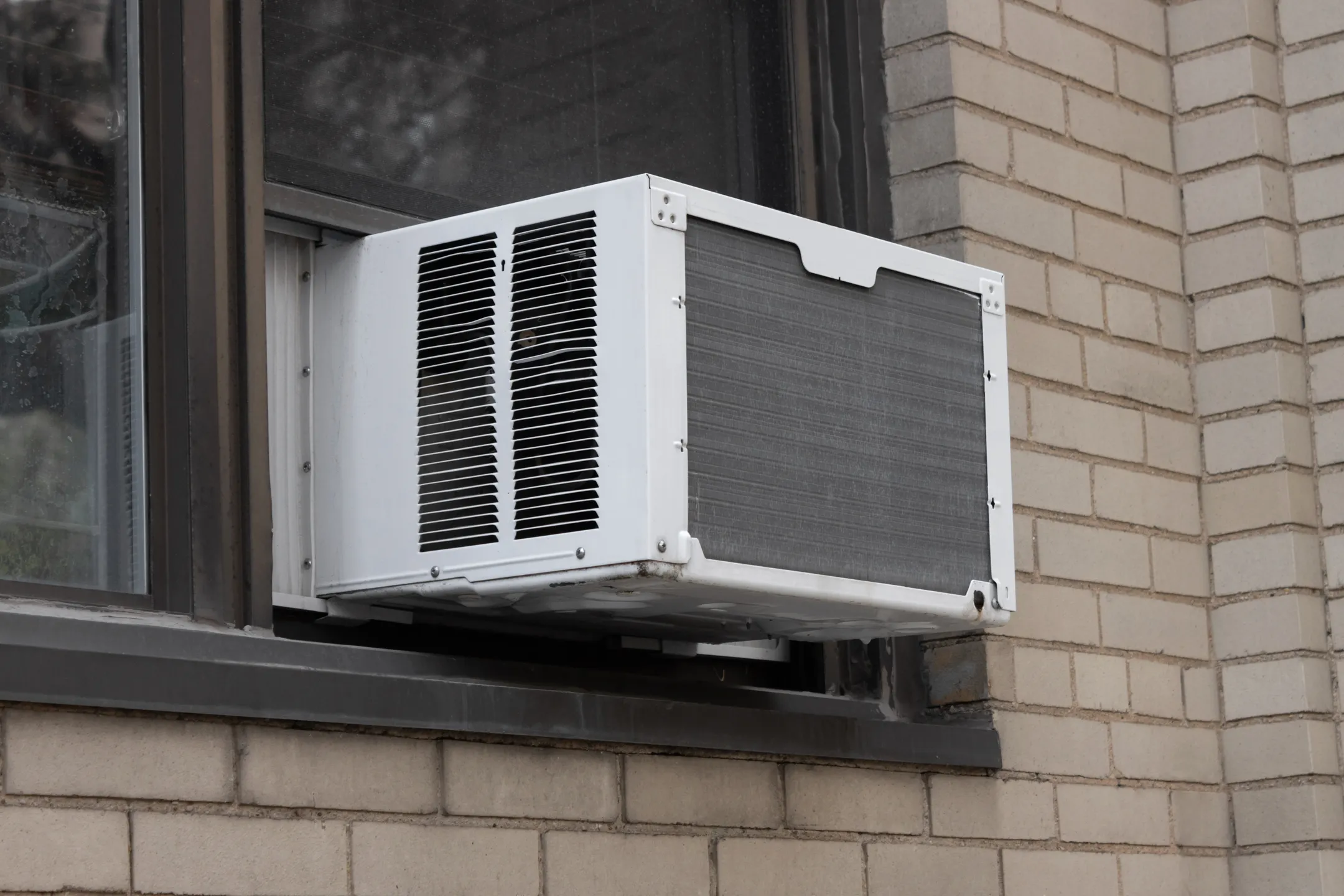
The good news is that manufacturers are increasingly recognizing the demand for quieter cooling solutions. Gone are the days when powerful AC units were synonymous with deafening noise. Modern technology has brought forth significant advancements, leading to window air conditioners that can cool a room effectively while operating at levels barely above a whisper. But navigating the market can still feel like a noisy endeavor itself. How do you decipher the marketing jargon and pinpoint the units that truly deliver on their promise of quiet operation?
This guide will delve into the world of quiet window air conditioners, exploring the technological innovations that make them possible, the key metrics to consider, and offering insights into brands and models that consistently earn high marks for their discreet performance. We’ll also touch upon how to maximize the quietness of any unit you choose, ensuring your investment in cool air doesn’t come at the expense of your peace.
Decoding Decibels: What Makes an Air Conditioner Quiet?
Before we dive into specific recommendations, it’s crucial to understand why some window air conditioners are quieter than others. The technology behind their operation directly impacts their sound output. This involves a multi-pronged approach, focusing on the core components that generate noise and implementing strategies to mitigate it.
The Anatomy of AC Noise: Identifying the Culprits
At its heart, a window air conditioner works by cycling refrigerant through a system of coils and a compressor. This process, along with the fan that circulates air, is the primary source of sound.
- Compressor: This is often the loudest component. It’s responsible for compressing the refrigerant, a process that inherently generates vibration and noise. Older or less sophisticated compressors can be particularly boisterous.
- Fan Motor and Blades: The fan is essential for drawing in warm air and expelling cooled air. The speed of the fan, the design of its blades, and the motor’s efficiency all contribute to the overall sound. A fan spinning at high speeds or with an unbalanced design will naturally produce more noise.
- Airflow and Turbulence: As air is forced through the unit, especially across the evaporator and condenser coils, turbulence can occur, leading to a “hissing” or “whooshing” sound. The design of the internal baffles and the grille through which air exits plays a role here.
- Vibration: All mechanical components vibrate. If these vibrations aren’t properly dampened, they can be transmitted to the window frame and surrounding structure, amplifying the perceived noise.
Technological Innovations for Whispers: The Quiet Revolution
Manufacturers have invested heavily in developing technologies that specifically target and reduce these noise sources. The pursuit of a quieter AC is a testament to user demand and a focus on enhanced product experience.
- Variable Speed Compressors (Inverter Technology): This is arguably the biggest game-changer in quiet AC operation. Traditional AC units have compressors that operate in an “on” or “off” mode, cycling at full power. Inverter technology allows the compressor to adjust its speed based on the cooling demand. This means it can run at a lower, quieter speed for longer periods, avoiding the sudden, loud bursts of noise associated with traditional compressors. It’s akin to a car that can maintain a steady, gentle acceleration rather than constantly stomping on the gas.
- Aerodynamic Fan Design: The shape and pitch of fan blades have been meticulously engineered to reduce air resistance and turbulence. By optimizing airflow, manufacturers can move more air with less effort, resulting in a quieter operation. Think of the difference between a choppy wave and a smooth stream.
- Sound Insulation and Dampening: Just as in a car or an appliance, sound-dampening materials are integrated into the AC unit’s casing and around the compressor. These materials absorb vibrations and reduce the transmission of noise to the outside.
- Optimized Airflow Pathways: The internal design of the unit is crucial. By carefully designing how air moves through the evaporator and condenser coils, and through the discharge grille, manufacturers aim to minimize turbulence and the associated “hissing” sounds.
- Brushless DC Motors: These motors, often used in high-end appliances, are more energy-efficient and significantly quieter than traditional AC motors. They offer smoother operation and less mechanical noise.
Measuring Quietness: Understanding Decibel Ratings and Beyond
When evaluating window air conditioners for their noise levels, you’ll encounter a crucial metric: decibels (dB). However, simply looking at a number isn’t always the full story. Understanding how this number translates to perceived quietness and considering other user-reported experiences is vital.
Decibels (dB): The Objective Measure of Sound
Decibels are a logarithmic unit of measurement used to express sound intensity. The scale is designed to reflect how humans perceive loudness.
- 0 dB: The threshold of human hearing.
- 10 dB: A whisper at close range.
- 20 dB: The sound of rustling leaves.
- 30 dB: A quiet library or a quiet conversation.
- 40 dB: A refrigerator humming.
- 50 dB: Normal conversation.
- 60 dB: A washing machine.
- 70 dB: A vacuum cleaner.
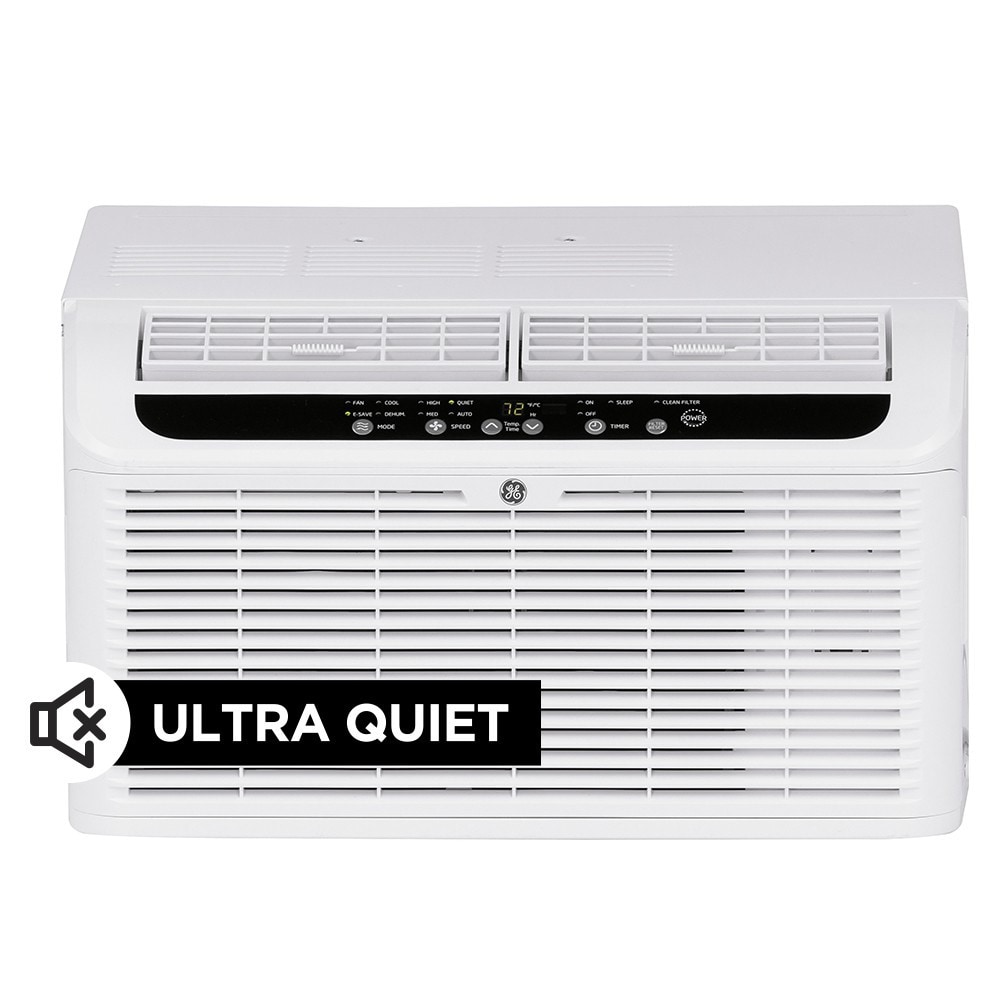
For window air conditioners, you’ll typically see noise ratings in the range of 40 dB to 60 dB. A unit rated at 45 dB is generally considered significantly quieter than one rated at 55 dB. A 10 dB difference might not seem huge on paper, but in terms of perceived loudness, it’s a substantial difference. The decibel scale is logarithmic, meaning a 10 dB increase represents a doubling of perceived loudness.
Important Considerations Regarding dB Ratings:
- “As Low As Possible”: The quietest window air conditioners often boast ratings in the low to mid-40s dB. This is comparable to a quiet room or a refrigerator.
- Varying Conditions: Decibel ratings are usually measured under specific, ideal conditions in a controlled environment. Real-world noise levels can vary depending on installation, the surrounding environment, and the specific settings of the AC unit (e.g., fan speed).
- Front vs. Side: Some manufacturers may provide dB ratings for both the front (indoor) and side (outdoor) of the unit. For your own comfort, the indoor rating is most critical.
Beyond the dB: User Reviews and Perceived Noise
While decibel ratings provide a scientific benchmark, they don’t always perfectly capture the user experience. Some sounds, even if objectively low in decibels, can be more irritating than others. This is where user reviews become invaluable.
- “Annoying Hum” vs. “Gentle Breeze”: A unit might have a low dB rating but produce a high-pitched whine or an inconsistent hum that many find more bothersome than a steady, low-frequency sound.
- Fan Speed Impact: AC units often have multiple fan speeds. The lowest fan speed will naturally be the quietest. Look for reviews that mention quietness at lower settings, as this is often when you’ll be using it for extended periods or during sleep.
- Installation Quality: Even the quietest AC can become noisy if it’s not installed properly. Loose fittings, vibrations transmitted through the window frame, or improper sealing can all contribute to increased noise.
- “Sleep Mode” or “Quiet Mode”: Many advanced units feature specific modes designed for quiet operation. These modes often reduce fan speed and cycle the compressor less frequently. Reviews that comment on the effectiveness of these modes are highly relevant.
- Brand Reputation for Quietness: Certain brands have built a reputation for prioritizing quiet operation in their AC designs. Researching these brands and their specific quiet-focused lines can be a good starting point.
Top Brands and Models for Whispering Coolness
When searching for the quietest window air conditioner, several brands consistently emerge as leaders in delivering low-noise cooling solutions. These brands have demonstrated a commitment to incorporating advanced technologies and prioritizing user comfort in their product development.
Brands Leading the Quiet Charge
These manufacturers have recognized that peace and quiet are as important as effective cooling. They invest in research and development to minimize noise across their product lines.
- LG: LG is frequently cited for its innovative approach to AC design, including their use of inverter technology and focus on reducing operational noise. Their “S-Plasma Ionizer” and other air purification features also contribute to a cleaner, more pleasant indoor environment, which can indirectly enhance the perception of quietness.
- Frigidaire: Frigidaire has a long-standing reputation for reliable appliances, and they’ve made significant strides in quiet operation. Their “Quiet Temp” technology and thoughtful design elements aim to minimize sound output without compromising cooling performance.
- Toshiba: Toshiba is another brand that consistently ranks high in quiet AC reviews. They often employ advanced fan blade designs and motor technologies to achieve lower decibel ratings.
- GE Appliances: GE offers a range of window AC units, and many of their newer models incorporate features designed for quieter operation, including enhanced insulation and optimized airflow.
- Honeywell: While perhaps more known for their thermostats, Honeywell also offers window air conditioners that often receive positive mentions for their quiet performance, particularly in smaller capacity units.

Models to Consider for a Serene Summer
While specific model numbers can change yearly, looking for features and technologies associated with quiet operation will lead you to the best choices. Here are some general categories and features to seek out:
- Inverter Technology Models: As mentioned, any unit featuring inverter technology is likely to be significantly quieter than its non-inverter counterparts. Look for specific mentions of “inverter” in the product description.
- Units with “Quiet Mode” or “Sleep Mode”: These specialized settings are designed to reduce noise levels for nighttime use or when quiet is a priority.
- Low Decibel Ratings (Under 50 dB): When comparing specifications, prioritize units with decibel ratings in the 40s. However, always cross-reference with user reviews.
- Smaller Capacity Units (Often Quieter): Generally, smaller capacity window AC units (e.g., 5,000-8,000 BTU) tend to be quieter than their larger counterparts, as they have smaller compressors and fans. This can be an excellent option for smaller rooms like bedrooms or home offices.
- User-Vetted Models: When browsing online retailers or review sites, actively filter for “quietest” or “low noise” in your searches and pay close attention to customer feedback specifically addressing sound levels. Look for recurring praise for specific models and brands.
Practical Tips for Maximizing Quietness:
Even with the quietest AC, proper installation and maintenance can make a significant difference.
- Secure Installation: Ensure the unit is firmly installed in the window frame, with no gaps. Use anti-vibration pads or foam insulation between the unit and the window frame to absorb vibrations.
- Level Placement: A level unit can help prevent internal components from vibrating excessively.
- Regular Cleaning: Dust and debris can accumulate on the fan blades and filters, leading to increased noise and reduced efficiency. Clean your unit regularly according to the manufacturer’s instructions.
- Strategic Placement: If possible, position the AC unit so that the loudest side (typically the rear) faces away from your main living or sleeping areas.
In conclusion, achieving a quiet and cool home environment is well within reach. By understanding the technology behind quiet air conditioners, knowing how to interpret decibel ratings, and paying attention to user feedback and reputable brands, you can confidently select a window air conditioner that provides effective cooling without disturbing your peace. Your summer deserves to be spent enjoying the cool air, not enduring the noise.
aViewFromTheCave is a participant in the Amazon Services LLC Associates Program, an affiliate advertising program designed to provide a means for sites to earn advertising fees by advertising and linking to Amazon.com. Amazon, the Amazon logo, AmazonSupply, and the AmazonSupply logo are trademarks of Amazon.com, Inc. or its affiliates. As an Amazon Associate we earn affiliate commissions from qualifying purchases.