
In the ever-evolving landscape of kitchen technology, two types of ovens frequently spark debate and confusion: the convection oven and the conventional oven. While both perform the fundamental task of baking, roasting, and broiling, the subtle yet significant difference in their operating mechanisms can dramatically impact your culinary outcomes. Understanding this distinction is not just about satisfying curiosity; it’s about unlocking your oven’s full potential, achieving superior results, and even optimizing your cooking time and energy usage.
For tech enthusiasts and home cooks alike, the choice between these oven types can feel like a significant investment in kitchen appliances. Whether you’re a budding baker aiming for perfectly golden cookies, a home chef looking to roast meats to succulent perfection, or simply someone trying to make weeknight dinners more efficient, grasping the nuances of convection versus conventional cooking is key. This article will delve into the core differences, explore the advantages and disadvantages of each, and help you determine which oven best suits your cooking style and needs, all within the context of optimizing your kitchen technology for better results.
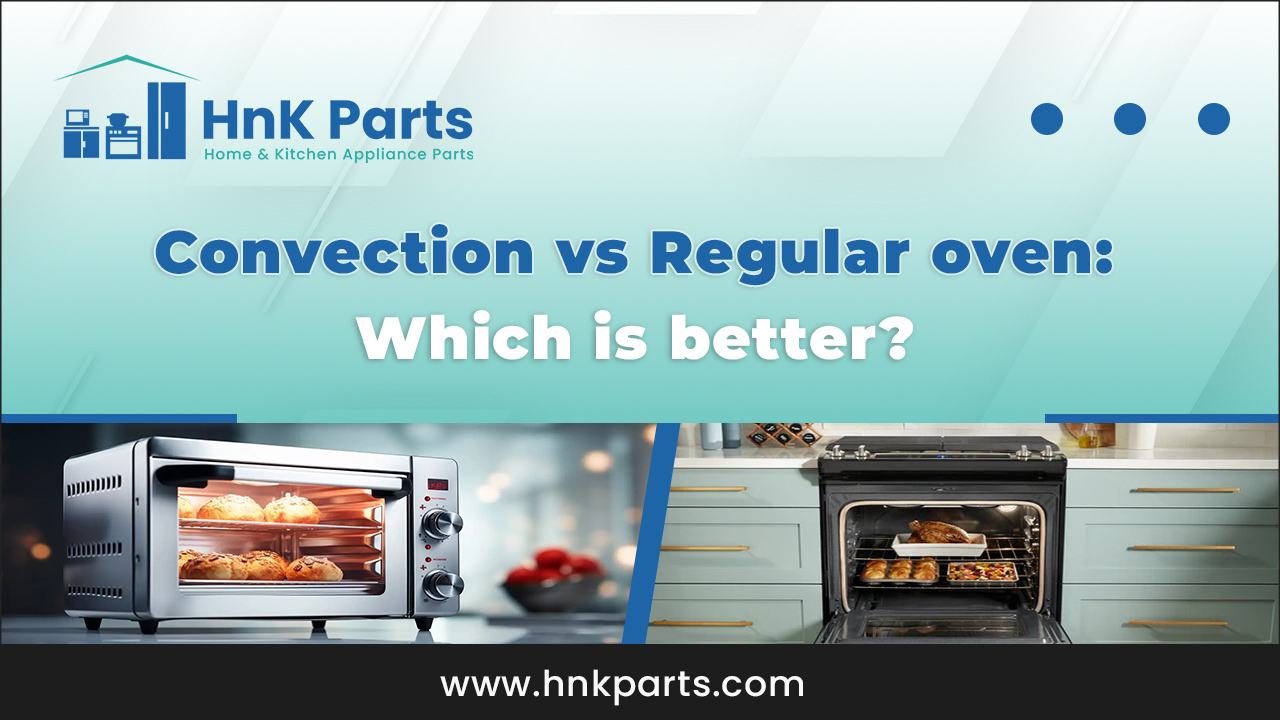
The Core Difference: Airflow and Heat Distribution
At its heart, the primary divergence between a convection oven and a conventional oven lies in how they circulate heat.
Conventional Ovens: The Tried-and-True Heat Source
Conventional ovens, often referred to as radiant or traditional ovens, rely on a simpler heating mechanism. They typically feature two heating elements: one at the bottom and one at the top. These elements radiate heat directly into the oven cavity.
How it works:
- Bottom Element: Primarily responsible for baking, providing the initial heat to cook the base of your dishes.
- Top Element: Primarily used for broiling, delivering intense direct heat from above to sear and brown surfaces.
- Natural Convection: In a conventional oven, heat distribution occurs through a process called natural convection. This is the natural movement of air – hot air rises, and cooler air sinks. While this process does occur, it’s relatively slow and can lead to uneven temperature distribution within the oven cavity. This means some areas might be hotter than others, potentially resulting in unevenly cooked food.
Implications for Cooking:
The indirect and less consistent heat of a conventional oven means that certain cooking techniques might require more attention. For instance, when baking multiple racks of cookies, you might need to rotate the pans halfway through the baking process to ensure even browning. Roasts might require basting to prevent drying out in hotter spots. While it has been the standard for generations and can produce excellent results with practice, it requires a more hands-on approach to achieve optimal outcomes.
Convection Ovens: The Fan-Assisted Revolution
Convection ovens introduce a game-changer: a fan. This fan, typically located at the back of the oven cavity, actively circulates the hot air throughout the oven.
How it works:
- Heating Elements: Convection ovens still have heating elements (usually top and bottom), just like conventional ovens.
- The Fan’s Role: The fan’s primary job is to create a constant flow of hot air. This forced circulation moves the heat around food more efficiently and evenly.
- Superior Heat Distribution: By actively moving hot air, convection ovens minimize the hot and cold spots that can plague conventional ovens. This results in a more consistent and uniform temperature throughout the entire oven cavity.
Types of Convection:
It’s worth noting that there are variations in convection technology:
- True European Convection (or European Convection): This is the most advanced form, featuring a third heating element around the fan. This element preheats the air before it’s circulated, further enhancing evenness and cooking speed. Many high-end ovens will boast this feature, which significantly impacts cooking performance.
- Standard Convection (or Fan Convection): These ovens have a fan but lack the dedicated third element around it. While still superior to conventional ovens in heat circulation, they might not achieve the same level of uniform cooking as true European convection.
Implications for Cooking:
The consistent and dynamic heat of a convection oven offers several advantages. Food cooks faster and more evenly. This is particularly beneficial for:
- Roasting: Meats and vegetables develop a beautiful, crisp exterior while remaining moist inside due to the efficient circulation of hot air.
- Baking: Multiple racks can be used simultaneously with confidence, as the heat distribution is so uniform. This is a dream for bakers who need to produce large batches of cookies, pastries, or bread.
- Broiling: While the fan can sometimes be turned off for broiling, its presence can still contribute to a more controlled and even sear.
Advantages and Disadvantages: A Comparative Look
Understanding the core mechanics is one thing, but how do these differences translate into practical cooking benefits and potential drawbacks? Let’s break it down.
Advantages of Convection Ovens
The technological leap offered by convection ovens brings a host of culinary and practical benefits:
- Faster Cooking Times: The continuous circulation of hot air transfers heat more efficiently to food. This often means you can cook dishes 20-25% faster than in a conventional oven. This is a significant advantage for busy individuals or when hosting guests.
- Even Cooking and Browning: The consistent temperature across the entire oven cavity minimizes hot and cold spots. This translates to more uniformly cooked food, whether it’s a batch of delicate macarons or a large turkey. Browning is also more even and desirable.
- Better for Multiple Racks: If you frequently bake or roast large quantities, a convection oven shines. You can place multiple baking sheets or roasting pans on different racks with confidence that everything will cook evenly, eliminating the need for constant pan rotation.
- Crispier Results: The dry, circulating air helps to evaporate moisture from the surface of food more quickly, leading to delightfully crispier exteriors for roasted vegetables, poultry skin, and baked goods.
- Energy Efficiency: Because convection ovens cook faster, they can potentially use less energy overall. While the fan itself uses a small amount of electricity, the reduced cooking time often compensates for this.
Disadvantages of Convection Ovens
Despite their numerous benefits, convection ovens aren’t without their considerations:

- Learning Curve and Recipe Adjustments: The biggest hurdle for many is adapting to a new cooking paradigm. Recipes developed for conventional ovens may need slight adjustments. Typically, this involves reducing the oven temperature by about 25°F (15°C) or shortening the cooking time. Some recipes, especially those relying on precise moisture retention (like custards or delicate cakes), might require the convection feature to be turned off.
- Potential for Drying Out Delicate Items: While great for crisping, the circulating dry air can sometimes dry out very delicate baked goods if not managed properly. This is where knowing when to switch back to conventional mode or reduce the temperature is crucial.
- Higher Initial Cost: Convection ovens generally have a higher price tag than their conventional counterparts due to the added fan and, in some cases, the third heating element.
- Fan Noise: The fan does produce a low humming noise, which some individuals might find slightly distracting. However, most modern ovens are designed to be quite quiet.
Advantages of Conventional Ovens
Conventional ovens, while less technologically advanced, still hold their own:
- Simplicity and Ease of Use: There’s no complex technology to learn. Set the temperature and timer, and you’re good to go. This makes them very user-friendly, especially for beginners.
- Ideal for Certain Recipes: Some recipes, particularly those requiring very gentle, moist heat like custards, meringues, or delicate soufflés, can perform better in a conventional oven where the heat is less aggressive and air movement is minimal.
- Lower Cost: Conventional ovens are typically more affordable to purchase than convection ovens.
- No Fan Noise: The absence of a fan means a completely silent cooking experience.
Disadvantages of Conventional Ovens
The limitations of conventional ovens become apparent when compared to their convection cousins:
- Uneven Cooking: As discussed, hot and cold spots are a common issue, often requiring manual intervention like rotating pans.
- Longer Cooking Times: Without forced air circulation, cooking times are generally longer.
- Less Consistent Browning: Achieving uniform browning across multiple items or even on a single large item can be more challenging.
- Limited Multi-Rack Efficiency: While you can use multiple racks, the results are often less consistent compared to a convection oven, potentially requiring you to cook in batches.
Choosing the Right Oven for Your Kitchen Tech Ecosystem
The decision between a convection and a conventional oven ultimately boils down to your cooking habits, priorities, and how you want to integrate this appliance into your overall kitchen technology strategy. Consider these factors:
The Tech-Savvy Home Chef and Baker
If you’re someone who loves to experiment in the kitchen, appreciates precision, and wants to achieve professional-level results, a convection oven is likely your best bet. Its ability to cook faster, more evenly, and with better browning aligns perfectly with a desire to optimize culinary processes.
- For the Tech Enthusiast: Think of a convection oven as an upgrade in your kitchen’s “processing power.” The fan is like a CPU speeding up and optimizing the “calculations” (cooking) happening within the oven.
- For the Aspiring Baker: The even heat distribution is a dream for achieving consistent results with pastries, cakes, and breads, minimizing the frustration of burnt edges and undercooked centers.
- For the Busy Professional: Faster cooking times mean less time spent waiting for meals, allowing for more productivity in other areas of your life.
The Pragmatic Home Cook
If your cooking style is more straightforward, focusing on reliable everyday meals rather than intricate baking projects, a conventional oven might suffice. However, even for pragmatic cooks, the benefits of a convection oven in terms of speed and evenness can significantly simplify meal preparation.
- For Personal Finance Considerations: While convection ovens have a higher upfront cost, the potential energy savings over time and the improved cooking results that might lead to less food wastage could offer a good return on investment.
- For Simplicity and Predictability: If you prefer to stick to tried-and-true recipes and want a no-fuss appliance, a conventional oven offers a straightforward experience. However, many modern ovens offer both convection and conventional modes, offering the best of both worlds.
Features to Look For in Modern Ovens
When shopping for a new oven, consider models that offer the flexibility of both convection and conventional cooking modes. This allows you to leverage the advantages of convection when appropriate and revert to conventional for specific recipes or preferences.
- Multiple Convection Modes: Look for ovens that offer different convection settings, such as “Convection Bake,” “Convection Roast,” and “Convection Broil.” True European convection with a third element is a significant upgrade.
- Smart Oven Features: As technology advances, consider ovens with smart capabilities. These might include app control, recipe integration, self-cleaning features, and even temperature probes for precise cooking. These enhance your kitchen’s “digital security” by offering better monitoring and control over your cooking.
- Ease of Cleaning: Self-cleaning cycles (both pyrolytic and steam cleaning) can be a major time-saver and contribute to better kitchen hygiene, aligning with productivity goals.
Conclusion: Empowering Your Culinary Experience
In essence, the difference between a convection oven and a conventional oven is the presence of a fan that actively circulates hot air. This seemingly small addition has profound implications for cooking performance. While conventional ovens have served us well for decades and remain a reliable choice for specific applications, convection ovens offer a significant leap forward in terms of speed, evenness, and the quality of browning and crisping.
For those looking to enhance their kitchen’s technological capabilities, optimize cooking processes, and achieve consistently superior results, a convection oven is a worthy investment. By understanding the core principles and the advantages each type offers, you can make an informed decision that empowers your culinary adventures and transforms your cooking experience, making every meal a testament to smart kitchen technology. Whether you’re a seasoned chef or just starting your journey, embracing the power of convection can elevate your dishes from good to exceptional.
aViewFromTheCave is a participant in the Amazon Services LLC Associates Program, an affiliate advertising program designed to provide a means for sites to earn advertising fees by advertising and linking to Amazon.com. Amazon, the Amazon logo, AmazonSupply, and the AmazonSupply logo are trademarks of Amazon.com, Inc. or its affiliates. As an Amazon Associate we earn affiliate commissions from qualifying purchases.