
Navigating the landscape of home loans can be a complex endeavor, with interest rates serving as a pivotal factor in determining the affordability and long-term cost of homeownership. For prospective buyers and current homeowners considering refinancing, understanding the prevailing interest rates is not just a matter of curiosity but a critical step in financial planning. These rates are dynamic, influenced by a multitude of economic forces, and can fluctuate significantly even on a daily basis. This article aims to demystify current home loan interest rates, providing a comprehensive overview of what drives them, how they impact your financial decisions, and strategies for securing the most favorable terms.
Understanding Today’s Mortgage Landscape
The mortgage market is a living entity, constantly responding to economic shifts, monetary policy, and investor sentiment. What you see as “the current interest rate” is a snapshot in time, reflecting a complex interplay of forces. To truly grasp the significance of today’s rates, it’s essential to understand their underlying dynamics and the different products available.
The Dynamic Nature of Interest Rates
Interest rates on home loans are not static figures; they are in perpetual motion. Several times a day, lenders adjust their offerings based on real-time market conditions. This volatility means that the rate you see quoted in the morning might be different by the afternoon, or certainly by the next day. This dynamism is primarily driven by the bond market, specifically the yield on U.S. Treasury bonds, which serve as a benchmark for long-term lending. When bond yields rise, mortgage rates generally follow suit, and vice versa. Economic data releases, such as inflation reports, employment figures, and consumer confidence indices, can also trigger immediate shifts in market sentiment, directly impacting rates. For individuals making one of the largest financial decisions of their lives, staying informed about these daily fluctuations is crucial, particularly when nearing the point of locking in a rate.
Key Factors Influencing Rates
Beyond the immediate market movements, several foundational economic indicators and policies exert a profound influence on mortgage rates:
- Federal Reserve Policy: While the Fed doesn’t directly set mortgage rates, its actions significantly impact them. Through its Federal Funds Rate target and quantitative easing/tightening policies, the Fed influences the overall cost of borrowing across the economy. When the Fed raises its benchmark rate, it typically leads to higher rates on various loans, including mortgages, though the correlation isn’t always direct for long-term fixed rates.
- Inflation: Lenders lend money with the expectation of receiving it back with interest, maintaining their purchasing power. If inflation is high or expected to rise, lenders demand higher interest rates to compensate for the eroded value of future repayments. Conversely, low inflation can put downward pressure on rates.
- Economic Growth: A robust economy generally means higher demand for housing and increased borrowing, which can push rates up. Conversely, during economic slowdowns, rates may fall as demand decreases and the Fed may implement accommodative policies.
- Housing Market Demand: A strong housing market with high demand often sees lenders offering slightly more competitive rates to capture market share, while a sluggish market might necessitate lower rates to stimulate activity.
- Global Economic Events: Geopolitical events, international trade agreements, and global financial market stability can all ripple through the U.S. economy, influencing bond yields and, subsequently, mortgage rates.
Understanding these factors provides a broader perspective on why rates are where they are and offers clues about their potential future direction.
Differentiating Mortgage Products (Fixed vs. Adjustable)
The “current interest rate” also depends heavily on the type of mortgage product you choose. The two primary categories are:
- Fixed-Rate Mortgages (FRMs): The interest rate remains constant for the entire duration of the loan, typically 15 or 30 years. This provides predictability and stability in monthly payments, making budgeting easier. While the initial rate might be slightly higher than an adjustable-rate mortgage, the security of knowing your principal and interest payment won’t change is a significant draw for many homeowners.
- Adjustable-Rate Mortgages (ARMs): These loans feature an initial fixed-rate period, after which the rate adjusts periodically (e.g., annually) based on a specified market index plus a margin. Common ARMs include 5/1 ARM (fixed for 5 years, then adjusts annually), 7/1 ARM, or 10/1 ARM. ARMs typically offer a lower initial interest rate than FRMs, making them attractive for borrowers who plan to sell or refinance before the fixed period ends, or those who anticipate future income growth. However, they carry the risk of higher payments if rates rise after the fixed period.
The choice between an FRM and an ARM depends on your financial stability, risk tolerance, and long-term housing plans. Each product serves different financial strategies, and understanding their mechanics is key to selecting the right one.
Navigating the Numbers: Averages and Variations
When researching current interest rates, you’ll encounter various figures, often presented as averages. However, it’s crucial to understand that the rate you personally qualify for can differ significantly from these published averages due to a myriad of individual and loan-specific factors.
Typical Ranges for Popular Loan Types (30-Year Fixed, 15-Year Fixed, ARM)
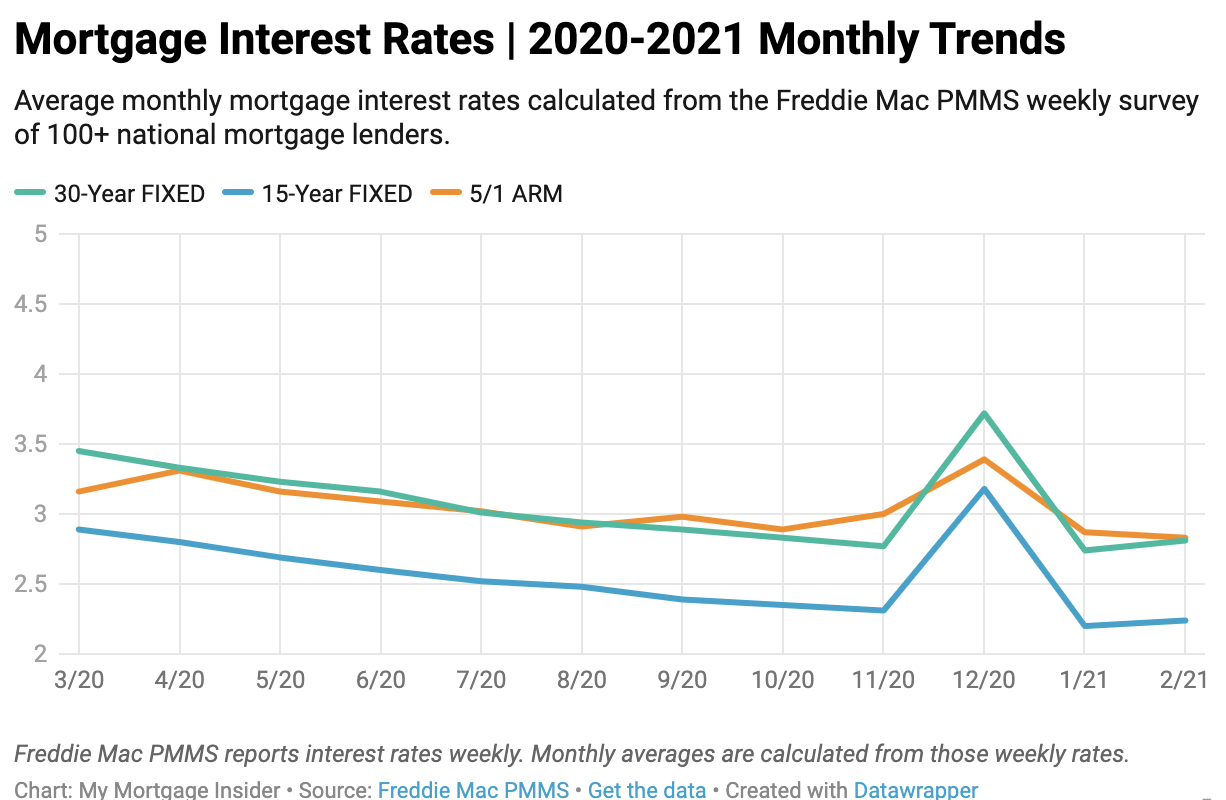
Published averages from sources like Freddie Mac or the Mortgage Bankers Association provide a useful benchmark. These often highlight rates for the most common loan types:
- 30-Year Fixed-Rate Mortgage: This is the most popular mortgage product, offering lower monthly payments due to the extended repayment period. Rates for 30-year fixed loans tend to be slightly higher than 15-year fixed loans to compensate lenders for the longer term and increased risk.
- 15-Year Fixed-Rate Mortgage: This option features a higher monthly payment but allows borrowers to build equity faster and pay significantly less interest over the life of the loan. Rates for 15-year fixed mortgages are generally lower than 30-year fixed rates.
- Adjustable-Rate Mortgages (ARMs): As discussed, ARMs, particularly those with initial fixed periods (e.g., 5/1 ARM), typically start with lower interest rates than their fixed-rate counterparts. This lower initial rate can be appealing, but it comes with the inherent risk of future payment increases.
These averages are a starting point. Your specific rate will be tailored to your financial profile and the lender’s underwriting criteria.
How Your Financial Profile Impacts Your Rate
Lenders assess your creditworthiness and financial stability to determine the risk associated with lending to you. Several factors from your personal financial profile play a significant role:
- Credit Score: A higher credit score (typically FICO scores above 740-760) indicates a lower risk to lenders, often qualifying you for the most competitive interest rates. Conversely, lower credit scores will result in higher rates to offset the perceived increased risk of default.
- Debt-to-Income (DTI) Ratio: This ratio compares your total monthly debt payments to your gross monthly income. Lenders prefer a lower DTI, ideally below 43%, as it suggests you have sufficient disposable income to manage your mortgage payments comfortably. A higher DTI can lead to higher rates or even loan denial.
- Employment History and Income Stability: Lenders look for a stable and consistent employment history, typically two years in the same field or with the same employer, and a verifiable income source. This reassures them of your ability to make regular payments.
- Assets and Reserves: Demonstrating sufficient savings or other liquid assets (reserves) after your down payment and closing costs can make you a more attractive borrower, potentially leading to better rate offers.
The Role of Loan-to-Value (LTV) and Down Payment
The Loan-to-Value (LTV) ratio is another critical determinant of your interest rate. It’s calculated by dividing the loan amount by the home’s appraised value. A lower LTV (meaning a higher down payment) reduces the lender’s risk, as they have more equity as collateral.
- Higher Down Payment (Lower LTV): A down payment of 20% or more typically results in a lower LTV (80% or less), which can qualify you for better interest rates and helps you avoid Private Mortgage Insurance (PMI) on conventional loans.
- Lower Down Payment (Higher LTV): While programs exist for low down payments (e.g., FHA loans, VA loans, conventional loans with PMI), they generally come with slightly higher interest rates to compensate for the increased risk to the lender.
Strategically increasing your down payment, if feasible, can be a direct path to securing a more favorable interest rate and reducing your overall loan cost.
Beyond the Rate: Decoding the True Cost of a Home Loan
While the interest rate is undeniably important, focusing solely on it can be misleading. The true cost of a home loan encompasses more than just the advertised rate, involving various fees and charges that can significantly impact your total expenditure over time. Understanding these additional components is crucial for a complete financial picture.
Annual Percentage Rate (APR) vs. Interest Rate
This is perhaps one of the most critical distinctions borrowers need to grasp.
- Interest Rate: This is the percentage charged by the lender for the money you borrow, calculated on the principal loan amount. It directly determines your monthly principal and interest payment.
- Annual Percentage Rate (APR): The APR provides a broader measure of the total cost of borrowing money. It includes the interest rate plus most of the upfront fees and charges associated with the loan, such as origination fees, discount points, and some closing costs. Expressed as a percentage, the APR allows for a more “apples-to-apples” comparison between different loan offers, as it represents the overall annual cost of the loan over its term, taking into account these additional expenses. A higher APR compared to the interest rate indicates that there are significant upfront costs involved.
When comparing loan offers, always look at the APR alongside the interest rate to get a clearer understanding of the total cost.
Understanding Closing Costs and Fees
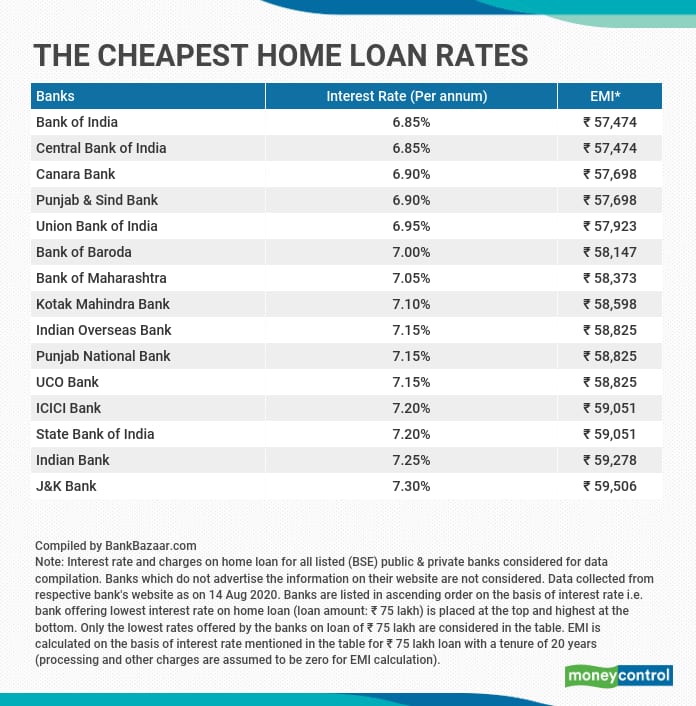
Closing costs are an array of fees charged by various parties involved in the loan transaction, typically amounting to 2% to 5% of the loan amount. These are paid at the closing of the loan and can include:
- Lender Fees: Origination fees, underwriting fees, application fees, document preparation fees.
- Third-Party Fees: Appraisal fees, credit report fees, title search and insurance fees, escrow fees, attorney fees (where applicable), survey fees, recording fees.
- Prepaid Items: Property taxes and homeowner’s insurance premiums for a certain period, which are often paid in advance and held in an escrow account.
These costs can add up quickly, and while some may be negotiable or can be rolled into the loan amount (increasing your principal and interest paid over time), they are a substantial part of the initial financial outlay for a home loan.
The Impact of Discount Points and Origination Fees
Two specific fees warrant closer attention due to their direct relationship with the interest rate:
- Discount Points: These are optional upfront payments made to the lender at closing in exchange for a lower interest rate over the life of the loan. One discount point typically costs 1% of the loan amount. For example, on a $300,000 loan, one point would be $3,000. Deciding whether to “buy down” your rate with points depends on how long you plan to stay in the home. If you stay long enough, the savings from the lower monthly payment will eventually outweigh the upfront cost of the points.
- Origination Fees: This is a fee charged by the lender for processing and underwriting your loan. It often covers administrative costs and is expressed as a percentage of the loan amount (e.g., 0.5% to 1%). Unlike discount points, origination fees do not directly lower your interest rate but are simply a cost of securing the loan.
Careful consideration of these fees, especially in the context of your overall financial strategy and expected homeownership duration, is vital for making an informed decision that optimizes the true cost of your home loan.
Strategies for Securing the Best Possible Rate
Given the significant impact interest rates have on the lifetime cost of your home loan, taking proactive steps to secure the most favorable rate is paramount. A little effort in preparation and negotiation can translate into substantial savings over years.
Enhancing Your Credit Score
Your credit score is arguably the single most influential factor in determining the interest rate you’ll be offered. Lenders use it as a primary indicator of your creditworthiness.
- Review Your Credit Report: Obtain free copies of your credit report from the three major bureaus (Experian, Equifax, TransUnion) and dispute any inaccuracies.
- Pay Bills on Time: Payment history is the largest component of your credit score. Missing payments can severely damage your score.
- Reduce Credit Card Balances: Keep your credit utilization ratio (the amount of credit you’re using compared to your available credit) low, ideally below 30%.
- Avoid New Credit Applications: Limit applying for new credit cards or loans in the months leading up to your mortgage application, as each application can temporarily ding your score.
- Don’t Close Old Accounts: Older accounts with good payment history contribute positively to your credit age and overall score.
Improving your credit score even by a few points can sometimes move you into a better rate tier, leading to thousands of dollars in savings over the loan term.
Shopping Around and Comparing Lenders
One of the biggest mistakes borrowers make is accepting the first loan offer they receive. The mortgage market is competitive, with different lenders (banks, credit unions, online lenders, mortgage brokers) offering varying rates and terms.
- Get Quotes from Multiple Lenders: Contact at least 3-5 different lenders to compare their interest rates, APRs, closing costs, and overall loan terms.
- Compare “Loan Estimates”: Once you apply, lenders are required to provide a standardized “Loan Estimate” form within three business days. This form details the interest rate, APR, monthly payment, and all associated costs, making it easier to compare offers side-by-side.
- Negotiate: Don’t be afraid to use a competitive offer from one lender to negotiate a better deal with another. Lenders are often willing to match or beat a competitor’s offer to earn your business.
This comparison shopping could reveal significant differences in overall costs, making it well worth the time and effort.
Locking In Your Rate: When and Why
Once you’ve found a favorable interest rate and are confident in your lender and loan product, you’ll want to “lock” that rate. A rate lock guarantees that your interest rate will not change between the time you apply and the time you close, typically for a period of 30, 45, or 60 days.
- When to Lock: Consider locking your rate when you’re confident in your chosen lender and loan, and market conditions appear favorable. If rates are trending upwards, locking early can protect you. If rates are volatile or trending downwards, you might consider floating your rate (not locking) for a short period, but this carries risk.
- Why Lock: A rate lock provides peace of mind and protection against market fluctuations. Without a lock, your rate could increase before closing, potentially making your loan less affordable.
Always confirm the length of the rate lock, whether there’s a fee for extending it, and if it’s a “float-down” option (allowing you to benefit if rates drop significantly before closing).
Considering a Mortgage Broker
A mortgage broker acts as an intermediary between you and multiple lenders. They work to find the best loan product and interest rate for your specific situation from their network of lenders.
- Benefits: Brokers can save you time and effort by doing the legwork of comparing various lenders. They often have access to a wider range of loan products, including those from smaller banks or specialty lenders you might not find on your own. They can also offer expertise and guidance throughout the application process.
- Considerations: Brokers typically charge a fee, either paid by you directly or by the lender, which can be factored into your loan costs. Ensure their compensation structure is transparent.
For complex financial situations or for those who prefer expert guidance, a mortgage broker can be a valuable resource in securing an optimal rate.
Future Outlook and Expert Insights
Predicting the future direction of interest rates is notoriously difficult, even for seasoned economists. However, staying abreast of key economic indicators and expert analyses can provide valuable context for making informed decisions about buying or refinancing a home.
Economic Indicators to Watch
Several economic factors provide clues about potential rate movements:
- Inflation Reports (CPI, PPI): Persistently high inflation puts upward pressure on rates.
- Employment Data (Jobs Report): Strong job growth can signal a healthy economy, potentially leading to higher rates if accompanied by inflation.
- Federal Reserve Statements: The Fed’s commentary on the economy and its future policy intentions (e.g., potential interest rate hikes or cuts) significantly influences market expectations.
- Treasury Yields: The yield on the 10-year Treasury note is a strong indicator for long-term mortgage rates. When it rises, mortgage rates typically follow.
- Housing Market Data: Trends in home sales, inventory levels, and housing starts can reflect underlying economic health and demand for mortgage credit.
Monitoring these indicators can help you anticipate potential shifts, although economic forecasts are subject to constant revision.
Predictions from Financial Institutions
Major financial institutions and economic forecasting bodies regularly publish their predictions for mortgage rates. While these are not guarantees, they represent informed analyses based on comprehensive data and economic models. These predictions often come with caveats about potential deviations based on unforeseen economic events. For example, some may predict a gradual decline in rates if inflation cools and the Fed signals rate cuts, while others might foresee stability or slight increases depending on their interpretation of global and domestic economic forces. It is advisable to consult a range of these reputable sources rather than relying on a single forecast.

Is Now the Right Time to Buy or Refinance?
This is a question with no universal answer, as it depends entirely on your individual financial situation, risk tolerance, and personal goals.
- For Buyers: If you’re considering buying, the “right” time isn’t just about the interest rate. It’s also about affordability, stability in your income and employment, local housing market conditions (prices, inventory), and your long-term plans. A slightly higher rate might be manageable if home prices are favorable or if you anticipate income growth. Conversely, waiting for lower rates could mean facing higher home prices in the future.
- For Refinancers: Refinancing typically makes sense if you can secure a significantly lower interest rate, reduce your loan term, or convert an ARM to a fixed-rate mortgage for stability. A common rule of thumb is to consider refinancing if you can lower your current rate by at least 0.75% to 1%, and if the savings outweigh the closing costs within a reasonable timeframe (the “break-even point”).
Ultimately, the decision to buy or refinance should be part of a well-considered financial plan, taking into account not just the current interest rates, but also your personal circumstances and future aspirations. Consulting with a qualified financial advisor or mortgage professional can provide personalized insights and help you navigate this significant financial decision. The current interest rate is a crucial piece of the puzzle, but it is one piece among many that collectively define your path to homeownership.
aViewFromTheCave is a participant in the Amazon Services LLC Associates Program, an affiliate advertising program designed to provide a means for sites to earn advertising fees by advertising and linking to Amazon.com. Amazon, the Amazon logo, AmazonSupply, and the AmazonSupply logo are trademarks of Amazon.com, Inc. or its affiliates. As an Amazon Associate we earn affiliate commissions from qualifying purchases.