
In the global travel industry, few sectors are as fiercely competitive or as defined by brand perception as the cruise industry. When a consumer asks, “What’s the best cruise line?” they are rarely looking for a technical specification of a vessel’s displacement or engine capacity. Instead, they are asking which brand identity most closely aligns with their personal values, social aspirations, and lifestyle preferences.
From a brand strategy perspective, the “best” cruise line does not exist in a vacuum. Excellence in this multi-billion-dollar industry is defined by how effectively a company carves out a niche, communicates its unique value proposition, and delivers a consistent experience across every touchpoint. This article analyzes the strategic frameworks that allow top-tier cruise lines to dominate the market through sophisticated branding, market segmentation, and experience design.
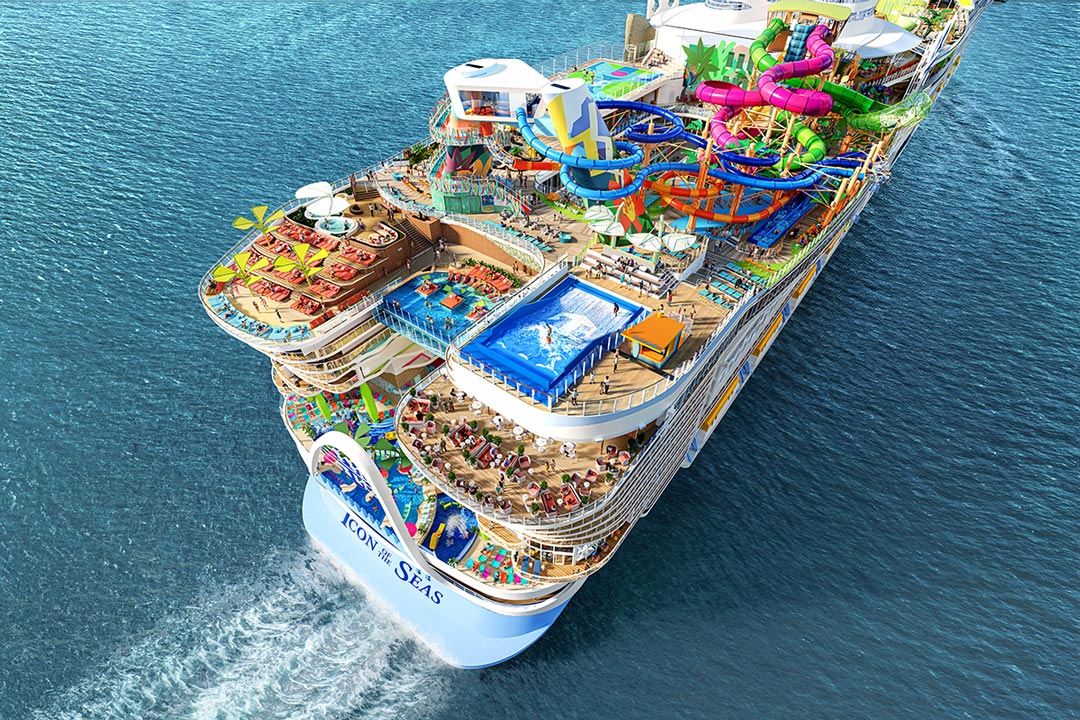
The Architecture of Cruise Branding: Why One Size Doesn’t Fit All
The cruise industry is a masterclass in market segmentation. Unlike airlines, which often struggle with commoditization, cruise lines have successfully differentiated themselves by building distinct brand architectures. The “best” line is the one that has most effectively identified and captured its specific psychographic profile.
Psychographic Segmentation and Target Audiences
Successful cruise branding begins with a deep understanding of the consumer’s “ideal self.” A brand like Carnival Cruise Line does not attempt to compete with Silversea; they operate in entirely different psychological realms. Carnival’s brand strategy is built on the concept of the “Fun Ships,” targeting the mass market with high-energy, accessible, and value-driven experiences. Their branding utilizes vibrant colors, casual language, and a promise of unpretentious social connection.
In contrast, ultra-luxury lines like Regent Seven Seas or Seabourn focus on “discreet elegance.” Their brand strategy targets high-net-worth individuals who value privacy, enrichment, and anticipatory service. The branding here is minimalist, sophisticated, and revolves around exclusivity. By narrowing their focus, these brands avoid the trap of trying to be everything to everyone, which is the quickest way to dilute brand equity.
The Value Proposition: Beyond the Price Tag
In brand strategy, the value proposition is the intersection of what the customer wants and what the company uniquely provides. For the contemporary traveler, value is no longer just about the lowest price; it is about the “return on emotion.” Leading cruise brands have shifted their messaging from hardware (the size of the ship or the number of pools) to software (the feeling of the experience). Whether it is the brand promise of “Total Relaxation” or “Cultural Immersion,” the most successful lines are those whose value propositions are clearly articulated and consistently delivered.
The Lifestyle Pillars: Case Studies in Brand Identity
To understand what makes a cruise line the “best” in its category, we must examine the specific brand identities of the industry’s heavyweights. These companies have moved beyond mere transportation to become lifestyle brands that command immense loyalty.
The Family Master: Disney Cruise Line
Disney is perhaps the world’s most potent example of brand extension. When they entered the cruise market, they didn’t just build ships; they exported a pre-existing emotional ecosystem to the high seas. Their brand strategy relies on “immersion.” From the distinctive horn that plays “When You Wish Upon a Star” to the seamless integration of their intellectual property (Marvel, Star Wars, Pixar), Disney has created a category of one. For families, Disney is the “best” because its brand equity—built over nearly a century—guarantees a specific level of safety, storytelling, and magic that no other line can replicate.
Modern Luxury: Celebrity Cruises
Celebrity Cruises occupies a unique space known as “New Luxury” or “Modern Luxury.” Their brand strategy is a response to the aging traditionalism of older luxury brands. By focusing on cutting-edge design (partnering with world-class architects like Kelly Hoppen), wellness, and high-concept culinary experiences, Celebrity targets the “affluent explorer.” Their branding is sleek, editorial, and cosmopolitan. They have successfully positioned themselves as the bridge between the mass market and the ultra-luxury tiers, proving that a brand can be both aspirational and accessible.
The Cultural Specialist: Viking
Viking redefined the cruise industry by what they removed from the experience. Their brand strategy—”The Thinking Person’s Cruise”—is a masterclass in subtraction. No casinos, no children, no “umbrella drinks,” and no photography sales. By defining what they are not, Viking created a powerful identity for a demographic that values quiet, education, and destination-focused travel. Their consistent aesthetic (Scandinavian chic) and focus on “the destination” rather than “the ship” have allowed them to dominate both the river and ocean cruise markets simultaneously.
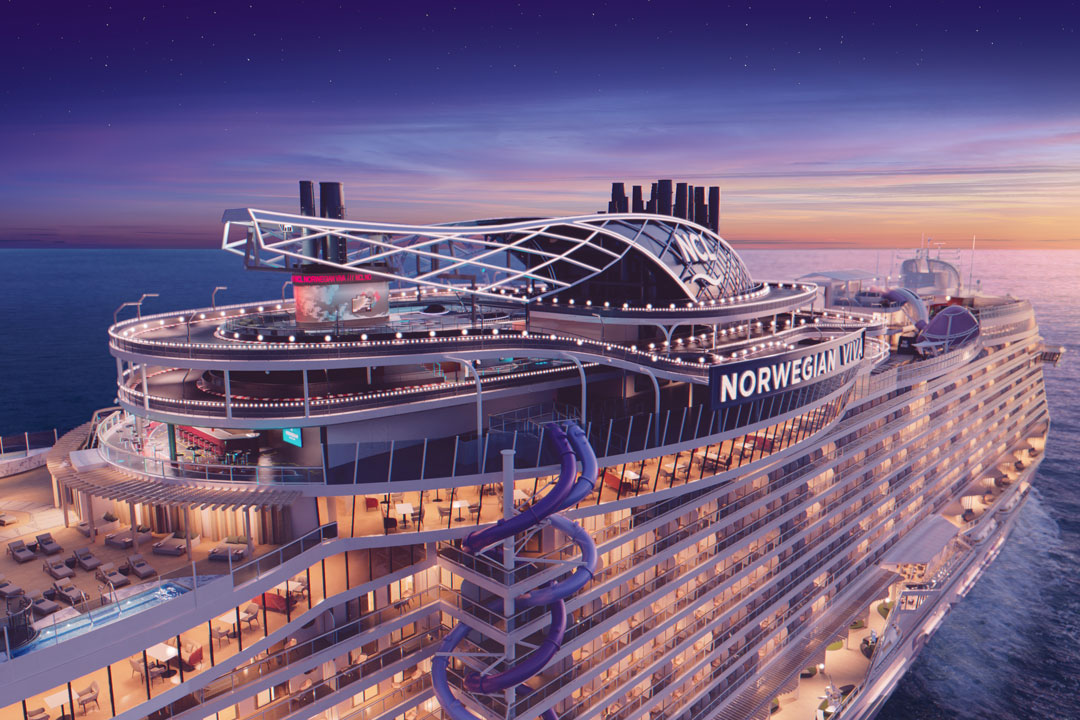
Customer Experience (CX) as a Brand Differentiator
In the service industry, the brand is the experience. A logo or an advertisement is merely a promise; the execution of that promise at sea is where brand loyalty is won or lost. The “best” cruise lines utilize Service Design to ensure every interaction reinforces their brand identity.
Touchpoint Consistency and the “Halo Effect”
A traveler’s journey with a cruise brand starts long before they board the ship. It begins with the website interface, the ease of the booking app, and the tone of the pre-cruise emails. Leading brands ensure that the “brand voice” is consistent across all these digital and physical touchpoints. For example, a luxury brand that promises “seamless service” but has a clunky, difficult-to-navigate mobile app is suffering from brand dissonance. The most successful lines, such as Virgin Voyages, have revolutionized the digital touchpoint, using cheeky, bold, and mobile-first strategies to appeal to a younger, tech-savvy demographic.
The Human Element: Emotional Connection
The ultimate differentiator in cruise branding is the crew. Brand strategy often involves internal branding—training employees to be ambassadors of the brand’s values. In the ultra-luxury segment, the brand promise is often “anticipatory service”—knowing what the guest wants before they ask. When a room steward or a waiter remembers a guest’s specific preference from a previous voyage, it creates an emotional bond that transcends the physical product. This “human-centric” branding is why lines like Holland America or Princess Cruises maintain such high repeat-passenger rates; their brand is synonymous with a sense of “coming home.”
Brand Evolution and Crisis Management
No brand exists in a vacuum, and the cruise industry has faced significant headwinds, particularly in the wake of global health crises and environmental concerns. The “best” lines are those that have used brand strategy to navigate these challenges and evolve.
Post-Pandemic Rebranding and Trust
The 2020 global shutdown forced cruise lines to engage in massive “trust-building” exercises. Brands that were transparent, prioritized safety over profit, and communicated clearly emerged with their reputations intact. This period saw a shift in brand messaging toward “Health and Wellness” and “Safety First,” proving that brand strategy must be agile enough to respond to global shifts while maintaining core identity.
Sustainability as a Brand Promise
The modern consumer is increasingly values-driven, particularly regarding the environment. To remain the “best” in the eyes of the next generation, cruise lines are integrating sustainability into their core brand identity. This is no longer just about corporate social responsibility (CSR) reports; it is about visible action. From the launch of LNG-powered ships (like those from MSC Cruises or Royal Caribbean) to the elimination of single-use plastics, sustainability is becoming a key pillar of brand differentiation. Brands that fail to authentically integrate environmental stewardship into their identity risk becoming obsolete.
The Future of Maritime Branding: Hyper-Personalization
As we look toward the future, the definition of the “best” cruise line will be driven by data and hyper-personalization. The next frontier of brand strategy in this sector involves using technology to deliver a customized brand experience to every individual guest.
AI and Tech-Infused Identity
Royal Caribbean’s use of the “MedallionClass” (under the Carnival Corporation umbrella) and similar wearable technologies allows brands to track guest preferences in real-time. From a branding perspective, this is revolutionary. It allows a mass-market ship to deliver a “boutique” experience. If the brand knows your favorite cocktail and your preferred dinner time, it can personalize your vacation in a way that reinforces the brand’s commitment to the individual.

The Rise of the Niche and the Boutique
We are seeing a move away from “the biggest ship” toward “the most unique experience.” Small-ship cruising, expedition cruising (like Ponant or Quark Expeditions), and themed voyages are on the rise. These brands are winning by being highly specific. In the future, the “best” cruise line won’t be the one with the most passengers, but the one that most successfully builds a community of like-minded individuals.
In conclusion, determining the “best” cruise line is an exercise in brand alignment. Excellence is found where a company’s strategic vision, market positioning, and operational execution meet the specific desires of its target audience. Whether it is through the whimsical storytelling of Disney, the cultural depth of Viking, or the innovative luxury of Celebrity, the leaders of the industry are those who understand that in the world of high-seas travel, the brand is the ultimate destination.
aViewFromTheCave is a participant in the Amazon Services LLC Associates Program, an affiliate advertising program designed to provide a means for sites to earn advertising fees by advertising and linking to Amazon.com. Amazon, the Amazon logo, AmazonSupply, and the AmazonSupply logo are trademarks of Amazon.com, Inc. or its affiliates. As an Amazon Associate we earn affiliate commissions from qualifying purchases.