
In the ever-evolving landscape of consumer preferences and beverage innovation, a particular category has risen to prominence, capturing the attention of both casual drinkers and discerning connoisseurs: seltzer. Once a niche offering, hard seltzers, and their non-alcoholic counterparts, have become a ubiquitous presence on bar menus, in refrigerators, and across social media feeds. But what exactly is seltzer, and what accounts for its meteoric rise? This article delves into the essence of seltzer, exploring its genesis, its diverse manifestations, and the strategic brilliance behind its market dominance.
The Genesis and Evolution of Seltzer
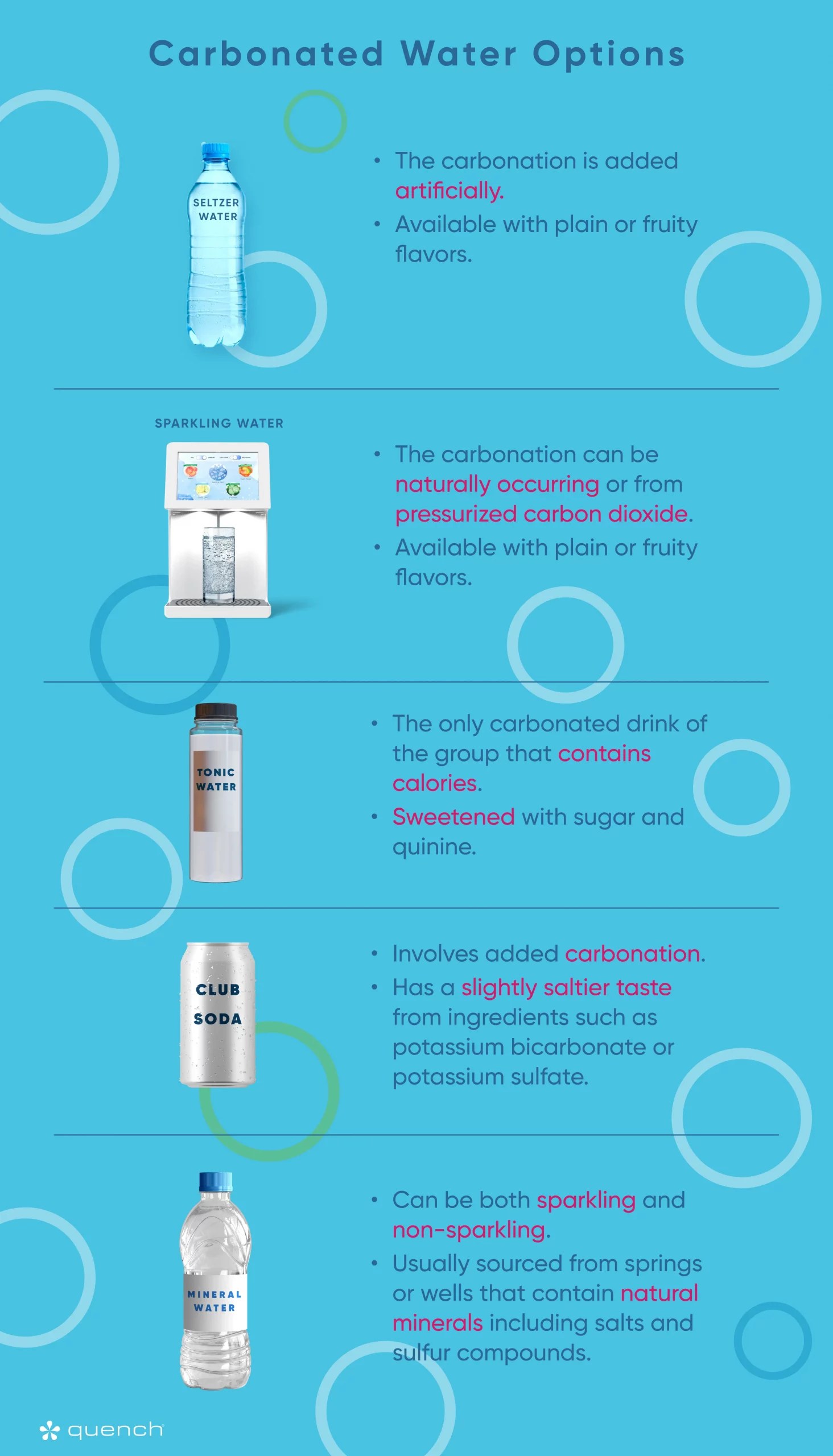
The term “seltzer” itself, often intertwined with the concept of sparkling water, has a history that predates the modern alcoholic beverage craze. Understanding this foundational aspect is crucial to appreciating the broader phenomenon.
From Mineral Waters to Carbonation
The origins of seltzer can be traced back to the discovery and popularization of mineral springs, particularly those in the town of Niederselters in Germany, from which the name “seltzer” is derived. For centuries, people believed in the therapeutic and refreshing qualities of naturally carbonated mineral waters. The desire to replicate these effervescent properties led to early attempts at artificial carbonation.
In the late 18th century, Swedish chemist Torbern Bergman developed a method for producing carbonated water by dissolving carbon dioxide in water under pressure. This breakthrough paved the way for the commercial production of “seltzer water,” which initially referred to this artificially carbonated water, often infused with minerals to mimic natural springs. It was primarily consumed as a non-alcoholic beverage, prized for its crisp, clean taste and perceived health benefits. Seltzer water became a staple in pharmacies, soda fountains, and eventually, in homes, serving as a base for cocktails or simply enjoyed on its own.
The Alcoholic Awakening: The Rise of Hard Seltzer
The true seismic shift in the perception and popularity of seltzer, however, occurred with the advent of “hard seltzer.” This innovation transformed a simple sparkling water into a potent alcoholic beverage that offered a compelling alternative to traditional beers, wines, and spirits. The concept, while seemingly simple, was a masterful stroke of product development and market positioning.
The first widely recognized hard seltzers emerged in the early 2010s, with brands like Bon & Viv (formerly SpikedSeltzer) and White Claw leading the charge. These beverages were characterized by their light, refreshing, and relatively low-calorie profile. Unlike the often heavy or sweet profiles of many pre-mixed cocktails or malt-based beverages, hard seltzers offered a crisp, clean drinking experience. Their primary ingredients typically include carbonated water, alcohol derived from fermented cane sugar or malt, and fruit-based flavorings. This stripped-down approach to alcohol delivery was a key differentiator.
The early success of these pioneers demonstrated a significant unmet consumer need. Many drinkers, particularly a younger demographic and those seeking healthier or more sessionable alcoholic options, were receptive to a beverage that felt less indulgent and more sophisticated than many existing choices. The simplicity of the product, coupled with clever branding, set the stage for unprecedented growth.
The Multifaceted Appeal of Seltzer
The widespread adoption of seltzer is not a singular phenomenon but rather a convergence of several appealing factors that resonate with a broad consumer base. Understanding these drivers is key to grasping the enduring nature of this beverage category.
A Healthier Indulgence: The Low-Calorie, Low-Sugar Proposition
One of the most significant drivers of seltzer’s popularity, especially hard seltzer, is its perceived health advantage over traditional alcoholic beverages. In an era where health and wellness are increasingly prioritized, consumers are actively seeking options that align with their lifestyle choices.

- Calorie Count: Hard seltzers typically boast a significantly lower calorie count compared to many beers, wines, and cocktails. A standard 12-ounce can of hard seltzer often contains around 100-150 calories, whereas a comparable serving of beer can range from 150-200+ calories, and cocktails made with sugary mixers can far exceed this. This “lighter” profile makes it an attractive option for individuals mindful of their caloric intake.
- Sugar Content: Beyond calories, the sugar content of alcoholic beverages has also become a point of concern for many. Hard seltzers are generally formulated with minimal to no added sugar, relying on natural fruit flavors for their taste. This stands in stark contrast to many sweet liqueurs, sugary mixers, and even some flavored beers. The absence of excessive sugar contributes to a cleaner taste and reduces the “sugar crash” often associated with heavier alcoholic drinks.
- Carbohydrate Levels: Similarly, hard seltzers are often low in carbohydrates, making them a popular choice for those following low-carb diets such as ketogenic or paleo. This has broadened their appeal beyond simply a desire for a light drink to a beverage that actively fits into specific dietary regimes.
This combination of low calories, low sugar, and low carbohydrates positions seltzer not as a forbidden indulgence, but as a more guilt-free way to enjoy an alcoholic beverage. This perception has been a cornerstone of its marketing and a significant contributor to its mass appeal.
Flavor Versatility and Craftsmanship
While the initial appeal was rooted in its simplicity and perceived health benefits, the seltzer market has evolved dramatically, with brands investing heavily in flavor innovation and a degree of craft. This has allowed seltzer to transcend its basic formula and offer a sophisticated drinking experience.
- Extensive Flavor Palettes: The range of flavors available in the seltzer market is staggering. From classic fruit profiles like lime, berry, and grapefruit to more exotic and adventurous combinations such as cucumber-mint, passionfruit-guava, or even chili-mango, there is a seltzer flavor to suit almost every palate. This diversity allows consumers to experiment and discover new favorites, making seltzer a dynamic and engaging beverage category.
- Ingredient Quality and Sourcing: As the market matures, brands are increasingly focusing on the quality of their ingredients. This includes using real fruit extracts, premium spirits as the alcohol base (in some premium offerings), and avoiding artificial sweeteners or colors. This emphasis on quality elevates the perceived value of seltzer and appeals to consumers who are more ingredient-conscious.
- Craft and Niche Offerings: Beyond the mainstream, a burgeoning craft seltzer scene is emerging. These smaller producers often experiment with unique botanical infusions, seasonal ingredients, and more complex flavor profiles, catering to a more discerning palate. Some even offer variations with added vitamins or functional ingredients, further blurring the lines between a beverage and a lifestyle product. This artisanal approach mirrors the evolution seen in other beverage categories like craft beer and specialty coffee.
The continuous innovation in flavor and the growing emphasis on quality have ensured that seltzer remains an exciting and relevant choice, capable of satisfying a wide spectrum of taste preferences and a growing desire for nuanced beverage experiences.
The Strategic Blueprint: Branding and Market Dominance
The success of seltzer, particularly hard seltzer, is not solely attributable to its product attributes; it is also a testament to astute brand strategy and effective market penetration. The brands that have thrived have done so by understanding their target audience and crafting compelling narratives.
Defining the Modern Beverage Consumer
The rise of seltzer coincided with, and capitalized on, a shift in consumer values and preferences. Brands tapped into a desire for beverages that were perceived as modern, sophisticated, and aligned with an active, health-conscious lifestyle.
- Millennial and Gen Z Appeal: Seltzer has particularly resonated with millennial and Gen Z demographics. These groups often prioritize experiences, authenticity, and products that reflect their personal values. The clean, minimalist branding of many seltzer brands, combined with their association with outdoor activities, social gatherings, and a less “heavy” approach to drinking, aligns well with the preferences of these generations.
- Sessionability and Moderation: The concept of “sessionability” – the ability to enjoy multiple drinks without becoming overly intoxicated or feeling weighed down – is a key selling point. Seltzer’s lower alcohol content (typically 4-6% ABV for hard seltzer) and lighter profile make it ideal for extended social occasions, outdoor events, or simply unwinding after a long day. This caters to a growing trend towards more mindful and moderate alcohol consumption.
- Inclusivity and Accessibility: Seltzer’s broad appeal also stems from its relative inclusivity. Its simple flavor profiles and lack of strong, polarizing tastes make it palatable to a wide audience. Furthermore, its availability in convenient cans and at accessible price points makes it an easy choice for impulse purchases and everyday consumption.
By positioning seltzer as a refreshing, modern, and less indulgent alternative, brands successfully captured a significant portion of the beverage market, attracting consumers who might have previously opted for other drink categories.
Marketing Masterstrokes and Brand Identity
The marketing and branding strategies employed by successful seltzer companies have been instrumental in their ascent. These strategies have focused on building a distinct identity and connecting with consumers on an emotional level.
- Minimalist and Modern Aesthetics: Many leading seltzer brands utilize clean, uncluttered packaging with a focus on sleek fonts, simple color palettes, and iconic imagery (think the distinctive claw logo of White Claw). This minimalist approach conveys a sense of sophistication, purity, and modernity, distinguishing them from the often busier and more traditional designs of beer and wine labels.
- Lifestyle Association: Marketing campaigns often associate seltzer with aspirational lifestyles – outdoor adventures, beach vacations, casual get-togethers with friends, and active pursuits. This creates a powerful emotional connection, positioning seltzer not just as a beverage, but as a symbol of a desirable way of life. This “vibes-based” marketing has been incredibly effective in building brand loyalty.
- Social Media Dominance and Influencer Marketing: Seltzer brands have expertly leveraged social media platforms to reach their target audiences. User-generated content, viral marketing campaigns, and strategic partnerships with influencers have amplified their reach and fostered a sense of community around the brands. Memes, trending hashtags, and shareable content have become integral to their promotional efforts.
- Strategic Partnerships and Product Extensions: Beyond traditional advertising, many brands have engaged in strategic partnerships with events, festivals, and other lifestyle brands. This has further embedded seltzer into the fabric of popular culture. Furthermore, the success of hard seltzer has spurred the development of non-alcoholic versions, expanding the brand’s reach to a broader demographic and catering to the sober-curious movement.
The convergence of appealing product attributes with sophisticated branding and marketing has created a potent combination, solidifying seltzer’s position as a dominant force in the modern beverage industry. It’s a story of understanding consumer needs, delivering a relevant product, and crafting a compelling brand narrative that continues to resonate.
aViewFromTheCave is a participant in the Amazon Services LLC Associates Program, an affiliate advertising program designed to provide a means for sites to earn advertising fees by advertising and linking to Amazon.com. Amazon, the Amazon logo, AmazonSupply, and the AmazonSupply logo are trademarks of Amazon.com, Inc. or its affiliates. As an Amazon Associate we earn affiliate commissions from qualifying purchases.