
In an increasingly digital world, the lines between content consumption and direct support for creators have blurred, giving rise to innovative platforms that redefine how artists, journalists, educators, and innovators sustain their work. At the forefront of this revolution is Patreon, a platform that has become synonymous with the creator economy. More than just a website, Patreon is a technological ecosystem designed to foster direct relationships between creators and their most dedicated fans, enabling a sustainable model for creative work through recurring financial contributions.
At its core, Patreon is a membership platform that allows creators to run a subscription service for their exclusive content. Instead of relying solely on fluctuating ad revenue, one-off sales, or sporadic donations, creators on Patreon invite their audience—known as “patrons”—to pledge a set amount of money, typically monthly, in exchange for various tiers of exclusive content, early access, community interaction, or behind-the-scenes glimpses. This model shifts the dynamic from passive consumption to active support, forging a stronger, more personal bond between the creator and their community. By offering a robust framework for subscription management, content delivery, and community engagement, Patreon has emerged as a crucial tool for anyone looking to professionalize their passion in the digital age.

Patreon as a Technological Enabler for the Creator Economy
Patreon’s very existence and success are deeply rooted in its technological infrastructure, providing the essential digital scaffolding that underpins the modern creator economy. It functions as a sophisticated software solution that streamlines complex processes, allowing creators to focus on their craft while the platform handles the intricate details of membership management, content distribution, and financial transactions.
The Platform’s Core Mechanics: A Blend of Software and Service
From a technological standpoint, Patreon is a comprehensive web application augmented by mobile apps, meticulously engineered to facilitate direct patronage. Its core mechanics involve a robust subscription engine that allows creators to set up multiple tiers with varying benefits, managing hundreds or thousands of individual pledges seamlessly. This engine handles recurring billing, payment processing (integrating with various payment gateways), and automatic renewal, significantly reducing the administrative burden on creators. Patrons can easily subscribe, upgrade, or downgrade their pledges through a user-friendly interface, reflecting a design philosophy focused on accessibility and convenience.
Beyond subscriptions, Patreon offers integrated content hosting and delivery tools. Creators can upload various media types—videos, audio files, images, text posts, and even private links—and designate them as exclusive content for specific tiers. This functionality transforms Patreon into a private content library, ensuring that only paying patrons can access premium material. Furthermore, its communication tools are vital, providing features like direct messaging, comment sections on posts, and live chat capabilities, fostering real-time engagement and community building. The platform also offers analytics dashboards for creators, providing insights into patron growth, revenue trends, and content performance, enabling data-driven decision-making to optimize their strategies. The digital security of both patron payment information and creator content is paramount, with Patreon employing industry-standard encryption and security protocols to protect sensitive data and prevent unauthorized access or content leakage.
Integrating Modern Tech for Enhanced Creator Productivity
Patreon, while powerful on its own, truly shines when creators leverage it in conjunction with other modern technologies. Many creators use streaming software like OBS Studio or Streamlabs OBS for live broadcasts, directing their audiences to Patreon for exclusive content or post-stream Q&As. AI tools are increasingly being integrated into creators’ workflows to enhance productivity; for example, AI-powered writing assistants can help generate content ideas or refine copy for Patreon posts, while AI video editing tools can speed up post-production for exclusive video content.
The platform often interacts with social media APIs, allowing creators to cross-promote their Patreon pages efficiently across platforms like YouTube, Instagram, or Twitter. This synergistic approach magnifies a creator’s reach and funnels their most engaged audience towards their membership platform. For digital security, creators might use password managers, two-factor authentication, and secure cloud storage solutions to protect their valuable digital assets and patron data, complementing Patreon’s inherent security features. Productivity apps like project management tools (e.g., Trello, Asana), scheduling apps, and note-taking software are also critical for creators to manage their content calendar, track patron requests, and maintain a consistent output, thereby optimizing their overall operational efficiency. The confluence of Patreon with these external technologies creates a comprehensive ecosystem for modern digital creators, turning complex digital operations into manageable workflows.
Accessibility and User Experience: Technology for Everyone
A crucial aspect of Patreon’s technological design is its focus on user experience (UX) for both creators and patrons. For creators, the dashboard is intuitive, allowing easy setup of tiers, management of patrons, and creation of posts without needing extensive technical knowledge. For patrons, the process of discovering creators, subscribing, and accessing exclusive content is streamlined, often feeling as familiar as using any other subscription-based app. This commitment to accessibility ensures that the benefits of the creator economy are available to a broader audience, regardless of their technical proficiency. The mobile app further enhances this, allowing creators to manage their page and patrons to consume content on the go, solidifying Patreon’s role as a ubiquitous platform in the digital landscape.
Building a Brand and Community on Patreon
In the competitive landscape of online content, having a strong brand and a loyal community is not just an advantage—it’s a necessity. Patreon serves as an unparalleled platform for creators to not only monetize their work but also to cultivate a distinct brand identity and forge deep, meaningful connections with their audience. It transforms passive viewership into active participation, turning fans into dedicated community members.
Personal Branding and Creator Identity: Defining Your Niche
Patreon is an ideal canvas for personal branding and the articulation of a creator’s unique identity. Unlike platforms where algorithms often dictate visibility, Patreon allows creators to directly present who they are, what they stand for, and the specific value they offer. Creators must articulate a clear brand strategy that resonates with their target audience. This involves defining their niche, identifying their unique voice, and consistently delivering content that aligns with these attributes. For example, a podcaster might brand themselves as the go-to expert for indie film reviews, offering patrons exclusive bonus episodes and annotated scripts. A digital artist might establish a brand around whimsical fantasy art, providing patrons with behind-the-scenes sketches and tutorials.
The tiers themselves are part of this branding exercise. Their names, the benefits offered, and the tone of communication all contribute to the corporate identity (or, in this case, “creator identity”) that patrons perceive. A well-crafted Patreon page reinforces the creator’s reputation as a reliable and valuable source of content, distinguishing them from the vast sea of online creators. It’s about more than just content; it’s about the entire experience and the relationship built around the creator’s unique vision.
Marketing and Engagement Strategies for Growth
Effective marketing is crucial for driving traffic to a Patreon page and converting casual followers into committed patrons. Creators typically leverage their existing presence on other platforms (YouTube, Twitch, Instagram, Twitter, blogs) to promote their Patreon. This involves creating compelling calls to action, showcasing snippets of exclusive content, and clearly communicating the value proposition of becoming a patron. Case studies, even if anecdotal, demonstrate how creators who consistently integrate Patreon into their overall marketing strategy see significant growth. For instance, a YouTuber might end every video with a direct appeal to “join my Patreon for early access,” while an indie game developer might tease exclusive concept art for patrons on their Twitter feed.
Once patrons are on board, the focus shifts to engagement to foster a strong community and ensure retention. Patreon’s built-in communication tools are vital here. Creators can host exclusive Q&A sessions, conduct polls to involve patrons in creative decisions, share personal updates, or even organize patron-only Discord servers. This level of interaction strengthens the brand reputation by demonstrating that the creator values their supporters and is committed to building a reciprocal relationship. By consistently delivering value and interacting authentically, creators transform their patrons from mere subscribers into an invested community, often becoming their strongest advocates.

Crafting Exclusive Content and Value: The Design of Tiers
The heart of a successful Patreon lies in the carefully designed tiers and the exclusive content and experiences they offer. This is where creators bring their brand to life by translating their creative vision into tangible benefits. Tier design isn’t just about price points; it’s about crafting a tiered value proposition that appeals to different levels of support and engagement.
For instance, a creator might offer a “Friend Tier” at $5/month for early access to content and a private Discord role. A “Supporter Tier” at $15/month might add exclusive monthly downloads and behind-the-scenes vlogs. A “Patron Tier” at $50/month could include personalized shout-outs, direct access to the creator for Q&A, or even physical merchandise. The key is to create escalating value that justifies the higher price points and makes patrons feel genuinely special and integral to the creator’s journey.
This content can range from bonus episodes of a podcast, unreleased music tracks, high-resolution digital art, exclusive tutorials, private livestreams, early access to new projects, voting rights on future content, or even physical rewards like signed prints or custom merchandise. The ability to diversify content offerings across different tiers allows creators to cater to a broader audience while reinforcing their brand’s uniqueness. By consistently delivering on these promises, creators build trust and reinforce the value proposition of their personal brand, ensuring patrons feel their investment is worthwhile.
The Financial Landscape of Patreon: Fueling Creative Ventures
Patreon’s most transformative impact lies in its ability to reshape the financial realities for creators, offering a pathway to sustainable online income and shifting the paradigm from precarious gig work to a more stable business model. It fundamentally empowers individuals to turn their passions into viable livelihoods, fostering growth in the broader creator economy.
Online Income and the Creator Economy: A New Business Model
For many creators, Patreon represents a significant leap from relying on unpredictable ad revenue, brand sponsorships, or one-off sales. It provides a consistent stream of online income through recurring monthly subscriptions, which is crucial for financial planning and stability. This model allows creators to dedicate more time to their craft, knowing that a baseline income is secured. It effectively democratizes income generation, enabling a wider range of creators—from niche educators to experimental artists—to build sustainable careers that might not be viable through traditional channels.
This shift underscores the strength of the creator economy, where individual talent and community support drive financial success. Patreon facilitates this by removing common barriers to entry for monetizing creative work, providing the necessary financial tools for billing, payment processing, and income tracking without requiring creators to build these systems from scratch. It’s a direct response to the limitations of ad-supported models, allowing quality and authenticity to be directly rewarded.
Business Finance for Creators: Managing Growth and Expenses
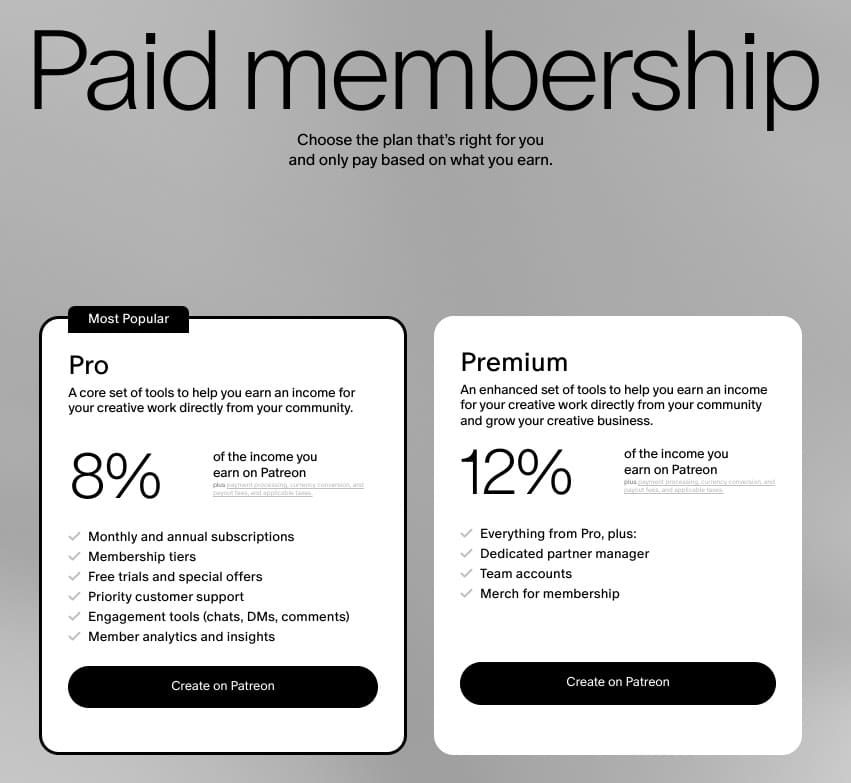
While Patreon simplifies income collection, creators are still responsible for managing their business finance. This includes understanding Patreon’s fee structure (which typically ranges from 5% to 12% of earnings, plus payment processing fees), budgeting for operational expenses (software subscriptions, equipment, contractors), and fulfilling tax obligations. For many, Patreon income might be their primary source, turning them into small business owners overnight. This necessitates learning about basic accounting, tracking income and expenses diligently, and potentially seeking professional financial advice.
Patreon’s dashboards offer basic revenue tracking, but creators often need to integrate this data with personal finance or small business accounting software (e.g., QuickBooks, Wave Apps) to get a complete financial picture. This allows them to monitor profitability, plan for future investments (like new equipment or expanded content initiatives), and ensure compliance with financial regulations. Understanding these aspects of business finance is critical for scaling a creative venture beyond a mere side hustle into a sustainable, professional operation.
Side Hustles and Scaling Creative Ventures: From Passion to Profession
Patreon serves as an excellent platform for transforming side hustles into full-fledged businesses. Many creators begin by offering exclusive content alongside their regular, free work, testing the waters and gradually building a patron base. As their community grows and recurring income increases, the side hustle can evolve into a primary source of livelihood. This incremental scaling allows creators to mitigate risk, learn the ropes of managing a membership business, and gradually invest more time and resources into their creative pursuits.
The platform provides the structure needed to scale. As a creator gains more patrons, they can introduce higher tiers, offer more exclusive content, or even hire assistants or collaborators, effectively growing their team and expanding their creative output. The recurring revenue model makes it easier to project future earnings, facilitating strategic planning for growth and expansion, turning a passionate pursuit into a professionally managed enterprise.
The Patron’s Investment: A Personal Finance Perspective
For patrons, supporting creators on Patreon is often viewed as an investment—not in the traditional sense of financial returns, but in the continued production of content they love and in the careers of individuals they admire. From a personal finance perspective, patrons budget for these subscriptions, often prioritizing them as discretionary spending that aligns with their values and interests. It’s a conscious decision to allocate funds to support culture, education, entertainment, or advocacy directly, bypassing traditional intermediaries.
Patrons make a choice to financially back creators whose work enriches their lives, understanding that their contributions directly enable the creator to spend more time creating. This direct transactional relationship fosters a sense of ownership and community, making patrons feel like active participants in the creative process rather than just passive consumers. It’s a powerful reflection of how individuals are increasingly using their personal finances to support causes and content that resonate deeply with them.
The Future of Patreon and the Evolving Creator Economy
Patreon stands at the intersection of technology, branding, and finance, continually evolving to meet the demands of a dynamic creator landscape. The platform’s future, and indeed the broader creator economy, will be shaped by ongoing advancements in tech, shifting brand strategies, and innovative approaches to money management. We can anticipate further integrations with emerging technologies, more sophisticated tools for creators to build and market their unique brands, and new financial models designed to empower creative entrepreneurs even further. As digital content consumption continues to grow, Patreon’s role as a cornerstone of sustainable, creator-driven enterprises is set to become even more pronounced, solidifying its place as a vital engine for the digital age’s most valuable asset: human creativity.
In conclusion, “What’s Patreon?” is a question that reveals a multifaceted answer. It is a technological marvel that streamlines the complexities of subscription management. It is a powerful branding tool that enables creators to define their identity and foster loyal communities. And critically, it is a financial lifeline that empowers individuals to build sustainable careers from their passions, fueling a vibrant creator economy. By seamlessly integrating these three pillars, Patreon doesn’t just host content; it cultivates careers, fosters communities, and ultimately, reshapes the way creative work is valued and sustained in the digital era.
aViewFromTheCave is a participant in the Amazon Services LLC Associates Program, an affiliate advertising program designed to provide a means for sites to earn advertising fees by advertising and linking to Amazon.com. Amazon, the Amazon logo, AmazonSupply, and the AmazonSupply logo are trademarks of Amazon.com, Inc. or its affiliates. As an Amazon Associate we earn affiliate commissions from qualifying purchases.