
For decades, the global narrative surrounding Paris was anchored in its historical grandeur, its unrivaled influence on high fashion, and its status as the world’s most visited city. However, in the last five years, a quiet yet profound transformation has taken place. If you look past the Haussmannian facades and the bustling bistros, you will find a city that has repositioned itself as the beating heart of the European technology sector.
Today, “what’s happening in Paris” is a story of digital sovereignty, artificial intelligence breakthroughs, and a massive influx of venture capital. No longer content with being a secondary hub to London or Berlin, Paris has leveraged a unique combination of elite mathematical talent, proactive government policy, and world-class infrastructure to become a global tech contender. This article explores the specific technological trends, software innovations, and strategic shifts currently defining the Parisian tech landscape.

The AI Renaissance: Paris as Europe’s Intelligence Hub
While Silicon Valley remains the epicenter of the AI boom, Paris has emerged as its most formidable European rival. The city is currently experiencing what many call an “AI Renaissance,” driven by a deep-seated tradition of excellence in mathematics and engineering.
The Mistral AI Phenomenon and the Open-Source Ethos
At the center of the Parisian AI surge is Mistral AI. Founded by former researchers from Meta and DeepMind, Mistral has become a symbol of European tech pride. Unlike its American counterparts who often favor “closed” models, Mistral has championed an open-source (or open-weight) philosophy. This has not only attracted billions in valuation but has also positioned Paris as the global capital for developers who value transparency and customization in Large Language Models (LLMs). The “Mistral effect” has sparked a flurry of local activity, as startups build niche applications on top of these open frameworks.
Global Tech Giants and the Battle for Talent
The world’s largest tech companies are no longer just visiting Paris; they are embedding their R&D operations there. Meta’s Fundamental AI Research (FAIR) lab, led by AI pioneer Yann LeCun, has long been a staple of the Parisian ecosystem. More recently, Google inaugurated a massive AI hub in the heart of the city, aimed at fostering collaboration with local academic institutions. The presence of these giants creates a virtuous cycle: they attract international talent, who then eventually spin off to create their own local startups, further enriching the local tech tapestry.
Hugging Face and the Community Layer
While Mistral handles the models, Hugging Face—often called the “GitHub of AI”—maintains a massive presence in Paris. By providing the infrastructure for researchers and developers to share and collaborate on machine learning models, Hugging Face ensures that Paris remains the logistical and social nexus of the global AI community. The “Hugging Face effect” ensures that the city is not just a place where code is written, but where the standards for the future of AI are debated and set.
Infrastructure and Incubation: The Station F Phenomenon
Technological growth requires more than just smart people; it requires a physical and social infrastructure that facilitates collision and collaboration. Paris has solved this through one of the most ambitious infrastructure projects in the history of the European tech scene.
Station F: The World’s Largest Startup Campus
Located in a repurposed railway depot, Station F is the physical manifestation of Parisian tech ambition. Housing over 1,000 startups under one roof, it provides an ecosystem that covers everything from early-stage incubation to late-stage scaling. What’s happening at Station F is a micro-reflection of the global tech market: there are dedicated programs for FemTech, GreenTech, and Cybersecurity, often sponsored by giants like Microsoft, L’Oréal, and Apple. This concentration of resources minimizes the friction of starting a company, making Paris an increasingly attractive destination for international founders.
The Shift from Seed to Scale-up
A common historical criticism of the French tech scene was its inability to help companies “scale.” Startups would launch, find moderate success, and then hit a glass ceiling. Today, the landscape is different. The “Next40” and “French Tech 120” initiatives—government-backed programs that identify and support high-potential scale-ups—have provided the regulatory and financial scaffolding necessary for companies to grow into unicorns. We are seeing Parisian firms like ContentSquare (experience analytics) and Back Market (refurbished electronics) successfully compete on a global stage, proving that the city’s infrastructure can support billion-dollar enterprises.
Deep Tech and Quantum Computing
Beyond software, Paris is making significant strides in “Deep Tech”—technologies based on substantial scientific or engineering challenges. The city is home to Pasqal, a leader in neutral-atom quantum computing. As the world approaches the limits of classical silicon-based computing, Paris is positioning itself as a leader in the quantum era. This is supported by the “Saclay” cluster—often dubbed the “Silicon Valley of France”—where elite universities like École Polytechnique provide the raw scientific research that fuels these high-stakes ventures.

VivaTech and the Power of the “French Tech” Brand
Every year, the eyes of the global tech community turn to Paris for Viva Technology (VivaTech), one of the world’s largest tech conferences. This event serves as more than just a trade show; it is a statement of intent.
VivaTech: The European Answer to CES
VivaTech has become the premier platform for the intersection of “Big Tech” and “Grand Politics.” It is the place where CEOs like Elon Musk or Satya Nadella meet with European regulators and heads of state. The event highlights how Paris has mastered the art of “Tech Diplomacy.” By hosting such a massive international gathering, Paris ensures that it remains relevant in the global conversation regarding tech regulation, ethics, and innovation.
Government as a Catalyst: The “La French Tech” Label
A significant driver of what’s happening in Paris is the “La French Tech” movement. This is more than just a government department; it is a unified brand that provides a sense of identity to French entrepreneurs. Through the French Tech Visa, the government has made it remarkably easy for international engineers and founders to relocate to Paris, bypassing much of the traditional European bureaucracy. This proactive “State-as-a-Platform” model has become a blueprint for other nations looking to modernize their economies.
The Focus on Sovereignty and Digital Independence
Perhaps the most unique aspect of the Parisian tech philosophy is the emphasis on “Digital Sovereignty.” Unlike other hubs that are happy to rely entirely on American or Chinese stacks, the Parisian ecosystem is obsessed with building its own clouds, its own security protocols, and its own payment systems (such as the expansion of fintech leader Qonto). This drive for independence is fueling a surge in cybersecurity software and privacy-focused tools, making Paris a haven for enterprises that prioritize data security and European regulatory compliance (GDPR).
The Green Tech Revolution and the Smart City
As Paris prepares for a future defined by climate change, its tech sector is pivoting toward sustainability. The “What’s happening in Paris” narrative is increasingly focused on how technology can make urban living more efficient and environmentally friendly.
Sustainable Mobility and IoT
The transformation of Paris into a “15-minute city”—where all essentials are within a short walk or bike ride—is being powered by data. Startups specializing in IoT (Internet of Things) are working with the city government to optimize traffic flow, reduce energy consumption in public buildings, and manage the complexity of micro-mobility (electric scooters and bikes). This “Civic Tech” movement is turning the city itself into a living laboratory for urban innovation.
Circular Economy Software
Paris has become a leader in the “Circular Economy” tech niche. Companies like Vestiaire Collective (luxury resale) and the aforementioned Back Market are leveraging complex logistics software to make the second-hand market as seamless as the primary market. This trend reflects a shift in consumer behavior that Parisian startups have been remarkably quick to capitalize on, blending the city’s traditional strengths in luxury and fashion with modern software capabilities.
Agritech and Food Innovation
Even the world-famous French culinary scene is getting a digital makeover. Paris is home to a growing number of Agritech and FoodTech startups that focus on everything from vertical farming to lab-grown proteins. By applying data science to the food supply chain, these companies are aiming to solve food security issues while maintaining the high gastronomic standards the city is known for.
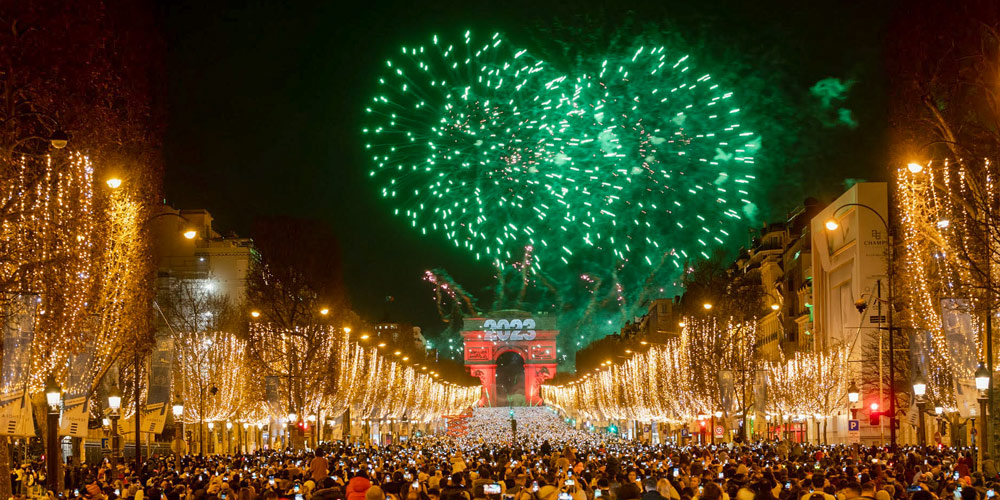
Looking Ahead: The Future of the Paris Tech Corridor
The momentum currently seen in Paris is not a fluke; it is the result of a decade of strategic investment and cultural change. As we look forward, the Parisian tech scene is likely to evolve from a “rising star” to a “dominant player.”
The next frontier for the city will be the integration of AI across its traditional industries. We are already seeing the “AI-fication” of the luxury sector, where Parisian brands are using machine learning for supply chain optimization and personalized customer experiences. Furthermore, as the European Union continues to lead the world in tech regulation, Paris will likely become the primary liaison between the tech world and the regulatory world.
In conclusion, “what’s happening in Paris” is a total reimagining of what a modern metropolis can be. It is a city that has successfully married its historical heritage with a forward-looking, high-tech ambition. For investors, developers, and entrepreneurs, the message is clear: the most interesting things in technology are no longer happening just in the valleys of California, but along the banks of the Seine. Paris is no longer just a city of light; it is a city of logic, code, and the future.
aViewFromTheCave is a participant in the Amazon Services LLC Associates Program, an affiliate advertising program designed to provide a means for sites to earn advertising fees by advertising and linking to Amazon.com. Amazon, the Amazon logo, AmazonSupply, and the AmazonSupply logo are trademarks of Amazon.com, Inc. or its affiliates. As an Amazon Associate we earn affiliate commissions from qualifying purchases.