
The word “booking” has evolved from a simple manual entry in a ledger to a complex, multi-layered digital ecosystem. In the modern tech landscape, “booking” refers to the seamless orchestration of data, APIs, and real-time synchronization that allows a user to secure a service—whether it be a flight, a hotel room, a doctor’s appointment, or a restaurant table—within milliseconds. Behind every “Confirm Reservation” button lies a sophisticated stack of technology that manages global inventory, processes secure payments, and utilizes artificial intelligence to predict consumer behavior.
As we move further into the decade, the technology powering these systems is undergoing a radical transformation. From the integration of decentralized ledgers to the implementation of hyper-personalized AI assistants, the infrastructure of “what’s booking” is being rewritten to be faster, more secure, and increasingly invisible to the end-user.
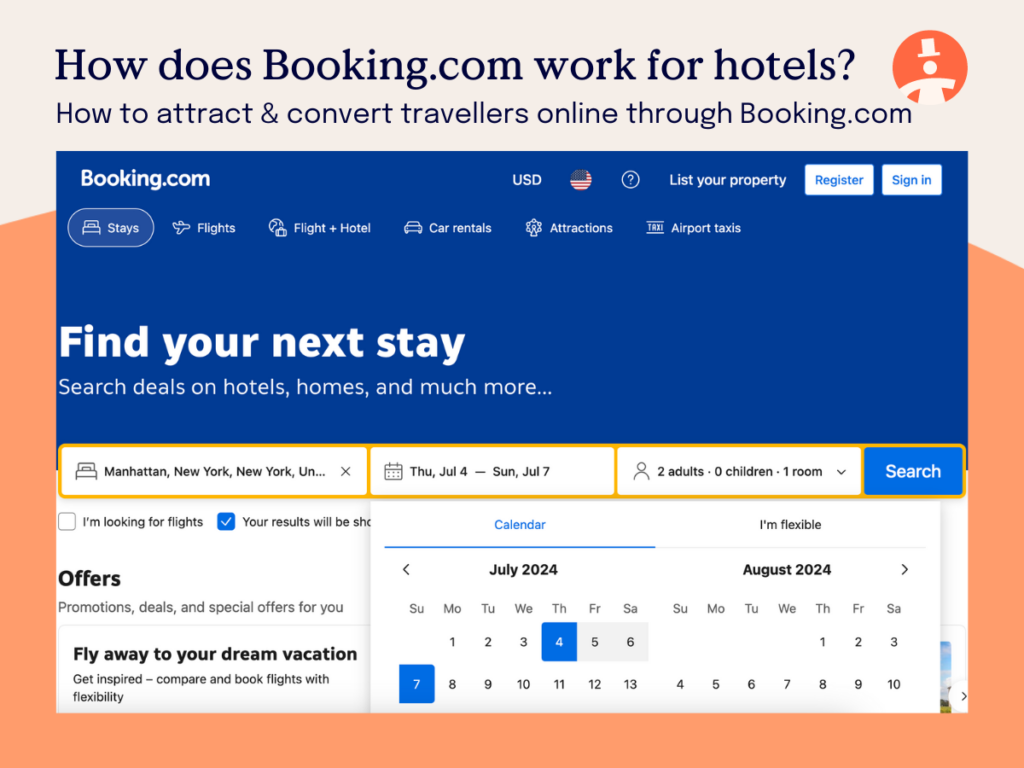
1. The Architecture of Modern Booking Engines
To understand the current state of booking technology, one must look beneath the user interface. Modern booking systems are no longer isolated databases; they are interconnected nodes in a global network. The transition from legacy on-premise servers to cloud-based microservices has fundamentally changed how availability is calculated and displayed.
The Role of APIs and GDS Integration
At the heart of global travel and hospitality booking are Global Distribution Systems (GDS) like Amadeus and Sabre. However, the modern tech stack relies heavily on Application Programming Interfaces (APIs). APIs act as the bridges between a service provider’s internal database and the consumer-facing platform. When a user searches for a flight on an aggregator, the system sends out thousands of API calls to various airlines and GDS providers to pull real-time pricing and availability. This “handshake” must happen with sub-second latency to prevent “ghost bookings”—situations where a user attempts to book a slot that was just filled by someone else on a different platform.
Real-Time Inventory Synchronization
The greatest technical challenge in booking is “concurrency.” In a high-traffic environment, thousands of users may be looking at the same single inventory item simultaneously. Tech developers use sophisticated locking mechanisms and “Optimistic Concurrency Control” to manage this. Cloud-native databases, such as Amazon DynamoDB or Google Cloud Spanner, allow for horizontal scaling, ensuring that the system can handle a surge in traffic during a flash sale without crashing or double-booking.
Microservices and Scalability
Traditional monolithic architectures have given way to microservices. In a microservices-based booking engine, the search function, the payment gateway, the notification system, and the inventory management are all separate entities. This modular approach allows developers to update the payment system or scale the search engine independently, leading to higher uptime and more resilient digital infrastructure.
2. The AI Revolution in Reservation Management
Artificial Intelligence (AI) and Machine Learning (ML) are no longer futuristic concepts in the booking space; they are the primary drivers of efficiency and revenue optimization. AI has shifted the booking experience from a reactive process to a predictive one.
Predictive Pricing and Demand Forecasting
One of the most visible applications of AI in booking is dynamic pricing. Algorithms analyze historical data, competitor pricing, weather patterns, and even local events to adjust prices in real-time. For instance, ride-sharing apps and hotel booking platforms use ML models to predict a surge in demand before it happens, allowing the system to adjust availability and pricing tiers automatically. This level of automation ensures that the platform remains profitable while maximizing inventory turnover.
Hyper-Personalization and Recommendation Engines
Modern booking platforms utilize collaborative filtering and deep learning to curate search results. Instead of showing every available option, the tech stack analyzes a user’s past behavior, search history, and demographic data to present the most relevant choices. If a user consistently books boutique hotels with high-speed Wi-Fi, the AI prioritizes those features in the search algorithm. This reduces “search friction,” leading to higher conversion rates and a more streamlined user experience.
Conversational AI and Natural Language Processing (NLP)
The rise of chatbots and voice-activated booking is driven by NLP. Advanced language models allow users to book services through simple text or voice commands. These AI agents can handle complex queries, such as “Find me a pet-friendly hotel in London for under $200 with a gym,” processing the request and executing the booking without the user ever touching a traditional search filter.
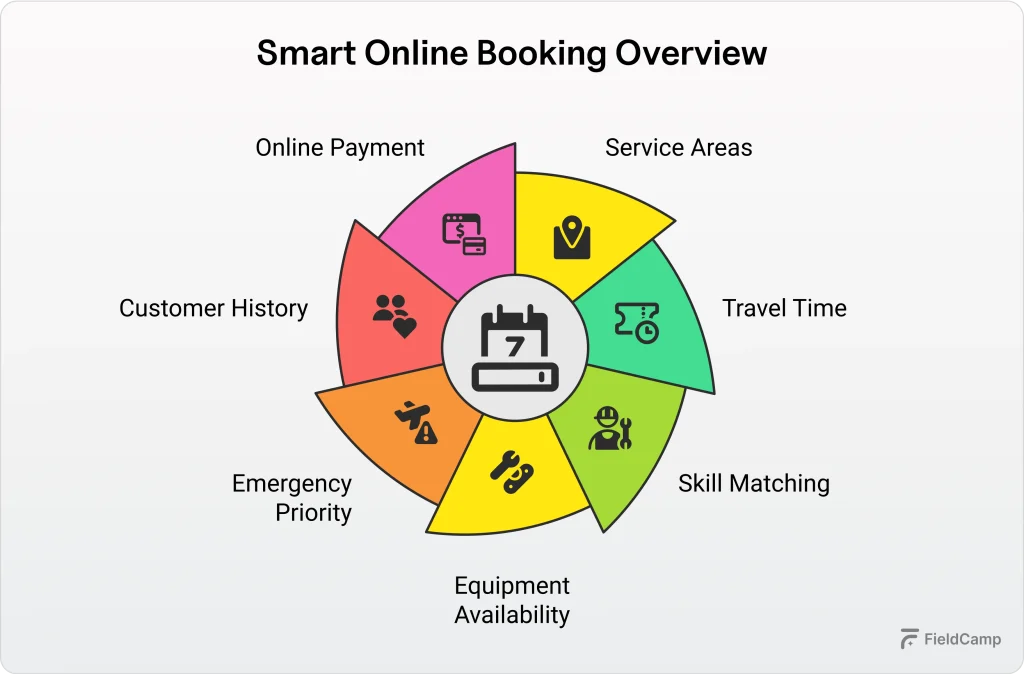
3. Digital Security and the Blockchain Frontier
As booking platforms handle immense amounts of Personal Identifiable Information (PII) and financial data, security has become the cornerstone of development. The tech industry is moving toward more robust encryption and, increasingly, exploring decentralized solutions.
Encryption and PCI Compliance
Security in booking starts with data in transit and data at rest. Modern platforms employ TLS 1.3 encryption for data transmission and sophisticated tokenization for payment processing. To meet Payment Card Industry Data Security Standard (PCI DSS) requirements, many booking engines never actually “see” the credit card numbers. Instead, they use tokens provided by gateways like Stripe or Adyen, ensuring that even in the event of a data breach, the sensitive financial information remains unreadable.
The Impact of Blockchain on Transparency
Blockchain technology is beginning to solve the long-standing issue of “overbooking” and transparency in the supply chain. By utilizing smart contracts, a booking can be recorded as a unique, immutable token on a ledger. This prevents a hotel or an airline from selling the same “seat” twice, as the blockchain acts as a single source of truth. Furthermore, decentralized booking platforms (dApps) are emerging that aim to remove the middleman, allowing service providers to connect directly with consumers while maintaining a secure, verifiable record of the transaction.
Identity Verification and Biometrics
The “Check-in” phase of booking is becoming increasingly digitized through biometric integration. Tech-forward platforms are incorporating facial recognition and digital ID verification into the booking flow. By the time a user arrives at their destination, their identity has already been verified via encrypted biometric hashes, allowing for a “frictionless” experience where the booking tech merges with physical access control systems (like digital room keys).
4. The Rise of Specialized SaaS and Mobile-First Platforms
The “what’s booking” question is increasingly answered by specialized Software as a Service (SaaS) products tailored for specific verticals. The move away from “one-size-fits-all” software has allowed for deeper integration and better user experiences.
Vertical-Specific Booking Engines
We are seeing a explosion in “niche” booking tech. Platforms like Mindbody for the wellness industry, OpenTable for restaurants, and Zocdoc for healthcare offer specialized features that a general booking engine cannot. These platforms integrate directly with the service provider’s operational software—managing staff schedules, patient records, or table layouts—creating a holistic ecosystem where the booking is just one part of the business logic.
Mobile-First and App-Integrated Experiences
In the current tech climate, a booking system that isn’t optimized for mobile is obsolete. Mobile-first design involves more than just a responsive layout; it includes integration with mobile wallets (Apple Pay/Google Pay), push notifications for reminders, and GPS-based services. Progressive Web Apps (PWAs) are also gaining traction, offering the speed of a native app with the accessibility of a web browser, ensuring that users can “book on the go” even with limited connectivity.
The Integration of AR and VR
Augmented Reality (AR) and Virtual Reality (VR) are starting to play a role in the “pre-booking” phase. Tech-savvy travel platforms now offer “virtual tours” of rooms or venues. By using a VR headset or an AR-enabled smartphone, a user can “walk through” a conference hall or a suite before committing to a booking. This immersive tech reduces the “uncertainty gap” and builds trust in the digital transaction.
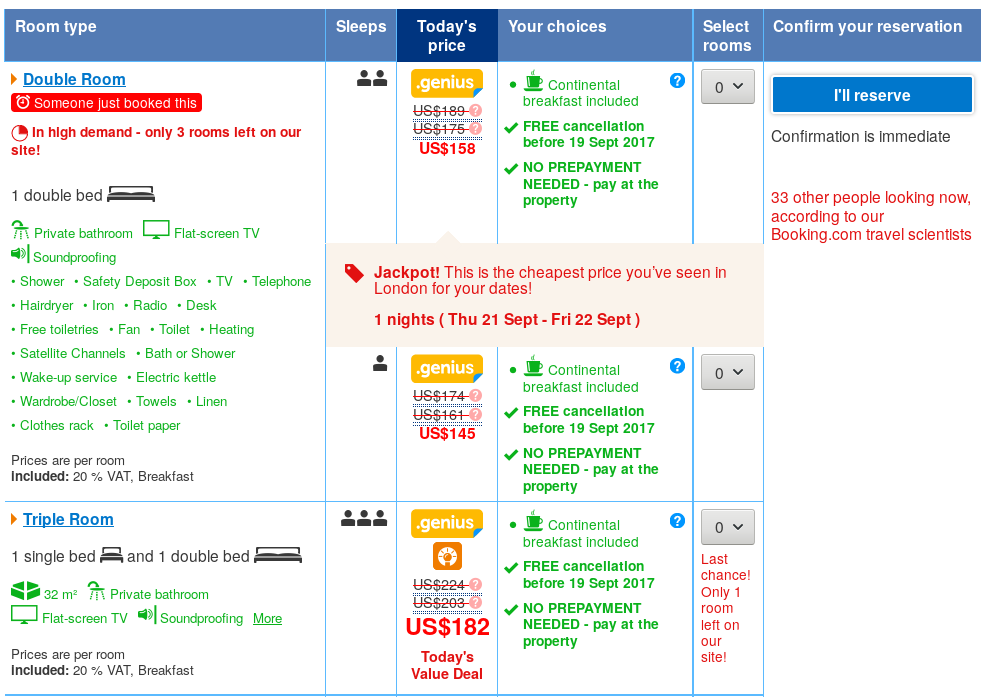
The Future of the “One-Click” Economy
The trajectory of booking technology is clear: it is moving toward a future of zero friction. We are entering an era of “anticipatory booking,” where AI systems, synced with our calendars and preferences, might suggest or even tentatively hold reservations before we even realize we need them.
The underlying tech—from the cloud infrastructure and API layers to the machine learning models and security protocols—is becoming more integrated and invisible. “What’s booking” today is no longer a simple task; it is a high-speed, data-driven performance that balances user convenience with enterprise-grade security. As 5G, edge computing, and further AI advancements take hold, the distance between the thought of a reservation and the confirmation of a booking will continue to shrink, further cementing the role of technology as the ultimate facilitator of our modern, on-demand lives.
aViewFromTheCave is a participant in the Amazon Services LLC Associates Program, an affiliate advertising program designed to provide a means for sites to earn advertising fees by advertising and linking to Amazon.com. Amazon, the Amazon logo, AmazonSupply, and the AmazonSupply logo are trademarks of Amazon.com, Inc. or its affiliates. As an Amazon Associate we earn affiliate commissions from qualifying purchases.