
The word “wench” conjures a complex tapestry of historical associations, often laden with negative and reductive connotations. For many, it immediately brings to mind images of subservient, often sexualized, female figures from centuries past. However, like many words, “wench” has undergone a semantic journey, its meaning shifting and evolving through time and cultural interpretation. Examining this evolution offers a compelling lens through which to understand the dynamics of linguistic branding, the construction of societal archetypes, and how perceived negative connotations can be recontextualized or even weaponized within different narratives. This exploration delves into the historical roots of the term, its problematic perpetuation, and its potential for reinterpretation, offering insights not just into language, but into the very nature of how we construct and perceive identities, both personal and societal.
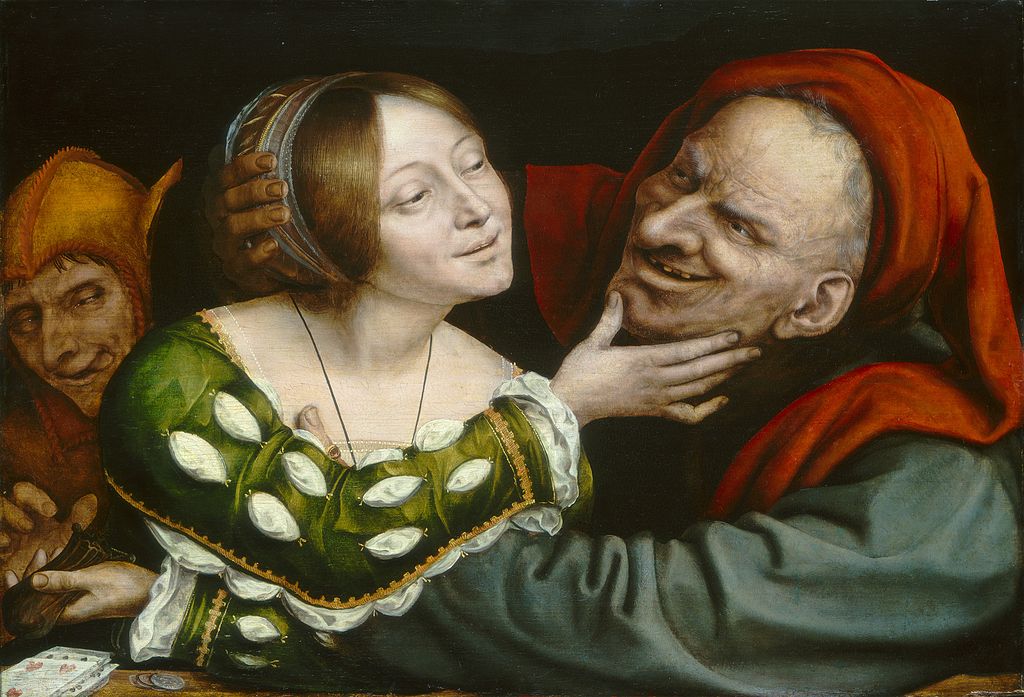
The Historical Genesis: From General Term to Social Stratification
At its core, understanding “wench” requires stepping back to its linguistic origins, where its initial meaning was far less charged than it is today. The word’s journey reveals how language, once a neutral descriptor, can become imbued with social, economic, and gendered implications over time, shaping perceptions and reinforcing societal hierarchies.
Early Meanings: Service and Youth
The term “wench” (Old English: wencel) originally referred to a child or a young girl, particularly one from the lower classes or a servant. It was a relatively neutral descriptor, akin to terms like “maid,” “lass,” or “girl.” In medieval and early modern England, it was commonly used to denote a female domestic servant, a scullery maid, or a young woman employed in manual labor. This usage was largely descriptive, reflecting the social and economic realities of the time, where a significant portion of the female population was engaged in service roles.
- The Language of Service: The prevalence of “wench” in this context highlights the societal structure that relied heavily on a class of female laborers. These women were integral to the functioning of households, from aristocratic manors to more modest dwellings. Their identity was often tied to their occupation and social standing rather than individual characteristics.
- Gender and Class Intertwined: The term underscored the intersection of gender and class. While “boy” or “lad” might have been used for young males in similar situations, “wench” specifically marked a young female in a subordinate position. This linguistic distinction contributed to the solidification of gendered roles within the labor force and broader society.
- Lack of Overtly Negative Connotation (Initially): It is crucial to note that in its earliest forms, “wench” did not inherently carry the deeply negative or sexualized connotations it acquired later. Its primary function was to identify a young female, often in a capacity of service or in a general sense of youth. The later evolution of its meaning is a testament to how societal attitudes and power dynamics can reshape linguistic landscapes.
The Shift: From Youth to Sexualized Stereotype
The semantic drift of “wench” began to accelerate from the late medieval period onwards, particularly with the rise of broader literacy and the burgeoning of certain literary genres. As society evolved, so did the language used to describe its inhabitants, and “wench” began to acquire layers of meaning that were less neutral and more loaded with social judgment and patriarchal assumptions.
- The Rise of Patronizing Language: By the Renaissance and into the Jacobean era, “wench” started to be used in a more patronizing or even dismissive manner. It could imply a certain lack of refinement, social grace, or intelligence, often directed at women of lower social standing. This shift mirrored broader societal attitudes that often viewed women, especially those without aristocratic lineage or significant education, with a degree of suspicion or condescension.
- Literary Representations and Archetypes: Literature played a significant role in solidifying and propagating the evolving meaning of “wench.” Playwrights and authors, in their efforts to depict realistic social settings or to create stock characters, frequently employed “wench” to represent a particular type of woman: often vivacious, perhaps a bit coarse, and frequently associated with taverns, inns, or lower-class establishments. These portrayals, while potentially reflecting some societal observations, also began to shape and solidify a specific archetype.
- Emergence of Sexual Undertones: The most significant transformation occurred with the gradual infusion of sexual undertones into the word’s usage. While not always explicit, “wench” began to be associated with promiscuity, lack of virtue, or a general availability that was deemed undesirable by patriarchal norms. This sexualization, often linked to the female servant or tavern worker archetype, became a powerful tool for societal control and the reinforcement of notions of female chastity and propriety. The term started to serve as a convenient, albeit derogatory, label for women who did not conform to idealized standards of female behavior.
Perpetuation and Problematization: The Lingering Shadow of “Wench”
The negative and often sexualized connotations of “wench” became deeply entrenched in popular culture and societal discourse. This perpetuation was driven by a combination of historical literary traditions, the lingering impact of patriarchal attitudes, and the eventual appropriation of the term in contexts that amplified its derogatory potential.
The Double Standard in Language
The evolution of “wench” exemplifies a broader pattern of linguistic inequality, where derogatory terms for women often carry stronger sexual implications than their male counterparts. While terms for men might denote boisterousness or a lack of refinement, terms like “wench” often carried an immediate and unavoidable association with sexual impropriety or subjugation.
- Mirroring Societal Power Imbalances: This linguistic disparity is not arbitrary; it reflects deeply ingrained societal power imbalances. For centuries, women’s sexuality has been a focal point of social control and moral judgment. Words that disparaged women’s sexual agency or perceived their sexual availability as a mark of low character served to reinforce patriarchal structures that sought to confine women to specific roles and to police their behavior.
- The “Good Girl” vs. the “Bad Woman”: The term “wench,” in its most problematic usage, often served to categorize women into a binary of acceptable or unacceptable. The “good girl” was chaste and demure, while the “wench” was her antithesis – seen as overly familiar, morally suspect, and sexually available, thus justifying her lower social standing and reduced rights.
- Dehumanization Through Labeling: By reducing a woman to a label like “wench,” her individuality, her agency, and her humanity were stripped away. She became an archetype, a caricature, defined solely by a set of negative assumptions. This dehumanization made it easier to marginalize, exploit, or dismiss women who did not fit societal expectations.
“Wench” in Popular Culture and Media

The persistent presence of “wench” in literature, theater, and later, film and television, has played a crucial role in embedding its negative connotations into the collective consciousness. These portrayals, often superficial and anachronistic, have continued to shape perceptions, even in modern times.
- Stock Characters and Tropes: From Shakespearean comedies to historical dramas and fantasy epics, the “tavern wench” or the “feisty wench” became a recurring stock character. While sometimes intended to add color or humor, these portrayals often relied on simplistic stereotypes, reinforcing the idea of the sexually available, lower-class woman.
- Reinforcing Stereotypes in Modern Media: Even in contemporary media, the term or its archetypal representation can surface, consciously or unconsciously. Modern interpretations might aim for subversion, but the underlying historical weight of the word can still evoke its problematic origins, leading to misunderstandings or reinforcing old biases.
- The “Pirate Wench” Phenomenon: A notable example of the term’s popular cultural afterlife is the “pirate wench” trope. While seemingly an empowering reclamation for some, it often reduces female pirates to a sexually charged, subordinate role within a male-dominated fantasy. This highlights how even in contexts of supposed rebellion or adventure, the historical baggage of the term can persist.
The Harm of Linguistic Misappropriation
Beyond its historical context, the casual or intentional misuse of “wench” continues to cause harm by perpetuating offensive stereotypes. Its association with subservience and sexualization can be deeply hurtful, contributing to a culture where women are judged or dismissed based on simplistic and often misogynistic labels.
- Reducing Women to Objects: When used to describe a woman today, “wench” often serves to objectify her, reducing her to a sexual caricature or a symbol of subservience. This is particularly damaging as it ignores her agency, her intellect, and her complex identity.
- The Perpetuation of Misogyny: The continued use of such terms, even in jest, can normalize misogynistic attitudes. It signals that it is acceptable to demean or belittle women using language that carries historical weight of oppression and objectification.
- Impact on Self-Perception: For women who are subjected to such labels, the impact can be profound. It can lead to feelings of shame, insecurity, and a sense of being misunderstood or unfairly judged. Language has power, and the power of “wench” has historically been used to disempower.
Reclaiming and Reinterpreting: The Shifting Sands of Meaning
While the term “wench” carries a significant burden of negative history, language is not static. The evolution of meaning, particularly in more recent times, suggests a potential for reinterpretation and even a subversion of its original derogatory intent. This capacity for linguistic reclamation offers a fascinating insight into how societies grapple with their past and reshape their present through language.
Subcultural Reappropriation and Playful Usage
In certain subcultures and specific contexts, “wench” has been reappropriated, stripped of its most damaging connotations and imbued with new meanings. This often involves a conscious effort to reclaim power or to inject humor and irony into its usage.
- The Modern Witch and Feminist Circles: Within some modern pagan and witchcraft communities, the term “witch” itself was historically used disparagingly. Similarly, “wench” has seen some playful reappropriation, often used with a wink and a nod, to denote a strong, independent, or spirited woman, reclaiming a sense of agency that was denied by its original usage. It becomes a form of defiant linguistic play.
- Irony and Satire: In contemporary literature, film, and online discourse, “wench” can be employed ironically or satirically. When used in this way, the audience is expected to understand the historical context but also recognize that the term is being used to critique or comment upon that history, rather than to endorse it. This requires a sophisticated understanding of language and its evolution.
- A Nod to Historical Authenticity (with caveats): In certain historical reenactment groups or themed events, the term might be used to evoke a specific historical period. However, even in these contexts, there’s a growing awareness of the term’s problematic nature, and its use is often carefully considered and contextualized to avoid causing offense.
The Power of Context and Intent
The key to understanding the contemporary usage of “wench,” and indeed any word with a loaded history, lies in its context and the intent behind its utterance. The same word can be deeply offensive when used with malice or ignorance, yet can be a tool of empowerment or ironic commentary when wielded with careful consideration.
- Distinguishing Abuse from Reclamation: It is crucial to differentiate between the malicious use of “wench” to demean and oppress women, and its reappropriation within specific communities for ironic or empowering purposes. The intent behind the word’s deployment is paramount.
- Audience Awareness: Effective linguistic reclamation relies heavily on the awareness of the intended audience. If the audience understands the historical baggage and the intended subversion, the term can function differently. However, if the audience is unaware or the intent is misinterpreted, the harm can be amplified.
- The Nuance of Linguistic Evolution: Language is fluid. While we cannot erase the problematic history of “wench,” we can acknowledge its evolution. Understanding its journey from a neutral term to a loaded one, and now to a term that can be reinterpreted, allows for a more nuanced appreciation of how words acquire and shed meaning.

Moving Forward: Vigilance and Nuanced Understanding
Ultimately, the word “wench” serves as a potent reminder of the power of language and the importance of mindful communication. Its history is a cautionary tale about how societal biases can be embedded in our vocabulary, shaping perceptions and perpetuating harmful stereotypes. As we navigate modern discourse, a nuanced understanding of such terms is essential.
- Challenging Offensive Language: We must remain vigilant in challenging the use of “wench” and similar terms when they are employed in their original, derogatory sense. This requires education, open dialogue, and a willingness to call out misogyny and disrespect.
- Appreciating Linguistic Complexity: Simultaneously, we can appreciate the complexity of linguistic evolution. Recognizing that words can be reinterpreted and reclaimed allows for a more dynamic understanding of language, rather than a rigid adherence to outdated or oppressive meanings.
- The Enduring Impact of “Wench”: The journey of “wench” from a simple descriptor of youth and service to a term loaded with centuries of negative baggage is a compelling narrative. It underscores how words are not just tools for communication, but also reflections of societal values, power structures, and historical consciousness. As we continue to evolve, so too will our language, and understanding the past of words like “wench” is vital to shaping a more equitable and respectful linguistic future.