
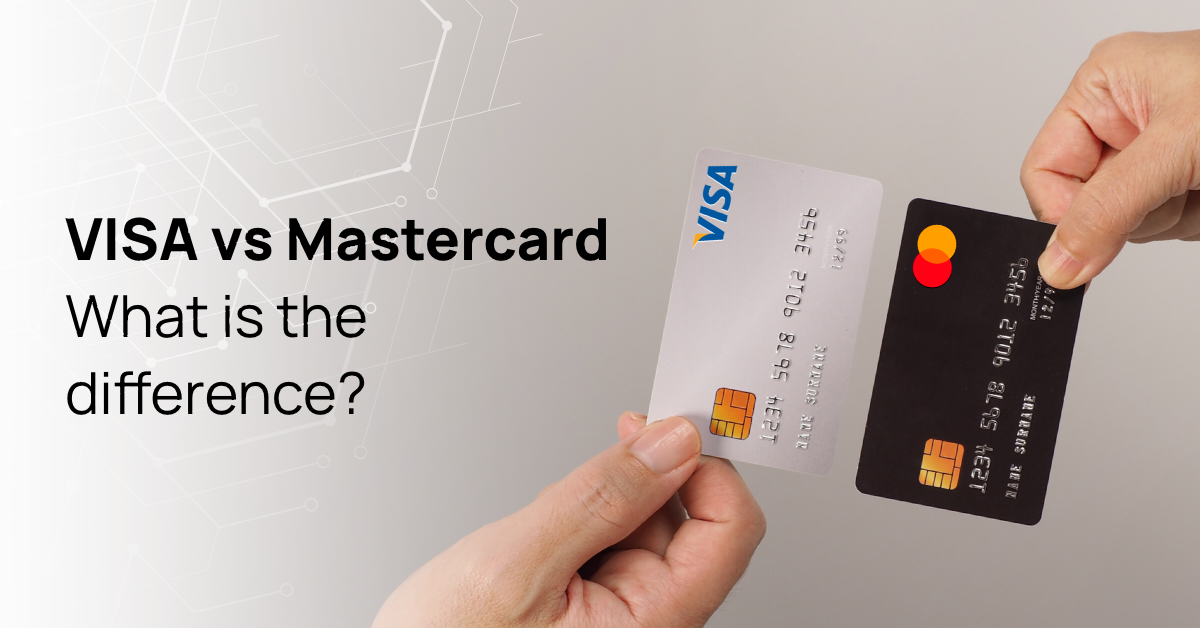
A Visa card, often seen as just another piece of plastic in our wallets, is in reality a cornerstone of the modern financial ecosystem. It’s a payment network, a facilitator, and a gateway to a world of commerce that transcends physical boundaries. Understanding what a Visa card truly is, how it functions, and its significance in our daily lives is crucial for navigating the increasingly digital landscape of personal finance. This article will delve into the intricacies of Visa cards, exploring their operational mechanics, the diverse types available, and their fundamental role in shaping how we spend, save, and manage our money.
The Engine Behind Every Transaction: How Visa Works
At its core, a Visa card is not a direct line of credit or a debit account in itself. Instead, it’s a proprietary payment network that facilitates transactions between consumers, merchants, and financial institutions. When you swipe, insert, or tap your Visa card, a complex yet remarkably swift process is initiated, connecting various parties to ensure that funds are transferred accurately and securely.
The Players in the Payment Game
To understand how Visa works, it’s essential to identify the key entities involved:
- The Cardholder: This is you, the individual who possesses the Visa card and uses it to make purchases.
- The Merchant: The business or individual accepting the Visa card as a form of payment.
- The Issuing Bank (Acquirer): This is the financial institution (e.g., a bank or credit union) that issued the Visa card to the cardholder. They are responsible for managing the cardholder’s account, including providing credit (for credit cards) or deducting funds (for debit cards).
- The Acquiring Bank (Merchant Bank): This is the financial institution that the merchant uses to process credit and debit card transactions. They are responsible for depositing funds from approved transactions into the merchant’s account.
- Visa (The Network): Visa acts as the intermediary, the technological backbone that routes transaction information between the issuing bank and the acquiring bank. Visa does not issue cards directly, nor does it approve or deny transactions itself. Instead, it provides the secure infrastructure and protocols that allow these other entities to communicate.
The Transactional Journey: From Swipe to Settlement
The lifecycle of a Visa transaction is a marvel of speed and efficiency. It typically unfolds in these steps:
- Initiation: When you present your Visa card for payment, the merchant’s point-of-sale (POS) terminal or online payment gateway captures your card information. This includes the card number, expiration date, and security code (CVV).
- Authorization Request: The acquiring bank receives this information and forwards it, via the Visa network, to the issuing bank.
- Issuing Bank Verification: The issuing bank receives the authorization request. They then check several factors:
- Card Validity: Is the card active and not reported lost or stolen?
- Account Status: Is the account in good standing?
- Available Credit/Funds: For credit cards, is there sufficient available credit? For debit cards, are there sufficient funds in the linked bank account?
- Fraud Detection: Sophisticated algorithms analyze the transaction for any suspicious patterns that might indicate fraud.
- Authorization Response: Based on these checks, the issuing bank approves or declines the transaction. This decision is sent back through the Visa network to the acquiring bank, and finally to the merchant’s terminal. This entire process typically takes just a few seconds.
- Merchant Confirmation: If approved, the merchant completes the sale.
- Settlement: At the end of a business day, the merchant submits all their approved transactions to their acquiring bank for settlement. The acquiring bank then facilitates the transfer of funds from the issuing banks, through the Visa network, to the merchant’s account. Visa charges fees to both the issuing and acquiring banks for using its network.
This seamless flow of information and funds, powered by Visa’s robust technological infrastructure, is what makes everyday purchases possible and convenient.
Beyond the Basic Card: Understanding the Spectrum of Visa Products
While the fundamental operation remains consistent, Visa offers a wide array of card products tailored to meet diverse consumer needs and spending habits. These variations are primarily differentiated by their associated benefits, rewards programs, and the terms and conditions set by the issuing banks.
Credit Cards: Accessing Credit for Purchases
Visa credit cards are perhaps the most ubiquitous. They allow cardholders to make purchases on credit, essentially borrowing money from the issuing bank, which must be repaid later, often with interest if not paid in full by the due date.
- Rewards Cards: These cards offer incentives for spending, such as cashback, travel miles, or points that can be redeemed for merchandise or discounts. The value of rewards often depends on the spending categories and the cardholder’s spending patterns.
- Travel Cards: Designed for frequent travelers, these cards often boast perks like airline miles, hotel points, airport lounge access, travel insurance, and no foreign transaction fees.
- Cashback Cards: These cards provide a percentage of your spending back to you as cash or statement credit, making them popular for everyday purchases.
- Balance Transfer Cards: These cards offer a promotional period with a low or 0% Annual Percentage Rate (APR) on transferred balances from other credit cards, allowing cardholders to consolidate debt and save on interest.
- Secured Credit Cards: For individuals with limited or poor credit history, secured cards require a cash deposit that typically equals the credit limit. This deposit serves as collateral, reducing the risk for the issuing bank and helping individuals build credit.
Debit Cards: Direct Access to Your Funds
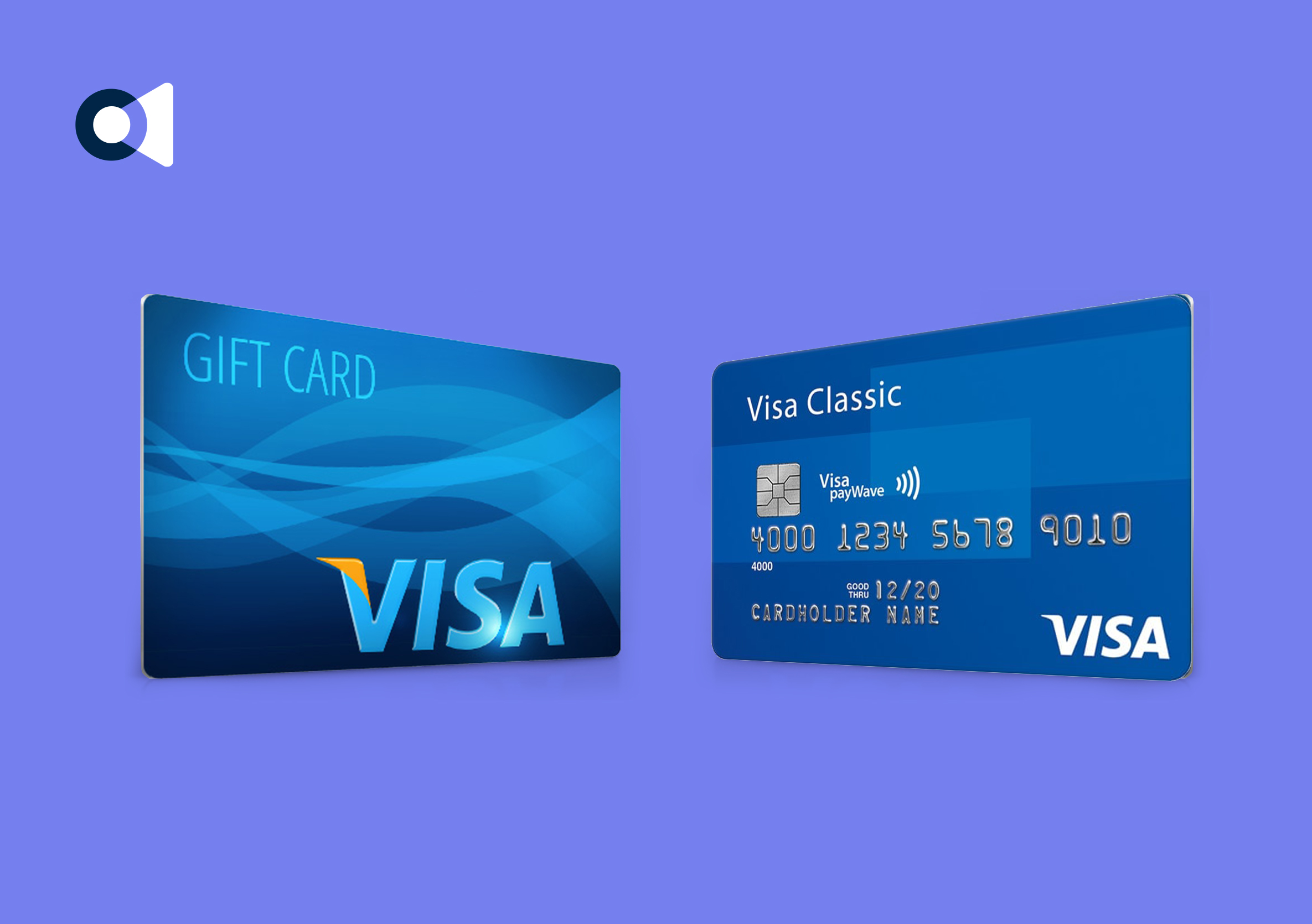
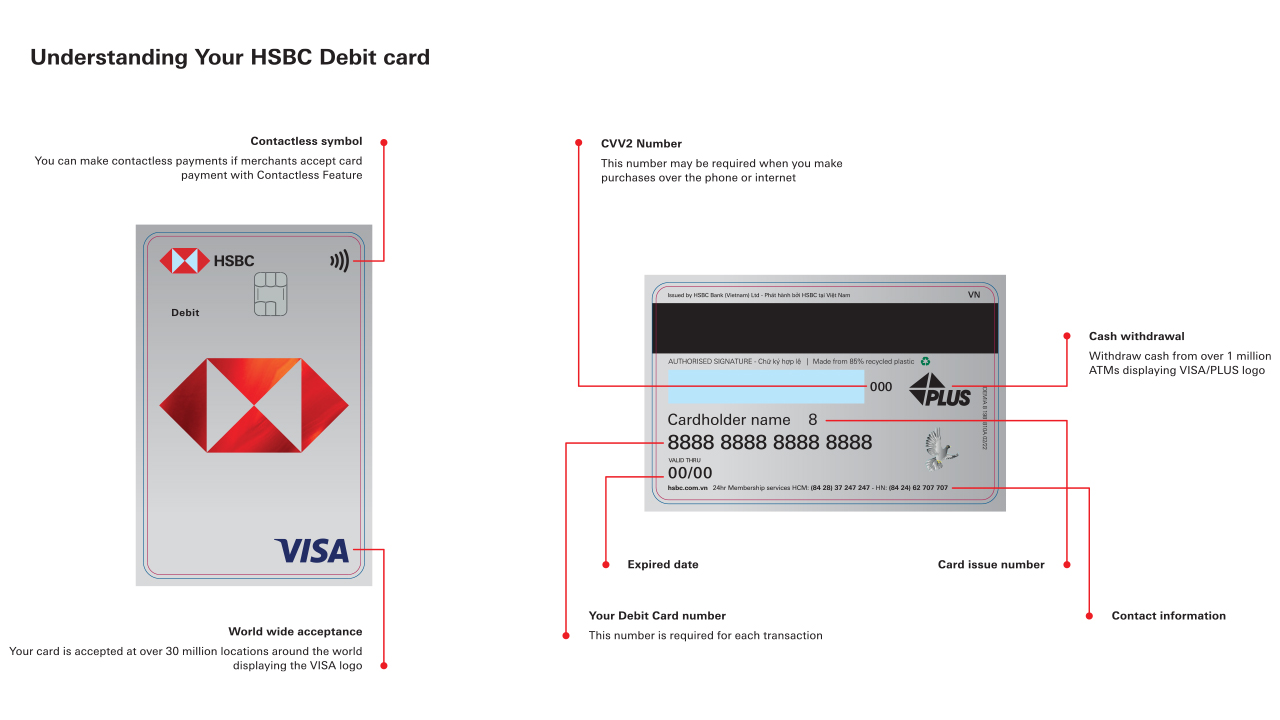
Visa debit cards are linked directly to a cardholder’s bank account (checking or savings). When a purchase is made with a debit card, the funds are immediately deducted from the linked account.
- Convenience and Control: Debit cards offer the convenience of plastic payments without the accumulation of debt. They provide a clear way to track spending as transactions directly impact your available balance.
- ATM Access: Debit cards also function as ATM cards, allowing for cash withdrawals and account inquiries.
- PIN vs. Signature: Transactions can be authorized using a Personal Identification Number (PIN) or by signing, depending on the merchant and transaction type. PIN-based transactions often carry lower processing fees for merchants.
Prepaid Cards: Pre-Loaded Spending Power
Visa prepaid cards are loaded with a predetermined amount of money. Once the balance is depleted, the card can be reloaded, or it becomes unusable until replenished.
- Budgeting Tool: They are excellent for managing budgets, controlling spending, and for individuals who prefer not to use credit or link directly to a bank account.
- Gift Cards: Many gift cards are issued on the Visa network, allowing recipients to spend the gifted amount at any merchant that accepts Visa.
- Temporary Use: Prepaid cards are also useful for online purchases where users want to limit their exposure or for individuals without traditional bank accounts.
The Enduring Significance of Visa in the Digital Economy
Visa’s influence extends far beyond simply processing transactions. It plays a pivotal role in shaping the digital economy, fostering innovation, and enabling global commerce. Its extensive network, commitment to security, and constant evolution have cemented its position as a vital component of modern financial infrastructure.
Driving E-commerce and Global Reach
The advent of e-commerce would have been significantly hampered without robust and secure payment networks like Visa. Visa cards provide a universally recognized and trusted method for consumers to purchase goods and services online, regardless of geographical location.
- Facilitating Cross-Border Transactions: Visa’s global infrastructure enables seamless international payments, allowing businesses to reach a wider customer base and consumers to access products and services from around the world.
- Empowering Small Businesses: By providing access to secure payment processing, Visa empowers small businesses to participate in the digital marketplace, expand their reach, and increase their revenue streams.
Innovation and Future of Payments
Visa is not static; it continuously invests in technology and partnerships to stay at the forefront of payment innovation.
- Contactless Payments: Visa pioneered and championed contactless payment technology (tap-to-pay), enhancing convenience and speed for consumers.
- Mobile Payments: Visa plays a key role in enabling mobile payment solutions like Apple Pay and Google Pay, allowing users to make purchases using their smartphones and other devices.
- Tokenization and Security: Visa employs advanced security measures like tokenization, which replaces sensitive card data with a unique digital identifier, significantly reducing the risk of fraud.
- Exploring Blockchain and Digital Currencies: While its primary focus remains on traditional payment rails, Visa actively explores the potential of emerging technologies like blockchain and digital currencies to further enhance payment systems.
Financial Inclusion and Accessibility
Visa’s widespread acceptance contributes to financial inclusion by providing access to digital payments for a vast segment of the population.
- Bridging the Gap: For individuals in regions with less developed banking infrastructure, Visa-branded cards can serve as a crucial link to the global economy.
- Promoting Digital Literacy: The use of Visa cards encourages digital literacy and familiarity with online financial tools, which are increasingly essential in the modern world.
In conclusion, a Visa card is far more than a mere payment instrument. It is a testament to technological ingenuity, a facilitator of global commerce, and a critical enabler of the digital economy. Understanding its intricate workings, the diversity of its offerings, and its profound significance provides valuable insight into the financial tools that shape our daily lives and empower us to participate fully in the interconnected world of finance.
aViewFromTheCave is a participant in the Amazon Services LLC Associates Program, an affiliate advertising program designed to provide a means for sites to earn advertising fees by advertising and linking to Amazon.com. Amazon, the Amazon logo, AmazonSupply, and the AmazonSupply logo are trademarks of Amazon.com, Inc. or its affiliates. As an Amazon Associate we earn affiliate commissions from qualifying purchases.