
In an age where technology seamlessly integrates into our hobbies and daily lives, the pursuit of hidden treasures has evolved far beyond a simple stick and shovel. Modern metal detectors are sophisticated gadgets, blending cutting-edge technology with user-friendly interfaces to uncover everything from ancient relics to lost jewelry, and even valuable natural gold. But with a bewildering array of models, features, and price points, discerning “what’s a good metal detector” can be a daunting task for both aspiring treasure hunters and seasoned prospectors alike.
A truly “good” metal detector isn’t a one-size-fits-all solution; it’s a harmonious blend of advanced technology, reputable branding, and a keen understanding of your specific needs and budget. This comprehensive guide will navigate the intricate world of metal detecting, helping you cut through the noise to find the perfect device that will elevate your treasure-hunting adventures.
Understanding the Tech Behind a “Good” Detector
At its heart, a metal detector is a marvel of technology. It utilizes electromagnetic fields to detect metallic objects buried beneath the surface. However, the sophistication and effectiveness of this process vary significantly between models, directly impacting what you can find and where. Understanding these technological nuances is paramount to making an informed decision.
Core Technologies: VLF vs. PI vs. Multi-frequency
The foundational technology of a metal detector largely dictates its performance characteristics:
- Very Low Frequency (VLF): VLF detectors are the most common and versatile type, ideal for general coin, jewelry, and relic hunting. They operate by transmitting a continuous electromagnetic field and analyzing the phase shift and amplitude of the returning signal, which changes when metal is present. A key advantage of VLF is its discrimination capability, allowing users to differentiate between various types of metals (e.g., iron vs. non-ferrous metals like gold and silver). This means you can often filter out unwanted trash targets. However, VLF detectors can struggle in highly mineralized ground, where the ground itself creates a strong signal that can mask targets. Modern VLF detectors incorporate advanced ground balancing features to mitigate this, but it remains a consideration.
- Pulse Induction (PI): PI detectors operate differently. They send out brief, powerful pulses of current into the ground. When the pulse ends, the magnetic field reverses and collapses very quickly, generating a brief “echo” if metal is present. PI technology is less affected by ground mineralization, making them superb for beach hunting (especially wet sand and saltwater) and gold prospecting in highly mineralized soil. Their drawback is generally poor discrimination, meaning they often pick up all metal types, including trash. While some advanced PI units offer limited discrimination, they are primarily for finding anything metal, deep and in challenging conditions.
- Multi-frequency: This represents a significant leap in metal detecting technology, combining the strengths of VLF and, in some cases, PI. Instead of operating on a single frequency, multi-frequency detectors transmit and receive multiple frequencies simultaneously or sequentially. This allows them to achieve better target separation, improved depth, and superior performance across diverse ground conditions (including wet sand) compared to single-frequency VLF machines, often with excellent discrimination. Brands like Minelab have pioneered this with technologies like Multi-IQ and FBS2, making their detectors highly sought after for their versatility and performance.
Key Technical Features to Look For
Beyond the core technology, a good metal detector will boast a suite of features that enhance its usability and effectiveness:
- Operating Frequency (for VLF): Lower frequencies (e.g., 3-8 kHz) are generally better for detecting larger, deeper targets and highly conductive metals like silver. Higher frequencies (e.g., 15-70 kHz) are more sensitive to smaller targets, low-conductive metals, and natural gold nuggets. Many advanced VLF detectors offer multiple selectable frequencies to cater to different targets and conditions.
- Ground Balance: This crucial feature allows the detector to ignore the mineralization in the soil, which can interfere with detection and cause false signals. Manual ground balance requires user input, while automatic ground balance adjusts continually as you sweep. Auto-tracking ground balance is ideal for beginners and rapidly changing ground conditions.
- Discrimination and Notch Filters: Discrimination allows you to reject unwanted targets (like iron nails or pull-tabs) and focus on desirable ones. Notch filters let you selectively eliminate specific ranges of conductivity, offering fine-tuned control over what your detector responds to. A good detector offers adjustable discrimination levels.
- Sensitivity/Depth Control: This setting adjusts the detector’s power and ability to pick up faint signals. Higher sensitivity means greater depth but can also lead to more false signals in noisy environments. The ability to adjust sensitivity is key for adapting to different hunting grounds.
- Target ID (VDI Numbers): Many modern detectors provide a visual Target ID (often a numerical value or a segment on a display) that helps estimate the probable identity of the buried object before you dig. This is a significant time-saver and reduces unnecessary digging.
- Audio Tones: Different audio tones for different target types (e.g., low tone for iron, high tone for silver) provide crucial auditory cues, allowing you to interpret signals without constantly looking at the display. Multi-tone systems are highly valued by experienced users.
- Waterproofing/Weather Resistance: For beach hunters, shallow water hunters, or those who detect in all weather conditions, a waterproof coil or a fully submersible unit is essential. Check the IP rating (Ingress Protection) for specific resistance levels.
- Ergonomics and Weight: A good detector should be comfortable to swing for extended periods. Look for adjustable shafts, padded armrests, and a balanced weight distribution. Lighter detectors reduce fatigue.
- Battery Life and Type: Consider battery type (AA, Li-Ion, rechargeable) and typical operating hours. Good battery life is crucial for long detecting sessions.
- Connectivity (Wireless Headphones, Apps, GPS): Modern “tech-forward” detectors often integrate with wireless headphones for clearer audio and freedom of movement. Some offer smartphone app connectivity for mapping finds, adjusting settings, or firmware updates. Built-in GPS can automatically log your search paths and mark find locations. These features directly leverage the “Technology Trends” and “Apps” aspect of our website’s focus.
Coil Considerations
The search coil is the “eyes and ears” of your detector. Its size and shape significantly impact performance:
- Concentric Coils: Offer good target separation and pinpointing, but can struggle with ground mineralization.
- DD (Double-D) Coils: Excellent at handling mineralization, provide a wider sweep pattern, and maintain better depth across the entire sweep. They are generally preferred for most applications.
- Monoloop Coils (for PI detectors): Unique to PI machines, offering great depth and sensitivity to small targets in mineralized ground.
- Coil Size: Smaller coils (4-8 inches) are sensitive to small targets, excel in trashy areas (better target separation), and maneuver well in tight spaces. Larger coils (10-15+ inches) provide greater depth and cover more ground per sweep but can struggle with target separation in highly cluttered areas and be less sensitive to very small items. Many detectors come with a versatile medium-sized coil (e.g., 11-inch DD), but the ability to swap coils for specific hunting conditions is a significant advantage.
The Brand Factor: Reputation, Innovation, and Support
In the realm of gadgets and technology, brand reputation often correlates with quality, innovation, and reliable customer service. Metal detectors are no exception. Choosing a detector from a reputable brand can save you headaches in the long run and ensure you have access to the latest advancements and reliable support. This ties directly into the “Brand Strategy” and “Reputation” aspects of our website.
Leading Brands in the Metal Detecting World
Several manufacturers have consistently delivered high-quality, innovative metal detectors:
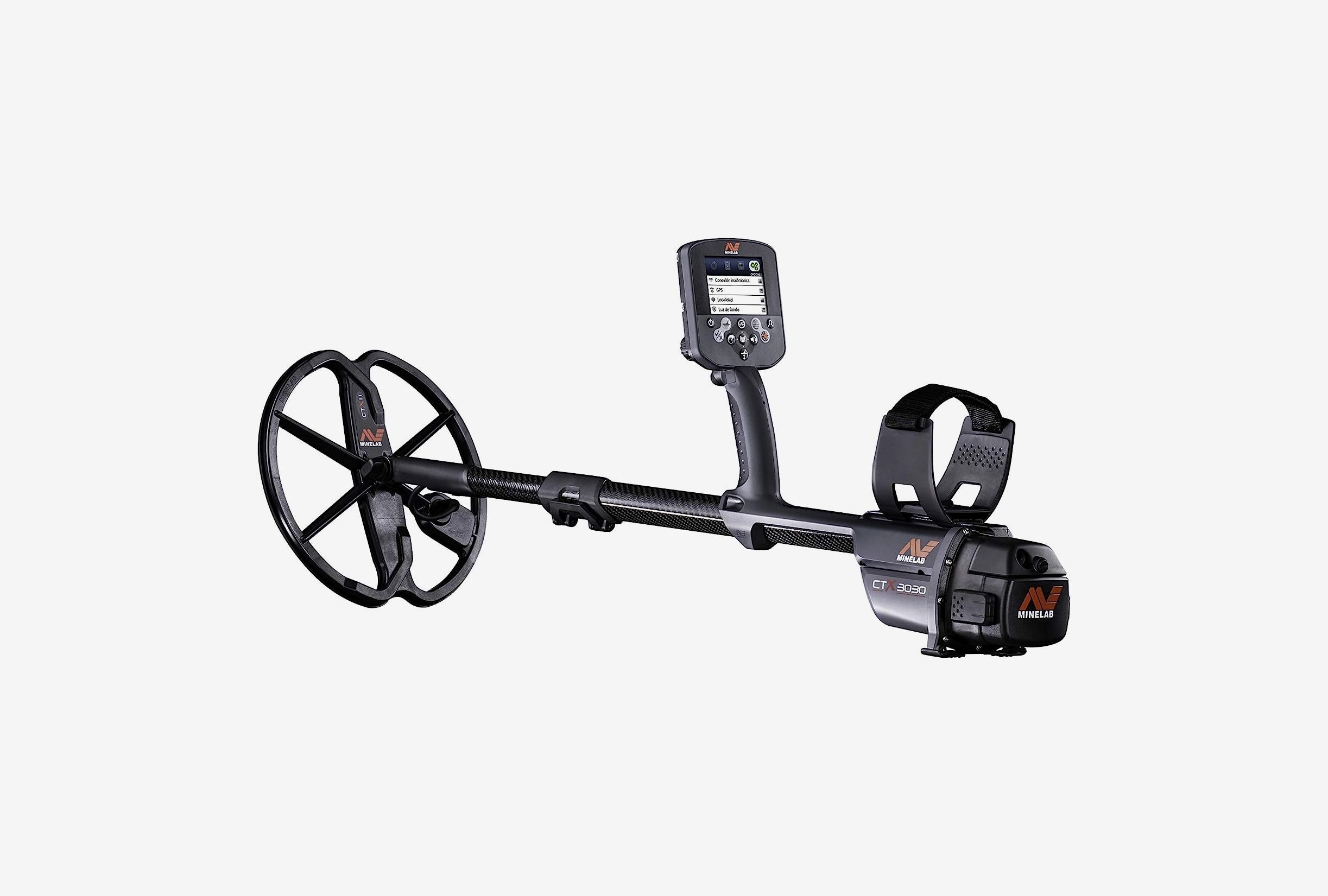
- Minelab: An Australian powerhouse, Minelab is renowned for its advanced multi-frequency technologies (FBS, FBS2, Multi-IQ, ZVT). They are often considered premium, offering detectors that excel in depth, target separation, and performance across diverse conditions, particularly for gold prospecting and beach hunting. Models like the Equinox series, Manticore, and GPX series are industry benchmarks.
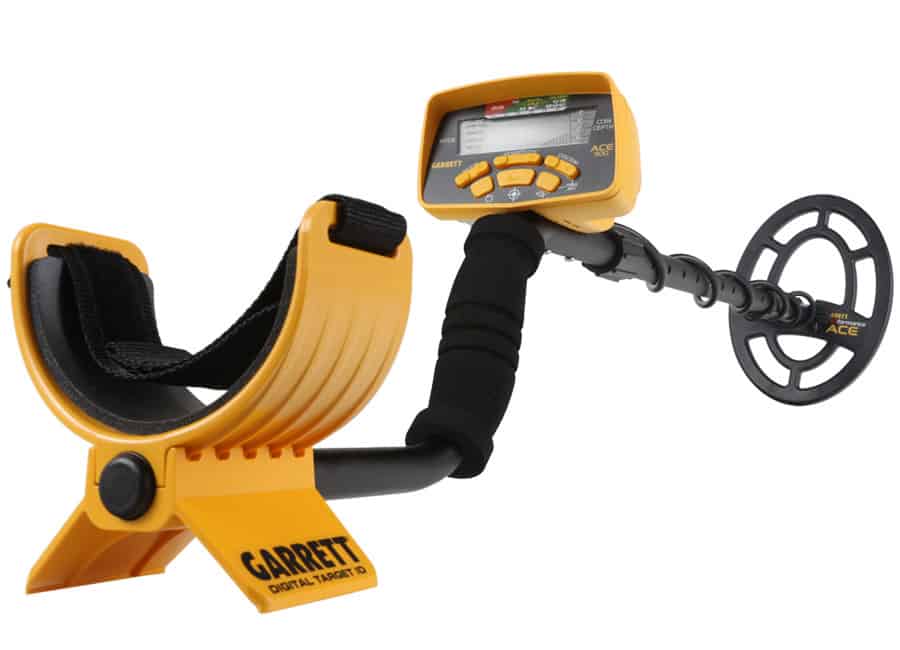
- Garrett: An American company with a long history, Garrett is famous for its robust, user-friendly, and reliable detectors. They offer a range from beginner-friendly models (e.g., Ace series) to professional-grade machines (e.g., AT Pro, AT Max, Apex). Garrett detectors are known for their durability and excellent customer support.
- Nokta Makro: A Turkish brand that has rapidly gained popularity due to its aggressive innovation, competitive pricing, and feature-rich detectors. They offer excellent waterproof options (e.g., Legend, Simplex+, Anfibio Multi) that perform exceptionally well for their price point. Nokta Makro is a strong contender for those seeking high performance without breaking the bank.
- XP Metal Detectors: A French manufacturer known for its lightweight, wireless, and technologically advanced machines like the XP Deus and ORX. These detectors offer unparalleled adjustability, fast recovery speed, and a unique modular design, making them a favorite among experienced users and relic hunters.
- Fisher Labs: One of the oldest names in the industry, Fisher has a strong legacy of producing reliable detectors. Their models (e.g., F75, F22) are known for good performance and value.
When considering a brand, look beyond just the product; investigate their commitment to innovation, frequency of firmware updates (for digital detectors), and their standing within the global metal detecting community.
The Importance of Warranty and Customer Service
A “good” detector is not just about its initial performance; it’s also about the peace of mind that comes with your purchase. A strong warranty (typically 2-5 years) indicates a manufacturer’s confidence in their product and protects you against defects. Excellent customer service, including readily available spare parts, repair services, and responsive technical support, can be invaluable, especially if you encounter issues or have questions about your advanced gadget. This reflects positively on their “Corporate Identity” and “Reputation” as a brand. Checking online reviews and forums for common customer service experiences can provide useful insights.
Budgeting and Value: Making Your Money Count
The financial aspect is often a primary consideration when choosing any gadget, and metal detectors are no exception. While it’s tempting to opt for the cheapest option, understanding the “Money” side of things – from initial investment to potential returns – is crucial for making a value-driven decision. This section directly addresses “Personal Finance,” “Investing,” and “Financial Tools” from our website’s main topics.
Price Ranges and What to Expect
Metal detectors span a wide price spectrum, generally categorized into three tiers:
- Entry-Level (Under $300-$400): These detectors are perfect for beginners or casual users. They are typically lightweight, easy to use, and offer basic discrimination and depth. Examples include the Garrett Ace 200/300, Bounty Hunter Tracker IV, and the Nokta Makro Simplex+ (which punches above its weight in this category, offering impressive features for its price). While they might lack advanced features or extreme depth, they are excellent for learning the ropes and finding common targets in parks and beaches.
- Mid-Range ($400-$800): This is where you start to see a significant jump in performance and features. Detectors in this range often boast multi-frequency capabilities (like the Garrett Apex or Nokta Makro Legend), better ground balance, improved target ID, and enhanced discrimination. They offer a great balance of performance and affordability, suitable for enthusiasts looking for more serious treasure hunting without a professional-grade investment. The Minelab Equinox 600 also falls into the higher end of this category and is highly regarded.
- High-End ($800+): These are the professional-grade machines, often designed for specific purposes like deep relic hunting, serious gold prospecting, or highly mineralized beach environments. They feature cutting-edge technologies (e.g., Minelab Equinox 800, Manticore, GPX 6000, XP Deus II), advanced customization, superior depth and sensitivity, and robust construction. While a significant investment, they offer unparalleled performance for dedicated hobbyists or those seeking to maximize their finds.
A “good” detector in terms of value isn’t necessarily the cheapest or the most expensive, but rather the one that provides the best performance and features for your specific budget and intended use.
Metal Detecting as an Investment or Side Hustle
While primarily a hobby, metal detecting can, in some cases, be seen as an investment or even a “side hustle” (linking to “Online Income, Side Hustles” from our topics).
- Investment in Experience: For many, the true return on investment (ROI) is the joy of discovery, the outdoor activity, and the historical connection. The emotional and recreational value is often priceless.
- Finding Valuables: The potential to find valuable items – antique coins, gold rings, historical artifacts, or even raw gold nuggets – is always present. While not guaranteed, significant finds can occasionally offset the cost of the detector and even provide a profit. Cases of finding valuable jewelry or historical items that fetch high prices exist, though they are not the norm.
- Side Hustle Opportunities: Some detectorists turn their hobby into a modest side income. This could involve:
- Finding Lost Items: Offering services to find lost rings, keys, or other personal items for a fee.
- Property Clean-up: Being hired to clear metal debris from private land before construction or landscaping.
- Selling Finds: Legally selling certain non-protected artifacts or valuable modern items (after attempts to return to owner).
- YouTube/Content Creation: Sharing detecting adventures and finds can generate ad revenue or sponsorships.
While the financial return isn’t guaranteed, the potential is there, making the initial investment a calculated risk for some.
Beyond the Detector: Essential Accessories and Their Cost
Remember that the detector itself is only part of the treasure-hunting kit. A truly “good” setup also includes essential accessories, which will add to your overall cost:
- Digging Tools: A robust digging trowel or shovel is indispensable. A pinpointer (a small, handheld detector) is almost a necessity for quickly locating targets in the plug of soil, saving immense time and reducing damage to finds.
- Headphones: Wired or wireless, headphones allow you to hear faint signals more clearly and block out environmental noise. Many high-end detectors come with wireless options.
- Finds Pouch: For storing your discoveries and trash.
- Gloves: To protect your hands while digging.
- Battery Charger/Extra Batteries: Crucial for uninterrupted hunting.
- Coil Covers: To protect your search coil from scratches and wear.
- Carrying Bag/Case: For protecting and transporting your equipment.
Factoring in these accessories is important for a realistic budget, ensuring you have everything you need for successful and comfortable detecting sessions.
Matching the Detector to Your Needs: Personas and Purpose
Ultimately, a “good” metal detector is one that perfectly aligns with your specific goals, preferred hunting locations, and experience level. There’s no single best detector; there’s only the best detector for you.
Beginner Enthusiast
- Needs: Easy-to-learn, lightweight, good value, decent discrimination, reliable.
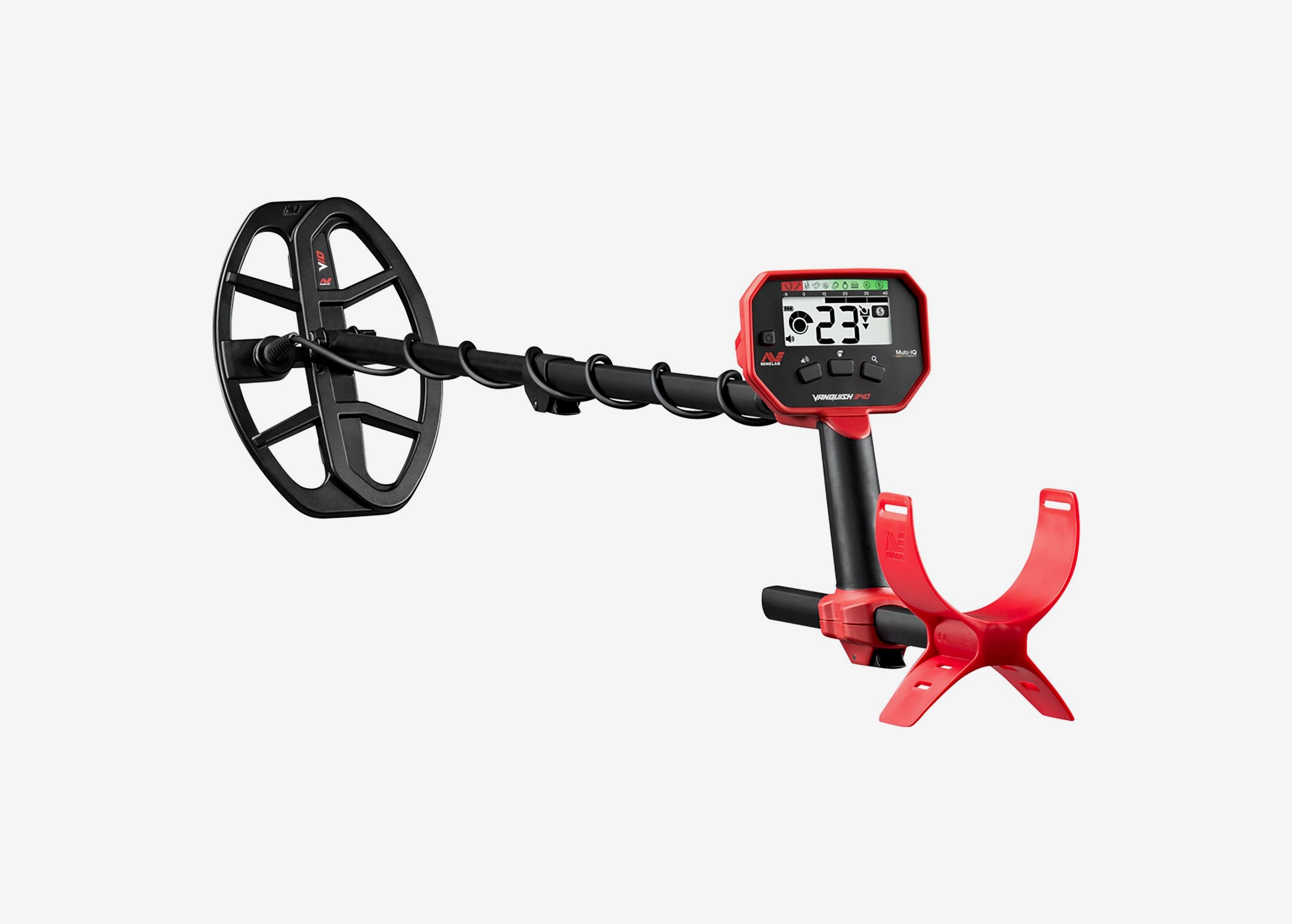
- Good Choices: Nokta Makro Simplex+, Garrett Ace series (200, 300, 400), Minelab Vanquish series. These offer a great entry point without overwhelming features, allowing you to learn the fundamentals and enjoy the thrill of finding targets.
Beachcomber (Wet Sand & Saltwater)
- Needs: Excellent saltwater performance, waterproof/submersible, good discrimination in wet conditions, depth.
- Good Choices: Minelab Equinox series (600/800), Minelab Manticore, Nokta Makro Legend, Garrett AT Max/AT Pro. Multi-frequency or advanced VLF with specific beach modes are paramount here. For gold jewelry, a PI detector like the Garrett ATX or Minelab SDC 2300 can be effective, albeit with less discrimination.
Gold Prospector
- Needs: High sensitivity to small gold (high frequency), exceptional performance in highly mineralized ground, robust build.
- Good Choices: Minelab GPX series (e.g., GPX 6000), Minelab SDC 2300 (PI), Gold Monster 1000 (high frequency VLF), XP ORX (with high-frequency coils). These specialized machines are designed to excel where gold is found.
Relic Hunter & Coin Shooter
- Needs: Excellent target separation, good depth, precise discrimination, accurate target ID, fast recovery speed.
- Good Choices: Minelab Equinox series, XP Deus II, Garrett AT Pro/Max, Nokta Makro Legend, Fisher F75. These detectors provide the versatility and performance needed to sift through historical sites and find valuable coins or artifacts among general clutter.
A “good” detector allows you to pursue your specific passion effectively. Consider where you’ll be spending most of your time detecting, what you hope to find, and how often you plan to use it. Researching local conditions and common finds in your area can also help narrow down your choices.
Conclusion
Choosing a “good” metal detector is a multi-faceted decision that synthesizes technological understanding, brand confidence, and financial wisdom with your personal detecting ambitions. Whether you’re a casual weekend warrior hoping to unearth a lost coin, or a dedicated prospector seeking the elusive glint of gold, the market offers a detector perfectly suited for your quest.
By carefully considering the core technologies (VLF, PI, Multi-frequency), scrutinizing essential features like ground balance and discrimination, opting for reputable brands known for innovation and support, and aligning your choice with your budget and specific hunting needs, you empower yourself with a tool that goes beyond mere gadgetry. You acquire a gateway to history, adventure, and the thrilling possibility of discovery. A truly “good” metal detector isn’t just a purchase; it’s an investment in countless hours of outdoor excitement and the untold stories waiting to be unearthed beneath your feet. Happy hunting!
aViewFromTheCave is a participant in the Amazon Services LLC Associates Program, an affiliate advertising program designed to provide a means for sites to earn advertising fees by advertising and linking to Amazon.com. Amazon, the Amazon logo, AmazonSupply, and the AmazonSupply logo are trademarks of Amazon.com, Inc. or its affiliates. As an Amazon Associate we earn affiliate commissions from qualifying purchases.