
The term “dome” evokes diverse imagery, from the ancient architectural wonders that crowned civilizations to the futuristic habitats depicted in science fiction. In the realm of technology, however, the concept of a dome extends far beyond a mere physical structure. It encompasses sophisticated enclosures designed to protect sensitive equipment, immersive environments that transport users to new realities, and innovative architectural solutions that push the boundaries of sustainable and smart living. Understanding “what’s a dome” in a technological context requires exploring its multifaceted roles, from safeguarding critical infrastructure to fostering groundbreaking digital experiences.
The Multifaceted Role of Domes in Technology
At its core, a dome is a self-supporting structural element that encloses a space, typically with a rounded or vaulted roof. Historically, domes have been engineering marvels, symbolizing power, knowledge, and artistic prowess. From the Pantheon’s oculus to the intricate patterns of Islamic architecture, domes have always represented a pinnacle of human ingenuity. In the digital age, this ingenuity has been reapplied, transforming the dome into a symbol of technological advancement, protection, and immersive interaction.
From Ancient Wonders to Modern Marvels: A Brief Historical Tech Context
While the physical form of a dome has existed for millennia, its integration with technology has evolved dramatically. Early uses might include primitive shelters, but the Renaissance brought forth architectural calculations that foreshadowed modern engineering. Fast forward to the 20th century, and the geodesic dome, popularized by Buckminster Fuller, merged architectural design with mathematical precision, making it a blueprint for future tech-driven structures. Today, domes are not just about structural integrity but about integrated systems – how they house technology, facilitate its operation, and enhance its output, whether that’s displaying astronomical data, protecting surveillance equipment, or creating a virtual world.
Defining the “Dome” in a Technological Lens
In technology, a “dome” can refer to several distinct applications:
- Physical Enclosures: Protective housings for cameras, sensors, antennae, or even entire data centers, designed for optimal performance, security, and environmental control.
- Immersive Environments: Structures explicitly built to facilitate virtual reality, augmented reality, simulations, or panoramic projections, providing a deeply engaging sensory experience.
- Architectural Innovations: Geodesic or modular dome structures that serve as sustainable habitats, research facilities, or rapid-deployment tech hubs, often integrating smart building technologies.
- Metaphorical Constructs: While less literal, the term can also describe self-contained technological ecosystems or “bubbles” where specific tech operates within a defined, often protected, sphere.
This article will primarily focus on the first three, exploring how these physical and experiential domes are shaping the technological landscape.
Domes as Protective Enclosures: Safeguarding Critical Tech
One of the most practical and widespread applications of domes in technology is their role as protective enclosures. These structures are engineered to shield sensitive and critical equipment from environmental hazards, vandalism, and unauthorized access, while often enhancing their functional performance.
Sentinel Structures: Security Camera Domes and Surveillance Tech
Perhaps the most ubiquitous technological dome is the security camera dome. These compact, often aesthetically discreet, enclosures house CCTV cameras, protecting them from rain, dust, tampering, and impact. The dome shape itself offers several advantages: it makes it difficult for potential intruders to discern the camera’s precise direction, reducing blind spots and enhancing the psychological deterrent. Modern dome cameras often incorporate advanced features like infrared night vision, pan-tilt-zoom (PTZ) capabilities, AI-powered analytics (e.g., facial recognition, object tracking), and vandal-resistant casings, making them essential components of contemporary digital security systems for homes, businesses, and public spaces. The materials used, from polycarbonate to hardened glass, are specifically chosen for their durability and optical clarity, ensuring uninterrupted surveillance capabilities.
Data Center Domes: Enhancing Efficiency and Resilience
On a larger scale, the concept of a dome extends to the design of data centers and server facilities. While not always a literal dome shape, the principles of contained, optimized environments are paramount. Some innovative data center designs explore dome-like structures or modular pods for specific advantages. These could include:
- Environmental Control: Domes offer excellent thermodynamic properties, allowing for more efficient cooling and airflow management, crucial for preventing server overheating.
- Physical Security: A single, robust, and often windowless structure presents fewer points of vulnerability than a sprawling, multi-component building.
- Resilience: Dome structures can be engineered to withstand extreme weather events, seismic activity, or even electromagnetic pulses (EMP), making them ideal for mission-critical data storage and processing that requires maximum uptime and disaster recovery capabilities.
- Modularity: Some designs integrate modular dome segments that can be rapidly deployed and scaled, offering flexibility for expanding compute needs. These structures are often integrated with advanced IoT sensors, automated climate control, and intelligent power management systems to optimize operational efficiency and reduce energy consumption, addressing the significant environmental footprint of global data infrastructure.
Scientific Sanctuaries: Observatory Domes and Research Facilities
For scientific exploration, especially in astronomy, the dome is an iconic and indispensable structure. Observatory domes house powerful telescopes, protecting them from light pollution, wind, and adverse weather conditions, which are critical for precision observation. These domes are typically rotatable, allowing the telescope to track celestial objects across the night sky, and feature a retractable slit or aperture that opens only during observations to minimize light entry and protect sensitive optics. Beyond astronomy, specialized research facilities might utilize dome enclosures for controlled environments – such as cleanrooms for nanotechnology, bio-containment facilities, or atmospheric research stations – where maintaining precise conditions (temperature, humidity, air pressure, purity) is vital for experimental integrity and personnel safety. The design and materials are often customized to specific scientific requirements, integrating sophisticated environmental sensors, automated controls, and remote operation capabilities.
Immersive Dome Environments: Gateway to New Realities
Beyond protection, domes serve as powerful canvases for immersive experiences, transforming passive viewing into active participation. These environments leverage advanced projection and sound technologies to create compelling simulations and digital narratives.
Planetariums and Education: Visualizing the Cosmos
Planetariums are perhaps the oldest and most beloved immersive domes. By projecting detailed images of stars, planets, and galaxies onto a hemispherical screen, they offer unparalleled journeys through the cosmos. Modern planetariums are digital, employing multiple high-resolution projectors and sophisticated software to create real-time, interactive visualizations of celestial mechanics, nebulae, and far-flung galaxies. These domes are vital educational tools, making complex astrophysical concepts accessible and engaging for students and the general public, fostering scientific literacy and inspiring future generations of astronomers and engineers. They often integrate interactive touch interfaces, surround sound systems, and even motion platforms to enhance the sense of presence.
Virtual Reality Domes: Gaming, Training, and Simulation
The concept of a VR dome takes immersion a step further, often integrating head-mounted displays (HMDs) or room-scale projection systems to create fully interactive virtual worlds. While traditional VR often involves individual headsets, VR domes offer communal, untethered experiences where multiple users can interact within a shared virtual space without the constraints of cables. These are particularly valuable for professional training (e.g., flight simulators, surgical training, architectural walkthroughs), where realistic, collaborative environments are crucial. In entertainment, VR domes provide unique gaming arenas, allowing players to move freely and interact with digital content projected onto the walls and floor, blending physical movement with virtual actions. The seamless integration of motion tracking, haptic feedback, and spatial audio within these domes significantly enhances the feeling of presence and immersion.
Projection Domes: The Art of Digital Storytelling
Projection domes are dynamic spaces where digital art, data visualizations, and cinematic experiences come alive. Utilizing multiple synchronized projectors, these domes create seamless 360-degree visual narratives that envelop the audience. From art installations that transform architectural spaces into living canvases to corporate events showcasing innovative product launches, projection domes offer a unique platform for impactful digital storytelling. They are also increasingly used in advertising and experiential marketing to create memorable brand encounters, drawing audiences into fully sensory environments. The ability to manipulate light and shadow across the curved surface creates a sense of depth and movement that flat screens cannot replicate, making them ideal for large-scale public displays and artistic exhibitions.
Beyond Aesthetics: Architectural Domes as Tech Innovators
The dome’s structural efficiency and unique form factor have made it a compelling subject for architectural innovation, especially when integrated with advanced technology.
Geodesic Domes: Buckminster Fuller’s Vision and Modern Tech Applications
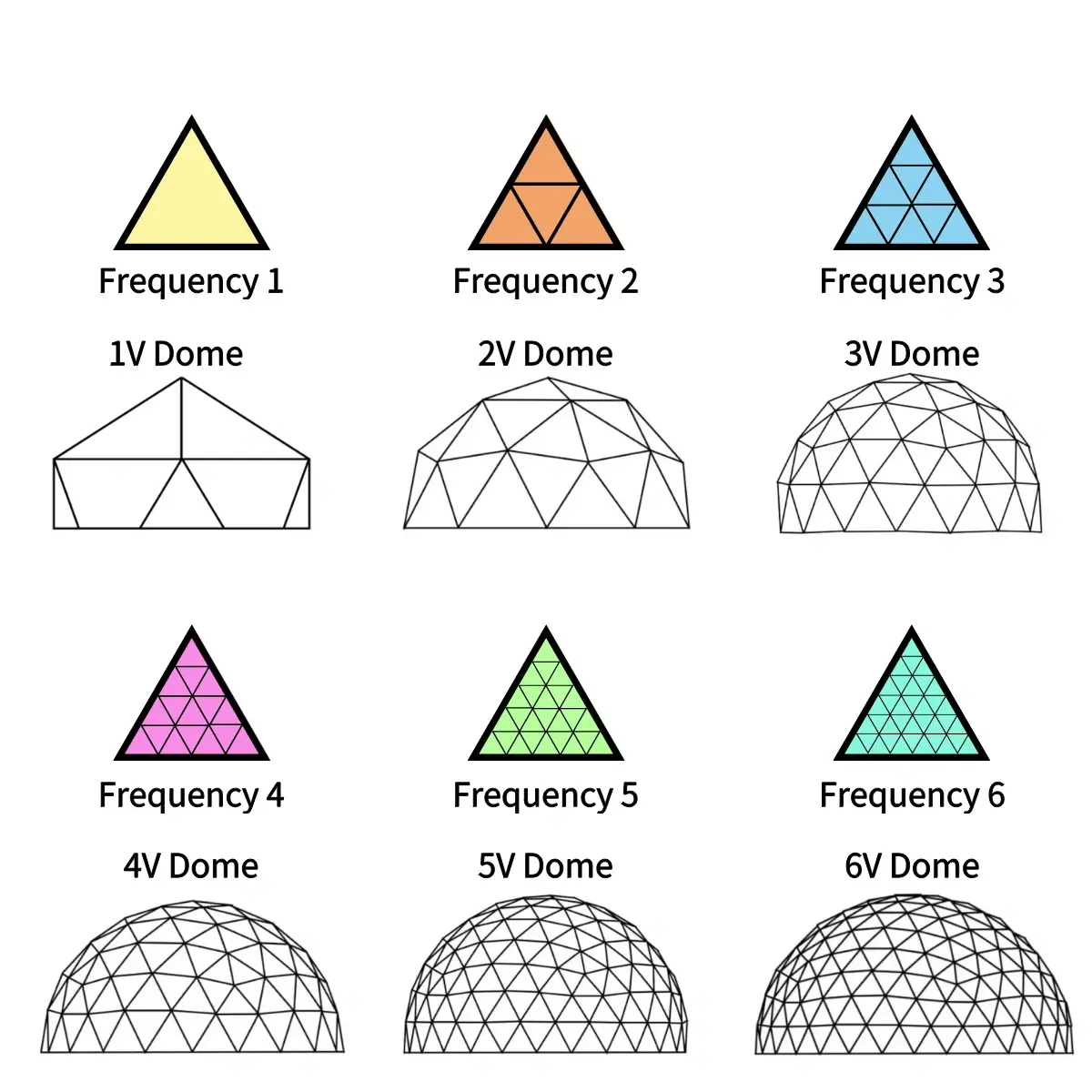
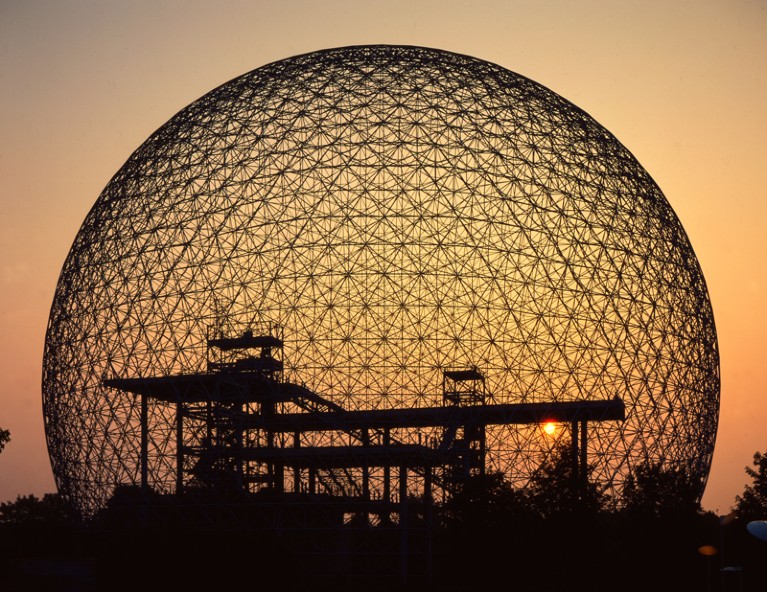
Buckminster Fuller’s invention of the geodesic dome in the mid-20th century revolutionized lightweight, efficient construction. Based on triangular elements that distribute stress evenly across the structure, geodesic domes enclose the maximum volume with the minimum surface area, making them incredibly strong and resource-efficient. In modern tech, these domes are being reimagined:
- Rapid Deployment: Their modular nature allows for quick assembly and disassembly, making them ideal for temporary tech pop-ups, disaster relief housing, or remote research outposts.
- Sustainable Living: Geodesic domes are inherently energy-efficient, offering superior thermal performance due to their shape and reduced surface area. This makes them excellent candidates for integrating solar panels, rainwater harvesting systems, and smart climate control, creating self-sufficient tech-enabled habitats.
- Sensor Integration: The structural framework of a geodesic dome provides natural pathways for integrating an array of IoT sensors, wiring, and network infrastructure, turning the building itself into a smart, responsive entity capable of monitoring environmental conditions, energy consumption, and structural integrity in real-time.
Sustainable Dome Habitats: Eco-Friendly Living and Smart Building Tech
The move towards sustainable living has seen a resurgence in dome architecture, particularly when paired with smart building technologies. Dome homes, eco-resorts, and even agricultural domes (e.g., greenhouses) are leveraging their form for efficiency. These structures often feature advanced insulation, passive heating and cooling designs, and integrated renewable energy systems. Smart building tech within these domes includes automated ventilation, dynamic shading systems, intelligent lighting, and central control hubs that manage all aspects of the internal environment. Using AI algorithms, these systems can learn occupant preferences and adapt to external conditions, optimizing comfort and minimizing energy waste, pushing the boundaries of what a truly “smart” and sustainable habitat can be.
Modular and Deployable Domes: Rapid Infrastructure for Tech Operations
For situations requiring rapid deployment or temporary infrastructure, modular dome systems provide agile solutions. These could range from portable medical clinics with integrated diagnostic tech to command centers in remote locations, or temporary shelters for large-scale tech conferences and expos. The ability to quickly assemble and equip these domes with necessary power, networking, and computing infrastructure makes them invaluable for emergency response, field research, and dynamic business needs. Their robust design ensures protection for personnel and equipment, while their adaptability allows for various internal configurations to suit specific technological requirements.
The Future Outlook: Domes in the Age of AI and Connectivity
As technology continues to advance at an unprecedented pace, the concept of a dome is poised for even greater transformation, blending physical structures with pervasive digital intelligence and global connectivity.
Smart Domes: Integrating IoT and AI for Intelligent Spaces
The next generation of domes will be truly “smart,” not just in their internal systems but in their capacity to interact with their environment and occupants through the Internet of Things (IoT) and artificial intelligence (AI). Imagine smart domes that self-regulate their climate based on predicted weather patterns, optimize lighting according to occupant presence and natural light availability, and even adapt their internal configuration for different activities through robotic elements. AI-powered analytics will allow these domes to learn and predict user needs, offering proactive adjustments for comfort, security, and energy efficiency. From individual smart homes to large-scale intelligent public spaces, these domes will become living, breathing technological ecosystems.
Beyond Earth: Domes for Space Exploration and Off-World Colonies
Perhaps the most ambitious future application of domes lies in space exploration. For future lunar bases or Martian colonies, domes are envisioned as essential habitats, protecting human settlers and delicate equipment from the harsh extraterrestrial environment – radiation, vacuum, and extreme temperatures. These domes will not only be structurally robust but will integrate advanced life support systems, atmospheric recycling, hydroponic food production, and sophisticated communication arrays. AI will manage resource allocation, environmental control, and potentially even autonomous repair systems. Concepts like inflatable domes or 3D-printed habitats offer flexible and scalable solutions for humanity’s expansion beyond Earth, embodying the ultimate protective and self-sustaining technological enclosure.
Hyper-Connected Domes: Fostering Digital Communities and Innovation Hubs
Finally, domes are set to become hubs of hyper-connectivity, serving as the physical manifestations of digital communities and innovation centers. Imagine transparent or projection-enabled domes in urban centers where augmented reality overlays provide real-time information, interactive art, and collaborative workspaces. These “digital town squares” could leverage 5G and future wireless technologies to offer unparalleled connectivity, fostering dynamic social interaction, remote collaboration, and the rapid exchange of ideas. Such domes could host virtual conferences, immersive educational workshops, and cutting-edge R&D labs, bridging geographical distances and creating truly global, interconnected innovation ecosystems, where the boundaries between the physical and digital realms blur into a seamless, engaging experience.
In conclusion, “what’s a dome” in technology is far more than an architectural query. It’s a journey through innovation, protection, immersion, and sustainability. From the humble security camera housing to the grand vision of off-world colonies, domes represent humanity’s enduring quest to create optimized, protected, and inspiring environments through the intelligent application of science and engineering. As technology continues to evolve, the dome will undoubtedly remain a pivotal and versatile shape in shaping our connected and increasingly immersive future.
aViewFromTheCave is a participant in the Amazon Services LLC Associates Program, an affiliate advertising program designed to provide a means for sites to earn advertising fees by advertising and linking to Amazon.com. Amazon, the Amazon logo, AmazonSupply, and the AmazonSupply logo are trademarks of Amazon.com, Inc. or its affiliates. As an Amazon Associate we earn affiliate commissions from qualifying purchases.