
Red Dead Redemption 2, a sprawling open-world masterpiece developed by Rockstar Games, invites players into a meticulously crafted Western landscape. Beyond the breathtaking visuals and compelling narrative, a significant element contributing to its immersive power is its historical accuracy and the deliberate choice of its temporal setting. The game is not merely a fictional tale; it is a deliberate exploration of a specific, pivotal era in American history, and understanding this context enriches the player’s experience immeasurably. The question of “what year does Red Dead Redemption 2 take place” is more than a simple date; it’s an entry point into understanding the twilight of the Wild West and the dawn of a new, industrialized America.
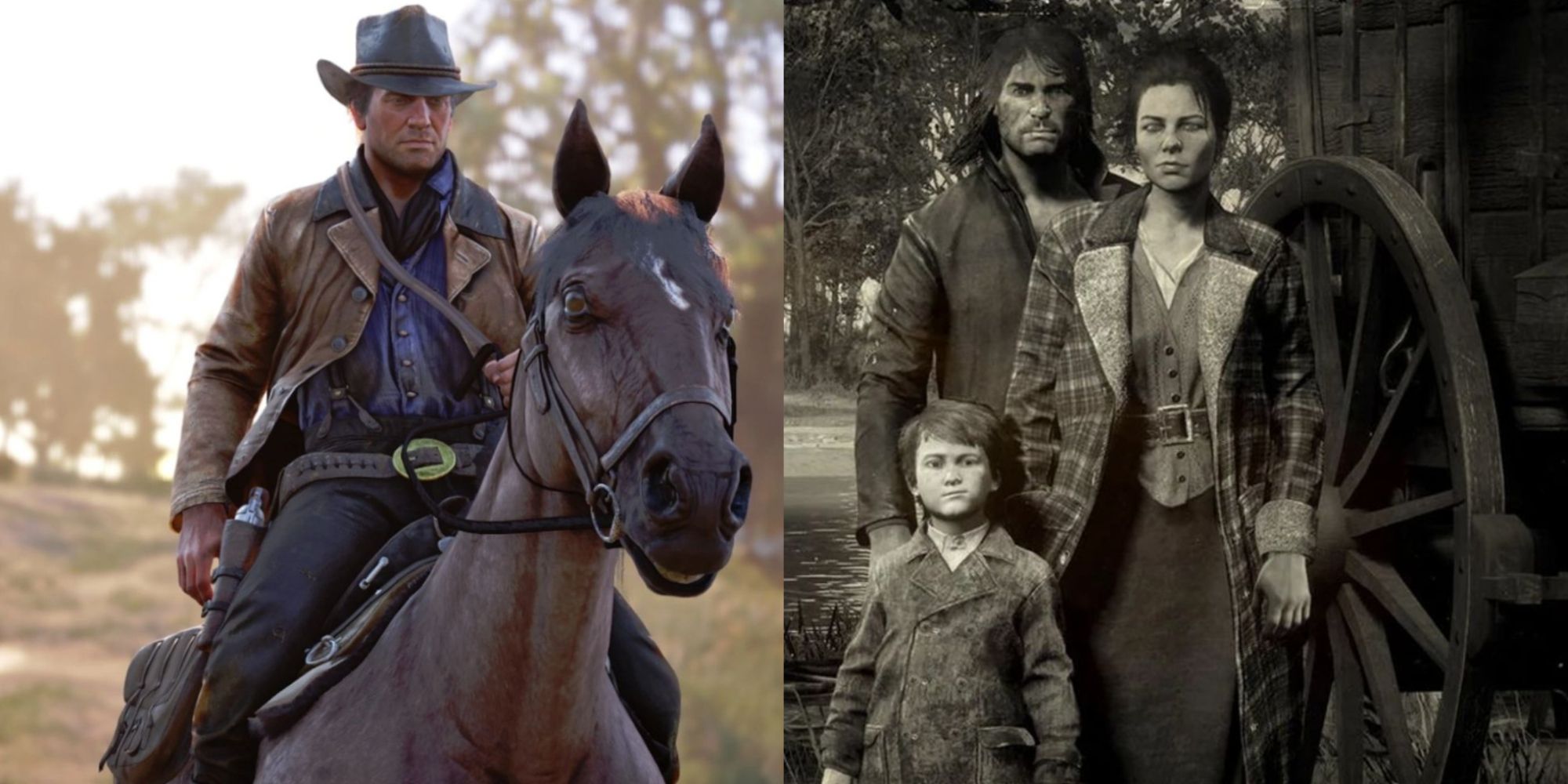
The Shadow of the Past: Setting the Stage in 1899
The primary temporal anchor for Red Dead Redemption 2 is the year 1899. This choice is not arbitrary. It places the game at a critical juncture, a period of immense societal upheaval and transformation in the United States. The Wild West, as popularly conceived, was rapidly receding, replaced by the encroaching forces of progress, technology, and governmental control. This era represents the dying embers of a romanticized frontier and the stark reality of a nation hurtling towards the 20th century.
The End of an Era: The Fading Frontier
By 1899, the romanticized image of the lone cowboy, the vast, untamed wilderness, and the lawless frontier was largely a myth or a rapidly fading memory. The expansion westward had largely concluded, with most territories having achieved statehood. Railroads had crisscrossed the continent, connecting distant settlements and facilitating the movement of people and goods, thereby diminishing the need for hardy pioneers and rugged individualism. The era of outlaws and cattle drives, while not entirely eradicated, was becoming increasingly difficult to sustain. Law enforcement, both federal and local, was becoming more organized and effective, and the days of widespread banditry were numbered.
- Technological Shifts and Their Impact: The late 19th century was a period of significant technological advancement. The telegraph was well-established, and the telephone was gaining traction, shrinking distances and facilitating communication. The burgeoning industrial revolution was transforming cities and the very fabric of American life. These advancements, while driving progress, also signaled the decline of the self-reliant, frontier existence. The romanticism of the cowboy was increasingly being overshadowed by the efficiency of the machine and the ordered society.
- The Rise of Federal Authority: The federal government’s influence was growing, extending its reach into territories that were once largely ungoverned. The establishment of national parks, the regulation of land use, and the increased presence of federal marshals all contributed to a more centralized and controlled society. This directly impacted the freedom and anonymity that outlaws and independent ranchers once enjoyed.
- Cultural Romanticism vs. Reality: The myth of the Wild West was already being cultivated in dime novels and popular entertainment, creating a romanticized version that often bore little resemblance to the harsh realities of frontier life. This romanticism continued to persist, even as the actual frontier was closing. Red Dead Redemption 2 masterfully plays on this dichotomy, showcasing both the enduring spirit of freedom and the inescapable march of progress.
The Van der Linde Gang: A Symbol of Resistance
The Van der Linde gang, led by the charismatic but increasingly desperate Dutch van der Linde, embodies the struggle against this encroaching modernity. Their nomadic lifestyle, their adherence to a code of honor (however flawed), and their defiance of societal norms are all direct responses to the changing world. They are a relic of a bygone era, trying to survive and maintain their identity in a landscape that no longer has a place for them.
- A Philosophy in Flux: Dutch’s speeches about freedom and rebellion resonate deeply with his gang members, but as the game progresses, his ideals become increasingly detached from reality. The gang’s attempts to adapt to the new world, often through increasingly desperate and violent means, highlight their inability to reconcile their past with the present. They are a microcosm of a larger societal tension between tradition and progress.
- The Criminal Underbelly: While the gang presents a romanticized view of their outlaw lifestyle, the game doesn’t shy away from the brutal realities of their actions. They are thieves, murderers, and fugitives, caught in a desperate fight for survival. Their plight underscores the often-unseen cost of the “progress” that is transforming America. The year 1899 provided a fertile ground for such characters, as the lines between legitimate enterprise and outright criminality were often blurred in the chaotic transition periods.
Echoes of History: Real-World Parallels in Red Dead Redemption 2
Rockstar Games’ commitment to historical detail extends beyond the general atmosphere. The game subtly weaves in elements that reflect the socio-economic and political climate of the late 19th century, allowing players to engage with a more nuanced understanding of the era.
The Industrial Revolution and Its Discontents
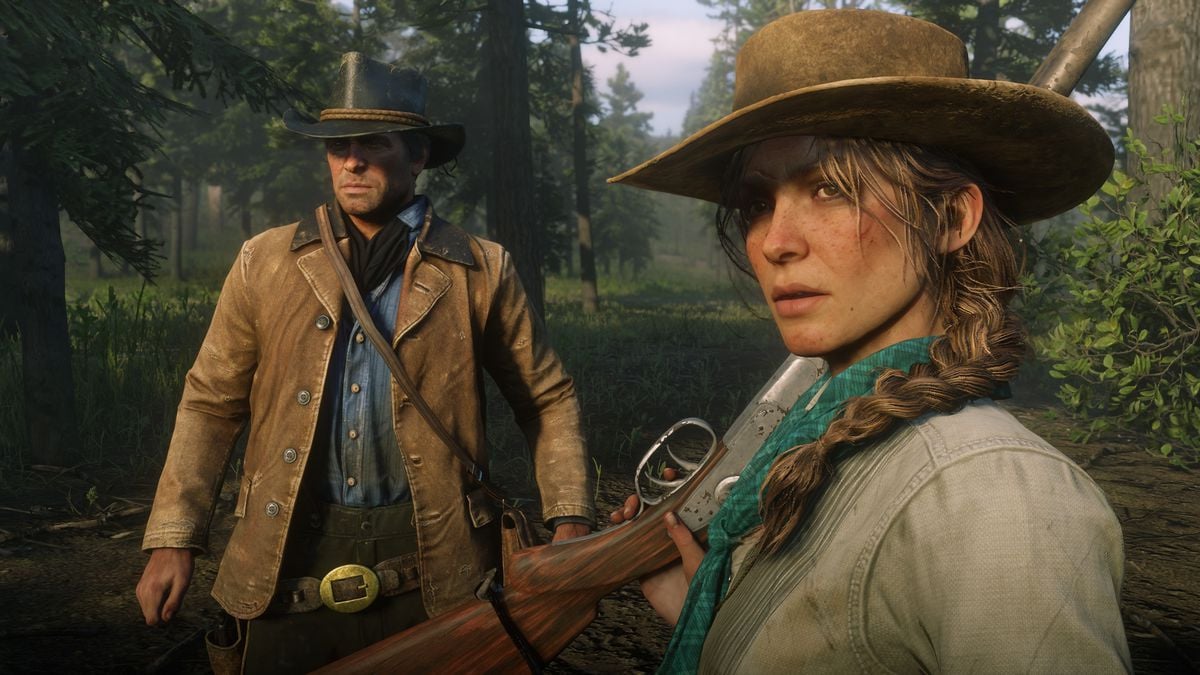
The 1890s were a period of significant industrial growth in America, but this progress was not without its drawbacks. The game subtly touches upon the societal tensions arising from this rapid industrialization.
- Labor Strife and Social Unrest: The era was marked by significant labor disputes, strikes, and growing discontent among the working class. While the Van der Linde gang operates outside the formal labor system, their struggles and their interactions with figures representing industrial magnates and their enforcers reflect the broader societal unrest of the time. The game offers glimpses of the harsh working conditions and the stark divide between the wealthy industrialists and the impoverished laborers.
- Urbanization and Its Challenges: As cities grew, they faced issues of overcrowding, poverty, and crime. The contrast between the open, albeit wild, frontier and the increasingly complex and often grim urban environments is a recurring theme. The game’s depiction of towns and cities shows the burgeoning infrastructure and commerce alongside the seedier elements that often accompany rapid growth.
The Seeds of the 20th Century
While rooted in the past, Red Dead Redemption 2 also foreshadows the events and societal shifts that would define the 20th century. The game’s narrative can be seen as a swan song for an era and a prologue to the modern world.
- The Shifting American Dream: The traditional American Dream of land ownership and self-sufficiency was being challenged by new opportunities in industry and finance. The characters in the game grapple with these shifting definitions of success and survival, making choices that reflect the anxieties and aspirations of their time. The gang’s inability to find a place in this evolving landscape speaks volumes about the challenges faced by those who couldn’t or wouldn’t adapt.
- The Dawn of Modern Warfare and Policing: The technological advancements of the era, including improvements in weaponry and communication, also laid the groundwork for the more organized and widespread conflicts of the 20th century. The game’s depiction of firearms and the increasing effectiveness of law enforcement hint at the evolution of conflict and control in the coming decades.
The Enduring Appeal: Why 1899 Matters
The choice of 1899 as the setting for Red Dead Redemption 2 is a masterstroke that contributes significantly to its lasting appeal. It allows for a potent blend of nostalgic romanticism and gritty realism, exploring themes that remain relevant today.
A Rich Tapestry of Character and Conflict
The twilight of the Wild West provides a fertile ground for compelling character arcs and dramatic conflict. The outlaws, the lawmen, the industrialists, and the ordinary citizens all inhabit a world in flux, where old ways clash with new.
- Moral Ambiguity: The period was characterized by a gray area of morality, where notions of justice and legality were often fluid. This ambiguity allows for complex characters with relatable struggles, even when their actions are questionable. Arthur Morgan’s journey, in particular, is a profound exploration of redemption and morality against this backdrop.
- The Human Element: Ultimately, the game is about people trying to survive and find meaning in a rapidly changing world. The struggles of the Van der Linde gang are a testament to the enduring human desire for freedom, belonging, and a purpose, even in the face of overwhelming odds. The year 1899, with its inherent uncertainties and transitions, amplifies these universal themes.

A World Worth Exploring
The detailed recreation of 1899 America is a testament to Rockstar Games’ dedication to world-building. Every element, from the costumes and dialogue to the landscape and societal structures, works in concert to transport players to another time.
- Immersive Storytelling: By grounding the narrative in a specific historical context, the game achieves a level of authenticity that enhances its storytelling. Players don’t just witness the events; they feel a part of the era, understanding the motivations and limitations of the characters within their historical milieu.
- Educational and Entertaining: Red Dead Redemption 2 offers a unique blend of entertainment and implicit education. Players are exposed to a rich historical period, gaining insights into the societal, technological, and cultural forces that shaped modern America, all while being captivated by a gripping narrative and engaging gameplay.
In conclusion, Red Dead Redemption 2’s deliberate choice to set its story in 1899 is a crucial element of its success. It is a year poised on the precipice of change, a time when the romanticized myths of the Wild West were colliding with the inexorable march of progress. This temporal setting allows Rockstar Games to craft a narrative that is both deeply rooted in history and universally resonant, offering players an unforgettable journey through a pivotal moment in American history and exploring timeless themes of loyalty, survival, and the search for identity in a world constantly in motion. The allure of 1899, with its blend of fading frontiers and dawning modernity, continues to captivate audiences and solidify Red Dead Redemption 2’s place as a landmark achievement in interactive storytelling.