
The allure of historical cinema often hinges on its ability to transport audiences to another era. The costumes, the dialogue, the societal structures – all contribute to an immersive experience. Quentin Tarantino’s Django Unchained, a revisionist Western that boldly reimagines the antebellum South, is a prime example of a film where historical setting is not merely a backdrop but a crucial element of its distinct brand identity. While the title prompts a specific inquiry about its temporal placement, delving into that question reveals a deeper narrative about how historical accuracy, and sometimes deliberate deviation from it, functions as a powerful branding tool in filmmaking.
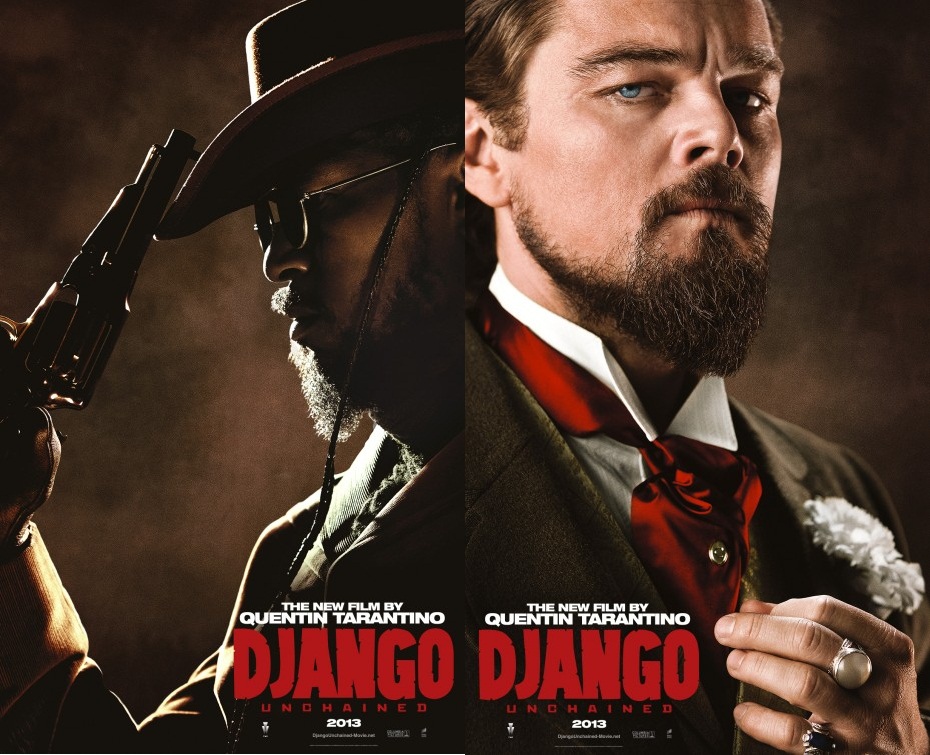
Establishing the Temporal Landscape: Decoding the Setting of Django Unchained
The immediate question for any viewer or analyst of historical films is, naturally, the year in which the story unfolds. This foundational piece of information is critical for understanding the socio-political context, the available technology, and the prevailing attitudes that shape the narrative and characters. Django Unchained places its violent and cathartic tale in a specific, albeit carefully curated, historical period.
Pinpointing the Precise Moment: 1858 as the Chronological Anchor
Django Unchained is explicitly set in the year 1858. This year is not a casual choice; it is a deliberate anchor point that situates the film squarely in the tumultuous decade leading up to the American Civil War. This temporal placement is significant for several reasons, impacting the film’s narrative and its thematic resonance.
By choosing 1858, Tarantino places his story on the precipice of immense societal upheaval. The issue of slavery was a burning, divisive force, with tensions escalating daily. The Fugitive Slave Act of 1850 was in full effect, further inflaming sectional animosities. The Dred Scott decision of 1857 had recently declared that African Americans, whether enslaved or free, could not be citizens and had no standing to sue in federal court, effectively stripping them of basic human rights and fueling abolitionist outrage. These historical realities provide the fertile, volatile ground upon which Django’s quest for freedom and retribution is sown. The film’s very existence, its visceral depiction of the horrors of slavery and its violent subversion of this oppressive system, gains an added layer of potent historical critique by being grounded in this specific pre-war era. The year 1858 allows Tarantino to leverage the raw, unvarnished injustices of the time without the immediate aftermath of the Civil War, focusing the narrative squarely on the systemic brutality and the desperate struggle for survival and liberation within that framework.
The Nuances of Historical Accuracy: A Brand Choice
While the film provides a concrete year, the concept of historical accuracy within Django Unchained is a complex branding decision rather than a documentary endeavor. Tarantino is renowned for his distinctive directorial voice, which often involves a playful, yet powerful, manipulation of genre conventions and historical tropes. Django Unchained‘s brand is not built on strict adherence to historical minutiae but on its bold, anachronistic spirit and its unflinching gaze at the brutal realities of the past, filtered through a modern sensibility.
This is where the “Brand” category becomes most relevant. The film’s brand promise to the audience is a visceral, operatic, and ultimately cathartic experience that uses historical settings as a canvas for its stylized violence and sharp dialogue. The year 1858 serves as a recognizable and potent historical touchstone, lending a veneer of historical weight to the proceedings. However, the film is not a historical document. Tarantino famously employs anachronisms, both subtle and overt, to achieve his artistic goals. The very style of filmmaking, the pacing, certain thematic undercurrents, and even some technological elements are not strictly confined to 1858. This deliberate blurring of lines is part of the film’s brand: it’s a historical fantasy, a modern mythologizing of a horrific period, designed to provoke and entertain. The accuracy of the year serves as a powerful starting point, an identifiable historical moment that the audience understands, allowing them to then engage with the film’s more fantastical and allegorical elements. The brand of Django Unchained is not that of a historical reenactment, but of a highly stylized, genre-bending exploration of American history, and the year 1858 is the carefully chosen portal into that world.
Thematic Resonance: How the Year Fuels the Narrative’s Brand
The chosen year of 1858 is more than just a factual detail; it is a strategic narrative choice that deeply informs the film’s thematic core and, by extension, its brand. The specific socio-political climate of that year provides the essential ingredients for the story’s potent blend of action, social commentary, and personal redemption.
The Shadow of Escalating Conflict: Slavery on the Brink
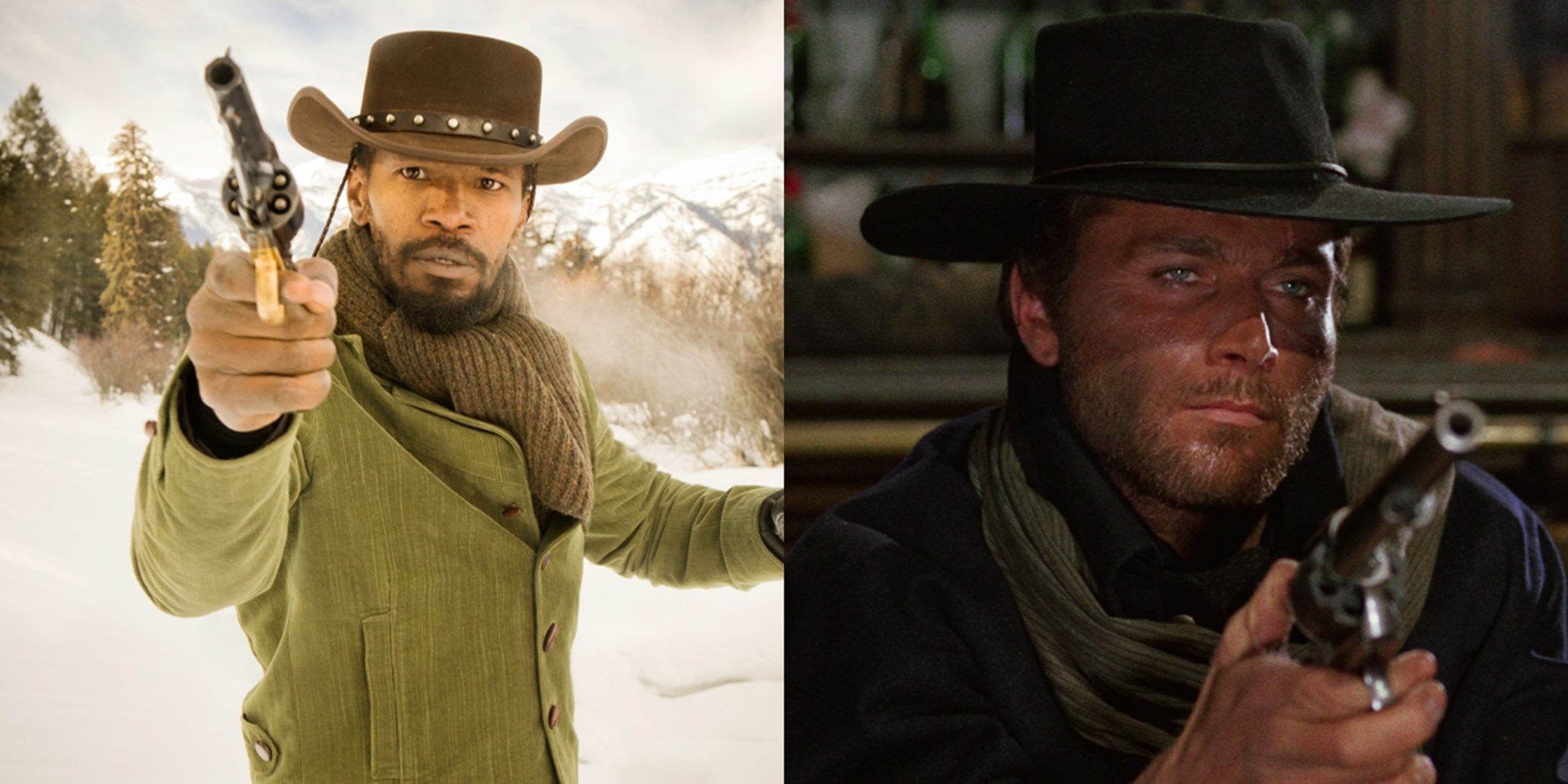
The year 1858 was a period of intense polarization in the United States, largely driven by the deeply entrenched institution of slavery. The economic and social fabric of the Southern states was inextricably linked to enslaved labor, while the abolitionist movement gained significant traction in the North, fueled by moral outrage and increasingly strident political action. The election of Abraham Lincoln in 1860, and the subsequent secession of Southern states, was the culmination of decades of simmering tension, and 1858 found the nation teetering precariously on the brink of this inevitable rupture.
Django Unchained capitalizes on this palpable sense of impending doom. The casual cruelty and dehumanization depicted in the film are not presented as isolated incidents but as systemic components of a society built on a morally bankrupt foundation. The year 1858 allows Tarantino to showcase the extreme injustices of slavery in their rawest form, before the nation was irrevocably torn apart by war. This allows the narrative to focus on individual acts of heroism and resistance within the existing oppressive structure, making Django’s journey and Dr. Schultz’s moral complexities all the more compelling. The film’s brand as a story of liberation and vengeance is amplified by its placement in a period where the injustice was so profound and the societal structures so rigid, making the act of defiance an even more potent and satisfying spectacle for the audience. The historical context imbues the fictional narrative with a powerful sense of verisimilitude, even as the film takes considerable artistic liberties.
Revisionist History as a Brand Statement
Quentin Tarantino’s cinematic brand is built upon a foundation of genre pastiche, witty dialogue, stylized violence, and often, a revisionist approach to historical narratives. Django Unchained is a quintessential example of this approach, using the historical setting of 1858 as a springboard for its own unique brand of storytelling. The film is not interested in faithfully recreating the past but in using it to explore timeless themes of oppression, freedom, and retribution in a manner that resonates with contemporary audiences.
The fact that the film offers a narrative where the enslaved are the agents of their own liberation, wielding power and exacting justice, is a deliberate departure from many historical accounts and even many fictional portrayals of the era. This revisionist element is a core component of Django Unchained‘s brand identity. It allows the film to offer a cathartic fantasy, a wish fulfillment for audiences who are acutely aware of the historical injustices and yearn for a different outcome. The specific year, 1858, provides the necessary historical weight and context, making the revisionist elements all the more impactful. It’s a familiar historical landscape, allowing the audience to recognize the injustices being perpetrated, and then to be thrilled by the film’s audacious reimagining of how those injustices could be challenged. The brand is therefore one of empowerment through cinematic reimagining, using a specific historical moment as a stage for a potent and entertaining narrative of resistance.
Beyond the Year: The Brand Persona of Django Unchained
While pinpointing the year Django Unchained takes place is a straightforward factual query, understanding its significance extends far beyond a simple date. The year 1858 serves as a strategic choice that contributes profoundly to the film’s brand identity, its thematic depth, and its enduring cultural impact.
Historical Context as a Narrative Catalyst
The chosen year of 1858 is instrumental in establishing the film’s narrative momentum and its thematic underpinnings. This period was characterized by an increasingly volatile social and political climate in the United States, directly shaped by the institution of slavery. The escalating tensions between abolitionist sentiment in the North and the entrenched pro-slavery economy of the South created a powder keg situation. The year 1858 falls within this critical decade, offering a backdrop rife with the moral and systemic injustices that Tarantino seeks to expose and, in his fictional narrative, subvert.
The film’s brand hinges on its ability to present a compelling and often shocking depiction of this era. By setting the story in 1858, Tarantino provides a concrete historical framework that resonates with audiences’ understanding of American history. This allows for a heightened appreciation of the characters’ struggles and the brutal realities they face. The specific societal norms, the legal frameworks (or lack thereof for enslaved people), and the pervasive prejudices of the time are all amplified by this historical anchor. This historical grounding is crucial for the film’s brand as a thought-provoking, albeit highly stylized, exploration of American history and its legacy. The year 1858 acts as a specific, recognizable point of reference, lending an air of authenticity to the film’s premise, even as it embarks on its genre-bending and often fantastical journey.

The Tarantino Brand: Anachronism, Stylization, and Catharsis
Quentin Tarantino’s directorial brand is synonymous with a distinctive blend of homage, genre subversion, and a unique approach to narrative and dialogue. In Django Unchained, this brand manifests through a deliberate engagement with historical context, where accuracy serves as a foundational element for his stylized, revisionist storytelling. The year 1858 is not merely a setting; it is a carefully selected stage upon which Tarantino plays out his operatic drama of revenge and liberation.
The film’s brand promise is not historical fidelity in a documentary sense, but rather a visceral, entertaining, and thematically resonant experience. Tarantino’s willingness to incorporate anachronisms – whether in dialogue, attitude, or even subtle visual cues – is a hallmark of his brand. These intentional deviations from strict historical accuracy serve to highlight the film’s core themes and to inject a modern sensibility into the historical narrative. The year 1858, therefore, functions as an essential narrative and thematic anchor that allows the audience to recognize the injustices being depicted, thereby amplifying the impact of the film’s revisionist elements. The cathartic release provided by Django’s triumphant (and violent) dismantling of the oppressive system is a direct consequence of this carefully constructed historical setting and the film’s subsequent subversion of it. The brand of Django Unchained is built on this tension between recognizable history and audacious cinematic invention, making the specific year of its setting a critical piece of its compelling identity.
aViewFromTheCave is a participant in the Amazon Services LLC Associates Program, an affiliate advertising program designed to provide a means for sites to earn advertising fees by advertising and linking to Amazon.com. Amazon, the Amazon logo, AmazonSupply, and the AmazonSupply logo are trademarks of Amazon.com, Inc. or its affiliates. As an Amazon Associate we earn affiliate commissions from qualifying purchases.