
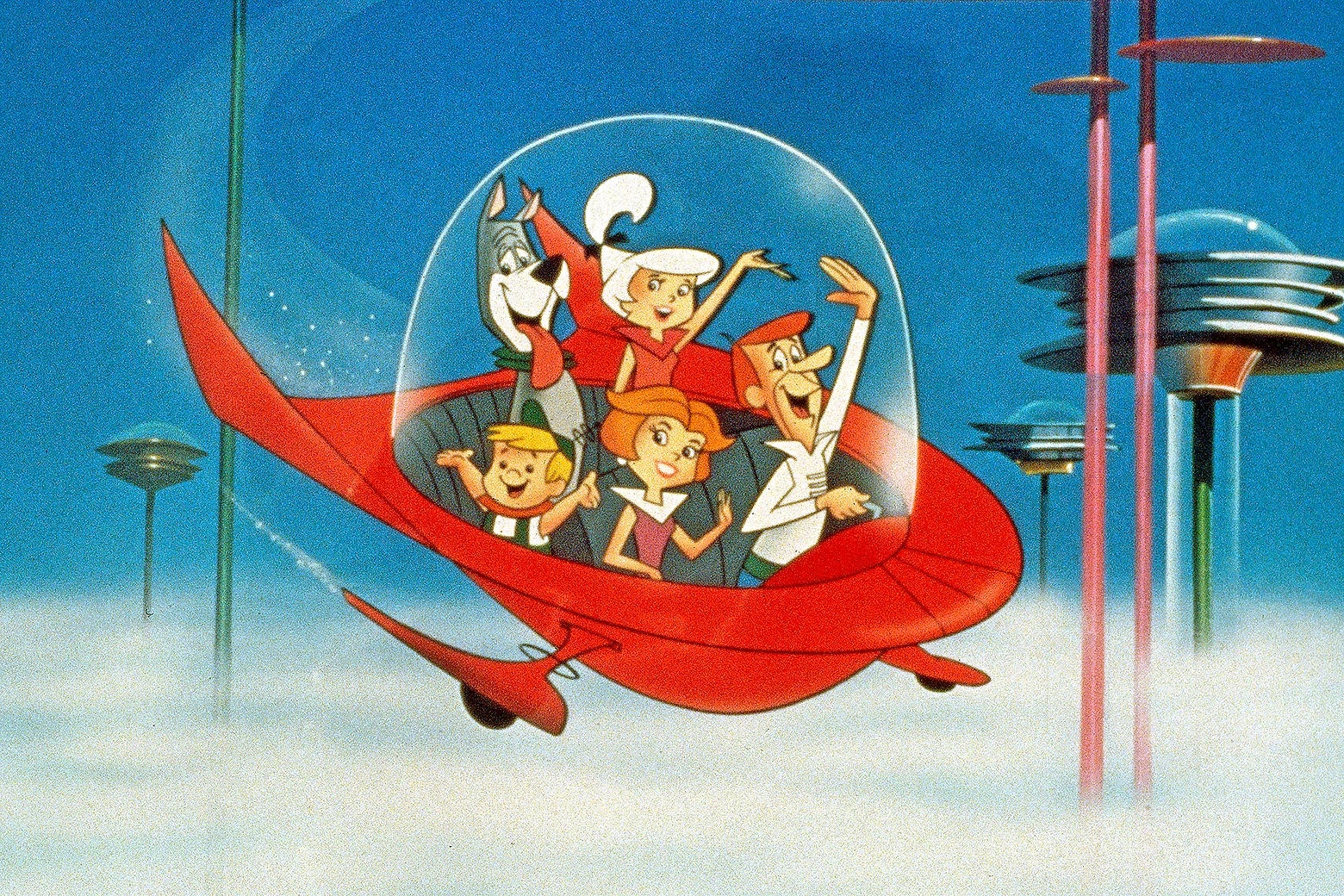
The enduring image of the futuristic family soaring through the sky in their aerocar, a robot maid whirring in the background, and entire cities floating above the clouds is instantly recognizable. For generations, The Jetsons has served as a vibrant, optimistic, and often humorous window into what the future might hold. But beyond the iconic theme song and the slapstick adventures of George, Jane, Judy, and Elroy, lies a deeper question that continues to fascinate fans and futurists alike: exactly when did this magnificent vision of tomorrow unfold?
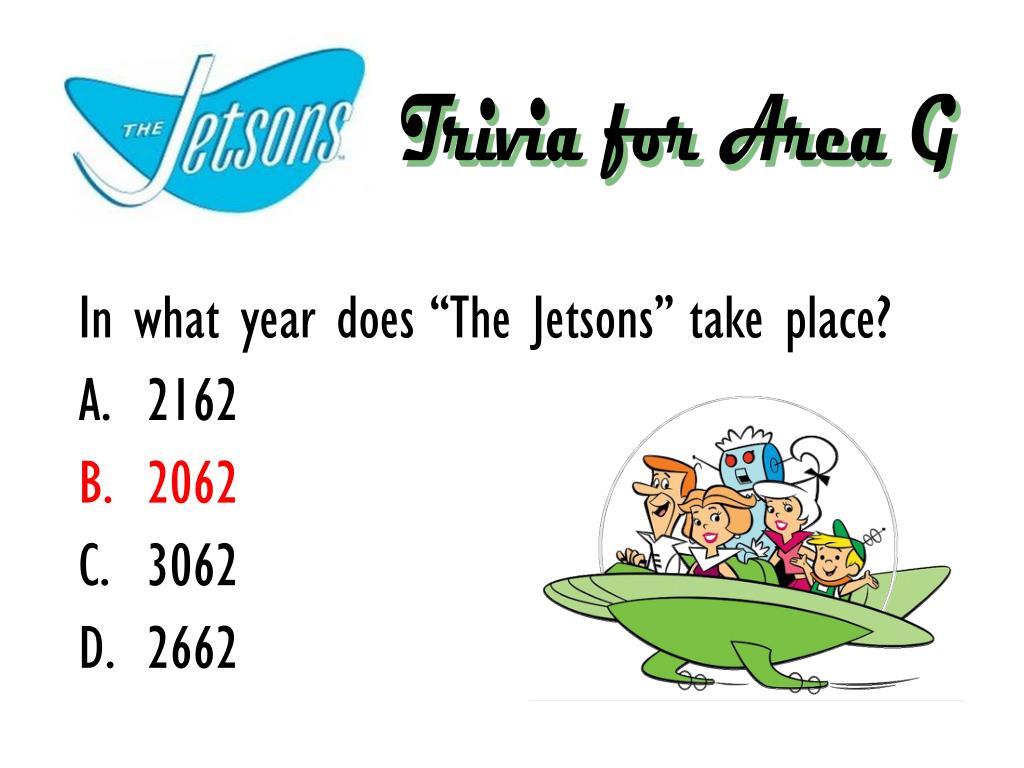
While the show itself premiered in 1962, firmly placing it as a product of the Space Age, the in-universe timeline points to a much more specific era. According to various show materials and character bios, George Jetson was born on July 31, 2022. Given that the show portrays him as a 40-year-old man, the primary setting for The Jetsons‘ everyday escapades would be the year 2062.
This simple date, 2062, opens a fascinating portal for discussion, inviting us to not only reflect on how far we’ve come in realizing some of The Jetsons‘ futuristic dreams, but also to delve into the complex interplay of technology, branding, and economics that such a world would entail. Far from being mere cartoon fantasy, Orbit City offers a rich speculative landscape for understanding current trends in tech innovation, the strategies behind building enduring brands, and the evolving nature of personal and business finance in an increasingly automated world. Let’s embark on a journey through the Jetsons‘ future, examining its profound implications through the lens of our contemporary obsessions.
A Glimpse Into 2062: The Jetsons’ Vision of Technology
The technological landscape of The Jetsons is arguably its most captivating feature, a vibrant tapestry of automated conveniences and incredible inventions that continue to inspire designers, engineers, and dreamers today. From their humble beginnings in 1962, the creators of The Jetsons painted a picture of 2062 that, while exaggerated for comedic effect, often hit surprisingly close to home in predicting the trajectory of technological advancement.
From Flying Cars to Smart Homes: Prophecies and Paradoxes
At the heart of The Jetsons‘ technological marvels are inventions that have become shorthand for “the future.” The most iconic, of course, is the aerocar – a flying vehicle that George Jetson commutes in daily. While we don’t have ubiquitous flying cars ferrying families to work and school just yet, the concept has evolved dramatically. Today, companies like Archer Aviation and Joby Aviation are developing electric vertical take-off and landing (eVTOL) aircraft, akin to personal air taxis, with test flights already underway. Meanwhile, drone technology is rapidly advancing, with parcel delivery and even passenger transport becoming increasingly feasible, albeit not yet on the scale of Orbit City. The Jetsons didn’t just predict the desire for aerial transport; they envisioned a personalized, accessible form of it that continues to drive innovation in urban mobility.
Beyond transportation, the Jetsons’ smart home was remarkably prescient. Their apartment in Skypad Apartments featured automated appliances, food replicators, and robot assistants like Rosie. Compare this to our current reality: smart speakers like Amazon Alexa and Google Home control lighting, thermostats, and even order groceries. Robotic vacuum cleaners (Roomba), automated coffee makers, and smart refrigerators are common. While we don’t yet have machines that synthesize entire meals from a single button press (though 3D food printing is an emerging field), the convenience-driven, voice-controlled, interconnected home environment of 2062 is startlingly similar to the trajectory of modern smart home technology.
Perhaps the most beloved technological character is Rosie the Robot Maid. Rosie isn’t just a machine; she’s a sentient, sassy, and indispensable member of the Jetson family. Her presence encapsulates the promise and peril of artificial intelligence (AI) and automation. Rosie handles domestic chores, offers emotional support, and even provides unsolicited advice. In our present day, AI is being integrated into everything from customer service chatbots to sophisticated algorithms that power medical diagnostics and financial trading. While we haven’t achieved Rosie’s level of generalized intelligence and personality in a domestic robot, companies are pouring billions into developing empathetic AI and advanced robotics for elder care, education, and household assistance. The Jetsonian vision underscores not just the mechanical efficiency of AI, but its potential to transform human-robot relationships and integrate deeply into our daily lives, raising questions about companionship, autonomy, and ethical considerations.
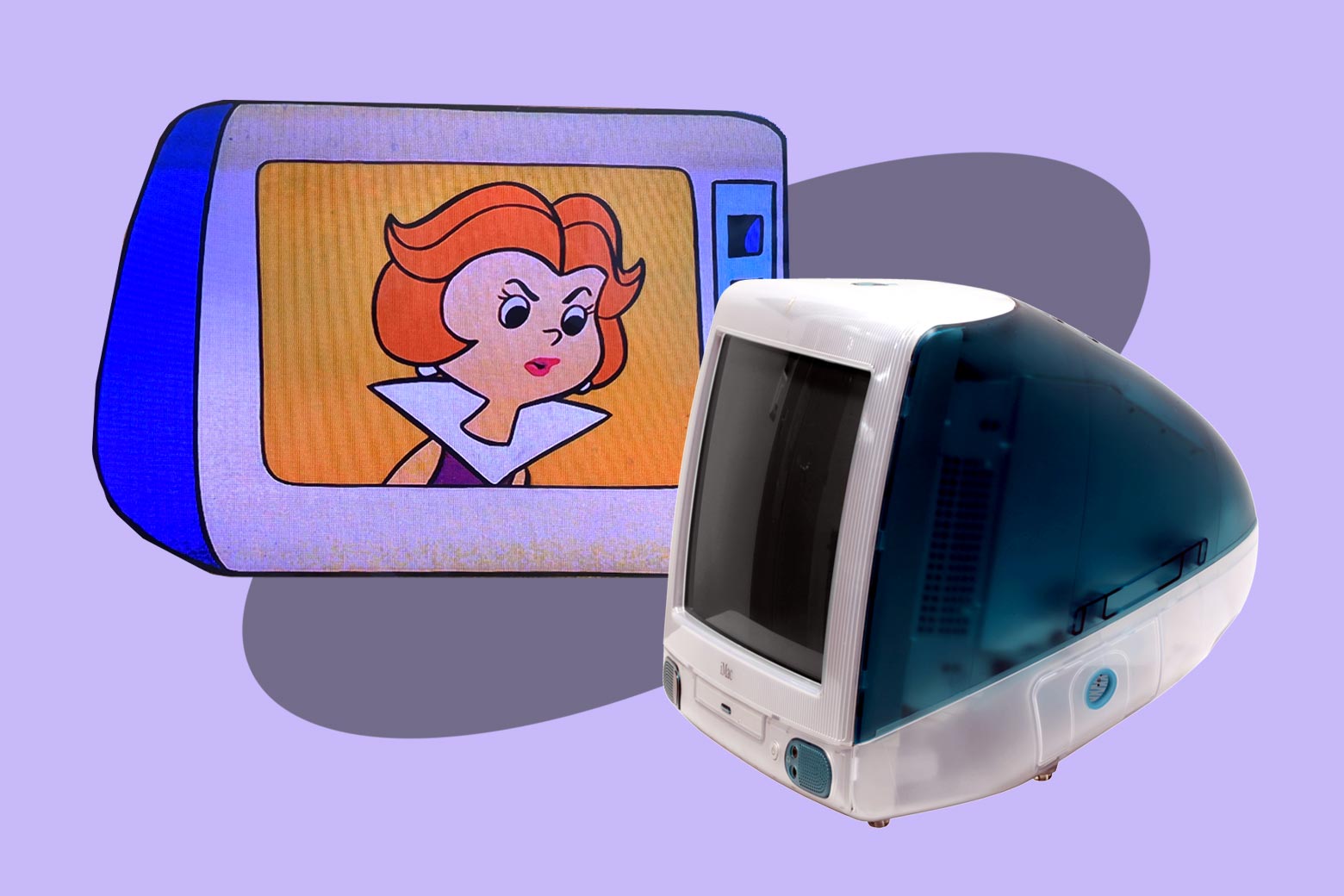
Other technologies, such as video calls, were commonplace in 2062. George regularly uses a videophone for work and family communication. This vision has been fully realized, perhaps even surpassed, by platforms like Zoom, Microsoft Teams, and FaceTime, which have become indispensable for global communication and remote work, especially in recent years. The Jetsons also showed moving walkways and automated pathways, a precursor to modern airport people-movers and even proposed concepts for hyperloops and dynamic urban transport systems.
However, The Jetsons’ vision wasn’t without its paradoxes. Despite the advanced tech, George Jetson’s job at Spacely Sprockets involves pressing a single button repeatedly, highlighting a comedic take on the paradox of automation: does technology liberate us from toil, or merely redefine it in absurd ways? This question resonates deeply in our contemporary discussions about job displacement due to AI and robotics, and the need for upskilling and reskilling in a rapidly evolving workforce.
The Digital Divide of the Future: An Unseen Side of Orbit City
While The Jetsons presents a seemingly utopian and accessible technological future, it’s worth pondering an unseen aspect: the potential for a digital divide even in Orbit City. The Jetsons themselves are a middle-class family, enjoying all the benefits of their futuristic gadgets. But what about those who aren’t part of this floating metropolis? The show rarely delves into the lives of the less privileged or those living outside the advanced cityscapes.
In our current technological landscape, access to high-speed internet, smart devices, and digital literacy is crucial for economic participation and social mobility. The cost of cutting-edge gadgets, advanced software, and specialized AI tools can be prohibitive for many. If Orbit City’s advanced infrastructure and personal technology came with a hefty price tag, it could create significant disparities. Would everyone have a Rosie? Would personal aerocars be affordable for all, or merely a luxury for the upper echelons?
This speculative lens into The Jetsons’ world invites us to consider the ethical implications of technological progress. As we develop increasingly sophisticated AI and automation, questions of accessibility, affordability, and equity become paramount. Digital security, a major concern today, would also be critical in a world where personal data might be constantly generated by smart homes, flying cars, and ubiquitous robots. While The Jetsons didn’t explore these darker facets, its optimistic portrayal serves as a reminder that the ideal future is one where technology serves all, not just a select few. Companies developing AI tools and apps today must grapple with these questions of inclusion and digital security to build truly beneficial and equitable futures.
The Branding of Tomorrow: How The Jetsons Shaped Our Futuristic Imagination
Beyond its technological predictions, The Jetsons has also become an indelible part of our cultural consciousness, an enduring brand that continues to influence how we envision the future. It’s a testament to its design, narrative, and character development that it remains relevant decades after its debut.
More Than a Cartoon: The Jetsons as a Cultural Brand Icon
The Jetsons itself is a powerful brand. From its catchy theme song to its distinctive visual style – clean lines, pastel colors, bubble-domed architecture – it embodies a specific mid-century modern optimism about the future. This corporate identity and design language have been leveraged across various media, merchandise, and even by companies seeking to evoke a sense of innovation and forward-thinking.
The show’s reputation as a family-friendly, imaginative depiction of tomorrow has made it a touchstone for discussions about technology and society. Its aesthetic has permeated product design, influencing everything from kitchen appliances to concept cars that aim for that sleek, futuristic “Jetsonian” look. Companies selling smart home gadgets, for instance, often use imagery that subtly echoes the Jetsons’ streamlined, button-free environment, knowing it instantly communicates “future technology” to consumers.
The Jetsons became a personal brand for its creators, Hanna-Barbera, solidifying their reputation for creating iconic animated content. Moreover, the individual characters have developed their own recognition, from Rosie’s endearing sass to Astro’s loyal woofs. This brand longevity is a masterclass in effective marketing and character development, demonstrating how a compelling vision, even a fictional one, can capture the public imagination for generations. It shows that effective branding isn’t just about selling a product, but about selling an idea, a lifestyle, or a dream.
Corporate Life in Orbit City: Spacely Sprockets and the Future of Work
Within The Jetsons’ world, the corporate landscape is dominated by familiar, yet comically absurd, entities. George Jetson works for Spacely Space Sprockets, Inc., under the demanding Mr. Spacely, perpetually locked in rivalry with Cogswell Cogs, run by the equally demanding Mr. Cogswell. These fictional brands offer a satirical look at corporate identity and the nature of work in a hyper-automated future.
George’s job, as mentioned, consists primarily of pushing a single button. This simplistic depiction, while comedic, raises serious questions about business finance and workforce management in an era of extreme automation. If basic manual tasks are handled by machines, what becomes the primary role of human employees? Are positions like George’s retained out of tradition, or is there a genuine need for human oversight, however minimal? The rivalry between Spacely Sprockets and Cogswell Cogs, driven by competition over an essentially trivial product (sprockets and cogs), also parodies the relentless pursuit of market dominance even in a post-scarcity-leaning society.
This cartoonish corporate environment provides a fascinating case study for contemporary businesses. As AI tools and advanced robotics automate more tasks, companies are forced to re-evaluate their brand strategy – what unique value do they offer that technology cannot replicate? How do they cultivate a reputation for innovation while ensuring human relevance? The Jetsons’ world suggests that even with incredible technological advancement, human elements like ambition, rivalry, and perhaps even inefficiency, persist within corporate structures. It prompts us to consider how future branding will differentiate companies in a marketplace saturated with automated solutions, perhaps by emphasizing creativity, emotional intelligence, or unique human experiences that technology cannot fully replicate.
Financial Futures: Money, Work, and Leisure in the Age of Automation
Perhaps one of the most intriguing, yet least explored, aspects of The Jetsons‘ future is its economic framework. How do the Jetsons afford their lavish lifestyle, their robot maid, and their flying car? How is money earned and spent in a world where so much is automated? This delves into speculative discussions about personal finance, investing, and the very definition of work in an age of technological abundance.
The Economy of Orbit City: Beyond Buttons and Robot Maids
The Jetsons implies a highly productive, if not post-scarcity, economy. Basic needs seem easily met, and the focus is on convenience and leisure. George’s minimal work responsibilities, coupled with the family’s comfortable existence, hints at an economic system far removed from our own. It’s plausible to speculate that Orbit City operates on a highly efficient, automated economic model where wealth distribution might be less directly tied to traditional labor.
One could imagine a system akin to Universal Basic Income (UBI) or some form of societal dividend, where citizens receive a baseline income allowing for a comfortable standard of living, regardless of their employment status. This would free individuals to pursue leisure, creative endeavors, or specialized, non-repetitive work. In such a scenario, “online income” might shift from traditional freelancing to more niche, passion-driven pursuits, or contributions to community projects. Side hustles might evolve from earning extra cash to pursuing personal growth, education, or purely recreational activities.
The show often depicted automated vending machines and instant gratification for needs, suggesting a consumer culture built on extreme convenience. This would dramatically alter traditional notions of personal finance. Budgeting might become less about scarcity management and more about allocating resources for unique experiences, high-end customization of automated services, or investing in personal development. The financial tools of such a future would likely be highly sophisticated AI-driven personal assistants, managing investments, payments, and predicting future needs with seamless integration.
From a business finance perspective, companies like Spacely Sprockets would operate with incredibly lean human workforces, relying heavily on automation. Their profitability would likely stem from massive economies of scale and highly efficient supply chains. The challenge for these businesses would be innovation – constantly finding new “buttons to push” or new conveniences to offer in a market where basic needs are already met.
Investing in the Future: Lessons from a Cartoon Utopia
If we were to project the Jetsons’ world onto our current financial landscape, it raises compelling questions about investing. Today, many investors focus on technology companies that promise to deliver the conveniences seen in Orbit City – AI developers, robotics firms, sustainable energy providers, and urban air mobility startups. Investing in the “future” often means betting on the companies that are building the next generation of smart homes, automated services, or efficient transport.
The Jetsons’ world also offers a profound lesson on the “time dividend” of automation. If mundane tasks are handled by robots and AI, humans gain back immense amounts of time. This “time” itself can be seen as a form of wealth. What would individuals invest this time in? Education, personal hobbies, creative projects, community building, or perhaps entirely new forms of “work” that prioritize human connection and ingenuity over repetitive tasks. This shift would fundamentally alter the concept of productivity, moving it beyond mere output to focus on quality of life and self-actualization.
For personal finance, the Jetsonian future suggests a re-evaluation of what constitutes “wealth.” Is it purely monetary, or is it also the freedom from drudgery, the access to vast leisure, and the ability to pursue one’s passions? While the show doesn’t explicitly detail financial markets or investment strategies for 2062, it implicitly encourages us to invest in the technologies that promise greater automation, more leisure, and a higher quality of life. It subtly pushes us to consider not just financial returns, but also the societal returns of technological progress.
In conclusion, the seemingly simple question of “What year did The Jetsons take place?” leads us down a fascinating rabbit hole of futuristic speculation, firmly rooted in our contemporary concerns about technology, brand, and money. The year 2062, as envisioned by Hanna-Barbera, is more than just a date; it’s a mirror reflecting our own aspirations and anxieties about the future. From the astounding prophecies of smart homes and AI to the enduring questions about the digital divide, the power of branding, and the evolving nature of work and wealth, The Jetsons remains an invaluable cultural touchstone. As we navigate the complexities of AI tools, refine our brand strategies, and redefine personal finance in an increasingly automated world, the lessons and inspirations from Orbit City continue to guide our journey toward our own Jetsonian future, reminding us that the dream of tomorrow is always, in some way, shaped by the imaginations of yesterday.
aViewFromTheCave is a participant in the Amazon Services LLC Associates Program, an affiliate advertising program designed to provide a means for sites to earn advertising fees by advertising and linking to Amazon.com. Amazon, the Amazon logo, AmazonSupply, and the AmazonSupply logo are trademarks of Amazon.com, Inc. or its affiliates. As an Amazon Associate we earn affiliate commissions from qualifying purchases.