
The question “What year did Friends air?” is deceptively simple, yet it opens the door to a profound exploration of a television show that transcended mere entertainment to become a cultural touchstone and a masterclass in brand building. While the factual answer is readily available—the show premiered on September 22, 1994, and concluded its decade-long run on May 6, 2004—the true significance lies not just in these dates, but in the strategic elements and inherent qualities that cemented Friends as an enduring global brand. This article delves into the phenomenon, examining its origins, its unparalleled success, and the lasting impact of its meticulously crafted brand identity.

The Genesis of a Global Brand: Laying the Foundation for Friends
Every successful brand begins with a core concept, a vision that resonates with its target audience. For Friends, this vision was elegantly simple yet profoundly relatable: the exploration of life, love, and careers in your twenties, a period of intense growth, self-discovery, and the forging of lifelong friendships. This nascent idea, conceived by Marta Kauffman and David Crane, was more than just a plot premise; it was the bedrock upon which an entire brand ecosystem would be built.
Conceptualizing the “Six of One” Premise
The initial pitch for Friends, then titled Insomnia Cafe, centered on the idea of six young adults navigating the complexities of urban living in New York City. This premise was revolutionary in its focus on ensemble dynamics and the everyday struggles and triumphs of a demographic that felt largely unrepresented in primetime television. Unlike many sitcoms that revolved around a central family unit, Friends proposed a chosen family, a support system of friends who become each other’s primary social and emotional anchors. This concept tapped into a universal yearning for connection and belonging, a powerful emotional driver that would prove to be the show’s most potent branding element.
Casting the Perfect Ensemble: Building the Brand’s Faces
A brand is only as strong as the individuals who embody it, and Friends struck gold with its casting. The chemistry between Jennifer Aniston (Rachel Green), Courteney Cox (Monica Geller), Lisa Kudrow (Phoebe Buffay), Matt LeBlanc (Joey Tribbiani), Matthew Perry (Chandler Bing), and David Schwimmer (Ross Geller) was palpable from the outset. Each character was meticulously crafted with distinct personalities, quirks, and arcs that allowed viewers to see themselves and their own friends reflected on screen. This perceived authenticity and relatability were crucial in forging an emotional bond between the audience and the characters, effectively making them brand ambassadors in their own right. The success of Friends is intrinsically tied to the idea that these were not just actors playing roles, but individuals who felt as real and as cherished as one’s own circle of friends. This organic connection was a masterstroke in building a loyal and engaged audience, the lifeblood of any enduring brand.
Establishing the Iconic Setting: A Brand’s Visual Identity
The physical spaces within Friends became as iconic as the characters themselves, contributing significantly to the show’s brand identity. The dimly lit, comfortable ambiance of Central Perk, the coffeehouse that served as the de facto living room for the group, became synonymous with the show. Its distinctive orange couch is now a globally recognized symbol of the series. Similarly, Monica’s purple-hued apartment, with its spacious kitchen and quirky decor, symbolized a sense of domesticity and warmth, a aspirational yet relatable haven for the characters and their audience. These settings were not merely backdrops; they were integral to the narrative and the emotional landscape of the show, solidifying the visual language of the Friends brand and making it instantly recognizable worldwide. The meticulous design and consistent representation of these spaces contributed to a sense of familiarity and comfort, drawing viewers in and making them feel like a part of the Friends world.
The Anatomy of a Brand’s Success: Strategic Pillars of Friends‘ Dominance
The long-term success of Friends was not solely due to its compelling premise and relatable characters. A confluence of strategic decisions, evolving cultural shifts, and a deep understanding of audience engagement contributed to its ascension as a global brand. The show’s ability to remain relevant and beloved for decades speaks volumes about its robust branding.
The Power of Relatability: Connecting with a Generation
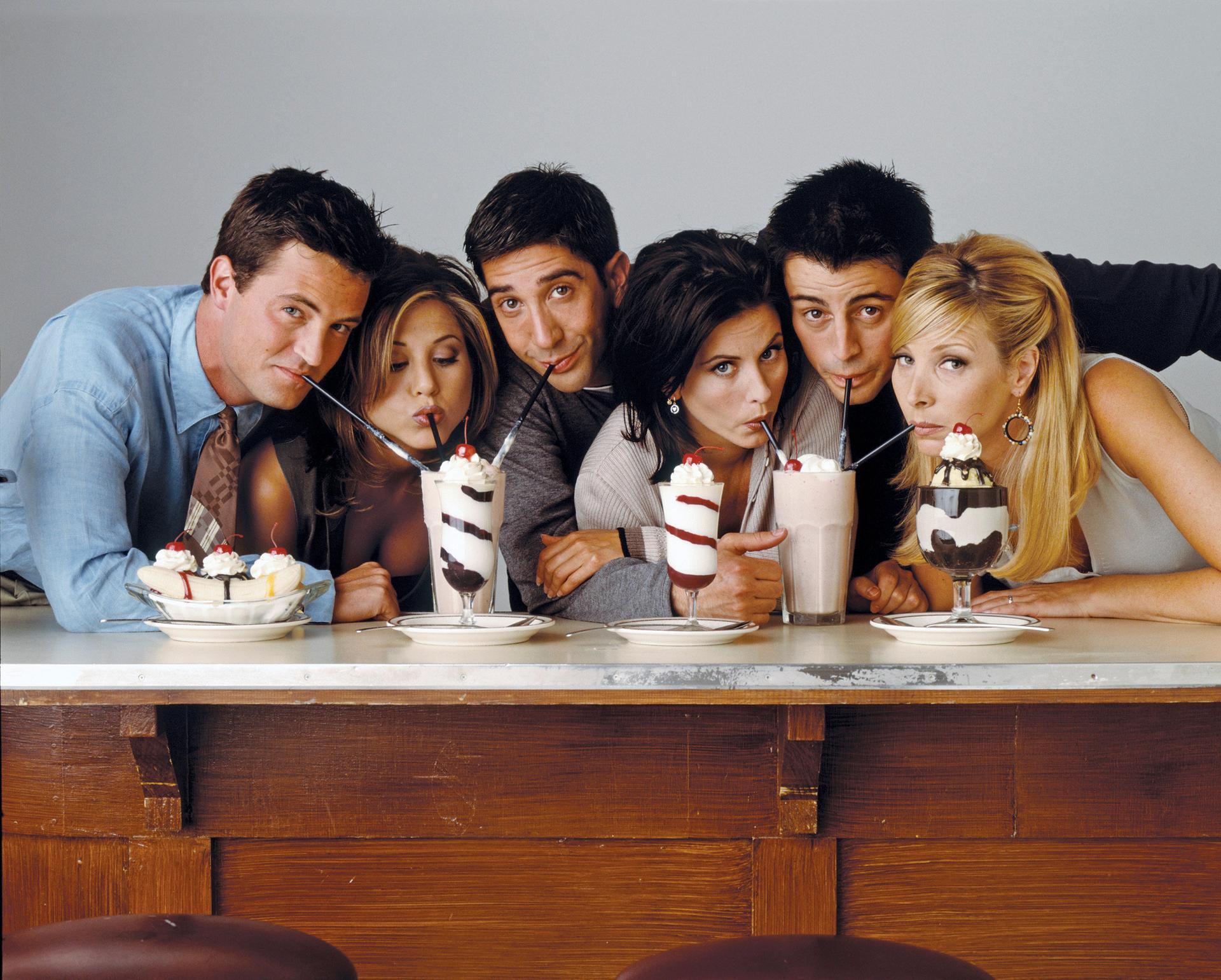
At its core, the branding of Friends was built on unparalleled relatability. The show masterfully captured the universal anxieties and joys of navigating young adulthood. From the awkwardness of first dates and career uncertainties to the profound comfort found in platonic relationships, Friends spoke directly to the experiences of its target demographic. This emotional resonance created a powerful connection that transcended cultural and geographical boundaries. Viewers didn’t just watch Friends; they identified with it. They saw their own struggles, their own friendships, their own aspirations reflected in the lives of Rachel, Monica, Phoebe, Joey, Chandler, and Ross. This deep sense of identification transformed passive viewers into loyal fans, creating a community built around shared experiences and emotional investment. This sustained engagement is a hallmark of successful branding, where the audience feels a genuine stake in the brand’s narrative and continued existence.
Evolving Narratives and Character Arcs: Sustaining Brand Interest
A truly enduring brand requires consistent evolution to remain fresh and engaging. Friends achieved this through its consistent development of character arcs and the introduction of new storylines that mirrored the natural progression of life. Over its ten seasons, the characters aged, experienced significant life events like marriages, births, career changes, and personal growth. This dynamic storytelling ensured that the show remained relevant to its ever-evolving audience. The brand wasn’t static; it matured alongside its viewers. This careful management of narratives prevented stagnation and kept the audience invested in the long-term journeys of their beloved characters. The ability to balance lighthearted humor with genuine emotional depth was a key differentiator, allowing Friends to appeal to a broad spectrum of viewers and maintain its popularity across different life stages. This strategic narrative weaving ensured that the Friends brand remained a source of comfort, humor, and inspiration for a decade.
The Cultural Zeitgeist: Capitalizing on a Moment in Time
Friends premiered in the mid-1990s, a period characterized by burgeoning globalization, the rise of internet culture, and a shift in societal norms regarding relationships and careers. The show tapped into this zeitgeist perfectly. Its portrayal of young, independent individuals forging their own paths in a major urban center resonated with a generation that was increasingly embracing these ideals. The show’s fashion, its music, and its casual yet aspirational lifestyle became aspirational markers for many. Furthermore, the show’s international syndication and its eventual widespread availability on streaming platforms ensured its continuous presence and relevance long after its initial run. This ability to both reflect and shape the cultural landscape is a testament to the powerful branding of Friends, making it a defining cultural artifact of its era and beyond.
The Lasting Impact of the Friends Brand: From Sitcom to Global Phenomenon
The question of when Friends aired, while simple, unlocks a deeper understanding of its lasting legacy. The show’s impact extends far beyond its broadcast dates, influencing pop culture, television production, and the very definition of a successful entertainment brand. Its enduring appeal is a testament to strategic brilliance and inherent relatability.
Merchandise and Spin-offs: Extending Brand Reach
The success of the Friends brand is vividly illustrated by its extensive merchandising and the enduring appeal of its characters beyond the original series. From coffee mugs emblazoned with iconic quotes to clothing lines and even themed restaurants, the Friends brand has successfully transcended the screen and permeated everyday life. The show’s characters and settings have become recognizable symbols, allowing for a continuous stream of consumer products that capitalize on the affection and nostalgia fans hold for the series. This strategic expansion of the brand into merchandise demonstrates a keen understanding of how to leverage audience loyalty for sustained commercial success. While a direct spin-off series has been largely avoided, the enduring popularity of the original cast and the characters they embodied has fueled numerous reunion specials and guest appearances, further reinforcing the brand’s visibility and cultural currency.
The Rise of Streaming and the Re-Discovery of a Classic Brand
The advent of streaming services provided a new lease on life for Friends, transforming it from a beloved classic into a rediscovered global phenomenon for new generations. Platforms like Netflix and HBO Max made the entire series readily accessible to a massive, digitally native audience. This accessibility allowed younger viewers to experience the show that their parents and older siblings grew up with, fostering a multi-generational appreciation for the Friends brand. The show’s timeless themes of friendship, love, and self-discovery resonated just as strongly with Gen Z as they did with the millennials who first embraced it. This re-discovery highlights the inherent strength of the Friends brand; its core values and humor were not tied to a specific era but possessed a universal appeal that transcended technological shifts and generational divides. The enduring presence of Friends on these platforms serves as a powerful testament to its status as a cultural institution and a remarkably resilient brand.

A Case Study in Brand Longevity: Lessons for the Future
The enduring legacy of Friends offers invaluable lessons for brand strategists across all industries. The show’s success is a testament to the power of authentic storytelling, relatable characters, and a consistent, well-defined brand identity. By focusing on universal human experiences and fostering genuine emotional connections with its audience, Friends achieved a level of brand loyalty and cultural penetration that few have matched. The show’s ability to adapt to new platforms and re-engage audiences across generations underscores the importance of evergreen content and strategic brand management. The question of “what year did Friends air” is just the starting point for understanding a brand that continues to captivate hearts and minds, proving that well-crafted stories and genuine human connection remain the most powerful tools in building a lasting brand legacy. The Friends brand is not just a television show; it’s a cultural phenomenon, a testament to the enduring power of shared experiences and the indelible mark that compelling storytelling can leave on the world.
aViewFromTheCave is a participant in the Amazon Services LLC Associates Program, an affiliate advertising program designed to provide a means for sites to earn advertising fees by advertising and linking to Amazon.com. Amazon, the Amazon logo, AmazonSupply, and the AmazonSupply logo are trademarks of Amazon.com, Inc. or its affiliates. As an Amazon Associate we earn affiliate commissions from qualifying purchases.