
Doug Williams etched his name into the annals of sports history by leading the Washington Redskins to victory in Super Bowl XXII on January 31, 1988. This momentous win, which saw Williams named the game’s Most Valuable Player, transcended a mere athletic achievement. It became a pivotal moment in American culture and a powerful testament to the impact of personal branding, resilience, and breaking barriers. Beyond the statistics and the final score, Williams’ triumph in 1988 established an enduring legacy, transforming him into an iconic figure whose story continues to resonate in conversations about leadership, representation, and the crafting of an impactful personal brand within the demanding world of professional sports.

The query “what year did Doug Williams win the Super Bowl?” serves as more than a simple factual question; it’s an entry point into understanding how an individual’s performance on the grandest stage can shape their identity, influence perceptions, and contribute to a powerful brand narrative. In an era where athletes are increasingly recognized as brands unto themselves, Williams’ 1988 victory offers a rich case study in how a singular event can catapult an individual into a realm of lasting relevance, cementing a brand that transcends sports to inspire and educate generations. This article delves into the profound branding implications of that historic victory, exploring how it solidified Williams’ personal brand, amplified the Super Bowl’s status as a cultural phenomenon, and continues to influence the sports landscape today.
The Unforgettable Triumph: Super Bowl XXII and Its Immediate Brand Impact
The journey to Super Bowl XXII was fraught with challenges and expectations, both for the Washington Redskins team and for Doug Williams personally. His performance not only secured a championship but also immediately branded the event with a unique narrative of perseverance and excellence.
Setting the Stage: The Washington Redskins’ Journey
The 1987 NFL season was tumultuous, shortened by a players’ strike that saw replacement players take the field for three games. Despite the disruption, the Washington Redskins, under legendary coach Joe Gibbs, navigated the season with characteristic grit, finishing with an 11-4 record. Their path to the Super Bowl included hard-fought playoff victories, but a cloud of uncertainty often hung over the quarterback position. Jay Schroeder had been the primary starter, but an injury late in the season opened the door for Doug Williams, who had been acquired as a backup in 1986. Williams’ re-emergence as a starting quarterback, after having left the NFL for the USFL in 1983 due to a contract dispute, already carried a compelling backstory. His return to the league, and then to a championship contender, was a narrative in itself, hinting at a remarkable redemption arc that would soon define his brand. The team’s resilience, combined with Williams’ personal journey, created a potent narrative that captivated fans and media alike, setting the stage for a Super Bowl that would transcend typical sporting contests.
Doug Williams’ Improbable Ascent and Record-Setting Performance
Doug Williams’ personal brand before Super Bowl XXII was one of a talented but often overlooked quarterback. He had been the first African-American quarterback drafted in the first round of the NFL Draft in 1978 and had achieved success with the Tampa Bay Buccaneers, even leading them to the NFC Championship game. However, a contract dispute led him to the USFL, and many believed his NFL career was over. His return to Washington as a backup, then his ascendance to the starting role for the playoffs, was already a remarkable turn of events.
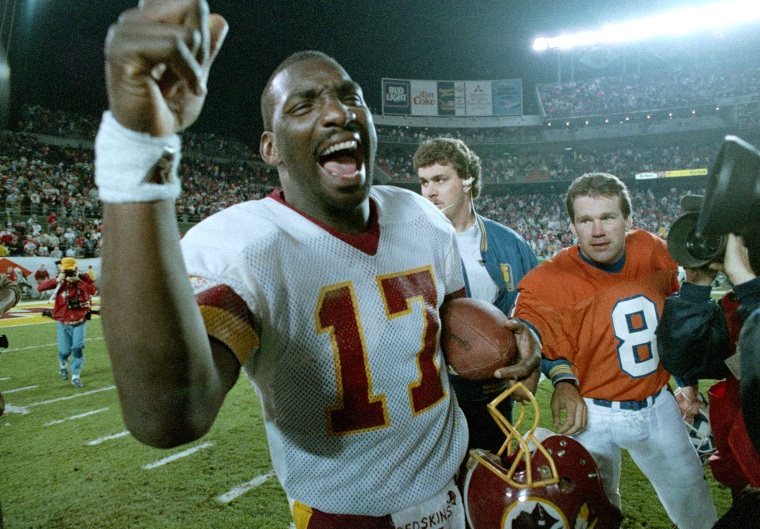
The Super Bowl itself provided the ultimate platform for his brand transformation. In a dramatic turn, after a slow start and an early injury scare, Williams orchestrated one of the most explosive quarters in Super Bowl history. In the second quarter, he threw for 228 yards and four touchdowns, turning a 10-0 deficit into a commanding 35-10 lead against the Denver Broncos. His final stat line—18 of 29 passes for 340 yards and four touchdowns—was record-setting and earned him the Super Bowl MVP award. More importantly, he became the first African-American starting quarterback to win a Super Bowl, a monumental achievement that instantly solidified his personal brand as a trailblazer and a champion. This performance wasn’t just about winning a game; it was about rewriting narratives, breaking barriers, and seizing a moment to define one’s legacy.
The Instant Brand of a Super Bowl Victory
A Super Bowl victory instantly confers an indelible mark on a player’s brand. For Doug Williams, this was amplified manifold. The media narrative surrounding him shifted dramatically from questions about his fitness and ability to celebration of his historic achievement. He was no longer just a quarterback; he was “Doug Williams, Super Bowl Champion” and “the first Black starting quarterback to win the Super Bowl.” These descriptors became intrinsic to his brand identity, resonating far beyond the sports pages. The victory established him as a figure of inspiration, embodying perseverance and the shattering of long-standing racial barriers in professional sports. His post-game interviews and appearances were not merely about football; they became platforms for discussing racial progress, leadership, and the power of belief. The images of Williams hoisting the Lombardi Trophy, his smile beaming, became iconic, instantly branding him as a symbol of triumph against adversity, a narrative that remains central to his public persona to this day.
Forging a Legacy: Doug Williams’ Personal Brand Beyond the Field
While the Super Bowl victory was the catalyst, Doug Williams’ personal brand has been meticulously built and sustained through his actions, advocacy, and continued influence long after his playing days concluded. His brand story is a powerful illustration of how consistent values and a commitment to purpose can create an enduring legacy.
Breaking Barriers and Redefining Expectations
The “first African-American starting quarterback to win a Super Bowl” is a title that forms the cornerstone of Doug Williams’ brand. This isn’t just a historical footnote; it’s a statement of pioneering spirit and a testament to challenging the status quo. For decades, Black quarterbacks faced systemic biases, often pigeonholed into other positions or deemed not intelligent enough to lead an NFL offense. Williams’ victory unequivocally dismantled these stereotypes. His achievement didn’t just open doors; it kicked them down, changing perceptions and inspiring a generation of young Black athletes to pursue the quarterback position. This aspect of his brand speaks to social impact and a profound contribution to the evolution of diversity in sports. He became a symbol of potential realized, a standard-bearer for equality, and his brand became inextricably linked with progress and empowerment. This powerful association ensured his relevance would extend far beyond the fleeting nature of athletic fame.
Post-Playing Career: Leadership, Advocacy, and Enduring Influence
After retiring from playing, Williams seamlessly transitioned into various roles that further solidified his brand as a respected leader and mentor. He coached at universities, served as a scout, and eventually returned to the Washington organization in front-office roles, including Senior Vice President of Player Personnel. In these capacities, he leveraged his experience and insights to identify and develop new talent, directly influencing the careers of many young athletes. His advocacy for diversity within NFL front offices and coaching staffs has been consistent, positioning his brand as one committed to genuine change and opportunity. This post-playing career trajectory demonstrates a deliberate strategy of brand extension, moving from on-field hero to organizational leader and advocate. Each role has allowed him to reinforce the core tenets of his brand: leadership, integrity, and a commitment to opening doors for others.
The Power of Narrative in Personal Branding
Doug Williams’ brand is a masterclass in the power of narrative. His story—from humble beginnings, through a period of being overlooked, to a triumphant return and historic Super Bowl win—is inherently compelling. It’s a hero’s journey that resonates deeply with audiences because it embodies universal themes of perseverance, resilience, and the pursuit of dreams against all odds. This narrative has been meticulously preserved and amplified through countless interviews, documentaries, and public appearances. He has consistently and authentically shared his experiences, linking his past struggles to his present successes and future aspirations. By owning and strategically telling his story, Williams has ensured that his brand remains vibrant and relevant, transcending the immediate context of football to become a powerful example of what is possible when talent meets opportunity and determination. This narrative consistency is a hallmark of strong personal branding.
The Super Bowl as a Branding Juggernaut: A Historical Perspective
The Super Bowl itself is arguably the most powerful sports brand in the world. Doug Williams’ 1988 victory not only contributed to its mystique but also underscored its capacity to create and elevate indelible moments and figures within its vast narrative.
From Sporting Event to Cultural Phenomenon
The Super Bowl began as a championship game, but over decades, it has evolved into a global cultural phenomenon. It’s not just a football game; it’s a national holiday, an advertising spectacle, a concert event, and a communal gathering. This transformation is a testament to meticulous brand building, leveraging mass media, iconic performances, and compelling narratives. Every Super Bowl creates its own legends, its own controversies, and its own memorable moments that become woven into the fabric of American popular culture. Doug Williams’ Super Bowl XXII, with its groundbreaking win, became one of those cornerstone events. It contributed significantly to the Super Bowl’s brand as a stage where history is made, barriers are broken, and underdogs can achieve greatness. The game’s ability to generate such powerful human stories is central to its enduring appeal and colossal branding power.
Branding Through Iconography: Williams’ Place in Super Bowl Lore
Iconography plays a crucial role in brand recognition and recall. Images and symbols associated with the Super Bowl – the Lombardi Trophy, the MVP award, iconic plays, and victorious celebrations – are instantly recognizable. Doug Williams’ image from Super Bowl XXII, particularly photos of him confidently throwing passes, celebrating touchdowns, and raising the trophy, are now firmly embedded in Super Bowl iconography. These images, often revisited in commemorative broadcasts, documentaries, and historical features, serve as powerful reminders of his achievement. They reinforce the Super Bowl’s brand as the ultimate stage for athletic prowess and human drama. His story is routinely cited when discussing pivotal moments in Super Bowl history, ensuring that his brand, and by extension the Super Bowl’s brand, remains fresh and relevant in the collective consciousness. This constant referencing acts as a form of brand advertising, keeping both Williams’ legacy and the Super Bowl’s grandeur alive.
The Enduring Value of Historical Brand Moments
In the world of branding, historical moments possess immense, enduring value. They provide depth, authenticity, and a sense of legacy. For the Super Bowl brand, moments like Williams’ victory are not just past events; they are foundational pillars that define its identity and appeal. They serve as benchmarks against which new achievements are measured and provide a rich tapestry of stories that engage audiences across generations. These historical brand moments humanize the sport, turning abstract games into relatable sagas of human effort and triumph. For Doug Williams, his 1988 victory is the anchor of his brand, providing a timeless reference point that continues to be celebrated, analyzed, and learned from. The ongoing discussion around his achievement ensures its enduring value, perpetually renewing both his personal brand and the broader brand of the Super Bowl as a platform for historic achievement.
Sustaining Relevance: How Doug Williams’ Brand Continues to Resonate
True branding success isn’t just about initial impact; it’s about sustained relevance. Doug Williams’ brand has demonstrated remarkable staying power, continuing to inspire and influence nearly four decades after his historic win.
Mentorship and Community Engagement
A significant aspect of Doug Williams’ enduring brand is his active engagement in mentorship and community work. He has consistently dedicated his time and resources to various charitable initiatives, youth programs, and educational endeavors. By working directly with young athletes and underprivileged communities, he not only gives back but also reinforces the values of hard work, perseverance, and integrity that define his own story. This hands-on approach to community engagement ensures that his brand remains authentic and relatable, connecting him directly with the people he inspires. His willingness to share his experiences and wisdom directly translates into a powerful, living brand that demonstrates its commitment to making a tangible difference, rather than merely relying on past glories.
Media Presence and Commemorative Branding
Doug Williams maintains a regular media presence, frequently appearing in interviews, documentaries, and special features, particularly during significant sports anniversaries or events related to diversity and inclusion. These appearances are not merely nostalgic; they serve to continuously reintroduce his story to new audiences and reinforce his brand messages. Whether it’s discussing the evolution of Black quarterbacks in the NFL or reflecting on the pressures of playing in a Super Bowl, Williams articulates his experiences with clarity and insight. Furthermore, commemorative branding initiatives, such as anniversary celebrations of Super Bowl XXII or historical retrospectives on pioneering athletes, consistently feature Williams. These events, often supported by the NFL and media outlets, serve to honor his legacy while simultaneously keeping his brand at the forefront of public consciousness.
Inspiring Future Generations: A Timeless Brand Message
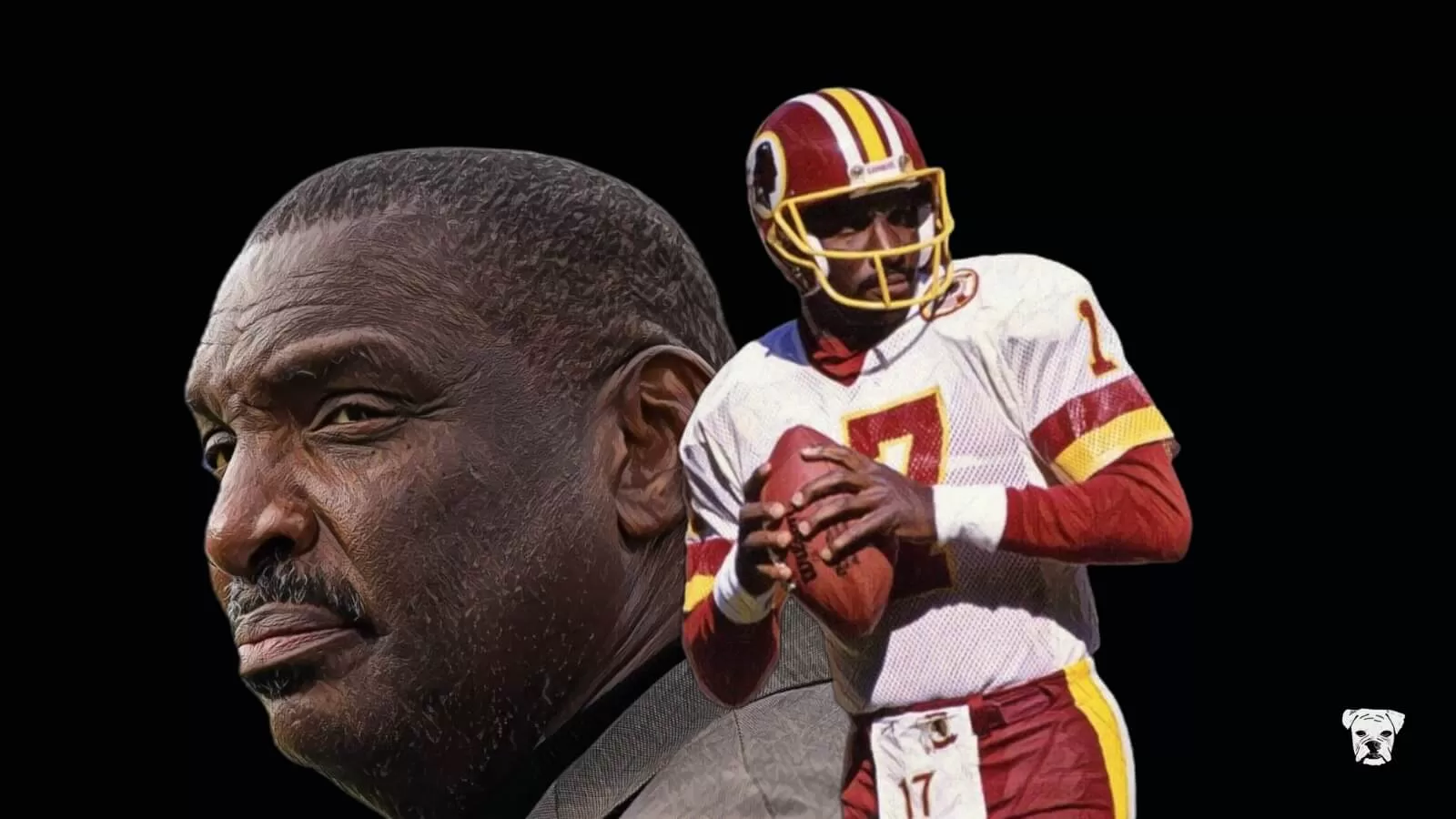
Perhaps the most profound measure of Doug Williams’ enduring brand is its ability to inspire future generations. His story, told repeatedly through various platforms, serves as a timeless message of hope, possibility, and the power of overcoming adversity. Young athletes, particularly those from underrepresented backgrounds, continue to look to Williams as a beacon of what they can achieve. His journey from an overlooked talent to a Super Bowl MVP and a barrier-breaking icon provides a blueprint for resilience and the pursuit of excellence. This aspirational quality is a critical component of any powerful brand. Doug Williams’ brand resonates because it offers more than just a sports memory; it offers a narrative that speaks to the human spirit, demonstrating that with talent, determination, and opportunity, the impossible can indeed become reality. This message ensures his brand will remain relevant and impactful for years to come.
Doug Williams’ Super Bowl XXII victory in 1988 was far more than a triumph on the football field. It was a foundational moment that launched an enduring personal brand rooted in courage, pioneering spirit, and unwavering leadership. His story continues to demonstrate how a singular, high-impact event can shape an individual’s legacy, break societal barriers, and contribute profoundly to the cultural narrative of sports. Through his continued advocacy, mentorship, and presence, Williams has ensured that his brand remains a powerful source of inspiration, proving that true champions are remembered not just for what they accomplish, but for the lasting impact they have on the world.
aViewFromTheCave is a participant in the Amazon Services LLC Associates Program, an affiliate advertising program designed to provide a means for sites to earn advertising fees by advertising and linking to Amazon.com. Amazon, the Amazon logo, AmazonSupply, and the AmazonSupply logo are trademarks of Amazon.com, Inc. or its affiliates. As an Amazon Associate we earn affiliate commissions from qualifying purchases.