
It’s the question that has launched a thousand fortunes, inspired countless algorithms, and fueled the dreams (and occasional nightmares) of investors worldwide: “What will the stock market do tomorrow?” This seemingly simple inquiry sits at the heart of financial speculation, yet it holds a profound truth for anyone serious about wealth building: attempting to answer it with certainty is a fool’s errand. The allure of a crystal ball that reveals tomorrow’s market movements is undeniable, promising a shortcut to riches. However, the reality of financial markets is far more complex, a chaotic dance of economic indicators, human psychology, geopolitical shifts, and unpredictable events. Rather than chasing the impossible dream of short-term prediction, a truly insightful approach to investing focuses on understanding the underlying forces at play, managing risk, and cultivating a long-term perspective. This article delves into why predicting tomorrow’s market is a fruitless exercise and outlines the foundational principles and strategies that empower investors to navigate uncertainty and build enduring wealth, regardless of daily fluctuations.
The Illusion of Tomorrow: Why Short-Term Predictions Fail
The human mind craves order and predictability, especially when it comes to money. This fundamental psychological trait often leads investors down the path of seeking forecasts for immediate market movements. However, the very nature of financial markets renders such short-term predictions largely unreliable, even for the most seasoned professionals. Understanding why this is the case is the first step toward a more robust investment philosophy.
The Efficient Market Hypothesis in Practice
At the core of this challenge lies the Efficient Market Hypothesis (EMH), a cornerstone of modern financial theory. In its strong form, the EMH posits that all available information – public and private – is already reflected in stock prices. This means that current prices fully incorporate everything known about a company, an industry, or the broader economy. Consequently, consistently profiting from predicting future price movements based on existing information becomes impossible. While some critics argue against its perfect applicability, especially in times of irrational exuberance or panic, the EMH strongly suggests that any new, impactful information is almost instantly priced into the market. By the time an individual investor hears about a “hot tip” or a developing trend, the market has likely already adjusted, negating any potential for outsized, predictable gains.
Random Walk Theory and Market Noise
Complementing the EMH is the Random Walk Theory, which suggests that stock price changes are random and unpredictable. This isn’t to say that prices don’t move based on fundamentals or news; rather, it implies that the timing and magnitude of these movements, on a day-to-day basis, cannot be consistently forecast. Imagine a coin flip – each toss is independent of the last, making it impossible to predict the next outcome. Similarly, market movements are often described as a “random walk with a positive drift” (reflecting the long-term upward trend of economies). The daily price fluctuations, or “noise,” are a confluence of countless individual decisions, micro-events, and short-term trading algorithms, none of which can be reliably modeled for consistent short-term prediction. Attempting to discern a pattern in this noise is akin to trying to predict the exact path of a single raindrop in a storm.
The Predictors’ Paradox: Why Experts Get It Wrong
If even the most sophisticated financial institutions, armed with vast data, advanced algorithms, and brilliant minds, cannot consistently predict tomorrow’s market, what hope does the individual investor have? This is the “predictors’ paradox.” While financial media is replete with analysts offering daily, weekly, and monthly market forecasts, a review of their track records often reveals a patchy success rate. The incentives are clear: prediction generates engagement and viewership. However, the reality is that many “expert” predictions often cancel each other out, or prove spectacularly wrong. The inherent unpredictability stems from the sheer number of variables, many of which are non-quantifiable or arise from unforeseen circumstances. Relying on such predictions can lead to impulsive decisions, higher trading costs, and ultimately, poorer long-term returns as investors jump in and out of the market based on fleeting advice.
Deciphering the Drivers: Macroeconomic Forces at Play
While predicting the immediate future of the stock market is a fool’s errand, understanding the broad macroeconomic forces that influence its long-term trajectory and occasional significant shifts is paramount. These drivers provide context, helping investors to gauge the overall health of the economy and the general direction of corporate profitability, which ultimately underpins stock valuations.
Interest Rates and Central Bank Policies
Among the most powerful levers influencing financial markets are interest rates, primarily set by central banks like the U.S. Federal Reserve. Lower interest rates generally make borrowing cheaper for companies and consumers, stimulating economic activity and making stocks relatively more attractive compared to fixed-income investments (like bonds). Conversely, higher rates can cool an overheating economy, but they also increase borrowing costs for businesses, potentially reducing profits, and make bonds more appealing as an alternative. Central bank commentary and actions regarding monetary policy – whether raising, lowering, or holding rates steady, or engaging in quantitative easing/tightening – are meticulously watched by investors for clues about future economic conditions and market sentiment. These policies can dictate the flow of capital and significantly impact market sectors differently.
Inflation and Economic Growth Indicators
Inflation, the rate at which the general level of prices for goods and services is rising, is another critical market driver. Moderate inflation can be a sign of a healthy, growing economy. However, high or runaway inflation erodes purchasing power, increases business costs, and can prompt central banks to raise interest rates aggressively, creating headwinds for the stock market. Economic growth, typically measured by Gross Domestic Product (GDP), indicates the overall expansion or contraction of an economy. Strong GDP growth often translates into higher corporate earnings, which generally supports stock prices. Investors closely monitor a myriad of economic indicators – employment figures, consumer spending, manufacturing output, housing starts, and more – to assess the health and momentum of the economy. A positive outlook on these indicators tends to foster investor confidence, while weakening data can signal potential downturns.
Geopolitical Events and Global Shocks
Beyond the purely economic, geopolitical events can introduce significant volatility and uncertainty into financial markets. Wars, trade disputes, political instability in major economies, or global crises (such as pandemics) can trigger rapid and often unpredictable market reactions. These events can disrupt supply chains, alter consumer behavior, shift commodity prices, and fundamentally change the risk assessment of entire regions or industries. While their exact timing and impact are impossible to predict, understanding ongoing geopolitical tensions and their potential ramifications allows investors to be better prepared for possible market disruptions. Such shocks often test the resilience of investment portfolios and highlight the importance of diversification and a long-term perspective to ride out the storm.
Corporate Earnings and Sector Performance
Ultimately, stock market performance is driven by the earnings of the underlying companies. Strong and consistent corporate earnings growth provides fundamental support for higher stock valuations. Conversely, declining profits or missed earnings expectations can lead to share price declines. Investors pay close attention to quarterly earnings reports, looking not just at the headline numbers but also at revenue growth, profit margins, and forward guidance provided by company management. Beyond individual company performance, different sectors of the economy often perform differently depending on the economic cycle. For example, technology stocks might thrive during periods of innovation and growth, while defensive sectors like utilities or consumer staples might be more resilient during economic slowdowns. Understanding these cyclical trends and sector-specific catalysts can help investors build a diversified portfolio that is less susceptible to the underperformance of any single sector.
Investor Psychology: The Human Element of Market Swings
Even with a thorough understanding of macroeconomic fundamentals, financial markets are not purely rational mechanisms. They are profoundly influenced by human emotions and psychological biases, often leading to herd behavior and market fluctuations that defy logical explanation. Recognizing the impact of investor psychology is crucial for making disciplined, long-term investment decisions.
Fear, Greed, and the Herd Mentality
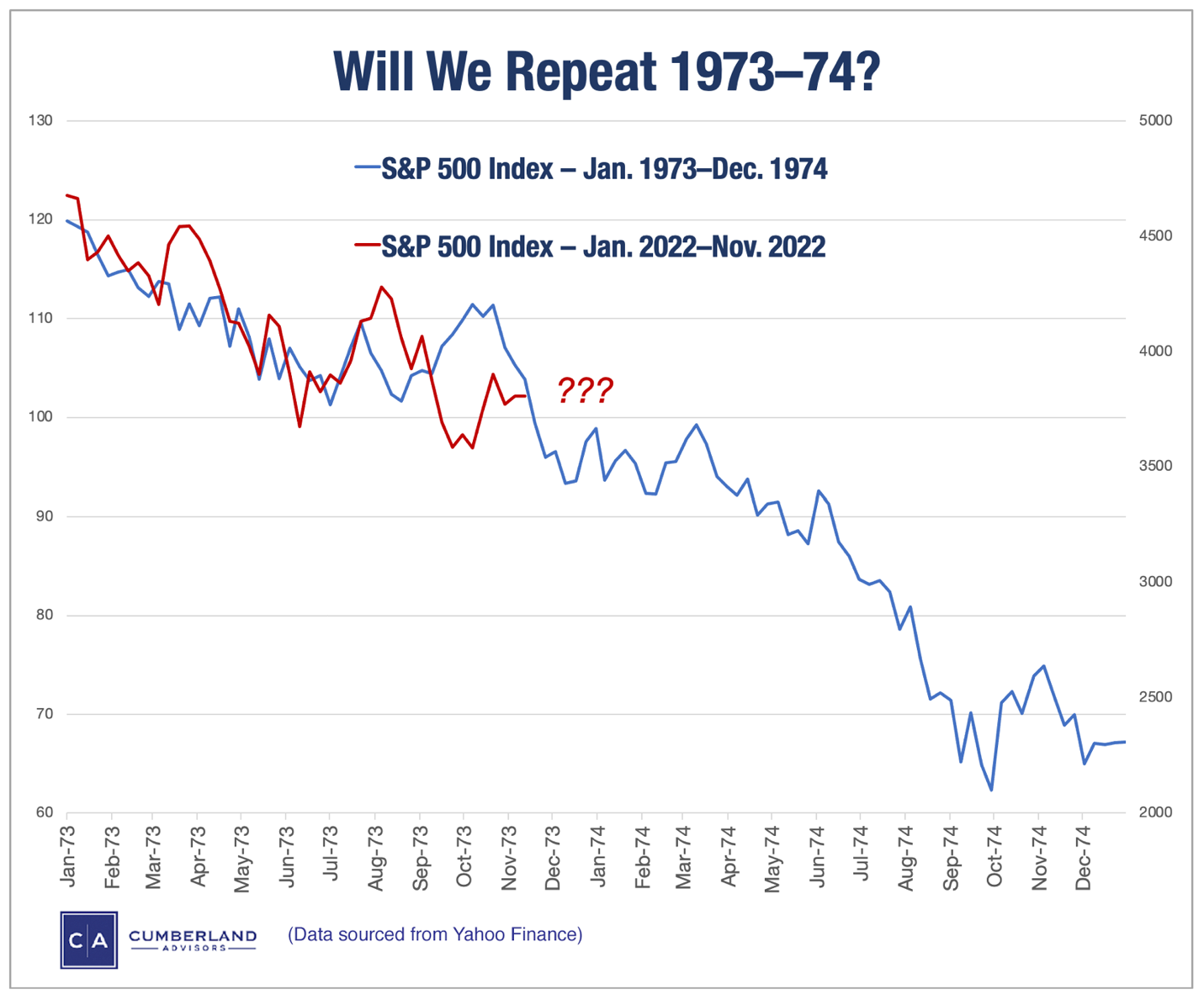
The primary emotions driving investor behavior are fear and greed. When markets are rising, greed can lead to irrational exuberance, where investors chase high-flying stocks regardless of their underlying value, fueled by the fear of missing out (FOMO). This can contribute to asset bubbles. Conversely, during market downturns, fear can trigger panic selling, causing investors to liquidate assets at a loss, driven by the fear of further losses. These individual emotional responses are often amplified by the “herd mentality,” where investors mimic the actions of the majority, even if those actions are not based on sound analysis. When everyone is buying, others want to join in; when everyone is selling, the panic spreads like wildfire. This collective behavior can create self-fulfilling prophecies, pushing markets to extremes disconnected from economic realities.
Behavioral Biases That Impact Decision-Making
Beyond overt emotions, a range of cognitive biases subtly influences investor decisions, often leading to suboptimal outcomes. Confirmation bias, for example, makes investors seek out and interpret information that confirms their existing beliefs, while ignoring contradictory evidence. Overconfidence bias leads individuals to believe their investment skills are better than average, resulting in excessive risk-taking. Loss aversion, the tendency to prefer avoiding losses over acquiring equivalent gains, can cause investors to hold onto losing investments too long, hoping for a rebound, or sell winning investments too early to “lock in” profits. Anchoring bias involves relying too heavily on the first piece of information encountered (the “anchor”) when making decisions. Understanding these ingrained human tendencies is the first step towards mitigating their negative impact on one’s portfolio and adopting a more rational, systematic approach to investing.
The News Cycle and Market Reactions
The relentless 24/7 news cycle plays a significant role in shaping investor sentiment and triggering short-term market reactions. Every piece of economic data, every corporate announcement, every political statement, and every geopolitical development is scrutinized, analyzed, and often sensationalized. While news provides important information, the sheer volume and speed of its dissemination can create a sense of urgency and amplify emotional responses. Investors often react impulsively to breaking headlines, leading to knee-jerk buying or selling that can temporarily push asset prices away from their intrinsic value. A slight change in rhetoric from a central bank official, a minor beat or miss in an earnings report, or a speculative rumor can cause significant intraday volatility. Astute investors understand that much of this “noise” is temporary and often irrelevant to the long-term prospects of quality investments, choosing to filter out the immediate drama and focus on enduring fundamentals.
Strategies for the Unpredictable: Building a Robust Investment Framework
Given the futility of predicting tomorrow’s market and the pervasive influence of macroeconomic factors and human psychology, a robust investment framework must prioritize discipline, long-term vision, and risk management. Instead of attempting to time the market, successful investors focus on time in the market.
The Power of Diversification
Diversification is perhaps the most fundamental principle of risk management in investing. It involves spreading investments across various asset classes (stocks, bonds, real estate, commodities), different sectors, geographies, and company sizes. The rationale is simple: when one part of your portfolio is underperforming, another part may be performing well, thus smoothing out overall returns and reducing the impact of any single negative event. A well-diversified portfolio aims to capture market returns while minimizing exposure to idiosyncratic risks. For example, if a specific industry faces headwinds, the impact on a diversified portfolio is contained because other industries or asset classes are likely unaffected or even thriving. True diversification goes beyond simply owning many different stocks; it involves thoughtfully constructing a portfolio whose components react differently to various economic conditions, providing a cushion against unexpected shocks.
Dollar-Cost Averaging: Smoothing Out Volatility
Dollar-cost averaging (DCA) is a disciplined investment strategy where an investor commits to investing a fixed amount of money at regular intervals (e.g., monthly or quarterly), regardless of the market’s current state. This approach eliminates the need to time the market and leverages its natural volatility. When prices are high, your fixed investment buys fewer shares; when prices are low, it buys more shares. Over time, this strategy averages out the purchase price, often resulting in a lower average cost per share than if one were to try and guess market bottoms. DCA removes emotion from the investment process, encouraging consistent saving and investing, which is a powerful engine for wealth creation, especially for long-term goals like retirement. It turns market downturns from a source of panic into an opportunity to buy more assets at a discount.
Long-Term Horizon and Compounding Returns
The single most potent tool for wealth creation in the stock market is a long-term investment horizon, coupled with the magic of compounding returns. Historically, despite numerous corrections, bear markets, and crises, the stock market has demonstrated a strong upward trend over extended periods (decades). By investing for the long term, investors allow their capital to grow, and then those returns also begin to generate returns, creating an exponential growth effect known as compounding. This patient approach means that daily, weekly, or even monthly market fluctuations become mere noise in the grand scheme of things. Instead of obsessing over tomorrow’s market movements, long-term investors focus on the fundamental quality of their investments and their ability to generate returns over many years. This strategy demands discipline and the ability to ignore short-term market drama, a trait that often differentiates successful investors from those who chase fleeting trends.
Rebalancing and Risk Management
Even with a well-diversified, long-term strategy, periodic portfolio rebalancing is essential. Rebalancing involves adjusting your portfolio back to its original target asset allocation. For example, if your target is 70% stocks and 30% bonds, and a strong bull market pushes your stock allocation to 80%, rebalancing would involve selling some stocks and buying more bonds to return to the 70/30 split. This process is a disciplined way to manage risk, ensuring your portfolio doesn’t become overly concentrated in one area that has performed exceptionally well, which can increase overall risk. It also forces investors to “sell high” and “buy low” – selling portions of outperforming assets and buying more of underperforming ones to restore balance. Consistent risk management, through diversification, asset allocation, and rebalancing, ensures that your portfolio remains aligned with your financial goals and risk tolerance, regardless of what tomorrow’s market brings.
Beyond the Daily Fluctuation: Focus on Financial Well-being
While the question “What will the stock market do tomorrow?” captures our immediate attention, a truly insightful perspective recognizes that lasting financial well-being extends far beyond the daily gyrations of equity prices. It’s about constructing a holistic financial life that is resilient to market volatility and aligned with one’s personal values and objectives.
Financial Planning Over Market Timing
The distinction between financial planning and market timing is fundamental. Market timing is the speculative attempt to predict future market movements to buy low and sell high – an endeavor that, as discussed, is virtually impossible to do consistently. Financial planning, on the other hand, is a strategic, goal-oriented process that involves setting clear financial objectives (e.g., retirement, buying a home, funding education), creating a budget, managing debt, building an emergency fund, choosing an appropriate asset allocation based on risk tolerance and time horizon, and regularly reviewing progress. It’s about designing a roadmap for your financial life, where investments are merely tools to achieve specific goals, rather than ends in themselves. A comprehensive financial plan provides a framework for making rational decisions, shielding you from the emotional whims of the market and preventing impulsive actions based on short-term news.
Investing in Yourself and Your Knowledge
Perhaps the most valuable investment one can make is not in stocks or bonds, but in oneself. This includes continuous learning, skill development, health, and personal growth. A higher income earned through an enhanced career, entrepreneurial ventures, or side hustles directly increases the capital available for saving and investing, accelerating wealth accumulation regardless of market conditions. Moreover, financial literacy – understanding investment principles, tax implications, and economic concepts – empowers individuals to make informed decisions and critically evaluate financial advice. The more you understand about how money works and how markets function, the less susceptible you become to fear, greed, and short-term noise. Investing in knowledge is an investment with an exceptionally high return, offering dividends throughout your financial journey.
The Importance of a Financial Advisor
For many, navigating the complexities of investing and financial planning can be overwhelming. This is where a qualified financial advisor can provide invaluable assistance. A good advisor doesn’t have a crystal ball to predict tomorrow’s market; rather, they help clients clarify their financial goals, assess their risk tolerance, develop a suitable investment strategy, construct a diversified portfolio, and stick to their plan during market ups and downs. They act as a behavioral coach, helping clients avoid common investing pitfalls driven by emotion. Furthermore, advisors can provide expertise on complex areas such as tax planning, estate planning, and retirement strategies, integrating investments into a broader financial picture. Their value lies not in knowing “what will the stock market do tomorrow,” but in helping clients prepare for any market tomorrow by fostering discipline, offering objective guidance, and maintaining a long-term perspective.
In conclusion, the enduring question of “what will the stock market do tomorrow?” is a captivating but ultimately distracting one. The real power in investing comes not from clairvoyance, but from understanding the foundational principles of long-term wealth creation. By embracing the unpredictability of short-term movements, focusing on robust macroeconomic drivers, acknowledging the human element of market psychology, and implementing disciplined strategies like diversification and dollar-cost averaging, investors can build resilient portfolios. Ultimately, true financial well-being is achieved through comprehensive financial planning, continuous self-investment, and, when needed, the guidance of a trusted advisor – all of which empower individuals to navigate any market, tomorrow and well into the future.
aViewFromTheCave is a participant in the Amazon Services LLC Associates Program, an affiliate advertising program designed to provide a means for sites to earn advertising fees by advertising and linking to Amazon.com. Amazon, the Amazon logo, AmazonSupply, and the AmazonSupply logo are trademarks of Amazon.com, Inc. or its affiliates. As an Amazon Associate we earn affiliate commissions from qualifying purchases.