
The smartphone industry has reached a level of maturity where year-over-year upgrades often feel iterative rather than revolutionary. However, in the tech ecosystem, certain cycles carry more weight than others. As rumors regarding the iPhone 16 solidify, the gaze of the enthusiast and professional community is already shifting toward 2025. The iPhone 17 is shaping up to be more than just a seasonal refresh; it appears to be a pivotal moment for Apple’s hardware engineering and design philosophy.
From drastic changes in chassis thickness to the long-awaited evolution of the display tech across the entire lineup, the iPhone 17 represents a significant leap in the “Tech” category. Below, we explore the technical specifications, aesthetic shifts, and hardware innovations that will likely define the next generation of the world’s most popular mobile device.
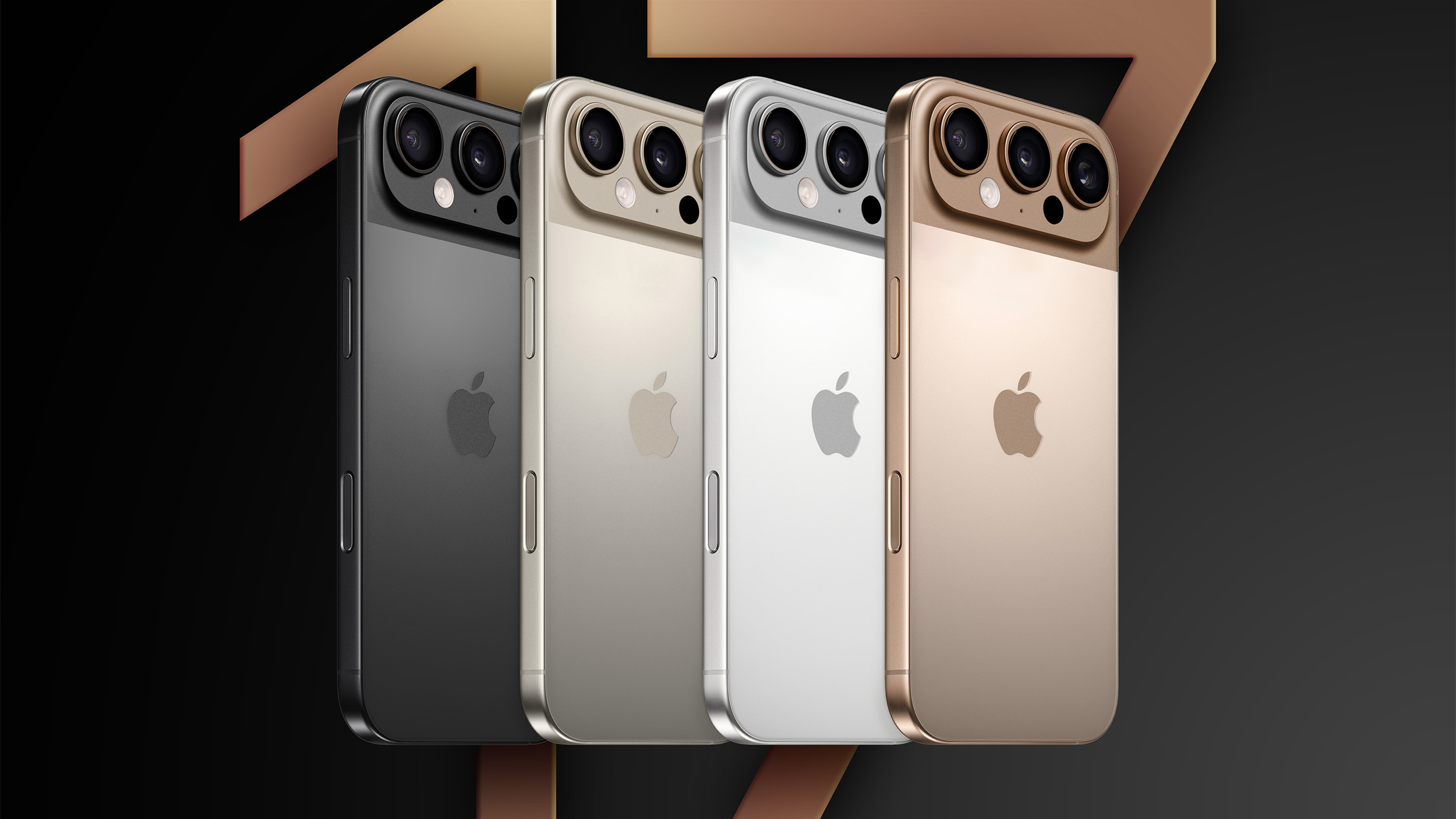
Design Evolution: The “Slim” and Aesthetic Shifts
For several years, the iPhone’s physical silhouette has remained largely consistent, defined by the flat-edge design introduced with the iPhone 12. While titanium brought a lighter feel to the Pro models recently, the iPhone 17 is expected to introduce the most radical change to the device’s form factor since the iPhone X.
The Introduction of the “iPhone 17 Slim”
The most persistent rumor circulating among supply chain analysts involves the introduction of a brand-new model, often referred to as the “iPhone 17 Slim” or “iPhone 17 Air.” This device is expected to replace the “Plus” model, which has struggled to find a significant market foothold. The “Slim” isn’t just about weight; it is a showcase of Apple’s ability to miniaturize internals.
Early reports suggest a significantly thinner aluminum chassis that challenges the current constraints of battery density and thermal management. This model is rumored to sit between the standard iPhone 17 and the iPhone 17 Pro in terms of screen size (roughly 6.6 inches) but may carry a premium price tag due to its complex, ultra-thin engineering.
Materials and Durability: Beyond Titanium
While the Pro models will likely continue to utilize Grade 5 Titanium for its strength-to-weight ratio, the iPhone 17 series is expected to debut a new type of outer glass. Developed in partnership with Corning, this new “super-hard” anti-reflective layer is rumored to be more scratch-resistant than the current Ceramic Shield. Technically, this involves a transition to a more resilient ion-exchange process that reduces micro-abrasions over time, ensuring the device maintains its premium finish even without a screen protector.
Display Innovation and the Death of the Notch
Apple’s display technology has historically been bifurcated, with the Pro models enjoying the “ProMotion” 120Hz refresh rates while the base models remained at 60Hz. The iPhone 17 cycle is expected to finally bridge this gap, bringing high-end display tech to the entire family.
120Hz ProMotion for All Models
By 2025, the industry expectation for even mid-range devices will be high refresh rates. The iPhone 17 is widely expected to transition its base models to LTPO (Low-Temperature Polycrystalline Oxide) OLED panels. This is a crucial technical shift because LTPO allows for a variable refresh rate. Not only does this mean smoother scrolling and gaming for the standard iPhone 17 user, but it also enables the “Always-On” display feature previously exclusive to the Pro line. By hardware-limiting the base models no longer, Apple is raising the floor for the smartphone user experience.
Under-Display Face ID and Reduced Cutouts
The “Dynamic Island” was a clever software solution to a hardware limitation, but the goal has always been a true “all-screen” experience. The iPhone 17 Pro is rumored to be the first device to move some of the Face ID components beneath the display. While a small circular cutout for the front-facing camera will likely remain, the footprint of the sensors will shrink significantly. This requires a sophisticated sub-pixel arrangement where light can pass through the display to the infrared sensors without compromising the image quality of the screen itself—a massive hurdle in panel engineering.

The Silicon Core: A19 Pro and the AI Revolution
At the heart of any iPhone leap is the silicon. For the iPhone 17, the story isn’t just about raw speed; it’s about the architectural efficiency required to run generative AI locally.
The 2nm Process Leap
Apple’s partner, TSMC, is currently racing toward the 2-nanometer (2nm) production process. If the timelines align, the A19 Pro chip inside the iPhone 17 Pro could be among the first processors in the world built on this node. In technical terms, a smaller nanometer process allows for more transistors to be packed into the same square millimeter. This results in a projected 10-15% increase in performance and up to a 30% reduction in power consumption compared to the 3nm chips. This efficiency is what will allow for the “Slim” model’s thin profile without sacrificing battery life.
Apple Intelligence and On-Device Processing
The iPhone 17 will be the first device designed from the ground up for “Apple Intelligence” in its matured state. To handle large language models (LLMs) and diffusion models on-device, the A19 chips will likely feature a massively beefed-up Neural Engine. Furthermore, rumors suggest a jump in RAM across the board. The iPhone 17 Pro models may transition to 12GB of RAM (up from 8GB), a technical necessity to keep AI processes resident in memory for instant response times without draining the battery through constant storage swapping.
Optics and Imaging: A Major Lens Overhaul
Apple has slowly been moving toward a uniform 48-megapixel resolution across its rear camera array. The iPhone 17 Pro is expected to complete this transition, while the front-facing camera receives its first major upgrade in years.
The 48MP Telephoto Milestone
The iPhone 15 Pro Max introduced the tetraprism 5x optical zoom, but it relied on a 12MP sensor. The iPhone 17 Pro Max is expected to upgrade this telephoto lens to a 48MP sensor. This is a critical technical upgrade for professional photographers. A higher-resolution sensor in the zoom lens allows for better “computational cropping,” meaning users could get high-quality 10x or 15x digital zoom by leveraging the extra pixels. It also ensures that ProRAW photos remain consistent in detail across all three lenses (Ultra-Wide, Main, and Telephoto).
The 24MP Selfie Revolution
The front-facing camera has been 12MP since the iPhone 11. For the iPhone 17, Apple is rumored to be moving to a 24MP sensor with a six-element lens. Technically, this allows for much higher detail and better performance in low-light environments. The shift to a six-element lens (up from five) also helps correct for lens aberrations and distortion at the edges of the frame, which is particularly important for group shots and high-definition FaceTime calls.
The Strategic Roadmap: Refining the Ecosystem
Beyond the screen and the chip, the iPhone 17 will likely introduce changes to how the device communicates with the world and manages its internal resources.
The In-House 5G Modem
One of Apple’s most ambitious long-term projects is the development of its own 5G modem to replace Qualcomm’s hardware. The iPhone 17 may serve as the debut platform for this chip. An in-house modem allows Apple to integrate the communication suite directly with the A-series chip more tightly, leading to better power efficiency, faster wake-from-sleep times for data, and better integration with satellite connectivity features.
Advanced Thermal Management
With the push toward thinner designs and more powerful AI processing, heat is the enemy. The iPhone 17 is expected to utilize a “sheet-type” graphite thermal system combined with a potential transition to stainless steel battery casings (as seen in some Apple Watch models). These materials help dissipate heat more effectively across the surface area of the phone, preventing the processor from “throttling” (slowing down) during intensive tasks like 4K video editing or high-end gaming.
Conclusion: A New Era of Hardware
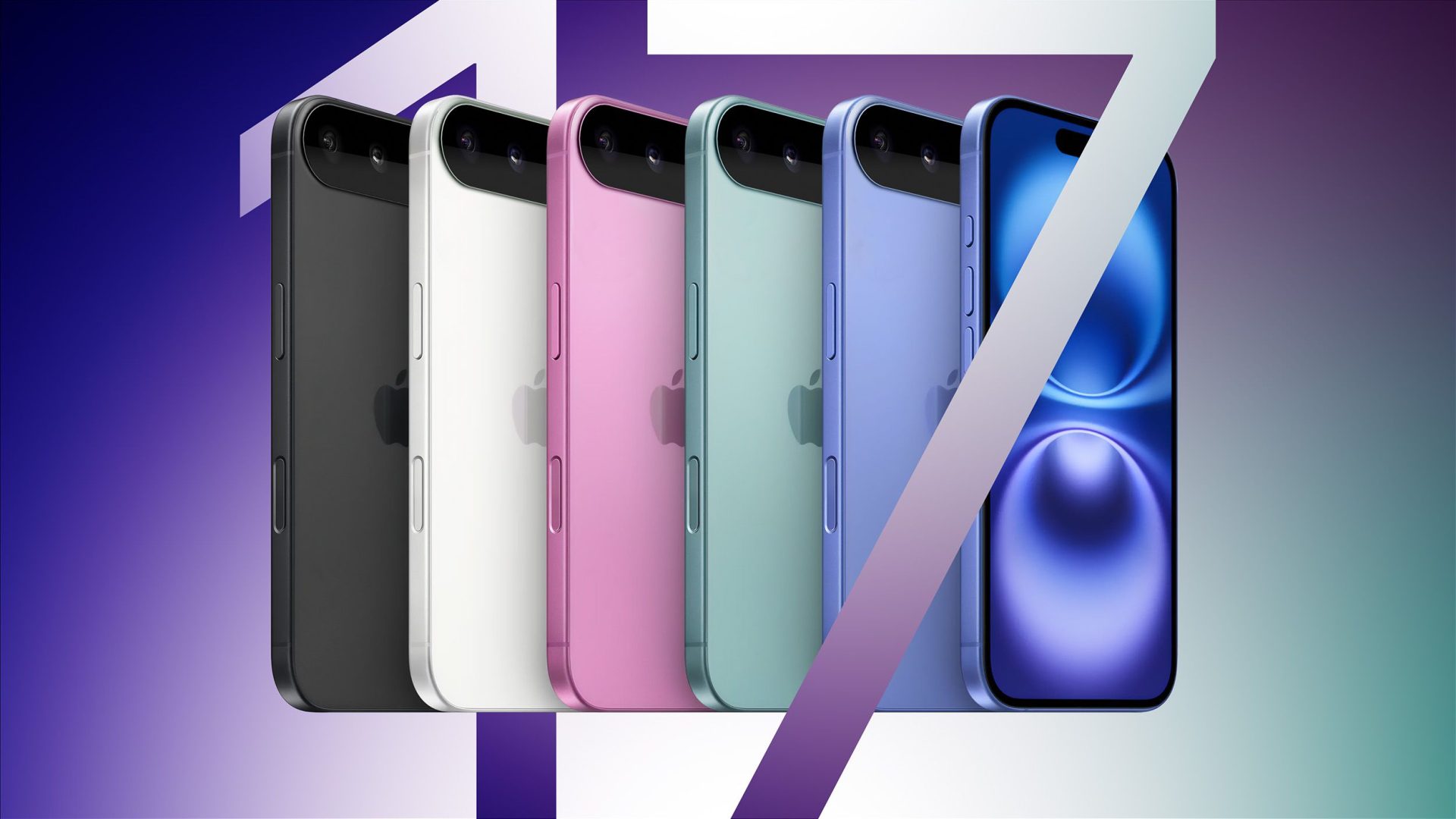
What will the iPhone 17 look like? It will look like the realization of several long-term technical goals. It moves Apple closer to the “slab of glass” ideal by shrinking the camera cutouts and thinning the chassis. It democratizes high-end display technology with LTPO panels for everyone. Most importantly, it anchors the hardware in the age of AI, providing the RAM and silicon density required for a truly “intelligent” smartphone. For those who found recent updates underwhelming, the iPhone 17 appears to be the technological leap worth waiting for.
aViewFromTheCave is a participant in the Amazon Services LLC Associates Program, an affiliate advertising program designed to provide a means for sites to earn advertising fees by advertising and linking to Amazon.com. Amazon, the Amazon logo, AmazonSupply, and the AmazonSupply logo are trademarks of Amazon.com, Inc. or its affiliates. As an Amazon Associate we earn affiliate commissions from qualifying purchases.