
The announcement that FX’s critically acclaimed comedy-horror series, “What We Do in the Shadows,” will conclude its celebrated run after its upcoming sixth season has sent ripples of disappointment through its dedicated fanbase. While the term “canceled” often carries a negative connotation, in the context of a beloved and critically lauded show, it prompts a more nuanced examination of its brand longevity, its impact on the streaming landscape, and the intricate relationship between creators, networks, and their audience. This article will delve into the brand implications of “What We Do in the Shadows” reaching its natural conclusion, exploring how its unique identity has fostered a fiercely loyal community, the strategic decisions that likely contributed to its acclaimed but finite lifespan, and the potential avenues for its continued brand resonance beyond the screen.

The End of an Era: Preserving the “What We Do in the Shadows” Brand Identity
The decision to conclude a show, especially one as creatively vibrant as “What We Do in the Shadows,” is rarely a sudden or arbitrary one. Instead, it often reflects a deliberate strategy to preserve the integrity and distinctiveness of a brand, ensuring its legacy remains untarnished by overstaying its welcome. For a show that masterfully blended mockumentary style with supernatural absurdity, maintaining a consistent tone and comedic rhythm has been paramount to its success.
The Art of the Mockumentary: A Brand Differentiator
“What We Do in the Shadows” inherited its brand DNA from the cult classic 2014 film of the same name, co-written and directed by Taika Waititi and Jemaine Clement. The film’s innovative approach to portraying vampires not as terrifying creatures of the night, but as eternally bickering, mundane housemates grappling with modern life, was a stroke of comedic genius. The transition to television allowed this core concept to be further explored and expanded, introducing new characters and scenarios while remaining true to the original’s anarchic spirit. The mockumentary format itself became a cornerstone of the brand, enabling a unique form of character immersion and comedic vulnerability. The characters’ direct address to the camera, their oblivious pronouncements, and their perpetual state of existential ennui, all delivered with a deadpan sincerity, became hallmarks of the show’s comedic brand. This distinctive format allowed for a constant stream of fresh comedic scenarios, as the mundane realities of suburban life collided with the extraordinary, and often absurd, lives of immortal beings.
Building a Loyal Following: From Niche Appeal to Mainstream Recognition
From its inception, “What We Do in the Shadows” carved out a distinct niche within the television landscape. Its blend of sharp wit, physical comedy, and a surprisingly empathetic portrayal of its monstrous protagonists resonated deeply with a discerning audience. This initial niche appeal, however, gradually evolved into mainstream recognition, a testament to the show’s consistent quality and its ability to transcend its genre boundaries. The series’ brand grew not just through critical acclaim, but through word-of-mouth, social media buzz, and the cultivation of a passionate fan community. This community actively engaged with the show, dissecting its intricate jokes, creating fan art, and participating in online discussions, further solidifying the brand’s cultural footprint. The show’s success also highlights a broader trend in the streaming era: the power of unique, character-driven content to attract and retain a dedicated viewership. Networks and streaming platforms are increasingly recognizing that while broad appeal is desirable, a strong, distinct brand identity can foster a more profound and lasting connection with a specific audience.
Strategic Storytelling: The Value of a Defined Arc
Unlike many shows that are renewed season after season until their creative well runs dry, “What We Do in the Shadows” appears to be operating with a more strategic approach to its narrative arc. The decision to end the show after six seasons, as confirmed by showrunner Paul Simms, suggests a commitment to delivering a cohesive and satisfying conclusion. This proactive approach to ending a series can be a powerful brand-building tool. It allows creators to meticulously craft a final season that ties up loose ends, provides meaningful character development, and offers a memorable farewell to its beloved characters. This stands in contrast to shows that are unceremoniously canceled mid-story, leaving fans frustrated and the brand’s potential legacy incomplete. By choosing a defined ending, the creators are signaling a respect for the audience and a desire to leave them with a complete and fulfilling artistic statement, thereby preserving the show’s reputation for quality and thoughtful storytelling.
The Network’s Perspective: Balancing Creative Vision with Commercial Viability
The decision to conclude a successful show is rarely solely in the hands of the creators. Networks and studios play a crucial role, balancing the creative aspirations of their talent with the commercial realities of the television industry. For FX, a network renowned for its commitment to bold and original programming, “What We Do in the Shadows” has been a flagship series, consistently delivering critical acclaim and a dedicated viewership.
FX’s Brand Identity: A Home for Distinctive Storytelling
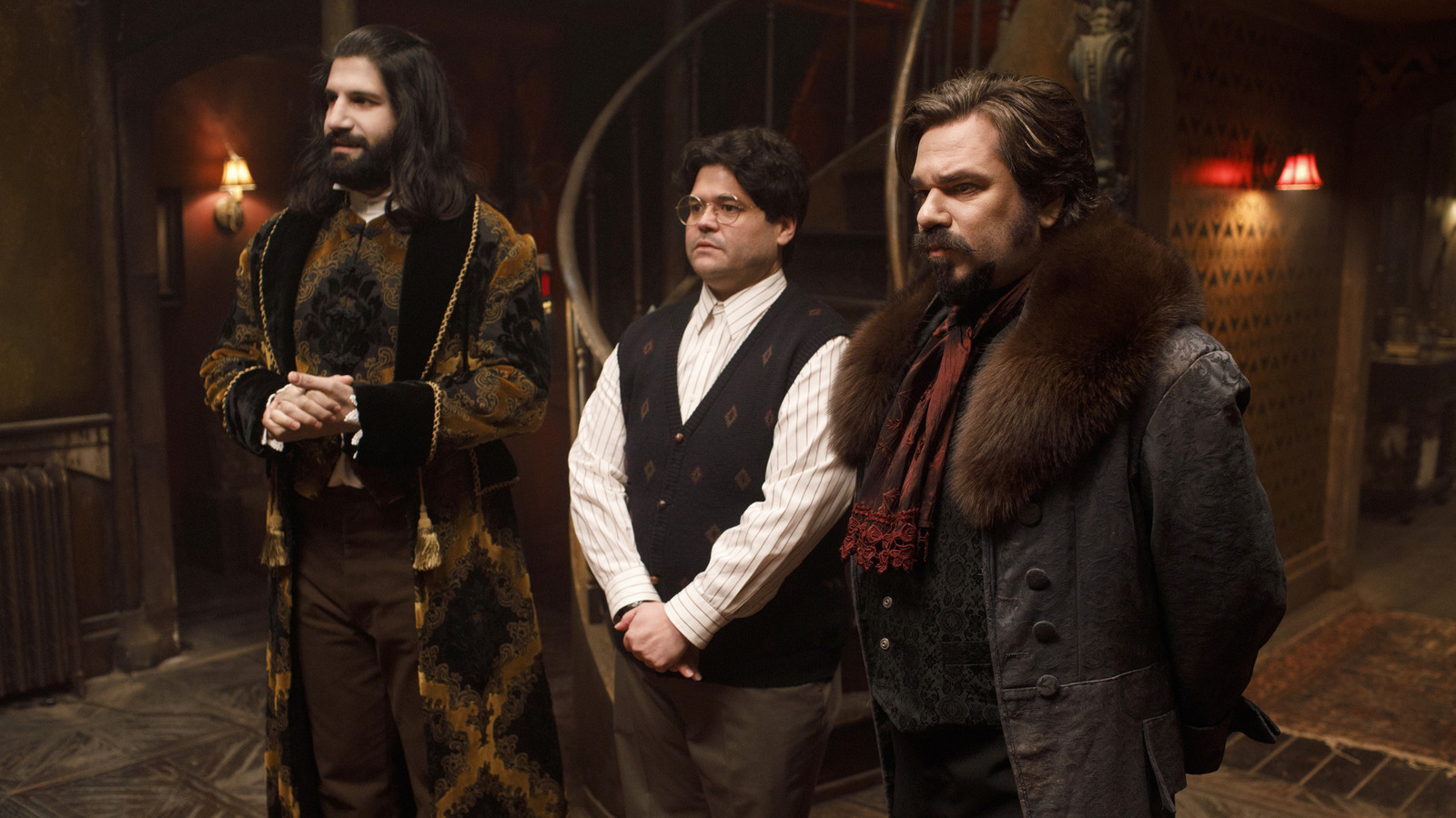
FX has cultivated a powerful brand identity as a network that champions creative risk-taking and offers a platform for shows with unique voices and perspectives. Shows like “The Shield,” “Mad Men,” “Atlanta,” and “The Americans” have all contributed to this reputation. “What We Do in the Shadows” fits perfectly within this brand ethos, offering a comedic sensibility that is both sharp and unconventional. The network’s willingness to invest in and nurture such distinctive content has fostered a loyal audience that trusts FX to deliver high-quality, thought-provoking television. The decision to allow “What We Do in the Shadows” to conclude on its own terms, rather than forcing it into further seasons, likely aligns with this brand philosophy of prioritizing artistic integrity over prolonged commercial exploitation. This approach reinforces FX’s image as a curator of exceptional television, where the quality of the storytelling is paramount.
The Economics of Television: Navigating Production Costs and Audience Reach
While “What We Do in the Shadows” has garnered significant critical praise and a devoted following, the economic realities of television production are always a factor. As a show matures, production costs can rise, and the audience growth, while steady, might eventually plateau. Networks must assess whether the continued investment in a series remains a sound business decision when weighed against other programming opportunities. The decision to end “What We Do in the Shadows” could be influenced by these economic considerations, particularly in the competitive streaming landscape where subscriber numbers and content acquisition costs are under constant scrutiny. However, the longevity of the show (five seasons and counting before the announcement of the sixth) suggests that it has been a financially viable and creatively rewarding venture for FX. The network’s decision to allow it a final season signals a commitment to seeing the show through to a satisfying conclusion, rather than a purely cost-cutting measure.
The Legacy of Success: A Foundation for Future Ventures
Even as the series concludes, the success of “What We Do in the Shadows” leaves an indelible mark on FX’s brand. It has proven the network’s ability to launch and sustain a critically acclaimed comedy that finds a significant audience. This success can serve as a powerful precedent for future ambitious projects, attracting both talent and viewers who are drawn to FX’s reputation for quality and originality. The show’s enduring popularity, even after its run, could also lead to lucrative syndication deals and merchandising opportunities, further extending its brand value. The network’s strategic decision to conclude the show on a high note allows its legacy to be remembered for its consistent brilliance, rather than its potential decline, thereby strengthening FX’s brand as a platform for television excellence.
The Fan Connection: Sustaining the “What We Do in the Shadows” Fandom Beyond the Screen
The true measure of a show’s brand success often lies in the enduring connection it fosters with its audience. For “What We Do in the Shadows,” the fan community has been an integral part of its journey, actively participating in its cultural moment and ensuring its continued relevance. The “cancellation” of the series, therefore, presents an opportunity to explore how this vibrant fandom can continue to thrive and how the show’s brand can evolve beyond its on-screen narrative.
Cultivating a Dedicated Community: The Power of Shared Humor
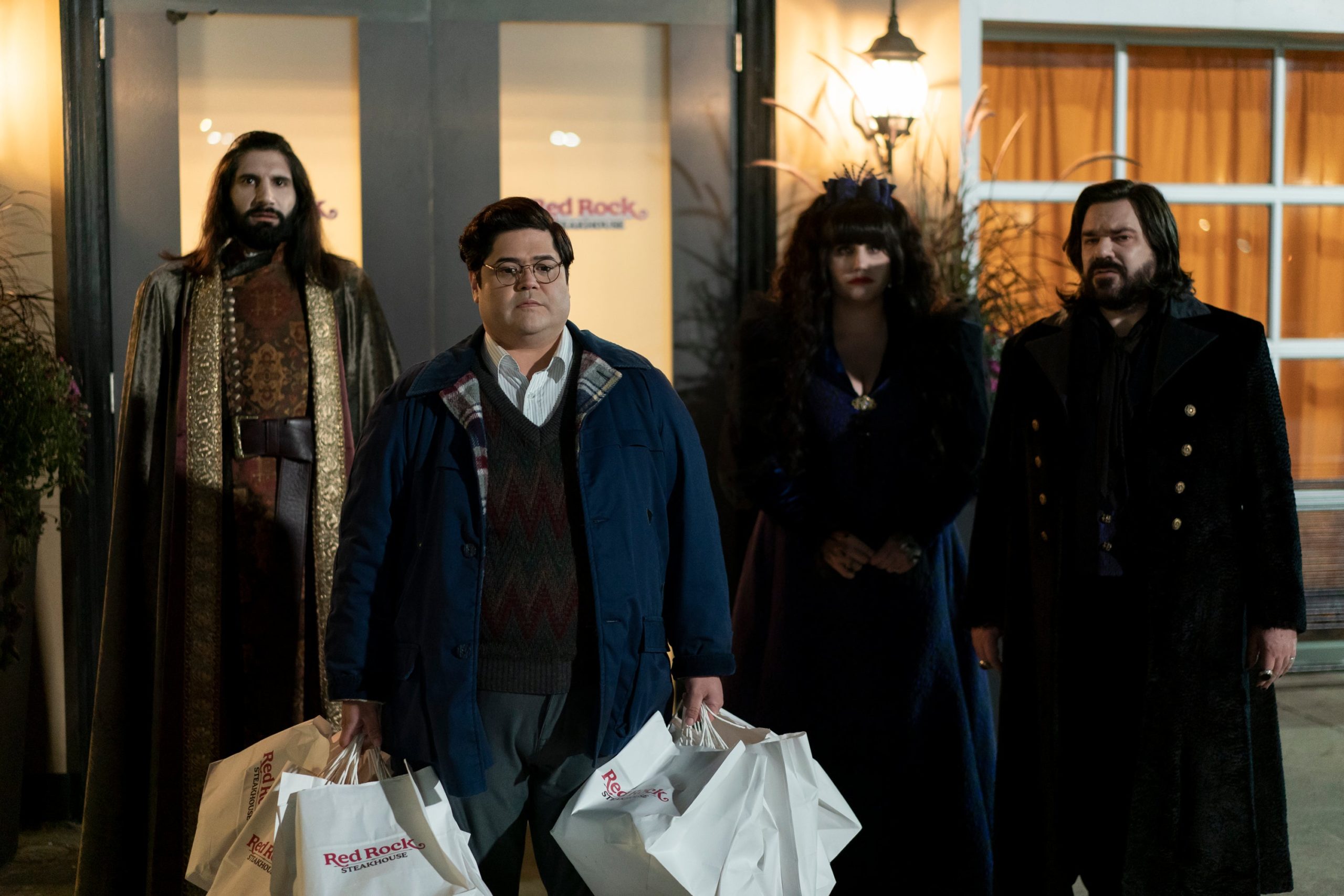
The unique humor of “What We Do in the Shadows” has fostered a powerful sense of community among its viewers. The show’s ability to find humor in the mundane, the absurd, and the eternally frustrating aspects of immortal life has resonated deeply with a global audience. This shared appreciation for its comedic sensibilities has translated into a highly engaged online fanbase. Platforms like Reddit, Twitter, and dedicated fan forums have become hubs for discussion, analysis, and the creation of fan-generated content. This active participation not only strengthens the bond between fans but also serves as a powerful marketing engine, organically promoting the show and its distinctive brand. The communal experience of laughing together at the hapless antics of Nandor, Laszlo, Nadja, and Colin Robinson creates a sense of belonging that transcends passive viewing.
The Longevity of Brand Love: Merchandising and Spin-offs
While the primary narrative may be coming to an end, the “What We Do in the Shadows” brand has significant potential for longevity through various avenues. Merchandising, from t-shirts featuring iconic catchphrases to stylized depictions of the characters, can keep the brand visible and tangible for fans. Furthermore, the rich universe established by the show, with its intricate lore and eccentric characters, opens doors for potential spin-off series or even animated projects. Such ventures, if executed with the same creative flair and commitment to quality that defined the original series, could introduce the brand to new audiences while offering existing fans more of what they love. The success of other franchises in expanding their universes, such as “The Mandalorian” within the Star Wars saga, demonstrates the potential for well-loved brands to thrive beyond their initial form. The core appeal of “What We Do in the Shadows” – its blend of humor, heart, and supernatural absurdity – is a strong foundation upon which to build future storytelling.
The End as a Beginning: Preserving a Legacy of Excellence
The “cancellation” of “What We Do in the Shadows” is not an ending, but rather a transition. By concluding the series on its own terms, the creators and FX are ensuring that the show’s legacy is one of uncompromised quality and creative integrity. This deliberate ending allows the series to be remembered as a groundbreaking comedic achievement, a testament to the power of original storytelling. The anticipation for the final season, coupled with the ongoing discussions and fan engagement, underscores the enduring impact of the show’s brand. As the final episodes unfold, the focus will undoubtedly shift to celebrating what has been, and to anticipating how the spirit of “What We Do in the Shadows” will continue to influence comedy and television for years to come. The brand’s strength lies not just in its current on-screen presence, but in its ability to inspire, entertain, and foster a lasting appreciation for its unique brand of supernatural silliness.
aViewFromTheCave is a participant in the Amazon Services LLC Associates Program, an affiliate advertising program designed to provide a means for sites to earn advertising fees by advertising and linking to Amazon.com. Amazon, the Amazon logo, AmazonSupply, and the AmazonSupply logo are trademarks of Amazon.com, Inc. or its affiliates. As an Amazon Associate we earn affiliate commissions from qualifying purchases.