
The concept of social hierarchy has been a fundamental organizing principle of human societies throughout history. From the earliest tribal structures to vast empires and modern nation-states, humans have instinctively, or perhaps necessarily, established systems of stratification. Traditionally, these hierarchies were rigid, often dictated by birth, land ownership, military prowess, religious authority, or access to tangible resources. Power flowed from the top down, with social mobility being a rare exception rather than an accessible pathway.
However, the question “what was the social hierarchy?” is no longer a simple past-tense inquiry. In our rapidly evolving digital age, the very nature of hierarchy is undergoing a profound transformation. While ancient markers of status and power haven’t entirely disappeared, they are now interwoven with, challenged by, and often amplified by the relentless advance of technology, the strategic crafting of personal and corporate brands, and the dynamic flows of digital money. To understand social hierarchy today, we must look beyond traditional class structures and examine how Tech, Brand, and Money converge to create a new, often more fluid but equally complex, system of influence, status, and power.
The Foundations: Traditional Hierarchies and Their Evolution
Before diving into the modern paradigm, it’s crucial to acknowledge the historical bedrock upon which contemporary hierarchies are built. For millennia, social structures were largely immutable for the individual.
Ancient Structures: From Pharaohs to Feudal Lords
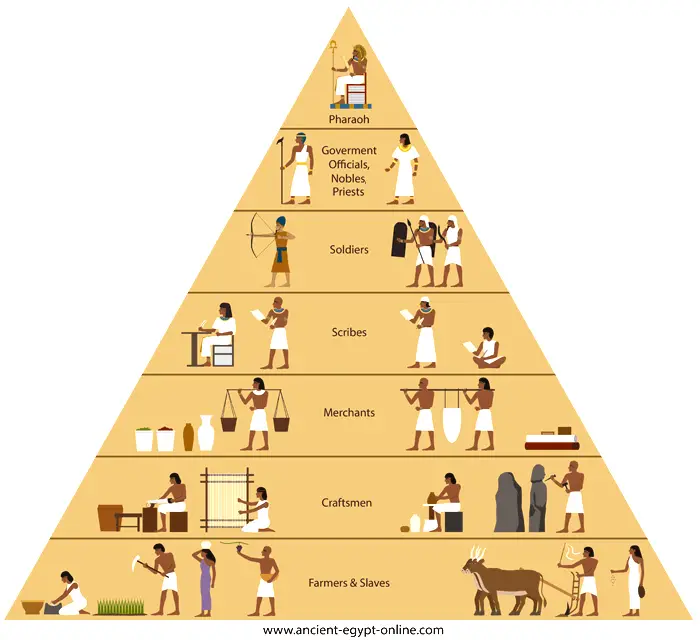
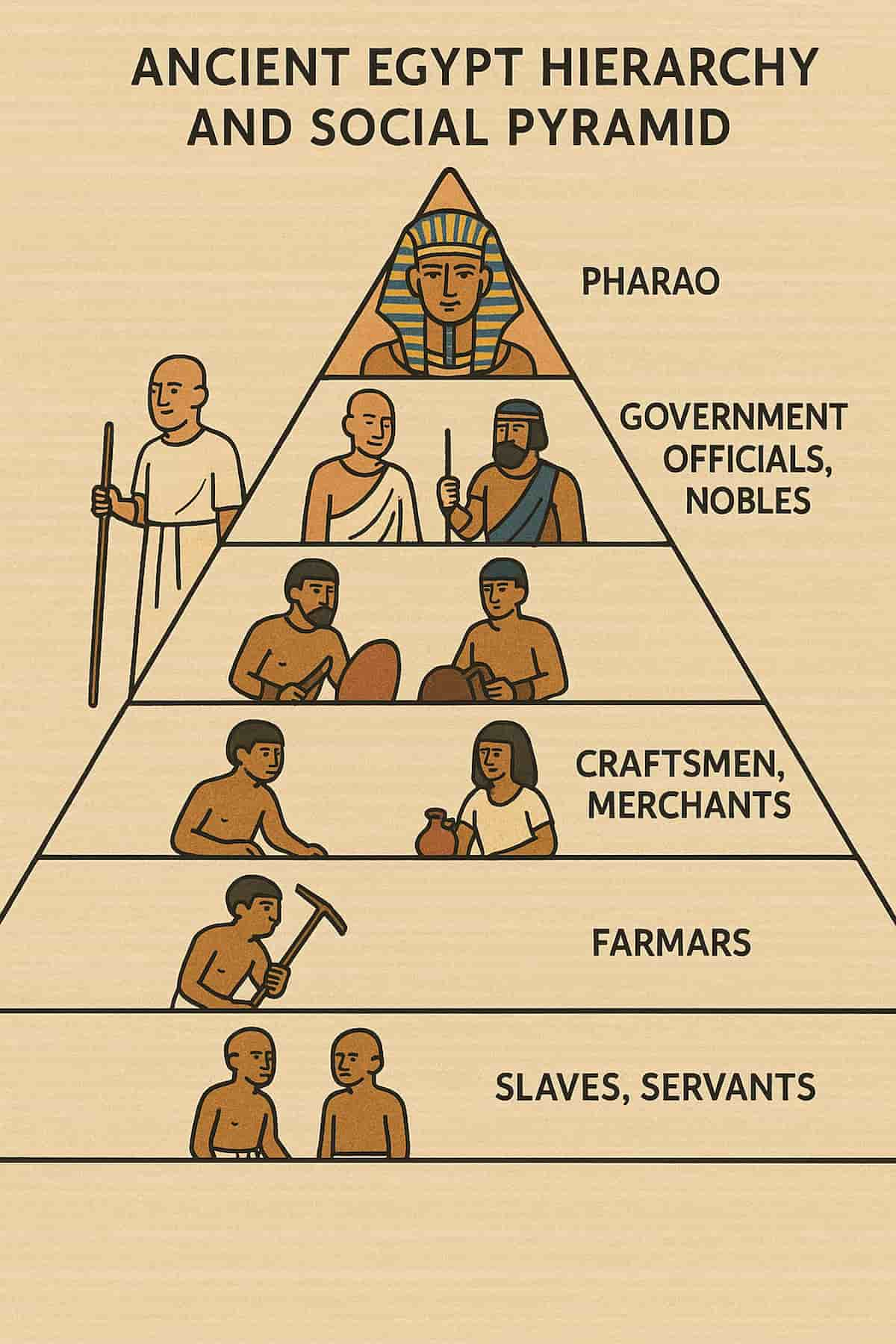
In ancient civilizations, hierarchies were typically steep and divinely ordained. Pharaohs, emperors, and kings sat at the apex, often considered gods or their direct representatives. Below them were priests, nobles, and warriors, followed by merchants, artisans, and finally, the vast majority of peasants and slaves. Social status was inherited; one was born into their station, with little hope of upward mobility. Land ownership was paramount, granting not just wealth but also political and social power, a system that persisted through feudal Europe where lords controlled vast estates and the lives of their serfs.
The Industrial Revolution’s Shift: Capital and Class
The advent of the Industrial Revolution marked a significant departure. While birthright remained important, economic capital began to rival, and eventually surpass, land as the primary determinant of social standing. A new class system emerged: the wealthy industrialists and financiers at the top, followed by a burgeoning middle class of professionals and skilled workers, and finally, the working class who fueled the factories. This era highlighted the power of accumulated wealth and the ability to control means of production, laying the groundwork for many of our contemporary economic hierarchies. Money, in its most tangible forms, became the clearest indicator of one’s place in society, although the path to acquiring it was still largely dictated by existing advantages.
The Digital Revolution’s Reshaping: Tech as an Equalizer and Enabler of New Divides
The information age, propelled by the digital revolution, has introduced a fascinating duality to social hierarchy. Technology has simultaneously acted as a great equalizer, dismantling traditional gatekeepers, and as a powerful accelerator of new forms of inequality and stratification.
Tech and the Democratization of Opportunity
The internet, and subsequently mobile technology and sophisticated software, have dramatically lowered barriers to entry for wealth creation and personal advancement. For the first time in history, an individual with a laptop and an internet connection can build a global business, access unparalleled educational resources, or reach millions with their ideas.
- Online Income & Side Hustles: Platforms like Etsy, Shopify, YouTube, and various freelancing marketplaces (Upwork, Fiverr) have empowered millions to generate income outside traditional employment structures. The gig economy, though often critiqued for its precariousness, offers flexibility and opportunity for those seeking to supplement their income or forge entirely new career paths. This democratizes access to money-making avenues that were once reserved for established businesses.
- Personal Branding: Social media platforms (Instagram, TikTok, LinkedIn, X) have become stages for individuals to cultivate a personal brand, establish expertise, and build influence. A content creator with millions of followers can wield significant economic and cultural power, often surpassing traditional celebrities or corporate figures. This phenomenon directly links Tech to Brand, allowing individuals to build credibility and marketability without institutional backing.
- Access to Information and Education: Online courses, open-source resources, and digital libraries have made knowledge accessible on an unprecedented scale. This can bridge educational gaps, allowing individuals from disadvantaged backgrounds to acquire high-value skills (like coding or data science) that command premium salaries, thus directly impacting their ability to accumulate Money and climb the social ladder.
The New Digital Elites and the Tech Divide
While technology democratizes some opportunities, it also concentrates immense wealth and power in the hands of a new elite. The founders of multi-billion-dollar tech companies, venture capitalists, and highly skilled professionals in specialized fields like AI and blockchain development now occupy the apex of a new economic hierarchy.
- Concentration of Wealth: The scale of digital platforms and the network effects they generate mean that a small number of companies and individuals can accumulate vast fortunes in a short period. This leads to significant wealth disparity, where the gains of the digital economy are not evenly distributed. The market capitalization of a handful of tech giants can exceed the GDP of entire nations, giving their leaders unprecedented influence.
- Digital Literacy as Capital: Access to technology is one thing; the ability to effectively leverage it – digital literacy, critical thinking, understanding algorithms – is another. A growing “tech divide” isn’t just about internet access but about the skills needed to thrive in a digital-first world. Those without these skills risk being marginalized, further entrenching existing social and economic inequalities.
- Algorithmic Influence: The algorithms that power our social media feeds, search results, and e-commerce recommendations hold immense power. They shape public discourse, influence purchasing decisions, and can even impact democratic processes. The ability to understand, manipulate, or simply be prioritized by these algorithms becomes a new form of social capital, directly linking Tech to Brand and Money. Companies and individuals who master SEO, content strategy, and platform analytics gain a significant advantage in visibility and influence.
Branding the Self: Crafting Identity in a Networked World
In an increasingly interconnected and information-saturated world, how one presents themselves and their ideas – their brand – has become an indispensable element of social positioning and success. This applies equally to individuals and corporations.
Personal Branding: The New Social Currency
The concept of “personal branding,” once a niche idea for public figures, is now mainstream. In a globalized, digital job market and gig economy, an individual’s online presence and perceived expertise can be as valuable as their resume or academic qualifications.
- Building Reputation Online: Platforms like LinkedIn, X, and personal websites serve as digital portfolios, allowing professionals to showcase their work, share insights, and build a network. A strong personal brand can attract job opportunities, speaking engagements, and investment, directly translating into economic gain (Money) and enhanced social standing.
- Influence as Capital: “Influencers” – individuals who have cultivated a significant following and authority in a particular niche – represent a powerful new class. Their ability to sway opinions and consumer behavior gives them a unique form of social and economic leverage. This phenomenon underscores how Tech (social media platforms) enables the creation of Brand (personal influence) which, in turn, generates Money (endorsements, product sales). Thought leadership, too, is a critical component, with individuals leveraging their expertise to become recognized authorities, often through content creation enabled by digital tools.
Corporate Branding and Ethical Imperatives
For businesses, branding has always been crucial, but the digital age has intensified its importance and complexity. Corporate identity is no longer just about a logo or a catchy slogan; it encompasses values, transparency, and a company’s social and environmental impact.
- Reputation and Trust: In an era of instant information and social media scrutiny, a brand’s reputation can be made or broken overnight. Ethical breaches, poor customer service, or perceived insincerity can lead to rapid financial losses and irreparable damage to public perception. Conversely, strong, values-driven brands can command premium prices and foster intense customer loyalty. This highlights how Brand directly impacts Money through consumer trust and market value.
- Attracting Talent and Investment: A strong corporate brand is essential not only for attracting customers but also for recruiting top talent and securing investment. Employees, particularly younger generations, are increasingly drawn to companies with clear missions, positive work cultures, and demonstrated social responsibility. Investors, too, are increasingly considering ESG (Environmental, Social, and Governance) factors, meaning a company’s brand image and ethical practices can influence its access to capital. This interlocks Brand with both Money and the human capital that drives Tech innovation.
Money in the Digital Age: Old Power, New Manifestations
Money has always been a primary driver and indicator of social hierarchy. While this remains true, the digital age has fundamentally altered how money is earned, managed, invested, and displayed, creating new pathways and challenges within the social structure.
Financial Democratization vs. Concentrated Wealth
Technology has ushered in an era of financial democratization, making tools and opportunities traditionally reserved for the wealthy accessible to the masses.
- Accessible Investing and Personal Finance: Fintech applications have revolutionized personal finance. Robo-advisors make investing accessible to those with modest capital, budgeting apps empower individuals to manage their money more effectively, and commission-free trading platforms have opened stock markets to a new generation of investors. Cryptocurrencies and blockchain technology offer alternative financial systems, challenging traditional banking structures and offering new avenues for wealth creation (or loss). These Tech innovations directly address personal Money management and investing.
- Crowdfunding and Peer-to-Peer Lending: Platforms like Kickstarter and GoFundMe have allowed individuals and small businesses to raise capital directly from the public, bypassing traditional banks and venture capitalists. This democratizes access to capital, enabling innovation and entrepreneurship that might otherwise be stifled.
- But the Gap Persists: Despite these democratizing forces, wealth concentration remains a defining feature of modern societies. The largest gains from tech booms often accrue to those already wealthy or well-connected, who can invest early in high-growth startups or leverage complex financial instruments. The ability to understand and navigate sophisticated financial tools, often powered by Tech, can exacerbate the divide between those who can make their money work for them and those who struggle to simply earn a living.
The Gig Economy and New Work Structures
The gig economy, a direct product of Tech platforms, has fundamentally reshaped how many individuals earn Money and define their professional identity. While offering flexibility and autonomy for some, it also presents new challenges to social hierarchy.
- Flexibility and Entrepreneurship: For many, the gig economy offers a pathway to entrepreneurship, allowing them to monetize their skills on their own terms. It can be a powerful engine for side hustles, enabling individuals to diversify their income streams and build financial resilience, thus influencing their social mobility.
- Precarity and Exploitation: However, the gig economy also often lacks the traditional benefits and protections of full-time employment, leading to precarious work conditions for many. Workers can face unpredictable income, lack of health insurance, and limited opportunities for career advancement. This creates a new underclass within the social hierarchy, reliant on platforms that dictate terms and take a significant cut of earnings. The Tech that connects workers to clients can also be seen as a new form of control, where algorithms, rather than human managers, dictate efficiency and pay, impacting individuals’ Money and ultimately their social standing.
Conclusion: A Fluid and Interconnected Hierarchy
The question “what was the social hierarchy?” reveals a landscape far more intricate than historical models suggest. While foundational elements like wealth and power persist, they are now inextricably linked to, and often defined by, the forces of technology, branding, and dynamic financial systems.
Modern social hierarchy is less about fixed castes and more about fluidity, influenced by an individual’s ability to leverage digital tools (Tech), cultivate a compelling public identity (Brand), and navigate an increasingly complex financial landscape (Money). The traditional elite still hold sway, but their power is now challenged and augmented by digital natives, influential content creators, and innovative entrepreneurs who can build empires from code and curated online presences.
Technology has democratized access to opportunities for wealth and influence, offering pathways for upward mobility that were unimaginable even a few decades ago. Yet, it has also created new divides, concentrating immense power and wealth in the hands of a digital few, and introducing new forms of precarity for others. Branding, whether personal or corporate, is no longer an optional extra but a critical determinant of success, reputation, and market value. And money, the age-old arbiter of status, is now earned, managed, and displayed in myriad digital forms, from cryptocurrency portfolios to online income streams.
Ultimately, social hierarchy in the 21st century is a dynamic, interconnected web where proficiency in Tech, mastery of Brand strategy, and shrewd financial acumen (Money) are key currencies. Understanding this interplay is essential not only for comprehending our current social structures but also for navigating and potentially reshaping the hierarchies of the future. The conversation is no longer about static positions, but about constant adaptation, innovation, and the strategic leveraging of these three powerful forces.
aViewFromTheCave is a participant in the Amazon Services LLC Associates Program, an affiliate advertising program designed to provide a means for sites to earn advertising fees by advertising and linking to Amazon.com. Amazon, the Amazon logo, AmazonSupply, and the AmazonSupply logo are trademarks of Amazon.com, Inc. or its affiliates. As an Amazon Associate we earn affiliate commissions from qualifying purchases.