
The RMS Titanic, a name forever etched in maritime history and popular culture, was not just a ship; it was a colossal testament to human ambition, engineering prowess, and the pinnacle of Edwardian-era luxury. Its sheer scale was a significant part of its allure and, tragically, a factor that contributed to its catastrophic demise. Understanding the dimensions of the Titanic offers a tangible grasp of the technological achievements of its time and the monumental undertaking of its construction. This exploration delves into the Titanic’s physical characteristics, placing its size within the context of contemporary maritime engineering and highlighting the innovative technologies that facilitated its creation.
Engineering Marvel: The Titanic’s Monumental Dimensions
The Titanic was designed to be the largest and most luxurious ship afloat, a moving palace intended to ferry wealthy passengers and mail across the Atlantic with unprecedented comfort and speed. Its dimensions were not merely numbers; they represented a significant leap forward in shipbuilding.
Length and Beam: A Floating City
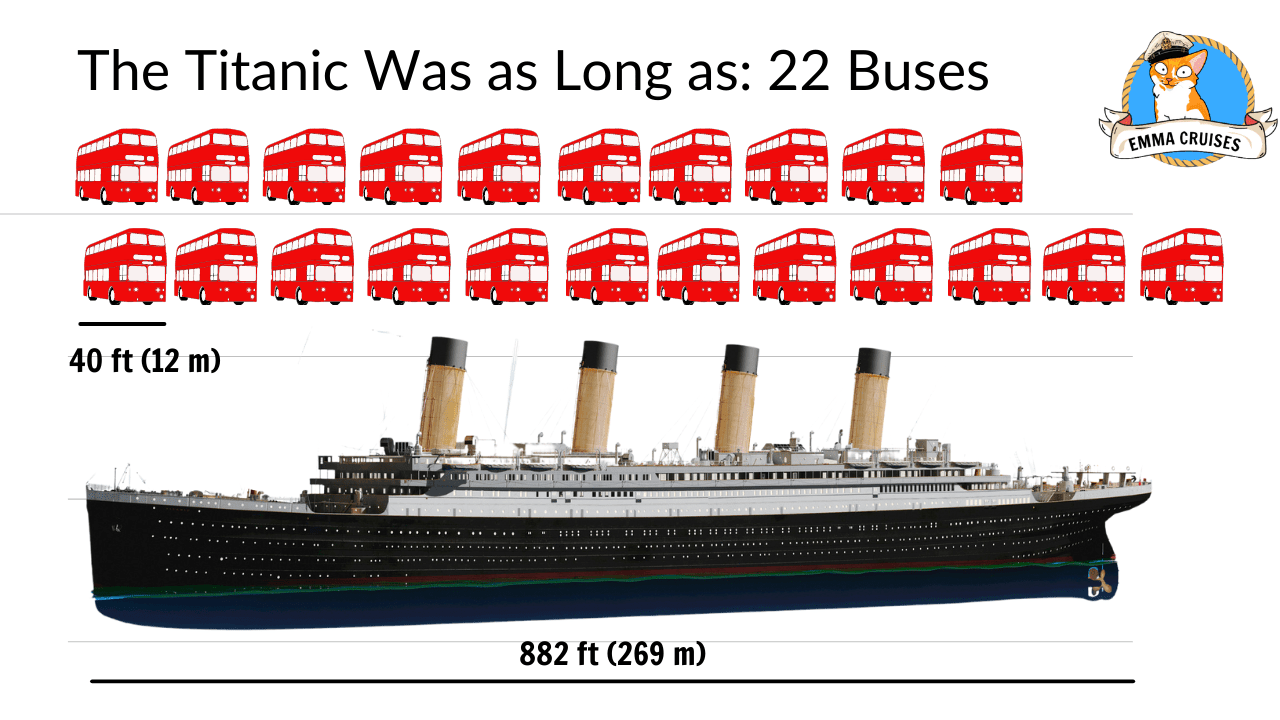
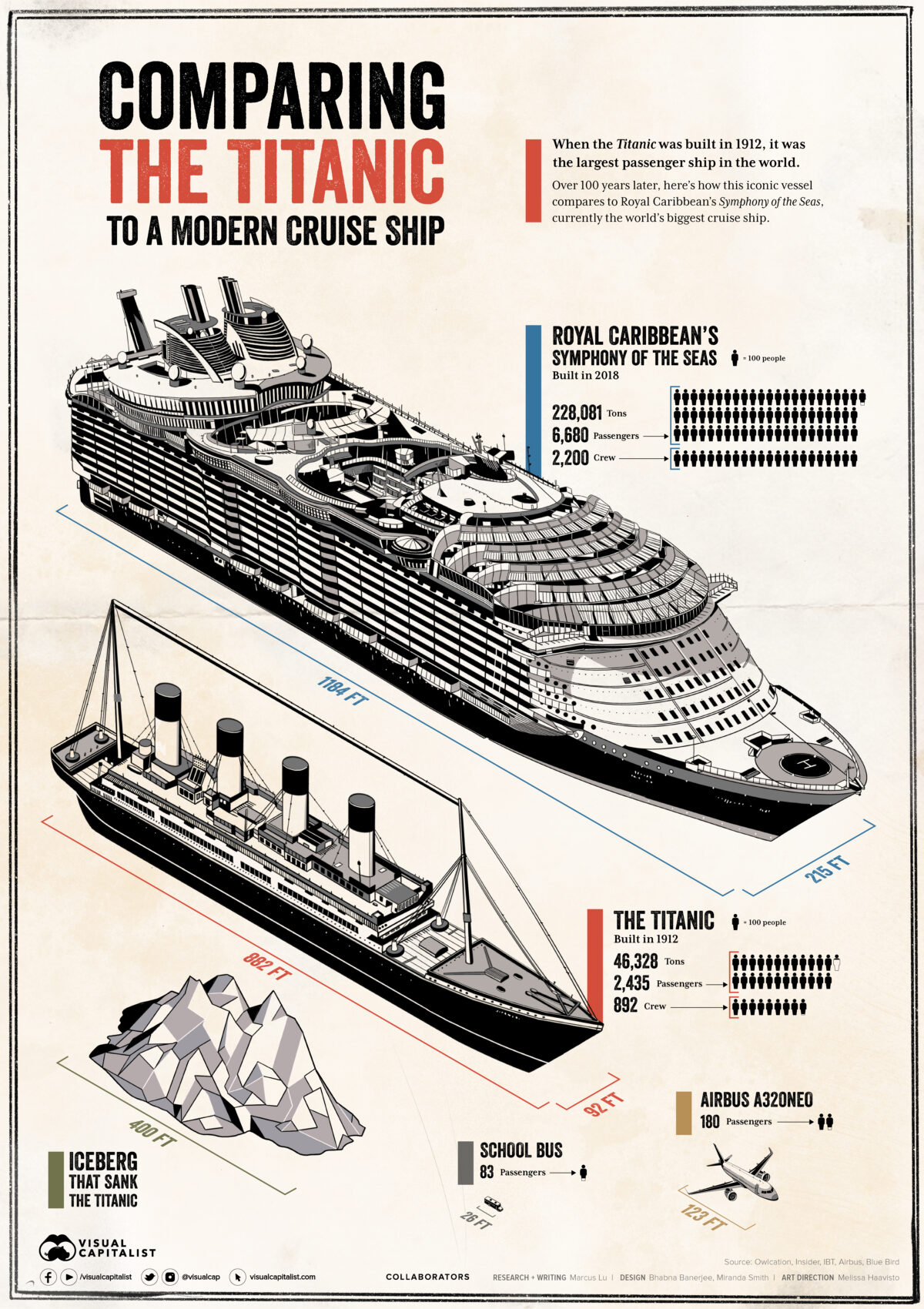
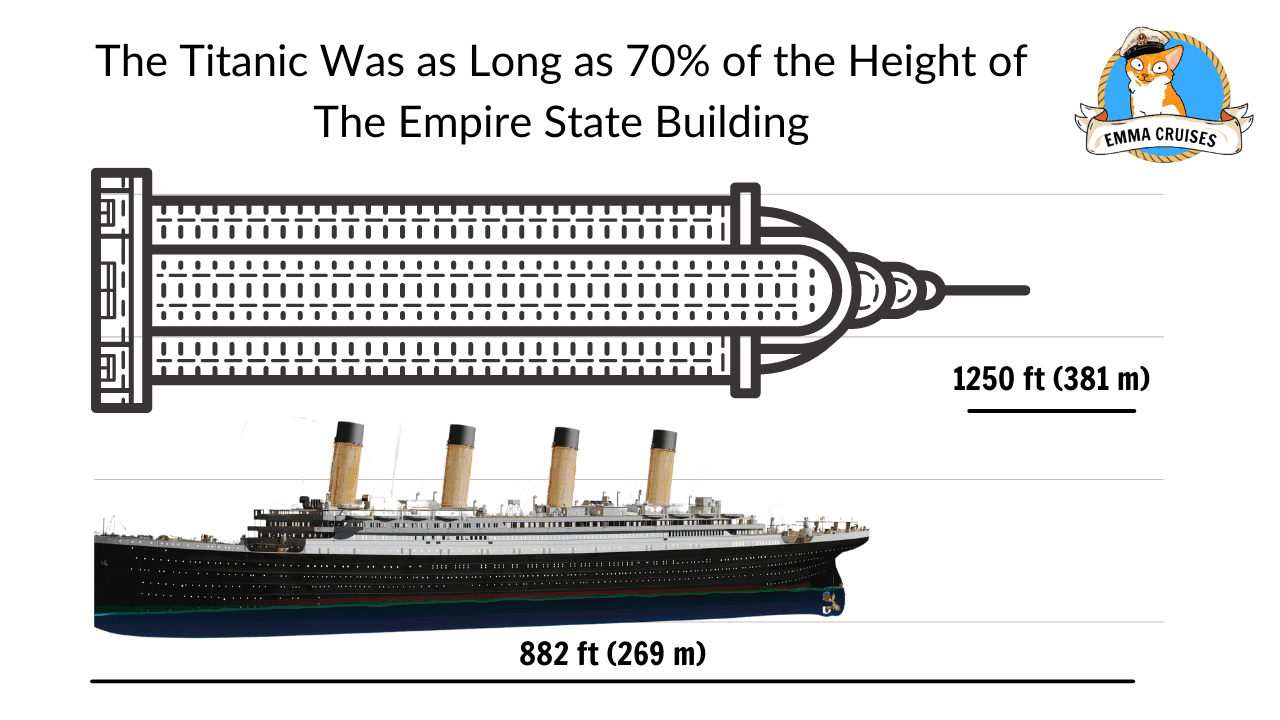
At 882 feet 9 inches (269.1 meters) long and 92 feet 6 inches (28.2 meters) wide, the Titanic was an imposing structure. To put this into perspective, its length was roughly equivalent to three football fields laid end-to-end. The immense beam (width) was crucial for stability and to accommodate the lavish interiors that defined the ship’s opulent character. This generous width allowed for multiple decks of passenger accommodations, public rooms, and extensive crew quarters, creating a self-contained world on the ocean. The beam also played a role in the ship’s stability, a paramount concern for any vessel of this size designed to traverse the turbulent North Atlantic.
The sheer volume of materials required to construct a ship of this magnitude was staggering. Thousands of tons of steel, rivets, and other components were meticulously assembled. The ship’s hull alone was a complex structure of riveted steel plates, designed to withstand the immense pressures of the sea. The internal framework, comprising bulkheads and watertight compartments, represented a significant advancement in shipbuilding safety, though ultimately insufficient to prevent the disaster.
Height and Tonnage: A Glimpse into its Mass
The Titanic stood approximately 175 feet (53.3 meters) from the keel to the top of its four funnels. This vertical dimension contributed to its striking profile and the impressive vista it presented to onlookers. The funnels, though largely aesthetic in their number (only three were functional, the fourth was for ventilation and visual balance), added to the ship’s iconic silhouette.
Its gross registered tonnage (GRT) was 46,328 tons, a measure of its internal volume rather than its weight. This figure highlights the immense capacity of the ship for passengers, cargo, and amenities. For comparison, many modern cruise ships are significantly larger in terms of tonnage, but at the time of its construction, the Titanic’s GRT was at the forefront of maritime engineering, signifying its status as a premier ocean liner. The GRT calculation, a complex formula based on internal cubic feet, provided a standardized way to compare the size and capacity of vessels within the shipping industry.
Structural Innovations and Safety Features
The size of the Titanic necessitated novel approaches to construction and the incorporation of advanced technologies for its era. While its dimensions were a source of pride, they also presented unique engineering challenges.
Watertight Compartments: A Technological Gamble
A key technological innovation incorporated into the Titanic’s design was its system of watertight compartments. The hull was divided into 16 such compartments, separated by bulkheads. The ship was designed to remain afloat even if any two adjacent compartments, or the first four compartments, were flooded. This was a revolutionary safety feature for the time, designed to instill confidence in passengers and the public regarding the ship’s resilience.
The bulkheads themselves were constructed of steel and extended high up the ship’s sides. The theory was that even if the ship took on water in a certain number of compartments, the remaining buoyant force would keep it afloat. However, the damage sustained from the iceberg was more extensive than anticipated, breaching more than the critical number of compartments and allowing water to flow over the tops of the bulkheads, effectively sinking the ship compartment by compartment. The “unsinkable” reputation, fueled by its size and these compartments, proved to be a fatal overconfidence.
Hull Design and Riveting: The Backbone of the Giant
The Titanic’s hull was constructed from thousands of tons of steel plates, held together by millions of rivets. The design of the hull was an intricate balance of strength and hydrodynamic efficiency. The double-bottomed hull, extending over 75% of its length, was another safety feature designed to protect against damage from striking the seabed or underwater obstacles.
The riveting process itself was a monumental undertaking. Large teams of skilled workers painstakingly hammered red-hot rivets into pre-drilled holes to join the steel plates. While the quality of the steel and the riveting techniques were generally considered to be of high standard for the era, some modern analysis has suggested that the quality of the iron rivets used in certain parts of the ship, particularly those in colder regions of the hull, may have been more brittle than ideal, contributing to the extent of the damage sustained. The sheer scale of the riveting operation underscores the industrial might required to build such a vessel.
Contextualizing the Titanic’s Size: A Benchmark in Maritime History
The Titanic’s dimensions were not conceived in a vacuum. They were a direct response to the prevailing trends in the maritime industry and the competitive landscape of ocean liner travel.
Comparison with Contemporary Ships: A Reign of Gigantism
When launched, the Titanic was the largest man-made moving object on Earth. Its sister ships, the Olympic and the Britannic, were of similar dimensions, forming a trio of unparalleled luxury liners. The Titanic dwarfed previous ocean liners, setting a new benchmark for size and grandeur. Ships like the Lusitania and the Mauretania, while fast and luxurious, were significantly smaller. The Titanic represented a shift in emphasis from speed alone to a combination of size, luxury, and passenger comfort.
The drive for larger ships was fueled by several factors. Increased passenger capacity translated directly into greater revenue potential. Larger ships also offered more space for amenities, such as grand staircases, swimming pools, and dining rooms, which were increasingly becoming selling points for discerning travelers. The Titanic’s size was a deliberate statement of White Star Line’s dominance and ambition in the transatlantic passenger trade.
The Impact of Size on Safety and Design
The Titanic’s immense size presented unique challenges that, in retrospect, contributed to the disaster. The sheer mass of the ship meant that it had significant inertia, making it difficult to maneuver and stop quickly. The speed at which the Titanic was traveling when it struck the iceberg, combined with its length, meant that the iceberg scraped along a substantial portion of its hull, breaching multiple compartments.
Furthermore, the design of the ship, with its many decks and extensive interior spaces, made evacuation more complex. The height of the lifeboats relative to the davits, and the limited number of lifeboats carried (though legal at the time), were critical issues that were exacerbated by the ship’s colossal proportions. The Titanic’s size, while a symbol of triumph, ultimately became a contributing factor in its tragic end, highlighting the complex interplay between technological advancement, ambition, and the unforgiving realities of the sea. The lessons learned from the Titanic’s sinking profoundly influenced maritime safety regulations, leading to mandatory lifeboat provisions for all on board and improved hull integrity standards, forever changing how ships of such magnitude were designed and operated.
aViewFromTheCave is a participant in the Amazon Services LLC Associates Program, an affiliate advertising program designed to provide a means for sites to earn advertising fees by advertising and linking to Amazon.com. Amazon, the Amazon logo, AmazonSupply, and the AmazonSupply logo are trademarks of Amazon.com, Inc. or its affiliates. As an Amazon Associate we earn affiliate commissions from qualifying purchases.