
The question of “what was the first Technicolor movie” delves into a fascinating chapter of cinematic history, not just for its artistic impact but for the groundbreaking technological innovation it represented. Technicolor, a name synonymous with vibrant, saturated color in early film, wasn’t a single, monolithic invention but rather a series of evolving processes. Understanding its “firsts” requires a nuanced look at the technological advancements that paved the way for the breathtaking visual palettes we now take for granted. This exploration is firmly rooted in the Tech category, focusing on the evolution of digital imaging and visual storytelling technologies that shaped the film industry.
The Dawn of Color: Early Experiments and the Two-Strip Process
Before Technicolor achieved its signature three-strip glory, its journey began with more rudimentary, yet significant, color reproduction techniques. The quest for color in film was a natural extension of the medium’s early ambition to mimic reality.
Early Color Processes: A Spectrum of Ambition
The very earliest attempts at color in cinema were often achieved through hand-painting or stenciling individual frames. While these methods produced visually interesting results, they were incredibly labor-intensive, expensive, and lacked the fluidity and consistency required for narrative filmmaking. Think of the vibrant, yet stark, colors in early silent films that were painstakingly colored frame by frame. These were artistic triumphs but not scalable technological solutions.
The true technological leap began with processes that aimed to imprint color directly onto the film stock. Early photographic processes, while imperfect, laid the groundwork for chemical and optical manipulation of light and color. These early ventures into color photography, though not specifically Technicolor, demonstrated the fundamental principles that would later be refined. The challenge was to capture and reproduce the full spectrum of visible light in a way that felt natural and engaging to the audience.
The Birth of Technicolor: The Two-Strip System
The first iteration of Technicolor to achieve commercial viability was the two-strip process. This system, developed in the early 1910s, marked a significant departure from hand-coloring. It utilized two primary colors, red and green, to create a limited but perceptible range of color on screen.
Kinemacolor: A Precursor and a Contender
While not strictly Technicolor, the Kinemacolor system, patented in 1906 by George Albert Smith, is often cited as a pivotal early color film process. It used a projector that alternated frames exposed through red and green filters, creating a rudimentary color effect. Its limitations were apparent; it suffered from color fringing and was best suited for outdoor scenes where the limited color palette blended more naturally. Kinemacolor’s brief success, however, demonstrated the public’s appetite for color and spurred further research and development.
The First Technicolor Feature: “The Gulf Between” (1917)
The film widely recognized as the first feature film produced using the Technicolor process (specifically, the two-strip additive color system) was “The Gulf Between”, released in 1917. This silent drama, starring Grace Darmond and Walter McGrail, was an ambitious undertaking for its time. The film utilized a complex camera setup that simultaneously exposed two strips of black-and-white film, each through a different color filter. These two strips were then projected through corresponding filters, superimposing the images to create the illusion of color.
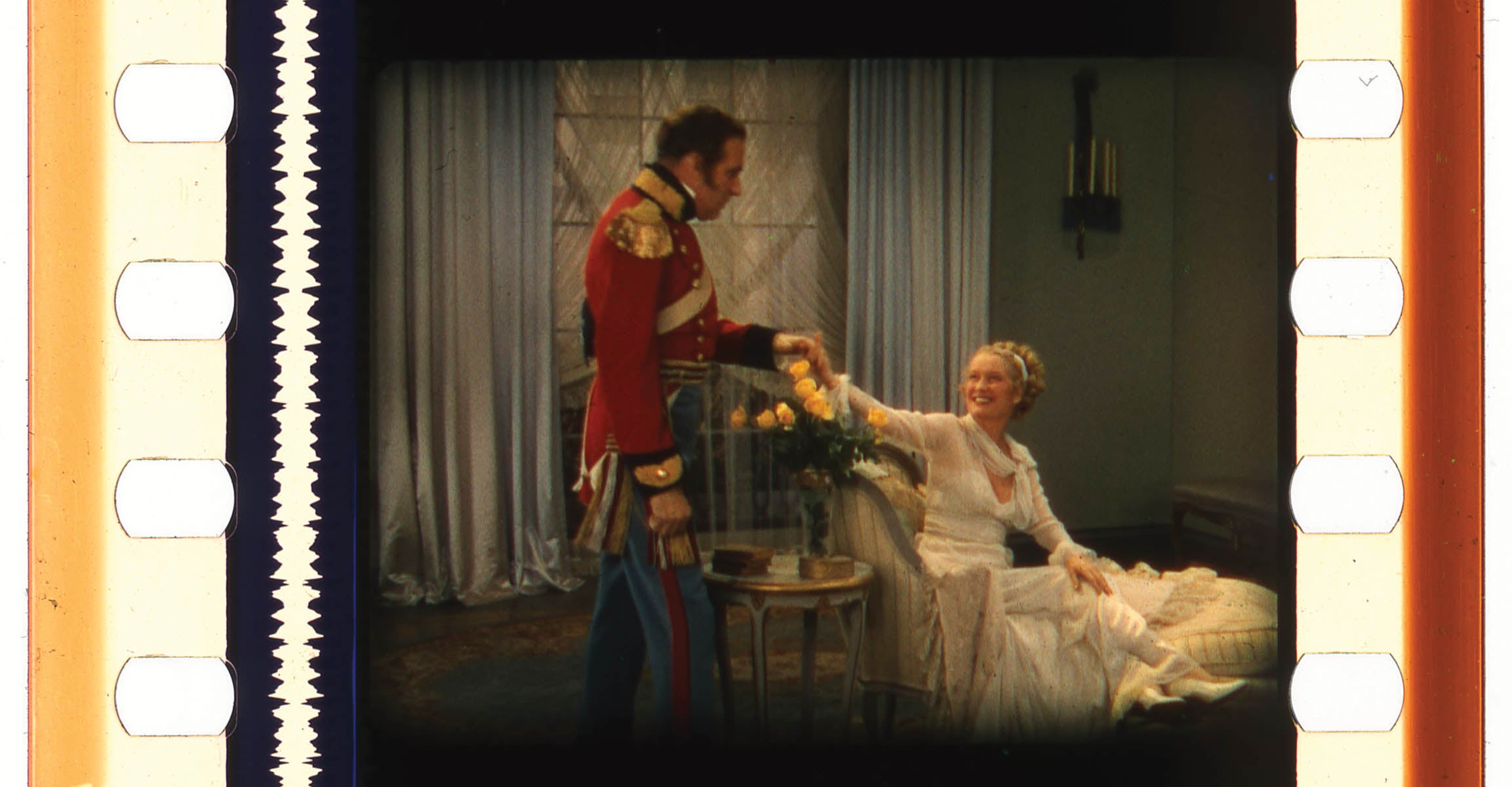
The two-strip process was a significant technological achievement. It involved a specialized camera and projector, and the printing of two synchronized film prints. While it was able to produce a richer palette than hand-coloring or Kinemacolor, it was still limited. The colors produced were not true representations of life, often resulting in a somewhat surreal or exaggerated effect, particularly with greens and reds. Despite these limitations, “The Gulf Between” was a landmark, proving that narrative filmmaking in color was not just a possibility but a tangible reality, albeit a nascent one.
The Evolution of Color: From Two-Strip to Three-Strip Dominance
The early success of the two-strip Technicolor process, despite its inherent limitations, fueled further innovation. The industry recognized the potential for greater color fidelity and sought to refine the technology to capture a wider and more accurate spectrum of colors. This quest led to the development of the much more advanced three-strip process, which would revolutionize filmmaking.
Addressing the Limitations: The Need for a Fuller Palette
The two-strip process, while a step forward, struggled to accurately reproduce blues and yellows. This meant that many colors appeared skewed or unnatural. For filmmakers aiming for realism or for conveying specific moods and atmospheres, these limitations were a significant hurdle. The desire was to move beyond a limited red-green spectrum to a system that could render the full richness of the visual world.
The technical challenges were considerable. Developing a system that could accurately capture and reproduce all three primary colors – red, green, and blue – required intricate chemical formulations, precise optical engineering, and complex printing techniques. The goal was to create a process that was not only technically feasible but also economically viable for large-scale film production.
The Breakthrough: Technicolor Process 4 (Three-Strip)
The true revolution in Technicolor came with the development of the three-strip process, often referred to as Technicolor Process 4. This process, perfected in the early 1930s, was a monumental leap forward in color cinematography. It involved exposing three separate strips of black-and-white film, each through a different primary color filter (red, green, and blue).
The “Wizard of Oz” and “Gone with the Wind”: Iconic Milestones
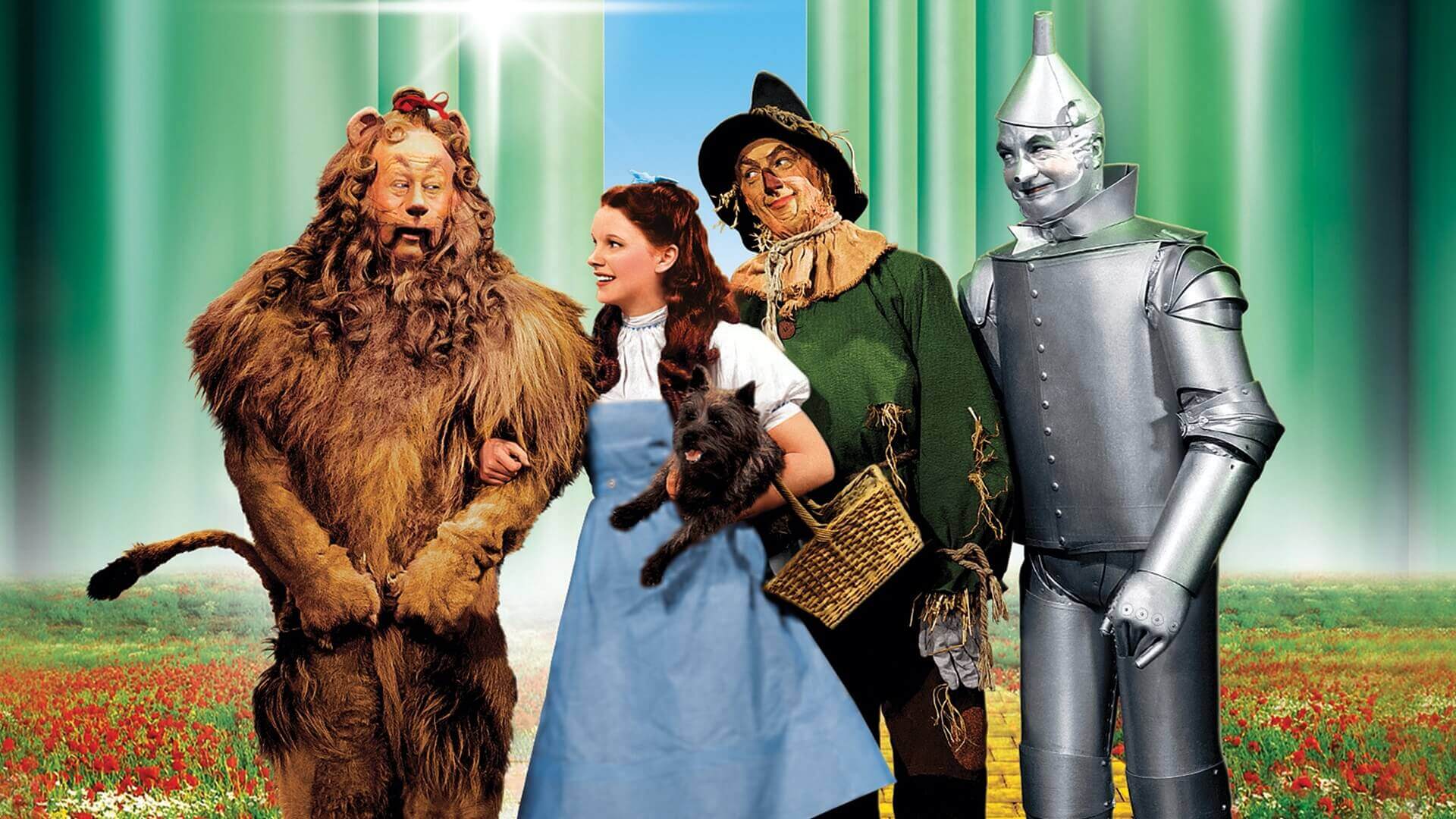
While earlier films had utilized the three-strip process to varying degrees, two films cemented its legendary status and are often remembered as the benchmarks of early Technicolor: “Flowers and Trees” (1932), a Disney Silly Symphony cartoon, and “La Cucaracha” (1934), a live-action short. However, the films that brought Technicolor’s breathtaking vibrancy to a global audience and demonstrated its full potential were “The Wizard of Oz” and “Gone with the Wind”, both released in 1939.
These films showcased the Technicolor three-strip process in all its glory. The saturated, jewel-like colors of Oz’s Emerald City and the sweeping vistas of Tara were unlike anything audiences had ever witnessed. The technology allowed for a level of visual storytelling that was previously impossible, enhancing the emotional impact and the sheer spectacle of cinema. The three-strip process was a complex undertaking, involving specialized cameras, delicate film stock, and an intricate chemical dyeing and imbibition printing process. The result, however, was a world of color that was both vivid and remarkably naturalistic for its time, setting a new standard for cinematic aesthetics.
The Technological Legacy of Technicolor
The journey from the earliest experiments with color to the sophisticated three-strip Technicolor process is a testament to human ingenuity and the relentless pursuit of technological advancement in the realm of visual media. Technicolor’s impact extends far beyond the aesthetics of early films; it fundamentally reshaped the possibilities of cinematic storytelling and paved the way for the digital imaging technologies we use today.
From Chemical Dyeing to Digital Pixels: A Continuous Evolution
The principles behind Technicolor’s success – capturing and reproducing light and color – remain at the core of modern visual technology. While Technicolor relied on chemical processes and the physical manipulation of film, today’s digital cinema employs sophisticated sensors and algorithms to capture light information.
The ability to record and reproduce the full spectrum of light has evolved dramatically. Early digital cameras, while a significant leap from film, still had limitations in color rendition. However, continuous innovation in sensor technology, image processing, and color science has led to the incredibly accurate and nuanced color reproduction capabilities of modern digital cameras. This evolution is a direct descendant of the foundational work done by companies like Technicolor, which demonstrated the immense power and appeal of color in visual narratives. The pursuit of capturing “true” color, from the chemical dyes of Technicolor to the precise algorithms of digital imaging, is a continuous thread in the history of visual technology.
The Impact on Modern Filmmaking and Visual Arts
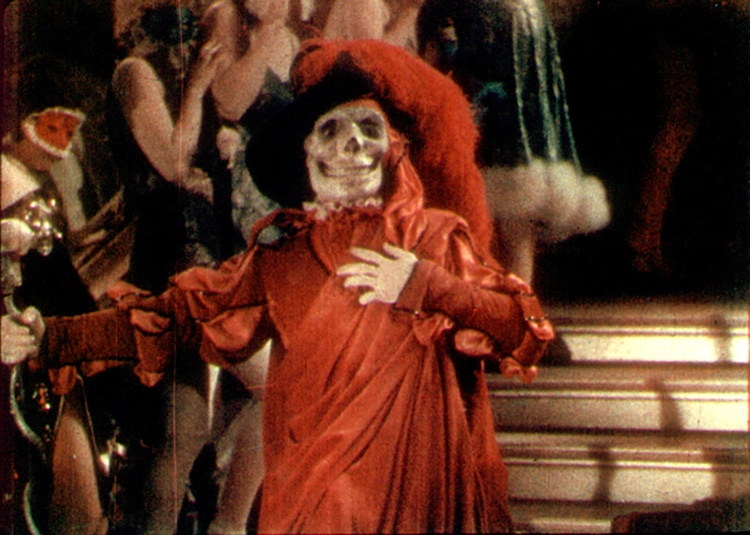
Technicolor’s legacy is undeniable. Its iconic saturated look became a signature for many filmmakers and genres. The films that utilized Technicolor’s three-strip process are still celebrated for their visual splendor and continue to inspire artists and technologists alike.
Beyond its direct contribution to film, the principles explored and perfected by Technicolor influenced other visual media. The understanding of how color perception works, how to manipulate it for artistic effect, and the technical challenges involved in its faithful reproduction have informed advancements in television, digital photography, and even virtual reality. The drive to create more immersive and realistic visual experiences, a hallmark of Technicolor’s ambition, is a core objective of modern visual technology. The innovations in light capture, color processing, and display technologies we see today owe a significant debt to the pioneering spirit and technological breakthroughs of Technicolor. The quest for the perfect representation of the world in color, initiated by early pioneers, continues to drive innovation in the ever-evolving landscape of visual technology.
aViewFromTheCave is a participant in the Amazon Services LLC Associates Program, an affiliate advertising program designed to provide a means for sites to earn advertising fees by advertising and linking to Amazon.com. Amazon, the Amazon logo, AmazonSupply, and the AmazonSupply logo are trademarks of Amazon.com, Inc. or its affiliates. As an Amazon Associate we earn affiliate commissions from qualifying purchases.