
The question “What was the first film with color?” might seem straightforward, but its answer unravels a fascinating tapestry of technological innovation, branding prowess, and shrewd financial strategies that have profoundly shaped the entertainment industry. It’s a journey from rudimentary hand-tinting to sophisticated digital grading, a testament to humanity’s relentless pursuit of realism and immersive storytelling. As we navigate the early attempts at chromatic cinema, it becomes clear that “first” is a complex term, often meaning the first commercially viable or truly photographic process rather than the absolute initial experiment. This exploration will delve into the technical marvels that brought color to the screen, examine how these innovations were branded and marketed, and reveal the significant financial implications that transformed filmmaking into a global economic powerhouse.
The Dawn of Chromatic Cinema: Tracing Early Innovations
Long before Technicolor became a household name, the allure of color captivated early filmmakers. The black-and-white moving image, while revolutionary, always left an artistic void that demanded to be filled with the vibrant spectrum of real life. The quest for color was not merely an aesthetic pursuit; it was a technological race with significant financial incentives, promising to unlock new dimensions of audience engagement.
Beyond Black and White: Early Experiments and Illusion
The very earliest attempts to introduce color into cinema predated true photographic color processes by decades. These initial methods were largely manual, labor-intensive, and more akin to adding an artistic embellishment rather than capturing natural color.
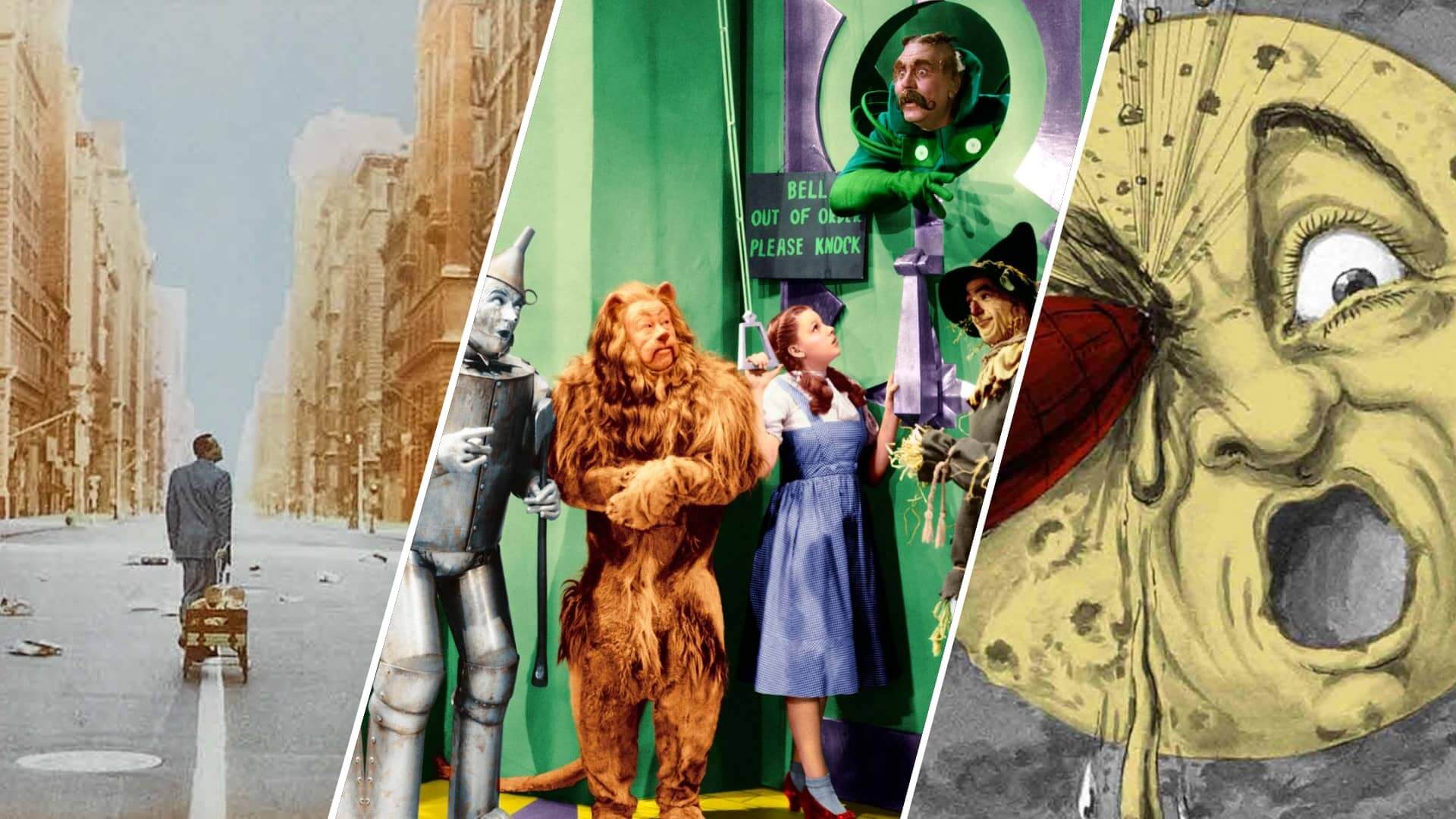
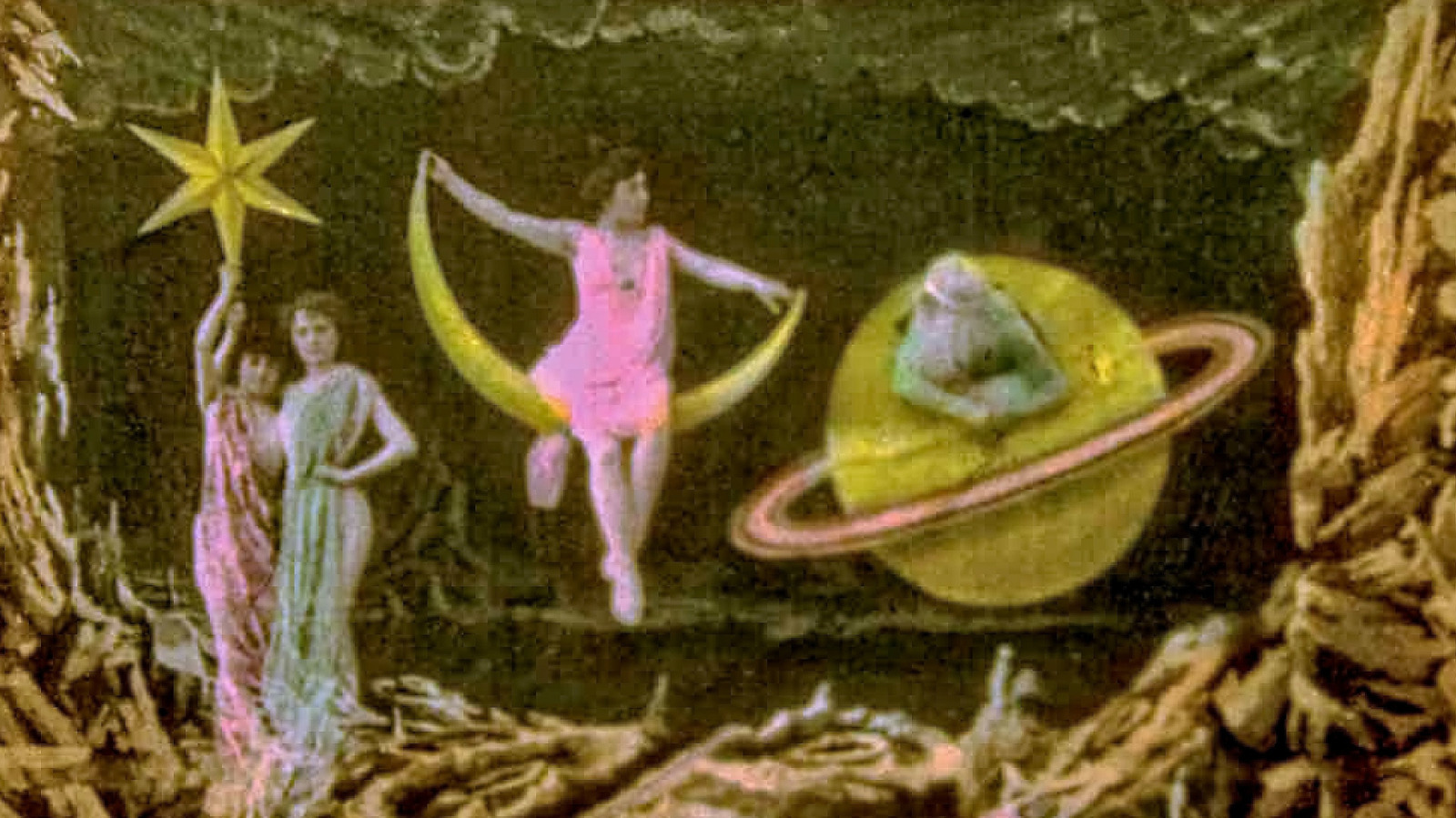
One common technique was hand-tinting, where artists would painstakingly apply aniline dyes to individual frames of a black-and-white film. Imagine thousands of tiny images, each needing a splash of red for a fire, blue for the sky, or green for foliage. Films like Georges Méliès’ “A Trip to the Moon” (1902) famously utilized this method, creating an otherworldly, dreamlike quality that enhanced its fantastical narrative. While visually striking, hand-tinting was inconsistent, prohibitively expensive for feature-length films, and didn’t represent a true “color film” in the modern sense. It was an artistic flourish, a primitive form of visual branding that distinguished certain productions but lacked the technical repeatability for widespread adoption.
Another ingenious, albeit equally laborious, method was stencil-coloring. Here, stencils were cut for different areas of the frame, allowing colors to be applied more uniformly. French companies like Pathé Frères were masters of this technique, developing intricate processes such as Pathécolor. Both hand-tinting and stencil-coloring highlight the early industry’s willingness to invest significant “money” (in labor and materials) into enhancing the visual “brand” of their films, even if the “tech” was rudimentary by later standards. These early attempts demonstrated a clear market demand for color, laying the groundwork for more sophisticated technological solutions.
The true breakthrough, however, required moving beyond manual application to photographic processes. One of the earliest verifiable systems for capturing natural color on film was developed by Edward Raymond Turner in collaboration with F. Marshall Lee in England around 1899-1902. This system involved filming through rotating red, green, and blue filters and then projecting the resulting black-and-white frames through similar filters to recombine the colors. While conceptually sound and truly a “tech” innovation, Turner’s process was complex, never fully perfected, and sadly, he died before seeing its commercial realization. Fragments of his tests, however, survive, proving the early existence of a genuine color capture method. This pioneering effort, though not leading to the “first film with color” in a widely released sense, underscored the intense intellectual investment (and thus, indirect financial investment) in solving the color puzzle.
Kinemacolor: A Pioneer’s Commercial Breakthrough (Tech & Money)
While Turner laid some of the theoretical groundwork, the first commercially successful natural color motion picture system was Kinemacolor, invented by George Albert Smith and Charles Urban in 1906 and publicly launched in 1908. This system is often cited when discussing the “first film with color” because it achieved significant public exhibition.
Kinemacolor employed an additive color process. This meant that films were shot on standard black-and-white stock, but two frames were exposed consecutively: one through a red-orange filter and the next through a blue-green filter. During projection, the process was reversed: each frame was projected through a corresponding red-orange or blue-green filter, and the rapid alternation of these two monochrome images on the screen created the illusion of a full-color spectrum. The “tech” behind this was elegant in its simplicity, relying on the persistence of vision to blend the rapidly flickering colors in the viewer’s mind.
The first public demonstration of Kinemacolor occurred in February 1909, and one of the earliest films exhibited with the process was “A Visit to the Seaside” (1908), a short British documentary showcasing vibrant scenes of people enjoying a day at the beach. However, Kinemacolor truly gained international fame with more ambitious productions, notably “With Our King and Queen Through Greater India” (1912), a feature-length documentary (over two hours long) chronicling the Delhi Durbar, a lavish ceremony celebrating the coronation of King George V and Queen Mary as Emperor and Empress of India. This film, a major international event, demonstrated the power of color to enhance epic narratives and documentary realism, proving its immense “brand” potential for capturing grand historical moments.
From a “money” perspective, Kinemacolor was a commercial success for a time, particularly in Europe. It commanded higher ticket prices and attracted larger audiences eager to witness the novelty of color. The initial investment in the specialized cameras and projectors, along with the processing infrastructure, was significant. However, its limitations ultimately hindered long-term dominance. The reliance on two primary colors meant the palette was restricted, often resulting in fringing (color ghosting) due to the alternating frames, especially with fast-moving subjects. Furthermore, its technology was proprietary, limiting access and raising costs for studios. The financial model, tied to specific projector technology, created barriers to widespread adoption and eventually led to its decline by the mid-1910s amidst patent disputes and the advent of newer, more stable technologies. Yet, Kinemacolor undeniably holds a crucial place as the first commercially successful system that brought a semblance of natural color to the big screen, a testament to early “tech” entrepreneurship.
Technicolor’s Reign: Engineering Color for the Masses
While Kinemacolor paved the way, it was Technicolor that truly revolutionized color cinema, establishing a proprietary system so dominant that its name became synonymous with vibrant, rich hues for decades. Technicolor wasn’t just a technology; it was a brand, a business model, and a quality standard that shaped the golden age of Hollywood.
From Two-Strip to Three-Strip: The Evolution of a Dominant Technology (Tech)
Technicolor’s journey to supremacy was a progressive evolution of “tech,” starting with experimental additive processes and culminating in a highly sophisticated subtractive system.
- Technicolor Process No. 1 (1916): This was an additive process, similar to Kinemacolor, using two filters (red and green). It was prone to fringing and flicker, leading to limited adoption.
- Technicolor Process No. 2 (1922): This marked a significant shift to a subtractive color process, a crucial “tech” leap. Two separate black-and-white negatives were shot simultaneously through red and green filters using a beam-splitter camera. From these, red and green records were dyed and then cemented together to create a single print. The first feature film entirely shot in Process No. 2 was “The Toll of the Sea” (1922), starring Anna May Wong. While better than additive processes, it still produced a somewhat muted, two-color palette and had durability issues with the cemented prints.
- Technicolor Process No. 3 (1928): An improvement on Process No. 2, using a dye-transfer method to produce two-color prints. It offered better image stability and richer colors but was still limited to red-orange and blue-green tones, famously seen in early sound sequences like in “Viennese Nights” (1930).
- Technicolor Process No. 4 (1932): The Three-Strip Technicolor. This was the game-changer, the true pinnacle of Technicolor “tech,” and what most people associate with the classic Technicolor look. It used a specialized camera equipped with a beam-splitter prism and color filters to simultaneously expose three separate black-and-white negatives: one for red, one for green, and one for blue. From these negatives, matrices were created, which were then used to transfer dye onto a blank receiving stock, layer by layer, in a dye-transfer process. This yielded a full-color print with a wide gamut of vibrant, saturated colors.
The first animation short using the three-strip process was Walt Disney’s “Flowers and Trees” (1932), which won an Academy Award and demonstrated the process’s spectacular potential. The first feature film to fully utilize the three-strip Technicolor process for live-action was “Becky Sharp” (1935). Its release was a cinematic event, a dazzling display of color that critics hailed as revolutionary. The complexity of the three-strip camera and the dye-transfer printing process was immense. Technicolor had to invent not just the film stock and chemicals, but also precision machinery, highly controlled darkrooms, and develop a specialized workforce. This was a testament to sophisticated engineering, a “tech” marvel that effectively became a bottleneck and a highly controlled asset.
Branding a Revolution: Technicolor as a Mark of Excellence (Brand & Money)
Technicolor wasn’t just about superior “tech”; it was a masterclass in “brand” strategy and a formidable “money”-making enterprise. The company understood that its technology was so specialized that it could control its application and, thus, its brand image.
Technicolor implemented a unique business model: they didn’t just sell the film stock or the processing; they effectively leased their entire system. They provided the specialized cameras, often sending their own camera technicians (known as “color consultants”) to manage the color process on set. This ensured quality control, maintained brand consistency, and kept their proprietary knowledge closely guarded. This level of involvement was a significant upfront “money” investment for studios, but the promise of unparalleled visual splendor justified the cost.
The “Technicolor” name itself became a powerful brand. It evoked luxury, spectacle, and a premium viewing experience. Studios proudly advertised “Filmed in Glorious Technicolor!” because it signified a higher production value and promised an audience a richer, more immersive cinematic journey. Films like “The Wizard of Oz” (1939) and “Gone with the Wind” (1939) famously leveraged Technicolor, using its vibrant palette as a key part of their storytelling and visual identity. The transition from black and white to color in “The Wizard of Oz” was a dramatic branding statement, emphasizing Dorothy’s arrival in a magical, new world.
From a “money” perspective, Technicolor commanded a near-monopoly on high-quality color film for almost two decades. The higher production costs associated with shooting in Technicolor (more complex cameras, slower film speeds requiring more light, specialized processing) were offset by increased box office revenue and the prestige associated with the “Technicolor” brand. This financial advantage created a virtuous cycle: studios invested more in Technicolor because audiences paid more for it, further cementing Technicolor’s dominant market position and enriching the company. Technicolor’s robust patent portfolio also contributed to its financial strength, fending off competitors and allowing it to dictate terms. The brand itself was a financial asset, signaling superior quality and justifying higher prices, which is a core tenet of effective brand strategy.
Color’s Economic and Artistic Transformation of Hollywood
The advent and widespread adoption of color cinema, spearheaded by Technicolor, marked a pivotal moment not just in technological progress but also in the economic structure and artistic capabilities of Hollywood. It introduced new financial models, reshaped audience expectations, and fundamentally altered the visual language of filmmaking.
The Box Office Boost: Money in Every Hue (Money)
The financial impact of color on the film industry was profound. Introducing color was an expensive proposition, significantly increasing production budgets. Filmmakers needed more powerful lighting, more meticulous set design, and specialized post-production processes. A Technicolor feature could cost upwards of 25% to 50% more than a black-and-white equivalent. However, this increased “money” investment often translated into a substantial return at the box office.
Audiences were captivated by color. Films presented in Technicolor commanded higher ticket prices and drew larger crowds, eager for the novel and immersive experience. This premium pricing model meant that while individual films cost more to make, their potential for revenue generation was also significantly higher. This created a powerful incentive for studios to invest in color, turning it from an experimental novelty into a crucial element of blockbuster strategy.
The competition among studios also intensified. Having a film in “Glorious Technicolor” became a competitive advantage, a way to stand out in a crowded market. Studios poured “money” into showcasing their color spectacles, often marketing them as events. This fueled an arms race in terms of visual grandeur, pushing creative boundaries and inadvertently creating a booming ecosystem around film production, including jobs for specialized technicians, artists, and marketing professionals. The economic ripple effect extended to set designers, costume designers, and makeup artists, whose crafts became more complex and visible in color. New revenue streams also emerged from merchandising, where the vibrant imagery of color films could be translated into consumer products, further demonstrating the financial leverage of a strong visual brand.
Shaping Narratives and Identities: Color as a Creative Tool (Brand & Tech)
Beyond the financial gains, color introduced an entirely new dimension to storytelling, significantly impacting the “brand” of individual films and directors, and pushing the boundaries of cinematic “tech.” No longer was a film’s visual identity limited to shades of grey; directors and cinematographers could now compose images with a full palette, using color to evoke mood, symbolize themes, and guide the audience’s emotional journey.
The meticulous control Technicolor offered allowed for deliberate color design. For instance, in “The Wizard of Oz,” the sepia-toned Kansas contrasting with the vibrant, saturated Oz was a deliberate narrative choice, visually branding the two worlds and emphasizing Dorothy’s shock and awe. In “Gone with the Wind,” the lush greens of Tara and the fiery reds of Atlanta under siege used color to convey opulence, conflict, and passion, making the film’s visual identity as iconic as its characters. This was a direct application of “tech” to enhance “brand” through visual storytelling.
Directors like Vincente Minnelli and Stanley Donen mastered the art of color composition, creating films where color was not just decorative but an integral part of the film’s artistic expression and a hallmark of their personal brand. Color could be used for psychological impact (e.g., the chilling reds in horror films), to define character (e.g., specific colors associated with heroes or villains), or to establish historical periods.
The role of the cinematographer and the newly emerging “colorists” became paramount. These individuals, armed with the new “tech” of color, were responsible for translating the director’s vision into a cohesive and impactful color scheme, effectively building the visual brand of the film. The technical challenges were immense, from ensuring consistent color temperature to managing dye transfer processes, but the artistic rewards were revolutionary. Color cinema allowed filmmakers to create more immersive, emotionally resonant, and visually distinct narratives, elevating film from a mere novelty to a complex art form with a rich visual language that continues to evolve.
The Enduring Legacy: From Analog to the Digital Spectrum
The golden age of Technicolor eventually gave way to new innovations, but the fundamental lessons learned about the interplay of technology, branding, and money in color cinema have continued to resonate and evolve into the digital age. The quest for accessible, high-quality color pushed the boundaries of film “tech,” democratized the filmmaking process, and continues to shape our visual culture.
Eastmancolor and the Democratization of Color (Tech & Money)
While Technicolor provided unparalleled quality, its proprietary nature and high costs created a bottleneck. The industry needed a more accessible and affordable color solution. This arrived in the 1950s with Eastmancolor, introduced by Eastman Kodak.
Eastmancolor represented a significant “tech” shift. Unlike Technicolor’s complex three-strip camera and dye-transfer process, Eastmancolor used a single-strip, integral tripack color negative film. This meant that all three primary color layers (red, green, blue sensitive emulsions) were coated onto a single film base. This simplification drastically reduced the complexity and cost of both shooting and processing color film. Directors could use standard cameras, and processing could be handled by a wider array of labs, not just Technicolor’s specialized facilities.
From a “money” perspective, Eastmancolor democratized color filmmaking. It was significantly cheaper to produce, making color accessible to a much wider range of productions, including independent films and television. This affordability led to the rapid decline of Technicolor’s dominance, as studios opted for the more economical and flexible Eastmancolor process. While some purists argued that Eastmancolor didn’t achieve the same saturated, “painterly” look of classic Technicolor, its economic advantages were undeniable. It enabled a massive increase in color film production, further cementing color as the industry standard and expanding the overall market for cinematic content. The financial power shifted from a few proprietary tech providers to a broader ecosystem of film stock manufacturers and processing labs. This was a classic disruption, where a more accessible “tech” solution opened up new “money” opportunities for a wider segment of the industry.
Digital Dominance: Color in the Modern Age (Tech & Brand)
Today, the “tech” of color cinema is almost entirely digital, a revolution that has once again reshaped production, branding, and financial models. The transition from physical film to digital sensors and post-production workflows has brought unprecedented control and flexibility to color.
The core “tech” innovation here is the digital intermediate (DI) and color grading software. Films are now typically shot on digital cameras (or scanned from film), and then color is manipulated in powerful software environments like DaVinci Resolve or Assimilate Scratch. This allows for incredibly precise control over every aspect of an image’s color – hue, saturation, luminance, contrast, and more. Cinematographers and colorists can craft highly specific looks, creating unique visual “brands” for each film or series. The digital toolset allows for nuanced adjustments that were unimaginable in the analog era, making the colorist’s role more crucial than ever in defining a project’s aesthetic identity.
Furthermore, AI tools are increasingly being integrated into color workflows. AI can assist with automatic color correction, noise reduction, frame interpolation, and even intelligent colorization of archival black-and-white footage. For instance, AI algorithms can analyze scenes and apply historically or stylistically appropriate color palettes, breathing new life into old classics and creating new avenues for content monetization. This represents a significant “tech” leap, making complex tasks more efficient and opening up new creative possibilities.
The implications for “brand” are also significant. Digital color grading allows for consistent visual branding across an entire franchise or for a particular director’s style. A distinctive color palette can become a signature, immediately recognizable to audiences. For personal branding, content creators and YouTubers can establish unique visual identities through their color choices, enhancing their appeal and professional image. In virtual reality (VR) and augmented reality (AR) experiences, color plays an even more critical role in creating immersive and believable environments, influencing user perception and engagement. The demand for visually rich, high-fidelity color content also drives the market for advanced display technologies, from HDR TVs to micro-LED screens, all representing new “money” investment opportunities in consumer electronics.
The Future of Chromatic Storytelling: AI, VR, and Beyond (Tech, Brand, Money)
The evolution of color in film is far from over. The future promises even more sophisticated integration of “tech,” further redefining “brand” possibilities and creating new “money” streams.
Predictive color palettes powered by AI could assist filmmakers in pre-visualization, suggesting color schemes that align with specific emotional responses or genre conventions. Imagine AI analyzing a script and proposing color grades to enhance dramatic tension or comedic timing. This could streamline pre-production and create more cohesive visual “brands” for films.
In VR and AR, color will be paramount for realism and immersion. As these technologies mature, the ability to render incredibly lifelike, consistent, and emotionally resonant color in real-time will be crucial. This drives investment in advanced graphics processing, display technologies, and content creation tools. These virtual worlds will require meticulous color design, creating new roles and specialized skills within the industry. The monetization of VR/AR experiences, often built on compelling visuals, represents a vast new frontier for “money” in entertainment.
Moreover, the preservation of early color films continues to be a challenge. Digital “tech” now allows for the meticulous restoration of faded or damaged historical color films, bringing them back to their original glory and ensuring their legacy for future generations. This restoration work is not just about history; it’s about safeguarding valuable intellectual property and providing new content for streaming platforms and archives, again demonstrating the interplay of “tech,” “brand,” and “money.”
The journey from the tentative hand-tints of the early 1900s to today’s AI-assisted digital color grading is a testament to relentless human ingenuity. The “first film with color,” whether “A Visit to the Seaside” with Kinemacolor or “Becky Sharp” with three-strip Technicolor, was merely the initial spark. That spark ignited a century of innovation, turning color from a technical challenge into an indispensable tool for artistic expression, a powerful element of brand identity, and a consistent driver of financial growth within the global entertainment industry. The pursuit of perfect color continues to push the boundaries of technology, ensuring that the magic of chromatic storytelling will captivate audiences for generations to come.
aViewFromTheCave is a participant in the Amazon Services LLC Associates Program, an affiliate advertising program designed to provide a means for sites to earn advertising fees by advertising and linking to Amazon.com. Amazon, the Amazon logo, AmazonSupply, and the AmazonSupply logo are trademarks of Amazon.com, Inc. or its affiliates. As an Amazon Associate we earn affiliate commissions from qualifying purchases.