
The story of Doritos, a brand synonymous with bold flavors and crunchy satisfaction, begins not with the fiery zest of Nacho Cheese or the tangy coolness of Cool Ranch, but with a simple, unassuming taste: Toasted Corn. This foundational flavor, introduced to the world in 1964, might seem a humble origin for a snack empire that now generates billions in annual revenue. Yet, delving into the journey of Doritos from this initial concept reveals a compelling narrative – a masterclass in brand strategy, an early adopter of consumer-driven innovation, and a powerful testament to the intertwined forces of technology, branding, and financial acumen that define success in the modern business landscape.
Beyond merely answering a trivia question, understanding the genesis of Doritos offers profound insights for entrepreneurs, marketers, and anyone interested in how an idea can evolve into a global phenomenon. It illustrates how meticulous product development, strategic market positioning, and a keen eye for consumer trends, initially analog, now heavily augmented by digital tools and AI, can transform a basic product into an enduring icon.
The Birth of a Billion-Dollar Brand: Innovation at Its Core
The journey of Doritos began in an unexpected corner of the culinary world, far from the vast factories and sophisticated labs we associate with food giants today. It was a story born out of serendipity, a simple observation, and the foresight of a few key individuals who saw potential in an overlooked opportunity.
From a Humble Mexican Restaurant to a Global Sensation
The year was 1961, and the setting was Disneyland in Anaheim, California. A restaurant named Casa de Fritos, operated by Alex Foods and utilizing Frito-Lay products, was experiencing a common kitchen dilemma: what to do with stale tortillas. Rebecca Webb Carranza, who worked at Alex Foods, ingeniously decided to cut up these unused tortillas, fry them, and season them, turning them into a crispy snack. These rudimentary tortilla chips proved incredibly popular with Casa de Fritos’ patrons.
Arch West, then the Vice President of Marketing at Frito-Lay, reportedly stumbled upon these chips during a visit to Disneyland. Recognizing their unique appeal and immense market potential, West pitched the idea to Frito-Lay executives. Initially met with skepticism, West’s persistence paid off. He convinced Frito-Lay to enter into an agreement with Alex Foods to produce and distribute these tortilla chips, initially in the Southern California market. This early stage demonstrates a crucial aspect of brand strategy: identifying an unmet need or a successful product prototype and having the vision to scale it. It highlights how even in nascent stages, market research—even if anecdotal—can inform pivotal business decisions. The ability to spot a trend, understand consumer preferences, and then forge strategic partnerships is a foundational element for any successful venture, whether it’s a physical product or a digital service.
The Unassuming Debut of “Toasted Corn”
In 1964, the product officially launched as “Doritos” – a portmanteau of Spanish “doradito” (little golden things) and Frito-Lay’s brand name. The very first flavor introduced was simply Toasted Corn. This choice was a strategic one, rooted in simplicity and broad appeal. It was a straightforward, authentic corn flavor, seasoned lightly, designed to introduce consumers to the concept of a tortilla chip as a standalone snack, rather than just an accompaniment to a meal.
The Toasted Corn flavor represented the brand’s initial corporate identity – a classic, approachable, and versatile snack. Its mildness allowed the texture and the inherent corn flavor to shine through, gradually building a consumer base before introducing more adventurous profiles. This approach offers valuable lessons for product development: sometimes, starting with a clean, well-executed core product is more effective than immediately launching with a complex, niche offering. It allows for market acceptance, gathers initial feedback, and establishes a baseline from which to innovate. This methodical entry into the market was a precursor to modern minimum viable product (MVP) strategies, where a basic product is launched to test the waters before full-scale development. The success of Toasted Corn demonstrated that sometimes, the most revolutionary products are born from simple ideas, carefully executed and strategically positioned.
Doritos’ Flavor Odyssey: A Masterclass in Marketing, Tech, and Consumer Psychology
The journey from a single, simple flavor to a global phenomenon with an ever-expanding palate of bold tastes is a testament to Doritos’ dynamic brand strategy and its astute embrace of evolving marketing and technological landscapes. This evolution wasn’t accidental; it was a carefully orchestrated expansion driven by a deep understanding of consumer desires and a willingness to innovate.
Beyond Toasted Corn: The Strategic Rollout of Nacho Cheese and Cool Ranch
While Toasted Corn laid the groundwork, it was the introduction of Nacho Cheese in 1966 and Cool Ranch (originally “Cooler Ranch”) in 1986 that truly cemented Doritos’ place in snack history. These flavors weren’t merely additions; they were game-changers that tapped into evolving consumer palates and set new benchmarks for snack innovation.
The decision to introduce Nacho Cheese was a calculated risk, moving beyond the traditional corn base to offer a more assertive, savory profile. This move demonstrated a keen understanding of brand strategy – the ability to expand a product line while staying true to the core identity. The success of Nacho Cheese proved that consumers were ready for bolder flavors, paving the way for further experimentation. Cool Ranch, arriving two decades later, capitalized on the burgeoning popularity of creamy, tangy dressings and seasonings, providing a refreshing counterpoint to the cheesy intensity of Nacho Cheese. These flavor introductions were backed by extensive market research, focus groups, and test marketing, albeit using the analog methods of their respective eras. This pre-digital data collection was crucial in identifying consumer preferences and ensuring a high probability of success for new product launches. For today’s entrepreneurs, this translates directly to using digital tools for market analysis, A/B testing, and gathering real-time feedback.
Leveraging Technology for Flavor Innovation and Global Reach
In the contemporary era, Doritos’ flavor innovation and marketing strategies are intrinsically linked to cutting-edge technology. The process of developing new flavors now extends far beyond traditional taste tests. Food science, often supported by advanced analytics and AI tools, plays a pivotal role in creating complex flavor profiles that resonate globally. Machine learning algorithms can analyze vast datasets of consumer preferences, social media trends, and regional culinary traditions to predict the next big flavor sensation. This data-driven approach minimizes risk and maximizes the potential for successful new product launches.

Beyond flavor development, technology drives the entire supply chain and marketing ecosystem. Software solutions optimize everything from ingredient sourcing and production efficiency to distribution logistics, ensuring that Doritos chips reach shelves fresh and on time. On the marketing front, AI tools enable hyper-targeted advertising, segmenting audiences based on demographics, online behavior, and purchasing patterns. Digital marketing campaigns leverage apps and social media platforms for immersive experiences, user-generated content contests, and interactive promotions. Imagine an AI-powered app suggesting a new Doritos flavor based on your dietary preferences and activity data, or a gamified experience within an app rewarding you for sharing Doritos content. This intersection of food innovation, technology trends, and sophisticated marketing is what keeps Doritos at the forefront of the snack industry.
Crafting a Digital Brand Identity: Design, Reputation, and Engagement
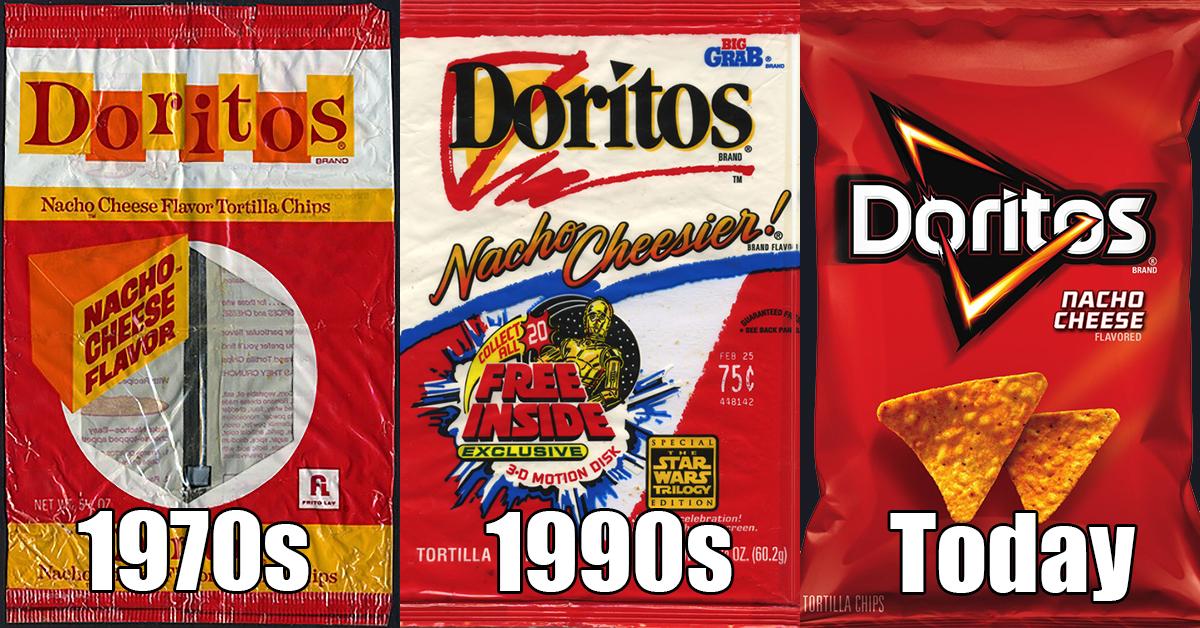
Maintaining a strong corporate identity and a positive reputation in the digital age is paramount, and Doritos exemplifies this through its sophisticated approach to digital marketing and visual design. The iconic Doritos logo, packaging, and advertising campaigns have evolved significantly over the decades, always adapting to contemporary aesthetic trends while retaining the brand’s core essence of boldness and excitement.
In the online sphere, Doritos actively engages with its audience across multiple platforms, from TikTok challenges to Instagram campaigns, leveraging influencer marketing and interactive content to foster a sense of community. This constant digital presence is crucial for brand relevance and customer loyalty. However, with increased digital presence comes the critical need for digital security. Protecting proprietary recipes, marketing strategies, consumer data, and indeed the brand’s digital assets from cyber threats is a continuous effort. Furthermore, managing online reputation involves not only proactive marketing but also sophisticated tools for monitoring public sentiment, addressing customer service issues swiftly, and mitigating potential crises that can emerge rapidly in the interconnected digital world. The brand’s ability to adapt its design language, engage meaningfully through various apps and digital channels, and safeguard its digital footprint underscores its comprehensive approach to modern branding.
The Financial Crunch: Doritos as an Investment and Entrepreneurial Blueprint
Beyond its cultural impact and marketing prowess, Doritos stands as a remarkable financial success story, offering invaluable lessons in business growth, investment strategy, and the mechanics of building a valuable brand. Its journey from a humble snack to a cornerstone of a multinational conglomerate provides a blueprint for both established corporations and aspiring entrepreneurs.
A Lucrative Investment: The Business Behind the Chip
When Frito-Lay acquired the rights to Doritos from Alex Foods, it made a strategic investment that would pay dividends for decades. Doritos’ consistent growth and market dominance have made it an incredibly valuable asset within PepsiCo’s vast portfolio, contributing significantly to the company’s overall market valuation. The financial success of Doritos is not just about sales volume; it’s about efficient business finance management, robust supply chains, and continuous market expansion.
For investing enthusiasts, Doritos represents the power of consumer staple brands – products that enjoy consistent demand regardless of economic fluctuations. PepsiCo’s stock performance, partly buoyed by brands like Doritos, often demonstrates resilience, making it an attractive option for long-term investors. Analyzing the financial trajectory of Doritos involves understanding large-scale manufacturing efficiencies, distribution networks, and the ability to scale production to meet global demand. This necessitates significant capital expenditure, optimized operational strategies, and sophisticated financial tools for forecasting, budgeting, and performance analysis. The ability of a product like Doritos to generate consistent cash flow and grow its market share is a testament to sound financial management and strategic reinvestment, proving that even a simple snack can be a powerhouse of economic activity.
Lessons for Modern Entrepreneurs: From Side Hustle to Snack Empire
The origin story of Doritos, beginning with an accidental discovery and an astute observation, offers profound inspiration and practical lessons for today’s entrepreneurs, particularly those venturing into online income generation and side hustles. Just as Rebecca Webb Carranza saw value in discarded tortillas, modern entrepreneurs must develop an eye for identifying unmet needs or overlooked opportunities in both niche and mass markets.
The initial success of Doritos was akin to a minimum viable product (MVP) – a simple, functional version of a concept launched to gauge market interest before significant investment. This lean startup philosophy is more relevant than ever for side hustles and online businesses, where agile development and rapid iteration are key. Leveraging technology in today’s context means using software for everything from e-commerce platforms and customer relationship management (CRM) to design tools and marketing automation. Aspiring entrepreneurs can learn from Doritos’ evolution by:
- Identifying a unique value proposition: What makes your product or service stand out?
- Starting small and scaling strategically: Don’t be afraid to launch a basic version, gather feedback, and iterate.
- Understanding your market: Use analytics (digital financial tools, web traffic analysis, social media insights) to deeply understand your target audience.
- Investing in branding and marketing: Even with a side hustle, a consistent brand identity and effective digital marketing are crucial for visibility and growth.
- Focusing on productivity and efficiency: Utilize productivity apps and tools to streamline operations and maximize output, especially when managing a business alongside other commitments.
The journey of Doritos from a regional novelty to a global staple underscores that with vision, perseverance, strategic financial management, and an adaptive approach to brand strategy and technology, even the simplest idea can yield extraordinary returns and build an enduring legacy.
The Enduring Legacy of a Single Flavor
The question, “What was the first Dorito flavor?” leads us down a fascinating path, revealing much more than a simple historical fact. It unearths the foundational principles that have propelled Doritos into an undisputed snack titan. Starting with the unassuming “Toasted Corn,” the brand’s evolution is a microcosm of modern business success, illustrating the intricate dance between innovation, consumer insight, and strategic growth.
From its humble beginnings in a Disneyland restaurant, Doritos has masterfully leveraged both timeless business principles and cutting-edge advancements. Its early brand strategy focused on product differentiation and careful market entry, while its later expansions showcased a willingness to embrace bolder flavors and adapt to consumer preferences. In the digital age, Doritos continues to thrive by integrating advanced technology—from AI tools for flavor prediction and hyper-targeted marketing to sophisticated software for supply chain optimization. Concurrently, it maintains a robust corporate identity and manages its reputation with vigilance, understanding the critical importance of digital security and proactive online engagement.
Financially, Doritos stands as a testament to shrewd investing and sound business finance, providing a compelling case study for both corporate strategy and the entrepreneurial spirit that fuels side hustles and drives online income. The Doritos saga teaches us that success, whether for a global corporation or an individual entrepreneur, is rarely linear. It is a continuous cycle of observation, innovation, adaptation, and meticulous execution, all underpinned by a deep understanding of market dynamics and the judicious application of resources—be they technological, branding-related, or financial. The Toasted Corn flavor might be less celebrated today, but its quiet genesis was the spark that ignited a phenomenon, demonstrating that even the most revolutionary journeys begin with a single, well-placed step.
aViewFromTheCave is a participant in the Amazon Services LLC Associates Program, an affiliate advertising program designed to provide a means for sites to earn advertising fees by advertising and linking to Amazon.com. Amazon, the Amazon logo, AmazonSupply, and the AmazonSupply logo are trademarks of Amazon.com, Inc. or its affiliates. As an Amazon Associate we earn affiliate commissions from qualifying purchases.