
The question “What was the first color movie made?” seems simple enough, yet its answer plunges us into a fascinating journey through over a century of technological innovation, artistic ambition, and commercial strategy. Like many groundbreaking inventions, the advent of color cinema wasn’t a singular “eureka!” moment but rather a complex, iterative process involving numerous pioneers, competing technologies, and shifting definitions of what “color” truly meant on screen. From hand-painted frames to elaborate chemical processes and now sophisticated digital algorithms, the quest for natural, lifelike hues has profoundly reshaped not only how we experience stories but also the very industries of technology, brand, and finance that underpin cinematic creation.
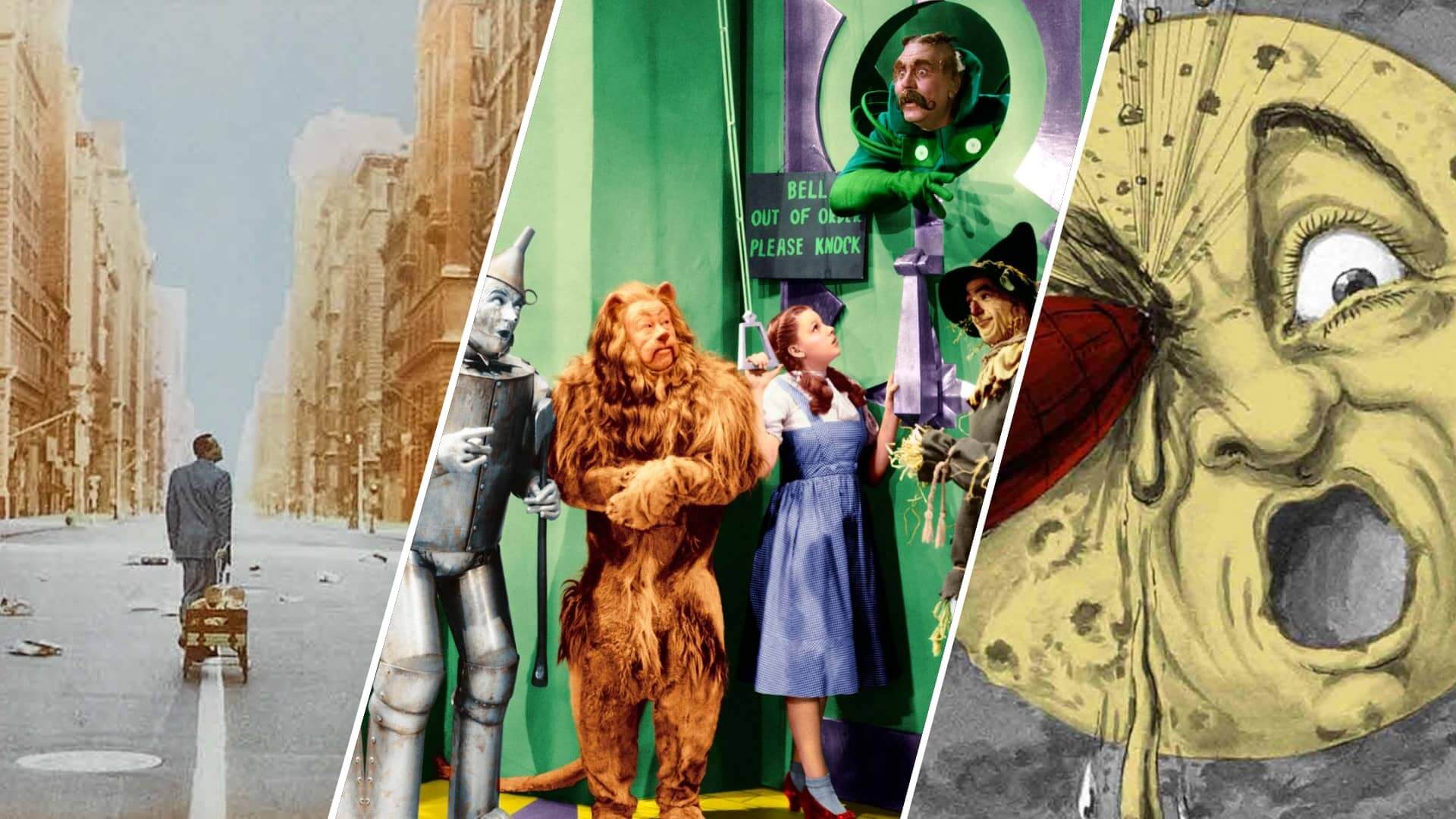
For decades, the cinematic world was a realm of black and white, a chiaroscuro ballet of light and shadow. Yet, from the earliest days of moving pictures, filmmakers and inventors harbored a desire to imbue their images with the vibrancy of the real world. This ambition drove a relentless pursuit, culminating in various attempts, some more successful than others, to capture and project color. Understanding the “first” therefore requires acknowledging the different stages and methods employed, each a stepping stone towards the rich, full-spectrum experience we take for granted today. We will explore these early experiments, the landmark technological breakthroughs that defined eras, and the lasting impact color cinema has had on artistic expression, market dynamics, and the ongoing digital revolution.
The Monochrome Era’s Colorful Pretenders: Hand-Coloring and Tinting
Before true photographic color processes became viable, filmmakers and artists employed ingenious, albeit labor-intensive, methods to add splashes of color to their monochrome worlds. These early techniques were less about capturing natural light and more about artistic enhancement, setting moods, and highlighting elements, demonstrating an early understanding of how color could influence audience perception and emotional engagement. These rudimentary steps, while not “color photography,” laid crucial groundwork for the eventual demand for full-spectrum imagery.
Artisanal Beginnings: Frame-by-Frame Hue
One of the earliest and most direct ways to introduce color was through hand-coloring. Pioneered by figures like Georges Méliès, the magician-turned-filmmaker, this method involved meticulously painting individual frames of a film strip by hand. Imagine hundreds, if not thousands, of tiny images, each delicately touched with watercolors or dyes by an army of often female laborers. Méliès’ iconic “A Trip to the Moon” (1902), for instance, was famously offered in both black-and-white and hand-colored versions, with the latter commanding a higher price due to its exquisite artistry and novelty.
This process was incredibly time-consuming, expensive, and often inconsistent. The colors could bleed, flake, or vary widely from one frame to the next. Yet, it offered a unique, dreamlike aesthetic that captivated audiences. From a branding perspective, hand-coloring distinguished Méliès’ fantastical productions, creating a visual signature that set them apart from more conventional black-and-white contemporaries. It was an early instance of a high-value, bespoke product within the nascent film industry, demonstrating how specialized “design” efforts could create a premium offering and enhance a creator’s brand identity. These early artisanal interventions highlighted the perceived value of color, even in its most artificial forms, and hinted at the economic potential of a truly colorful cinematic experience.
Setting the Mood: The Strategic Use of Tint and Tone
Another widespread technique was film tinting and toning. Unlike hand-coloring, which applied colors to specific objects, tinting involved dyeing the entire film stock, usually during development or printing, to create a monochromatic color overlay. For example, blue tints were commonly used for night scenes, red for fire or passion, yellow for daylight, and green for nature or mystery. Toning, on the other hand, involved chemically altering the silver particles in the emulsion to create a colored image, with the highlights remaining clear. For instance, sepia toning was popular for evoking historical periods or a sense of warmth.
These methods were far more efficient and consistent than hand-coloring, allowing for mass production and widespread adoption. Tinting and toning became standard cinematic conventions, providing filmmakers with a powerful, if limited, tool for emotional storytelling and visual communication. They established a basic color vocabulary that audiences came to understand and expect. From a design and branding perspective, these techniques were strategic choices that helped define the visual language of silent cinema. A studio or director might develop a characteristic use of tints to enhance their “house style” or the particular atmosphere of their films, building a subtle but effective brand identity through visual cues. While not “first color movies” in the modern sense, these early applications underscored the fundamental human connection to color and its indispensable role in conveying narrative and emotion, setting the stage for the true technological breakthroughs that would follow.
The Race for Natural Color: Early Innovations and Technological Hurdles
The genuine pursuit of “the first color movie” really begins with efforts to capture and reproduce natural colors photographically, rather than applying them post-production. This era was characterized by intense scientific experimentation, patent battles, and a fierce technological race to develop a reliable, commercially viable process. These endeavors showcase the intertwined nature of technology development, investment, and market demands, serving as a powerful case study in the challenges of bringing radical innovation to a mass market.
Kinemacolor’s Brief Brilliance: A Glimpse of Realism
One of the earliest and most significant contenders for the title of “first commercially successful natural color movie system” was Kinemacolor. Developed by George Albert Smith and Charles Urban in England, Kinemacolor was first publicly presented in 1908 and commercially launched in 1909. The system was an additive color process, meaning it relied on combining primary colors of light. Here’s how it worked: a special camera recorded successive frames through alternating red-orange and green filters. When projected, a similar projector with synchronized red-orange and green filters displayed these frames rapidly. Due to the persistence of vision, the audience would perceive a full-color image.
The actual “first” film made with this process is debated, but “A Visit to the Seaside” (1908), a short documentary featuring people enjoying a day at the beach, is widely cited as the earliest surviving example and the one that demonstrated the system’s potential. It provided audiences with a breathtaking, unprecedented glimpse of the world in what appeared to be natural color.
However, Kinemacolor had significant limitations. The alternating filters caused color fringing around moving objects and a noticeable flicker. The specialized projection equipment was bulky and expensive, limiting its adoption. Despite these challenges, Kinemacolor enjoyed a period of popularity, especially for travelogues and ceremonial events, including films of the Delhi Durbar in India (1911), which demonstrated its capacity for grand spectacle. From a technological standpoint, it was a remarkable feat for its time, proving that capturing natural color was indeed possible. From a financial perspective, Kinemacolor represented a substantial investment and briefly offered a lucrative competitive edge, demonstrating the premium audiences were willing to pay for novel visual experiences. Yet, its inherent technical flaws ultimately limited its longevity, paving the way for more robust solutions.
Technicolor’s Triumph: Forging the Future of Film
While Kinemacolor offered an intriguing preview, it was Technicolor that ultimately dominated the landscape and became synonymous with “color movies” for decades. The story of Technicolor is a testament to persistent innovation, evolving through multiple stages to overcome technical limitations and perfect the art of cinematic color. This journey beautifully illustrates how technological advancements, branding, and smart business finance can coalesce to create an industry giant.
Technicolor’s first system, introduced in 1916, was also an additive process, similar in principle to Kinemacolor but using two prisms to split light onto two frames simultaneously. This proved difficult to synchronize during projection. Their second process, introduced in 1922 with the film “The Toll of the Sea,” was a subtractive two-strip process. This involved exposing two negatives (one red-orange, one blue-green) simultaneously through a beam splitter. Prints were then made by cementing two thin, dyed film strips back-to-back. While vastly improved, “The Toll of the Sea” and other early two-strip Technicolor films still had a somewhat limited color palette, primarily excelling at reds, blues, greens, and flesh tones, but struggling with yellows and purples. Yet, it was the first commercially released film using a subtractive color process, marking a significant step towards more stable and accessible color films.
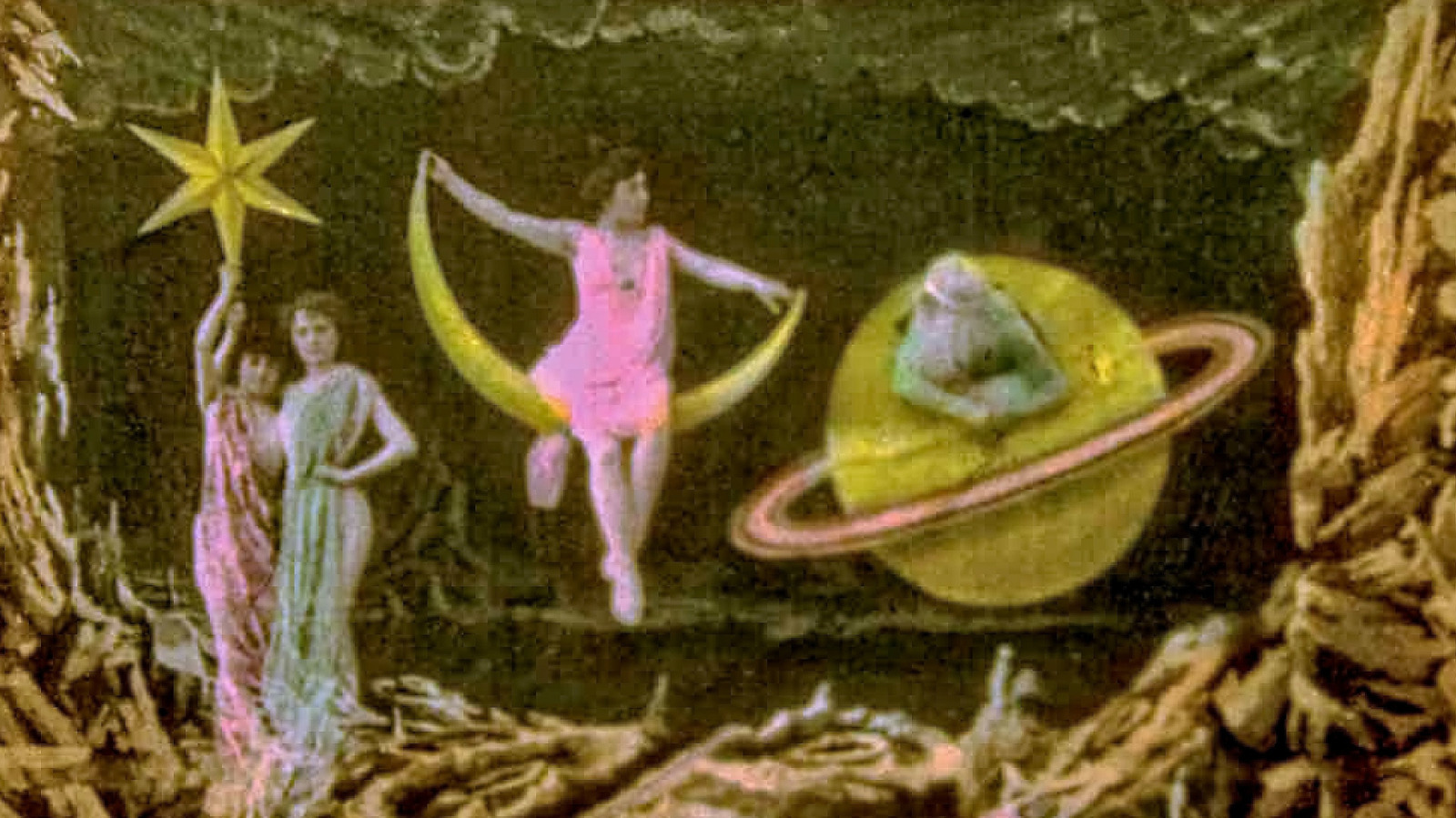
The true breakthrough came with the three-strip Technicolor process, introduced in 1932. This revolutionary system utilized a special camera that split the incoming light onto three separate black-and-white negatives, each sensitive to one of the primary colors: red, green, and blue. From these negatives, matrices were created, which then “imbibed” (transferred) corresponding dye colors (cyan, magenta, yellow) onto a blank print film. This complex process produced a vibrant, full-color image with remarkable accuracy and stability.
The first full-length feature film entirely shot in three-strip Technicolor was “Becky Sharp” (1935). However, it was “Flowers and Trees” (1932), a Walt Disney Silly Symphonies cartoon, that debuted the three-strip process and won the first Academy Award for Best Animated Short Film. This marked a turning point, showcasing the stunning potential of full-spectrum color. The late 1930s saw Technicolor become an indelible part of cinematic history with iconic films like “The Wizard of Oz” and “Gone With the Wind” (both 1939), which cemented its legacy and demonstrated its power to immerse audiences in fantastical worlds and epic narratives.
From a technological standpoint, Technicolor was a marvel of chemical engineering, optics, and precision manufacturing. From a branding perspective, “Technicolor” became a household name, synonymous with quality, vibrant color, and spectacle. Studios actively promoted films “in glorious Technicolor” as a premium feature, building a powerful brand identity around the technology itself. Financially, while Technicolor was expensive – requiring specialized cameras, highly trained technicians, and a costly printing process – it proved to be a sound investment for studios. It offered a significant competitive advantage, drawing larger audiences and higher box office revenues, thus demonstrating the lucrative potential of investing in cutting-edge cinematic technology.
The Transformative Power of Color: Art, Commerce, and Identity
The widespread adoption of natural color processes, spearheaded by Technicolor, marked a profound inflection point in cinema. It wasn’t merely an aesthetic upgrade; it fundamentally redefined the art form, created new commercial opportunities, and allowed filmmakers to craft more distinct brand identities for their productions. The transition from black and white to color illuminated a new dimension of storytelling.
A New Palette for Storytelling: Expanding Artistic Horizons
The introduction of full-spectrum color opened up an entirely new dimension for cinematic artistry. No longer were directors, cinematographers, and set designers confined to shades of grey; they now had a vast palette to wield. Color became a powerful tool for visual storytelling, capable of conveying mood, symbolism, and character depth in ways previously unimaginable. A splash of red could signify danger or passion, cool blues could evoke sadness or tranquility, and vibrant greens could represent nature or envy.
This expansion of artistic horizons led to innovative approaches in production design, costume design, and cinematography. Filmmakers could use color to differentiate characters, establish settings, and guide the audience’s emotional response. For example, the stark contrast between the sepia-toned Kansas and the vibrant Technicolor Land of Oz in “The Wizard of Oz” powerfully illustrates Dorothy’s journey and transformation. Color allowed for more nuanced visual metaphors and a richer, more immersive world-building experience. It challenged cinematographers to think not just about light and shadow, but about hue, saturation, and color temperature, integrating these elements into the overall visual grammar of a film. The advent of color was a design revolution, providing a previously unavailable layer of complexity and beauty to the cinematic canvas, forever changing how stories could be told and perceived.
The Business of Brilliance: Economic Impact and Brand Building
Beyond its artistic implications, the rise of color cinema had significant economic repercussions and became a crucial element in brand strategy for studios and individual films. Early color processes, especially Technicolor, were proprietary and expensive. This meant that only well-financed studios could afford to use them, giving them a distinct competitive advantage. A film “in glorious Technicolor” became a major selling point, a marketing slogan that promised a superior, more spectacular viewing experience. This generated higher box office returns, making the substantial investment in color technology financially viable.
The adoption of color was also a strategic move in the ongoing battle for audience attention, particularly as television began to emerge as a competing entertainment medium in the mid-20th century. By offering something TV could not – a rich, vibrant, large-screen color experience – cinema maintained its allure and justified its premium price. This was a classic case of product differentiation, where a technological upgrade served to enhance the brand value of the entire industry.
Moreover, certain directors, genres, and even studios developed strong associations with color. Musicals and lavish spectacles often became synonymous with Technicolor, reinforcing their glamorous brand identity. The choice to shoot in color or black and white became a deliberate artistic and commercial decision, shaping audience expectations and critical reception. For example, while many films transitioned to color, some directors deliberately chose black and white for artistic effect, creating an alternative brand statement that emphasized realism or classicism. The financial incentives and branding opportunities provided by color accelerated its adoption, proving that innovation, when aligned with market demand and strategic marketing, can profoundly reshape an entire industry’s economic landscape.
Beyond the Pioneers: Modern Color, Digital Evolution, and Future Frontiers
The story of color in cinema didn’t end with Technicolor’s dominance. It continued to evolve through the mid-20th century with the introduction of cheaper, more accessible single-strip color processes (like Eastmancolor), which democratized color filmmaking. However, the true next revolution arrived with the digital age, fundamentally altering how color is captured, manipulated, and distributed, pushing the boundaries of what is possible and connecting back to contemporary tech trends, digital security, and new financial models.
From Chemical Dyes to Digital Pixels: Accessibility and Innovation
The shift from analog film to digital cinema in the late 20th and early 21st centuries represents another monumental leap in the evolution of color. Digital cameras, with their ability to capture vast amounts of color information, and digital post-production tools have made sophisticated color manipulation more accessible and flexible than ever before. Filmmakers now have granular control over every aspect of color – hue, saturation, luminance, and contrast – through software-based color grading. This allows for precise artistic control, enabling creators to achieve specific aesthetic visions and maintain a consistent visual brand throughout their productions.
This digital transformation has also brought advancements that directly tie into modern technology trends. AI tools are increasingly being used for color correction, enhancement, and even the “colorization” of old black-and-white films, breathing new life into historical archives and offering new ways to monetize classic content. Digital security also plays a role in protecting these valuable digital assets and ensuring the integrity of the color information from production to distribution. The lower costs and greater versatility of digital workflows have democratized filmmaking, allowing independent creators to produce high-quality color films without the prohibitive expenses associated with earlier chemical processes. This accessibility has fueled an explosion of creativity and diverse voices in cinema.

The Enduring Legacy and the Unfolding Future of Cinematic Color
The journey from the tentative hand-coloring of Méliès to the sophisticated digital color spaces of today’s blockbusters is a testament to humanity’s continuous pursuit of visual realism and artistic expression. While we might never pinpoint a single, definitive “first color movie” due to the varied definitions and evolving technologies, the various milestones – from Kinemacolor’s early promise to Technicolor’s golden age – collectively tell a story of relentless innovation.
Today, the conversation around color in cinema continues to evolve, pushing into new frontiers. High Dynamic Range (HDR) and Wide Color Gamut (WCG) technologies offer an even broader spectrum of colors and contrast, creating more immersive viewing experiences on modern displays. Virtual production environments, leveraging AI and real-time rendering, allow filmmakers to design and adjust color palettes for entire virtual worlds on the fly. These technological advancements not only enhance storytelling but also create new markets for specialized software, hardware, and creative services, further intertwining the worlds of tech, brand, and money.
The legacy of the pioneers who first dreamed of moving pictures in color is evident in every vibrant frame we see today. Their struggles and triumphs laid the foundation for an art form that continues to push visual boundaries, constantly redefined by new technologies and guided by the timeless desire to capture and share the beauty and complexity of the world in its full, glorious spectrum. The question of the “first” color movie, therefore, is not just about a historical date; it’s about understanding a continuous journey of innovation, ambition, and the enduring power of color to captivate and transform.
aViewFromTheCave is a participant in the Amazon Services LLC Associates Program, an affiliate advertising program designed to provide a means for sites to earn advertising fees by advertising and linking to Amazon.com. Amazon, the Amazon logo, AmazonSupply, and the AmazonSupply logo are trademarks of Amazon.com, Inc. or its affiliates. As an Amazon Associate we earn affiliate commissions from qualifying purchases.