
The unassuming tampon, a staple of menstrual hygiene for decades, has recently become the subject of intense scrutiny, moving beyond its primary function to encompass a broader conversation about material science, product development, and the evolving expectations of conscious consumers. While the initial discoveries in tampons might have sparked concern, a deeper examination reveals a fascinating interplay of intended design, unintended contaminants, and the relentless pursuit of safer, more sustainable alternatives within the consumer product industry. This exploration delves into the technological advancements, material science innovations, and regulatory considerations that shape the composition of tampons, offering an insightful perspective on what has been and continues to be found within these essential feminine care products.

The Intended Science: Engineered Absorbency and Comfort
At its core, the tampon is a marvel of material engineering, designed to safely and effectively manage menstrual flow. The choice of materials and their structural arrangement are critical to its performance and user experience. Understanding these intended components provides the foundational context for any discussion about what else might be present.
Core Components: Cotton, Rayon, and Their Processing
The primary materials used in tampons have traditionally been cotton and rayon, or a blend of both. Both are chosen for their inherent absorbency, a crucial property for their intended function.
Cotton: Natural Fiber, Potential for Residues
Cotton, a natural cellulose fiber, has been a preferred material for its softness and absorbency. However, the journey of cotton from farm to tampon involves several stages where its final composition can be influenced. Conventional cotton cultivation often relies on pesticides and herbicides. While rigorous processing steps are designed to remove these residues, trace amounts can sometimes persist. This has led to increased demand for organic cotton, grown without synthetic pesticides or fertilizers, and processed to minimize any potential chemical traces. The textile industry’s advancements in cleaning and bleaching technologies have also played a significant role in ensuring the purity of cotton used in sensitive applications like tampons. The development of chlorine-free bleaching processes, for instance, is a direct response to concerns about dioxins, byproducts that can be formed during traditional chlorine bleaching.
Rayon: Regenerated Cellulose and its Manufacturing
Rayon, a manufactured regenerated cellulose fiber, offers excellent absorbency and a smooth texture. It is derived from wood pulp, which is chemically processed to create cellulose fibers. The production of rayon involves a series of chemical treatments. Modern rayon manufacturing processes have evolved significantly to minimize the use of harsh chemicals and to manage byproducts more effectively. For example, closed-loop systems are increasingly employed to recover and reuse chemicals, reducing environmental impact and the potential for chemical residues in the final product. The choice between cotton and rayon, or a blend, often comes down to a balance of cost, absorbency characteristics, and the manufacturer’s commitment to specific sourcing and processing standards.
Design for Efficacy: Structure and Expansion
Beyond the raw materials, the physical structure of the tampon is engineered for optimal performance. The way the fibers are layered and compacted dictates how effectively the tampon absorbs fluid and how it expands within the vaginal canal.
Fiber Arrangement and Density
The density and arrangement of cotton or rayon fibers are meticulously controlled during the manufacturing process. This influences the tampon’s capacity, its rate of absorption, and how uniformly it expands. A well-designed tampon will expand radially, conforming to the vaginal canal to create a seal that prevents leakage while remaining comfortable for the wearer. This controlled expansion is a testament to the precise application of material science principles in product design.
Wicking Properties and Fluid Management
The ability of the tampon to “wick” menstrual fluid away from the body and into its core is a critical performance attribute. This wicking action is a result of capillary forces acting on the fibrous structure. Manufacturers optimize fiber types and their arrangement to ensure efficient fluid management, preventing saturation and enhancing comfort and security for the user.
Unintended Discoveries: Tracing Contaminants and Their Origins
The conversation around “what was found in tampons” often refers to substances that were not intentionally included. These discoveries typically fall into categories of trace contaminants from agricultural practices, manufacturing processes, or environmental exposure. The scientific community and regulatory bodies have dedicated considerable effort to identifying, quantifying, and mitigating these unintended elements.
Pesticide and Herbicide Residues: The Agricultural Link
As mentioned, conventional cotton farming’s reliance on agrochemicals is a primary source of concern. While manufacturers strive for pure materials, trace residues can be a challenge.
Regulatory Scrutiny and Testing Protocols
Regulatory agencies worldwide have established guidelines and testing protocols to monitor the levels of pesticides and herbicides in consumer products, including tampons. These protocols involve sophisticated analytical chemistry techniques to detect and quantify even minute amounts of these substances. Manufacturers are expected to adhere to these standards, and independent testing often validates their compliance. The focus is on ensuring that any detected residues are well below levels considered harmful to human health.
The Rise of Organic and Certified Materials
In response to consumer concerns and the potential for residues, there has been a significant shift towards using organic cotton and materials processed under strict certifications. These certifications guarantee that the cotton was grown without synthetic pesticides and that the entire supply chain adheres to rigorous environmental and health standards. This trend reflects a growing demand for transparency and a preference for products with minimized chemical footprints.
Dioxins and Other Byproducts: Manufacturing Processes
The bleaching process, historically a point of concern, is another area where unintended byproducts can arise. Dioxins are a group of highly toxic compounds that can be generated during the production of certain bleached materials.
Chlorine-Free vs. Chlorine Bleaching
Traditionally, chlorine was used in the bleaching process for cotton and rayon. This method, however, could lead to the formation of trace amounts of dioxins. The industry has largely moved towards Elemental Chlorine Free (ECF) or Totally Chlorine Free (TCF) bleaching processes. TCF bleaching, in particular, uses oxygen-based agents like hydrogen peroxide, eliminating the risk of dioxin formation associated with chlorine. This technological shift represents a proactive approach to consumer safety, driven by both scientific understanding and market demand.
Heavy Metals and Other Trace Elements
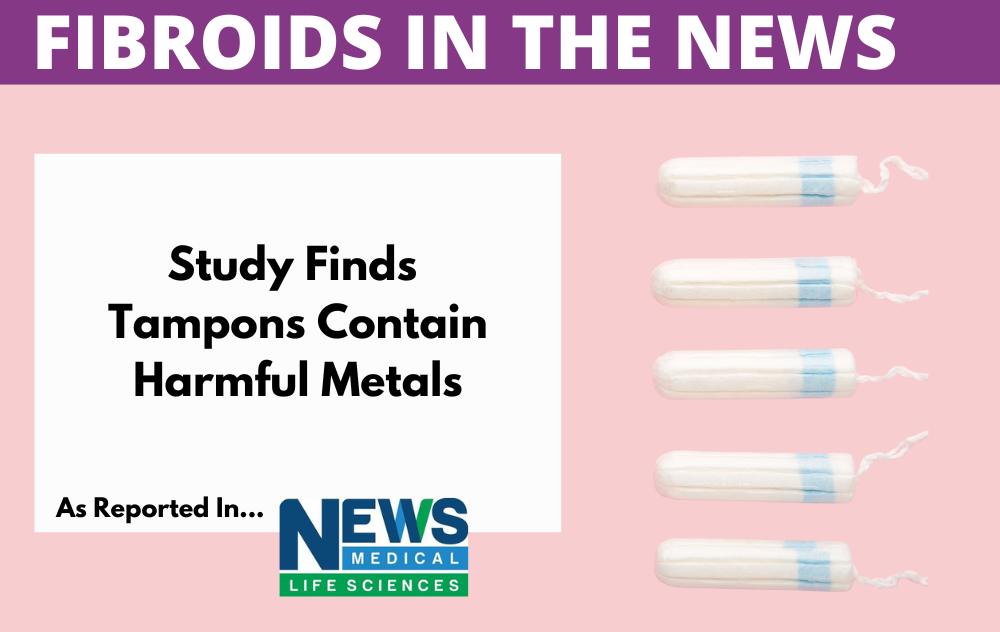
In rare instances, trace amounts of heavy metals or other elements can be present in tampons. These can originate from soil, water used in processing, or even equipment used in manufacturing. Rigorous quality control measures, including advanced material analysis, are employed by reputable manufacturers to detect and limit the presence of such elements. The focus is on ensuring that any detected levels are far below any known health concern thresholds.
Innovation and the Future: Towards Safer and More Sustainable Tampons
The ongoing research and development in the feminine hygiene industry are continuously pushing the boundaries of material science, product design, and environmental responsibility. The discoveries about what can be found in tampons have not only highlighted areas for improvement but have also spurred significant innovation.
Advanced Material Science and Alternatives
The quest for better materials extends beyond cotton and rayon, exploring a range of natural and synthetic fibers with enhanced properties and improved safety profiles.
Biodegradable and Compostable Materials
A growing area of innovation involves the development of biodegradable and compostable tampon materials. This addresses not only potential chemical contaminants but also the environmental impact of disposable menstrual products. Research into materials like bamboo fiber, hemp, and innovative plant-based composites is paving the way for more sustainable options. These materials are chosen for their natural absorbency, breathability, and their ability to break down safely in the environment.
Bioplastics and Polymer Research
The exploration of bioplastics derived from renewable resources is also a significant avenue of research. These materials offer the potential for controlled biodegradability and can be engineered for specific absorbency and performance characteristics. The challenge lies in ensuring that these new materials meet the stringent safety and efficacy requirements for internal use, while also being cost-effective and environmentally sound.
Enhanced Purity Standards and Manufacturing Transparency
The increased awareness surrounding tampon composition has led to a demand for greater transparency from manufacturers and the adoption of even higher purity standards.
Stricter Quality Control and Third-Party Testing
Reputable tampon manufacturers are implementing increasingly stringent quality control measures throughout their supply chains. This includes rigorous testing of raw materials, in-process monitoring, and final product analysis. Many brands are also opting for independent third-party testing and certifications to provide consumers with verifiable assurance of product safety and purity.

Consumer Education and Informed Choices
Empowering consumers with knowledge about tampon composition, material sourcing, and manufacturing processes is a crucial aspect of innovation. Brands that are transparent about their practices and actively engage in educating their customers build trust and foster a market that values safety and sustainability. This educational push allows consumers to make informed choices aligned with their personal health and environmental values.
In conclusion, the question of “what was found in tampons” has evolved from a simple query into a complex exploration of material science, manufacturing integrity, and consumer advocacy. The journey from identifying trace contaminants to developing innovative, sustainable alternatives showcases the dynamic nature of product development in the feminine hygiene sector. As technology advances and consumer expectations rise, the future of tampons promises not only enhanced safety and efficacy but also a more environmentally conscious approach to menstrual care.
aViewFromTheCave is a participant in the Amazon Services LLC Associates Program, an affiliate advertising program designed to provide a means for sites to earn advertising fees by advertising and linking to Amazon.com. Amazon, the Amazon logo, AmazonSupply, and the AmazonSupply logo are trademarks of Amazon.com, Inc. or its affiliates. As an Amazon Associate we earn affiliate commissions from qualifying purchases.