
Landing an interview at a gym is an exciting prospect. Whether you’re eyeing a role as a personal trainer, a front-desk associate, a fitness instructor, or even a management position, the opportunity to blend your passion for fitness with a career is a significant step. However, like any professional interview, your attire plays a crucial role in shaping the interviewer’s perception. For a gym environment, this can feel like a unique challenge: how do you strike the perfect balance between professional polish and an understanding of the active, dynamic industry you’re hoping to join? The answer lies in understanding how your clothing choices directly contribute to your personal brand and your ability to communicate your suitability for the role.
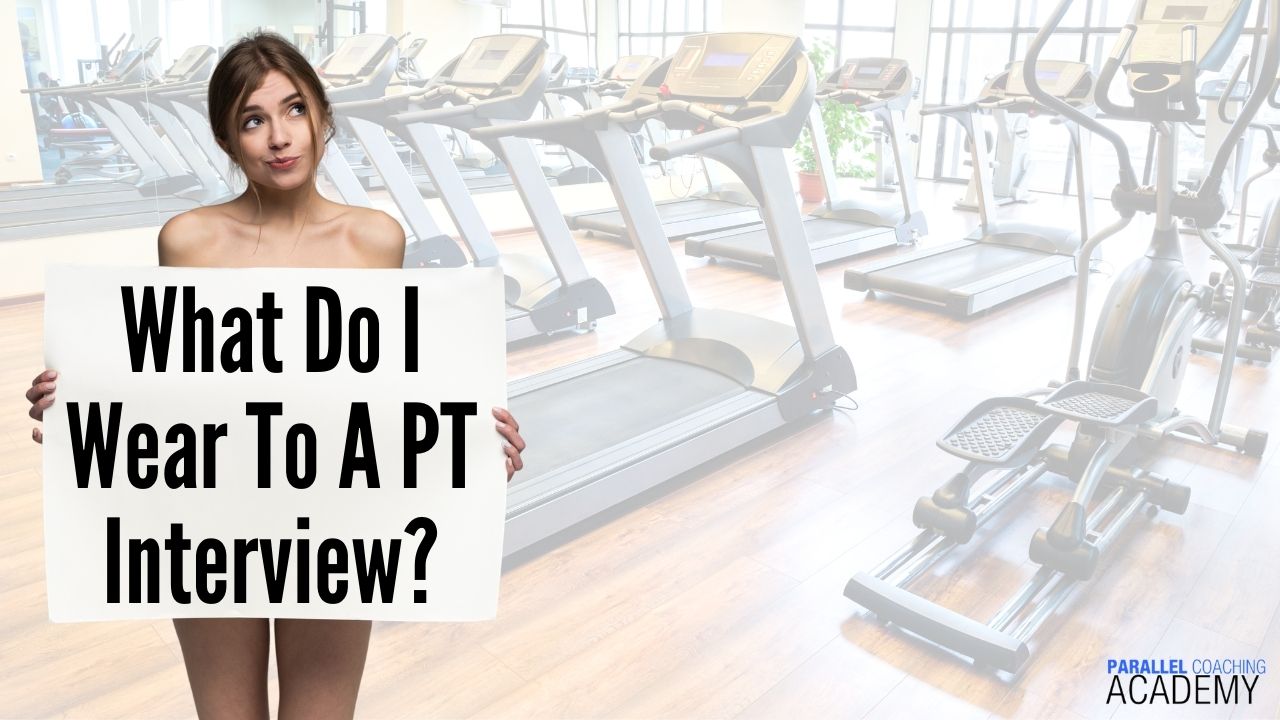
Your interview outfit isn’t just fabric; it’s a tangible manifestation of your professionalism, your attention to detail, and your comprehension of the gym’s specific brand identity. It’s about demonstrating that you not only understand fitness but also understand how to represent a business within that space. This guide will delve into the strategic considerations of dressing for a gym interview, ensuring your attire becomes a powerful asset, not a point of potential concern. We will explore how to interpret the gym’s brand, how to choose attire that reflects your personal brand, and the specific nuances that differentiate interview wear in a fitness setting.
Understanding the Gym’s Brand Identity: Decoding the Vibe
Before you even think about raiding your wardrobe, the first and most critical step is to research and understand the specific brand identity of the gym you’re interviewing with. Gyms are not monolithic; they cater to diverse clientele and foster distinct atmospheres. A high-end boutique studio will have a vastly different brand perception than a large, community-focused fitness center, or a specialized training facility. Your attire should be a thoughtful reflection of this understanding.
Researching the Gym’s Atmosphere and Clientele
Begin by thoroughly exploring the gym’s online presence. Browse their website, social media channels (Instagram, Facebook, etc.), and any online reviews. Pay close attention to:
- Imagery: What do the staff and members look like in their photos and videos? Are they wearing high-performance athletic gear, more casual athleisure, or business-casual attire?
- Language and Tone: Is their marketing sophisticated and exclusive, or friendly and inclusive? This can hint at the level of formality expected.
- Specialization: Is it a CrossFit box, a yoga studio, a powerlifting gym, a general fitness facility, or a rehabilitation center? Each has its own unwritten dress code for staff.
- Member Demographics: Are they targeting young professionals, families, serious athletes, or a broader community?
Consider visiting the gym in person as a prospective member before your interview. Observe the staff’s attire during peak hours. This firsthand experience is invaluable. Notice if trainers wear branded gym apparel, if front-desk staff are in polos and khakis, or if there’s a more relaxed, athletic look. This observation will provide concrete clues about the expected professional presentation.
Interpreting the “Fitness Professional” Archetype
Within the fitness industry, different roles may call for different interpretations of “professional.”
- Personal Trainers and Fitness Instructors: These roles often necessitate attire that is both functional and presentable. You need to look like you can demonstrate exercises with confidence and comfort. This doesn’t mean wearing your dirtiest workout gear, but rather clean, well-fitting athletic wear that subtly showcases your understanding of movement and fitness.
- Front Desk and Sales Staff: These positions often require a more outwardly professional appearance, blending customer service with brand representation. While still within a fitness context, their attire might lean more towards polished athleisure or smart casual, projecting approachability and professionalism.
- Management and Administrative Roles: For these positions, the attire will likely be more aligned with traditional business casual or even business professional, depending on the gym’s prestige and operational style. The focus here is on leadership, organization, and strategic oversight.
By dissecting these elements, you can move beyond generic interview advice and tailor your outfit to the specific brand you aim to join.
Crafting Your Personal Brand: Attire as a Statement
Your interview outfit is a powerful tool for communicating your personal brand – who you are as a professional and what you bring to the table. When interviewing at a gym, this means projecting qualities like fitness enthusiasm, reliability, attention to detail, and an understanding of health and wellness. Your clothing should subtly reinforce these attributes.
Demonstrating Professionalism in a Fitness Context
The key is to find the sweet spot between “dressed for success” and “appropriately dressed for the environment.”
- Cleanliness and Condition: This is non-negotiable. Regardless of the specific items you choose, they must be impeccably clean, pressed (if applicable), and free from any wear and tear, stains, or pet hair. A pristine appearance signals attention to detail and respect for the opportunity.
- Fit is Paramount: Ill-fitting clothing can undermine even the most expensive or appropriate outfit. Ensure your clothes fit well – not too tight, not too baggy. This applies to both athletic wear and more formal options. A well-fitting outfit communicates confidence and a sense of self-awareness.
- Subtlety Over Flash: Unless the gym’s brand is exceptionally loud and bold, err on the side of subtle professionalism. Avoid overly flashy logos, distracting patterns, or excessive branding unless it’s the gym’s own logo you are proudly sporting (e.g., if they provide you with a branded shirt for the interview).

Balancing Athleisure with Professionalism
The line between athletic wear and professional attire can be blurred in a gym setting, but there are clear ways to navigate it.
- For Fitness-Focused Roles (Trainers, Instructors):
- Bottoms: Opt for well-fitting, dark-colored, high-quality athletic leggings, capris, or tailored shorts (if appropriate for the gym’s culture). Avoid anything overly revealing or with distracting graphics. Performance-oriented fabrics that wick moisture are ideal.
- Tops: A clean, well-fitting, solid-colored performance t-shirt, tank top (with a supportive sports bra underneath), or a fitted long-sleeved athletic top. Consider a subtle, professional-looking polo shirt made from performance fabric.
- Layering: A sleek, athletic-style jacket or a modern-looking zip-up can add a layer of polish and can be removed if you need to demonstrate movement.
- For Front Desk, Sales, or Support Roles:
- Bottoms: Dark-wash, well-fitting non-distressed denim (if permissible by the gym’s culture), tailored chinos, or smart-looking athletic-style pants (think clean lines, not baggy sweats).
- Tops: A crisp, well-fitting polo shirt, a smart button-down shirt (perhaps a performance fabric version), or a sophisticated knit top.
- Layering: A clean, well-fitting blazer in a neutral color over a t-shirt or polo can elevate the look significantly. A structured, modern cardigan can also work.
- Footwear: Clean, stylish, and appropriate. For fitness roles, it might be sleek, minimalist athletic shoes. For other roles, consider fashionable sneakers, loafers, or clean, smart casual shoes. Ensure they are polished and in good condition.
Accessories and Grooming: The Finishing Touches
The details matter. Thoughtful accessories and impeccable grooming reinforce your professional image.
- Hair: Tidy, neat, and out of your face. If you have long hair, tie it back securely.
- Makeup (if worn): Natural and understated.
- Jewelry: Minimal and tasteful. Avoid anything that jingles or could be a safety hazard during demonstrations. A simple watch is often appropriate.
- Nails: Clean and well-maintained. Neutral or muted polish is generally preferred.
- Bag: A clean, professional-looking tote bag or backpack to carry your resume and any other necessities. Avoid gym bags that look like they’ve been used for a workout.
- Scent: Avoid strong perfumes or colognes. Many people are sensitive to scents, and in a gym environment, it can be overwhelming.
Tailoring Your Outfit to Specific Gym Types and Roles
The diversity within the fitness industry means that a one-size-fits-all approach to interview attire will rarely be optimal. Understanding the nuances of different gym environments and specific roles is crucial for projecting the right image.
Boutique Fitness Studios (Yoga, Pilates, Spin, CrossFit)
These studios often have a strong community feel and a distinct aesthetic.
- Brand Emphasis: Often on holistic wellness, high-intensity training, or specialized disciplines. The staff are usually seen as ambassadors of the studio’s philosophy.
- What to Wear:
- For Instructors/Trainers: High-quality, stylish athletic wear that aligns with the studio’s aesthetic. For a yoga studio, this might mean stylish leggings and a well-fitting top that allows for movement. For a CrossFit gym, cleaner, more performance-oriented athletic wear is suitable. Brands that are known for their quality and subtle branding are often a good choice.
- For Front Desk/Client Relations: Smart athleisure is often acceptable. Think tailored joggers or stylish leggings paired with a polished knit top or a branded polo shirt from a reputable athleisure brand. A clean, modern sneaker or stylish flat can complete the look. The goal is to look approachable and embody the studio’s active lifestyle.
Large Chain Gyms and Community Fitness Centers
These facilities cater to a broader audience and often emphasize accessibility and a wide range of services.
- Brand Emphasis: Value, variety, and a welcoming environment for all fitness levels. Staff are expected to be friendly, knowledgeable, and efficient.
- What to Wear:
- For All Roles: A more conservative approach to athleisure is often best, leaning towards business casual within the fitness context.
- Bottoms: Clean, dark-wash jeans (if the gym’s culture permits, but err on the side of caution and opt for chinos or smart trousers if unsure), tailored khakis, or smart, well-fitting athletic pants.
- Tops: A crisp, well-fitting polo shirt or a button-down shirt in a solid color or a subtle pattern. A clean, well-fitting t-shirt layered under a smart, neutral-colored jacket can also work.
- Footwear: Clean, smart sneakers or comfortable, closed-toe shoes.

Specialized Training Facilities (Sports Performance, Physical Therapy Clinics within a Gym)
These environments often have a more scientific or performance-driven focus.
- Brand Emphasis: Expertise, results, and a professional, often more clinical, approach to fitness and recovery.
- What to Wear:
- For Trainers/Therapists: Attire that balances professionalism with the need for movement and practicality. This might involve smart, dark athletic pants or chinos paired with a professional-looking, solid-colored performance polo or a neat button-down shirt. A clean, well-fitting athletic shoe is appropriate.
- For Support Staff: Business casual is generally the safest bet. Think tailored trousers or a knee-length skirt with a smart blouse or a professional knit top. A blazer can add a significant touch of polish.
By thoughtfully considering the gym’s specific brand and the role you are applying for, you can curate an interview outfit that not only looks good but also communicates your understanding of the fitness industry and your personal brand effectively. Remember, your attire is your first opportunity to demonstrate that you are a professional who understands and respects the environment in which you wish to work.
aViewFromTheCave is a participant in the Amazon Services LLC Associates Program, an affiliate advertising program designed to provide a means for sites to earn advertising fees by advertising and linking to Amazon.com. Amazon, the Amazon logo, AmazonSupply, and the AmazonSupply logo are trademarks of Amazon.com, Inc. or its affiliates. As an Amazon Associate we earn affiliate commissions from qualifying purchases.