
In the intricate theatre of professional and social life, the ability to present oneself impeccably for formal occasions is not merely about adhering to dress codes; it’s a powerful extension of your personal brand. Your attire speaks volumes before you utter a single word, conveying confidence, attention to detail, and an understanding of established protocols. For men, navigating the nuances of formal wear can seem daunting, yet mastering it is a strategic investment in your personal and professional capital. This guide delves into the essential elements of formal menswear, transforming confusion into clarity and empowering you to make sartorial choices that reinforce a strong, positive personal brand.

The Foundation of Formal: Understanding the Core Garments
The bedrock of any formal ensemble for men lies in a few fundamental pieces. These are the building blocks upon which style and appropriateness are constructed. Understanding their purpose, fit, and material is paramount to creating a cohesive and impactful impression.
The Suit: More Than Just Fabric
The suit is the undeniable cornerstone of formal menswear. While the term “suit” can encompass a broad range, for formal occasions, we are primarily discussing the two-piece or three-piece ensemble.
The Two-Piece Suit: Versatility and Sophistication
A well-fitting two-piece suit is the most common and versatile formal option. It consists of a jacket and matching trousers.
- Fabric and Color: For true formality, wool is the undisputed champion. Its drape, breathability, and ability to resist wrinkles make it ideal. Dark, solid colors are essential for formal wear: navy blue, charcoal grey, and black are the standard bearers. These colors project authority, seriousness, and a timeless elegance. Avoid patterns for the most stringent formal events, though a subtle pinstripe or a very fine check might be permissible in slightly less rigid contexts, but always err on the side of caution for maximum impact.
- Fit is Paramount: This cannot be overstated. A suit that fits impeccably will elevate your presence regardless of its price point. Key areas to focus on include the shoulder fit (the jacket should sit flush on your shoulders without creasing), the sleeve length (allowing about half an inch of shirt cuff to show), and the trouser break (the hem should lightly crease on the top of your shoe). Off-the-rack suits often require tailoring, and this investment is crucial for a polished appearance. A perfectly tailored suit conveys that you are meticulous and value presentation, reflecting positively on your personal brand.
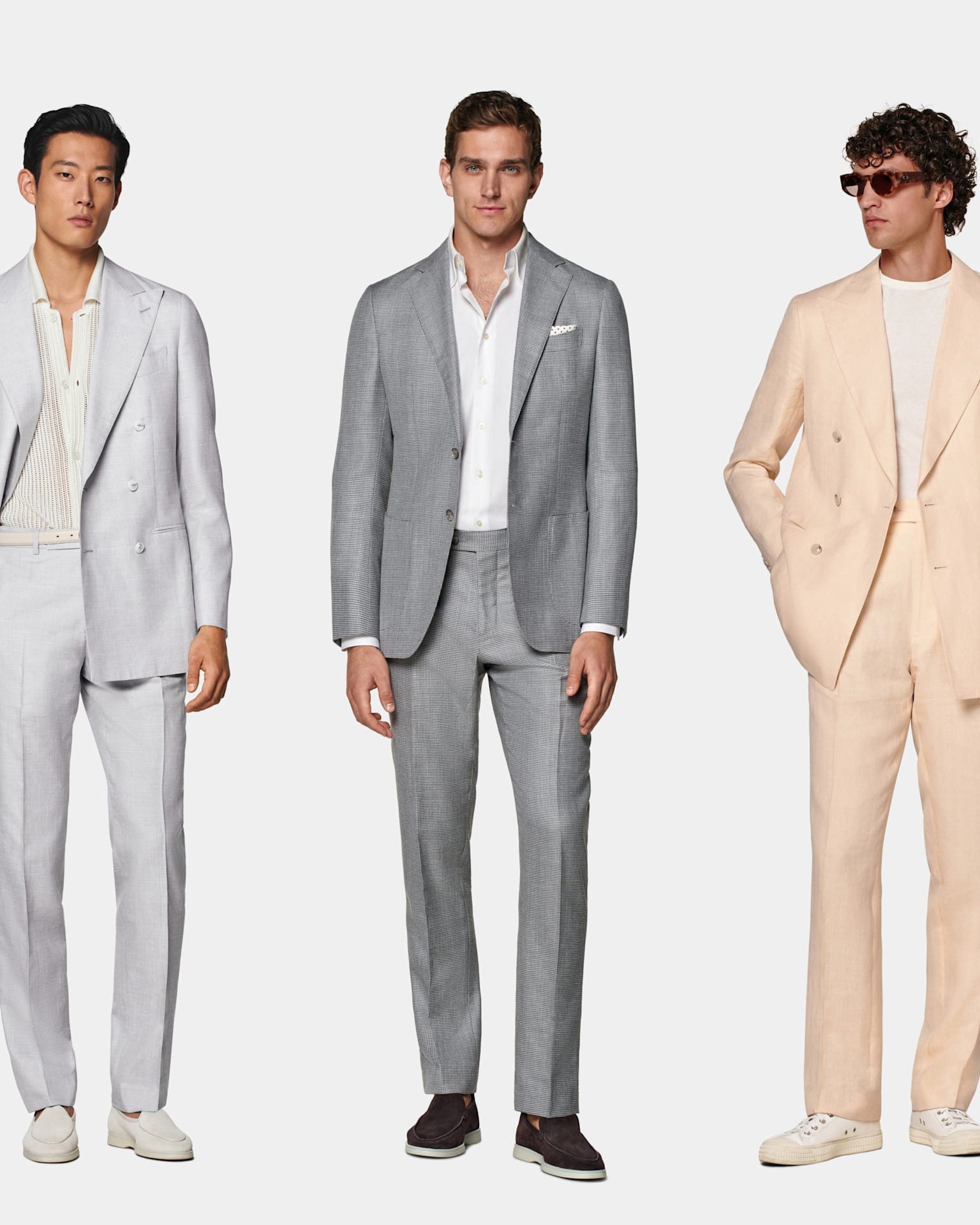
- Jacket Style: The single-breasted, two-button jacket is a universally flattering and appropriate choice for most formal settings. Notch lapels are the most common and versatile. Peak lapels, while more formal and assertive, can also be a powerful statement for those who wish to project a bolder image. Double-breasted jackets offer a more classic and inherently formal aesthetic, often conveying a sense of tradition and gravitas.
The Three-Piece Suit: Adding Depth and Authority
A three-piece suit, incorporating a matching waistcoat (vest), adds an extra layer of sophistication and formality.
- The Waistcoat’s Role: The waistcoat serves to fill the gap between the shirt and the jacket, creating a more streamlined and polished look, especially when the jacket is unbuttoned. It also adds a subtle visual interest and conveys a deeper commitment to dressing formally. When selecting a three-piece suit, ensure the waistcoat fits snugly but comfortably, without pulling at the buttons. The fabric should match the suit jacket and trousers precisely.
- When to Wear It: A three-piece suit is an excellent choice for more significant formal events, such as weddings, important business meetings, or black-tie optional occasions where you want to stand out subtly. It demonstrates an elevated level of attention to detail and a commitment to a sophisticated presentation.
The Dress Shirt: The Canvas for Your Look
The dress shirt is the foundation beneath your suit, and its quality and fit are critical.
- Fabric and Color: Crisp, high-quality cotton is essential. White and light blue are the most traditional and versatile colors for formal shirts. White is the ultimate in formality and pairs seamlessly with any suit color. Light blue offers a softer, yet still highly formal, alternative. Avoid overly bright colors or busy patterns for true formal occasions, as they detract from the suit and your overall composed appearance.
- Collar Style: The collar is a vital element as it frames your face. For formal wear, point collars or spread collars are the most appropriate. A point collar offers a classic, streamlined look, while a spread collar, with its wider points, is excellent for showcasing a tie knot and can create a more commanding presence. Ensure the collar points lie flat and don’t curl upwards.
- Cuffs: French cuffs, requiring cufflinks, are the definitive choice for formal shirts. They signify a higher level of polish and a dedication to detail that resonates strongly with a refined personal brand.
The Art of Accessorizing: Crafting Your Narrative
Accessories are not mere afterthoughts; they are the brushstrokes that complete your formal portrait. Each element, from the tie to the footwear, plays a crucial role in reinforcing your brand.
The Tie: The Focal Point of Expression
The tie is often the most expressive element of a formal menswear ensemble, but its impact is amplified when chosen thoughtfully and worn correctly.

- Material and Texture: Silk is the quintessential material for formal ties, offering a luxurious sheen and excellent drape. Consider texture as well; a subtle woven pattern or a fine knit can add depth without compromising formality.
- Color and Pattern: While solid colors in deep jewel tones (burgundy, navy, forest green) or classic muted shades are always safe and sophisticated, a tasteful pattern can add personality. Think fine stripes, small geometric designs, or subtle paisley. The key is to ensure the pattern complements, rather than competes with, your suit and shirt. For black-tie events, a black bow tie is mandatory.
- Knot Selection: The knot you choose impacts the overall balance of your tie. The Four-in-Hand knot is a versatile and timeless choice, while the Half Windsor offers a slightly larger, more symmetrical knot. The full Windsor, a more substantial knot, is best suited for wider spread collars. Regardless of the knot, it should sit snugly against the collar, and the tip of the tie should ideally reach the top of your belt buckle.
Footwear: The Grounding Element
Your shoes are the foundation of your formal attire, and their condition and style are critical.
- Style: For formal occasions, classic lace-up dress shoes are the only appropriate choice. Oxfords, with their closed lacing system, are considered the most formal. Derbies, with open lacing, are slightly less formal but still acceptable in many business contexts.
- Material and Color: High-quality leather is non-negotiable. Black is the universal color for the most formal events. Polished black leather Oxfords are the benchmark. For slightly less formal occasions, dark brown or oxblood leather can be appropriate, depending on the suit color.
- Maintenance: Impeccably polished shoes are a non-negotiable. Scuffed or worn-out shoes can instantly undermine an otherwise perfect outfit. Regular polishing and care demonstrate attention to detail and respect for your attire.
The Finishing Touches: Details That Define
Beyond the suit, shirt, and tie, a few key accessories elevate your formal presentation from good to exceptional.
- Pocket Square: A well-chosen pocket square adds a touch of personality and refinement. For formal events, a simple white linen or silk pocket square, folded neatly (a straight or puff fold), is the most classic choice. It provides a subtle contrast and signifies a polished demeanor.
- Cufflinks: As mentioned, cufflinks are essential for French cuffs and are a sophisticated detail that speaks to your attention to fine points. Opt for classic designs in silver, gold, or mother-of-pearl.
- Belt: If your trousers have belt loops, a slim, high-quality leather belt that matches your shoe color is necessary. If wearing suspenders (braces), a belt is usually omitted.
- Socks: Dress socks should be made of fine wool or silk and should match the color of your trousers, not your shoes. This creates a seamless visual line. Avoid white athletic socks at all costs.
Beyond the Ensemble: The Intangibles of Formal Presentation
While the garments and accessories are crucial, the most impactful aspect of your formal presentation lies in the intangible qualities you bring to the situation. Your confidence, posture, and understanding of the context are the true enhancers of your personal brand.
Confidence and Composure: The Ultimate Accessory
True formality is not just about wearing the right clothes; it’s about inhabiting them with confidence and poise. When you feel good in what you’re wearing, it shows.
- Body Language: Stand tall, make eye contact, and maintain a relaxed yet attentive posture. Your attire should feel like a second skin, allowing you to move freely and comfortably.
- Knowing Your Audience and Occasion: Understanding the specific nature of the formal event is key. A black-tie gala demands a different level of formality than a business dinner. Researching the dress code and subtly observing others upon arrival can help you adjust if necessary. This adaptability demonstrates social intelligence, a vital component of personal branding.
The Nuance of Fit and Tailoring: The Mark of Distinction
We’ve touched on fit throughout, but its importance in formal wear warrants reiteration. A well-tailored suit is the single most effective way to elevate your appearance and project a professional, put-together image.
- Invest in Alterations: Do not underestimate the power of a good tailor. Even minor adjustments to sleeve length, trouser hem, or jacket waist can transform an average suit into one that appears custom-made. This attention to detail signals that you value quality and present yourself with care.
- Understanding Proportions: Tailoring also ensures that the suit’s proportions are correct for your body shape, creating a balanced and flattering silhouette. This meticulousness in presentation speaks volumes about your character and approach to other aspects of your life, including your professional endeavors.
The Ethical and Sustainable Choice: A Modern Brand Statement
In today’s conscious world, the choices you make regarding your attire can also reflect your values.
- Quality Over Quantity: Investing in well-made, classic pieces that stand the test of time is inherently more sustainable than constantly chasing fleeting trends. This approach aligns with a brand that values durability, longevity, and mindful consumption.
- Understanding Materials: Opting for natural fibers like wool and high-quality cotton is not only better for your appearance but also for the environment. When considering brands, research their ethical sourcing and manufacturing practices.
By understanding and strategically applying these principles of formal menswear, you are not merely dressing for an occasion; you are actively curating and projecting a powerful personal brand. Each choice, from the fabric of your suit to the gleam on your shoes, contributes to a narrative of sophistication, competence, and unwavering attention to detail. Master formal wear, and you master a vital language of influence and respect.
aViewFromTheCave is a participant in the Amazon Services LLC Associates Program, an affiliate advertising program designed to provide a means for sites to earn advertising fees by advertising and linking to Amazon.com. Amazon, the Amazon logo, AmazonSupply, and the AmazonSupply logo are trademarks of Amazon.com, Inc. or its affiliates. As an Amazon Associate we earn affiliate commissions from qualifying purchases.