
The centerpiece of many holiday celebrations, the turkey, often represents a significant portion of a festive meal’s budget. Beyond the bird itself, the accompanying seasonings and flavor enhancers can also add up. As consumers navigate rising food costs and seek to maximize value without compromising on taste or tradition, understanding what to season a turkey with becomes not just a culinary question, but a financial one. This guide explores how strategic seasoning choices can elevate your holiday bird while remaining mindful of your personal finance goals.
Maximizing Flavor Within Your Food Budget
The allure of gourmet seasonings and pre-mixed blends can be tempting, especially when faced with enticing marketing and celebrity chef endorsements. However, a truly delicious and memorable turkey doesn’t necessitate an exorbitant expenditure on spices. By employing savvy shopping strategies and focusing on foundational flavor profiles, you can achieve exceptional results without breaking the bank.
The Economics of Herbs and Spices
The cost of individual herbs and spices can vary dramatically. While exotic blends or small, artisanal jars might seem appealing, they often come with a premium price tag. Understanding the cost-effectiveness of common herbs and spices is crucial for budget-conscious cooks.
Bulk Buying and Smart Storage
Purchasing herbs and spices in larger quantities from bulk bins or wholesale clubs can offer significant savings per ounce. For instance, a pound of dried rosemary purchased in bulk will likely be considerably cheaper than several small jars. The key to this strategy is proper storage. Invest in airtight containers to maintain freshness and prevent spoilage. Storing dried spices in a cool, dark place away from heat and direct sunlight will extend their shelf life considerably, ensuring you get the most value from your bulk purchases.
The Power of Fresh vs. Dried
While fresh herbs can offer a more vibrant flavor, their cost can be prohibitive, especially out of season. Dried herbs are often a more economical choice for a turkey seasoning base. The flavor of dried herbs is concentrated, and a little goes a long way. When substituting dried herbs for fresh, a general rule of thumb is to use one-third the amount of dried herb compared to fresh. For example, if a recipe calls for a tablespoon of fresh thyme, use a teaspoon of dried thyme. This simple adjustment can lead to noticeable savings without a significant dip in flavor.
Building a Flavor Foundation with Pantry Staples
Many essential flavorings are likely already in your pantry, reducing the need for additional purchases. Salt, black pepper, garlic powder, and onion powder are foundational seasonings that form the backbone of most savory dishes, including a seasoned turkey. These staples are generally inexpensive and readily available. Prioritizing these core ingredients allows you to allocate your budget towards more specialized or premium items if desired, or to simply enjoy a well-seasoned bird without added expense.
Strategic Seasoning Blends for Different Budgets
The “what” of seasoning a turkey can be approached with a tiered strategy, catering to different budgetary constraints and desired flavor profiles. From budget-friendly staples to slightly more indulgent additions, each level offers a pathway to deliciousness.
The “Pantry Powerhouse” – Budget-Friendly Brilliance
For the most budget-conscious approach, relying on common pantry staples can yield incredibly flavorful results. This strategy prioritizes cost-effectiveness while still delivering a delicious, aromatic turkey.
Salt and Pepper: The Unsung Heroes
Never underestimate the power of good quality salt and freshly ground black pepper. These two ingredients are the cornerstones of flavor. Properly salting the turkey, both under the skin and in the cavity, draws out moisture and enhances the natural savory notes of the meat. Black pepper adds a subtle warmth and pungency. Investing in a decent salt grinder and peppercorn set, while an initial outlay, provides long-term value as whole peppercorns and coarse salts tend to be more economical than pre-ground options.
Garlic and Onion: Aromatic Essentials
Garlic and onion, in their powdered or granulated forms, are budget-friendly powerhouses of flavor. They provide a deep, savory aroma and taste that complements the richness of turkey beautifully. A generous application of garlic and onion powder, perhaps mixed with salt and pepper, can create a robust and satisfying seasoning base without requiring fresh produce. This is particularly advantageous for those concerned about food spoilage or who want a simpler preparation.
The “Savory Upgrade” – Mid-Tier Flavor Boosters
Stepping up slightly in budget opens the door to a wider array of complementary flavors that can elevate your turkey from good to exceptional. These additions are typically still quite affordable when purchased wisely.
Dried Herbs: Classic Combinations
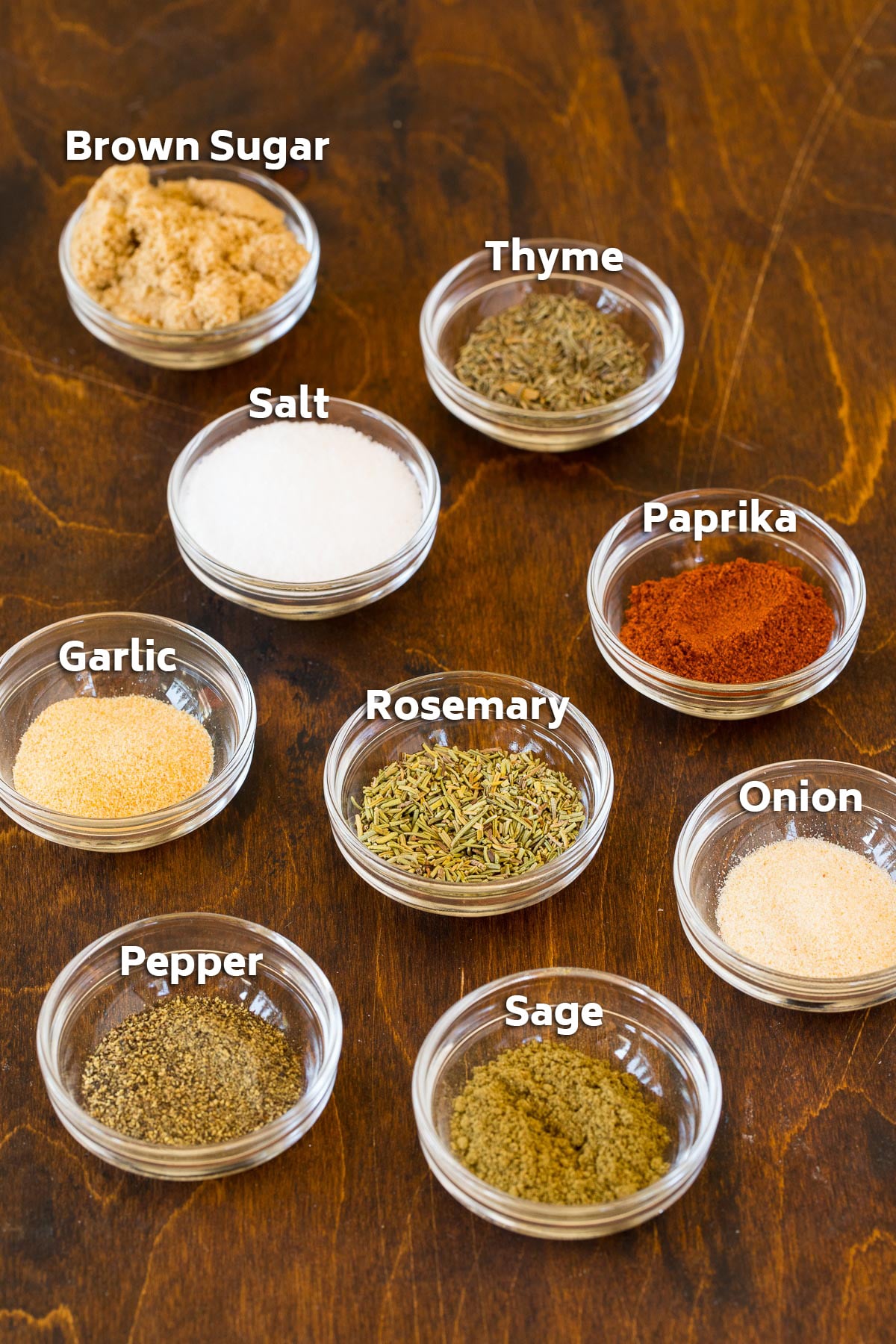
Classic dried herb blends offer a significant flavor upgrade at a reasonable cost. Think about combinations like rosemary, thyme, and sage – a traditional trio that imbues the turkey with a warm, earthy, and slightly peppery aroma. Paprika, available in sweet, smoked, or hot varieties, adds a beautiful color and a subtle depth of flavor that can range from mild sweetness to a gentle smoky warmth, depending on your choice. A blend of these dried herbs, mixed with salt, pepper, garlic, and onion powder, provides a complex flavor profile that is both familiar and sophisticated.
Citrus Zest: Brightness on a Budget
A simple yet effective way to add brightness and a touch of acidity to your turkey is through citrus zest. The zest of lemons or oranges, finely grated, adds a fresh, aromatic lift that cuts through the richness of the meat. While buying a whole lemon or orange solely for zest might seem inefficient, these fruits are often reasonably priced, especially when purchased during their peak seasons. The zest can be incorporated into your dry rub or placed in the turkey’s cavity alongside aromatics like onion and celery, adding a vibrant note without a significant financial outlay.
The “Gourmet Indulgence” – Premium Touches for Special Occasions
For those special occasions where a slightly more generous budget allows for premium additions, a few carefully chosen ingredients can impart a truly luxurious flavor. These are often items that can be bought in smaller quantities or used sparingly for maximum impact.
Fresh Herbs: The Aromatic Pinnacle
While dried herbs are economical, fresh herbs offer an unparalleled aromatic intensity and vibrant flavor. If your budget allows, incorporating fresh sprigs of rosemary, thyme, sage, or even parsley directly into the cavity or under the skin of the turkey can elevate its flavor profile significantly. Consider purchasing these from farmers’ markets or growing your own for a more cost-effective approach. Even a small amount of high-quality fresh herbs can make a discernible difference.
Specialty Rubs and Marinades: Strategic Investments
Pre-made gourmet spice rubs and marinades can be a convenient and flavorful option. However, it’s important to evaluate their cost-effectiveness. Often, these products are priced for convenience and branding. If you choose to use them, consider them as a strategic investment for a specific flavor profile you can’t easily replicate. Alternatively, you can create your own “gourmet” blends by incorporating slightly more premium ingredients into a base of your pantry staples. For example, adding a pinch of smoked paprika or a touch of dried chili flakes to your homemade rub can offer a sophisticated flavor boost at a fraction of the cost of a pre-made exotic blend.
Butter and Other Fat Enhancers: The Richness Factor
Incorporating butter or other healthy fats (like olive oil) into your seasoning strategy can significantly enhance moisture and flavor. Rubbing softened butter, infused with herbs and spices, under the turkey’s skin creates a self-basting effect, leading to a more succulent and flavorful bird. While butter is a staple, using it strategically as a flavor carrier is a wise culinary and financial decision. High-quality olive oil can also be used as a base for rubs, offering its own distinct flavor and aiding in crisping the skin.
Practical Application: Cost-Conscious Techniques for Flavorful Turkey
Beyond the ingredients themselves, how you apply them has a direct impact on both flavor and your budget. Employing smart techniques ensures that every dollar spent on seasonings translates into maximum taste and satisfaction.
The Art of the Rub: Maximizing Surface Area
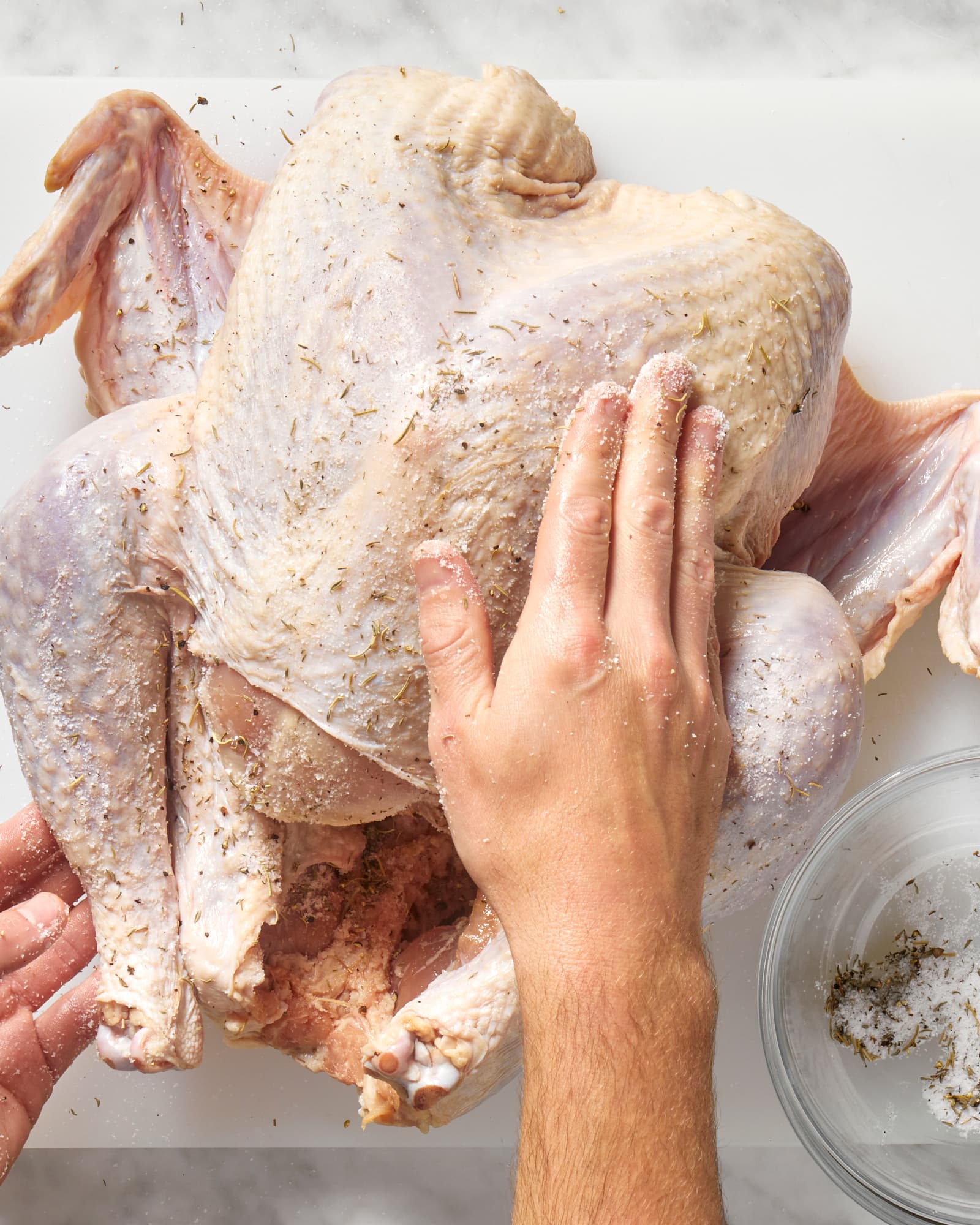
A well-executed dry rub is key to infusing flavor deep into the turkey. Creating a paste by mixing your chosen seasonings with a binder like olive oil or melted butter ensures that the rub adheres effectively to the skin. Don’t be afraid to lift the skin gently and rub the seasoning directly onto the breast and thigh meat. This technique maximizes the surface area that comes into contact with the flavorings, ensuring a more intense and even taste throughout the bird. This is a cost-effective method, as it relies on even distribution of your chosen spices.
Cavity Stuffing: Aromatics for the Interior
While traditional stuffing inside the turkey cavity can be a source of deliciousness, it can also affect cooking times and moisture distribution. For purely flavor enhancement, consider using aromatics like quartered onions, carrots, celery, garlic cloves, and herb sprigs placed loosely inside the cavity. These ingredients will steam as the turkey cooks, infusing the interior with subtle, complementary flavors. This is an extremely budget-friendly way to add depth to the bird’s natural taste.
Brining: A Flavor Investment
Brining, either with a salt-based solution or a sugar-and-spice brine, can be a significant investment in flavor and moisture. While it requires planning and space, the results are undeniable. A basic brine can be made with water, salt, and a few bay leaves or peppercorns – all relatively inexpensive ingredients. This method ensures that the turkey is seasoned from the inside out, leading to a remarkably juicy and flavorful bird that requires less aggressive seasoning on the exterior. The cost of the brine ingredients is minimal compared to the enhanced quality of the final product.
Conclusion: Savvy Seasoning for a Satisfying Celebration
Choosing what to season a turkey with is an opportunity to blend culinary creativity with financial prudence. By understanding the value of foundational pantry staples, making smart choices about fresh versus dried ingredients, and employing cost-effective application techniques, you can create a truly memorable and delicious holiday centerpiece without overspending. The goal is to achieve maximum flavor impact with every dollar spent, ensuring your holiday feast is both a celebration for the palate and a testament to smart consumer choices. From the humble salt and pepper to carefully selected herbs and spices, each ingredient plays a role in crafting a turkey that is not only satisfying to eat but also aligns with your personal financial goals.
aViewFromTheCave is a participant in the Amazon Services LLC Associates Program, an affiliate advertising program designed to provide a means for sites to earn advertising fees by advertising and linking to Amazon.com. Amazon, the Amazon logo, AmazonSupply, and the AmazonSupply logo are trademarks of Amazon.com, Inc. or its affiliates. As an Amazon Associate we earn affiliate commissions from qualifying purchases.