
The moment you decide to move on from your current role is often a mix of excitement for new opportunities and trepidation about the transition. While your focus might immediately shift to what’s next, the manner in which you leave your current position is just as critical as how you began it. A resignation letter is more than a mere formality; it’s a strategic communication that encapsulates your professionalism, protects your personal brand, and sets the stage for a smooth, respectful departure. In an increasingly interconnected world, where every interaction can shape your long-term career trajectory, understanding what to say – and what not to say – in your resignation letter is an art form.
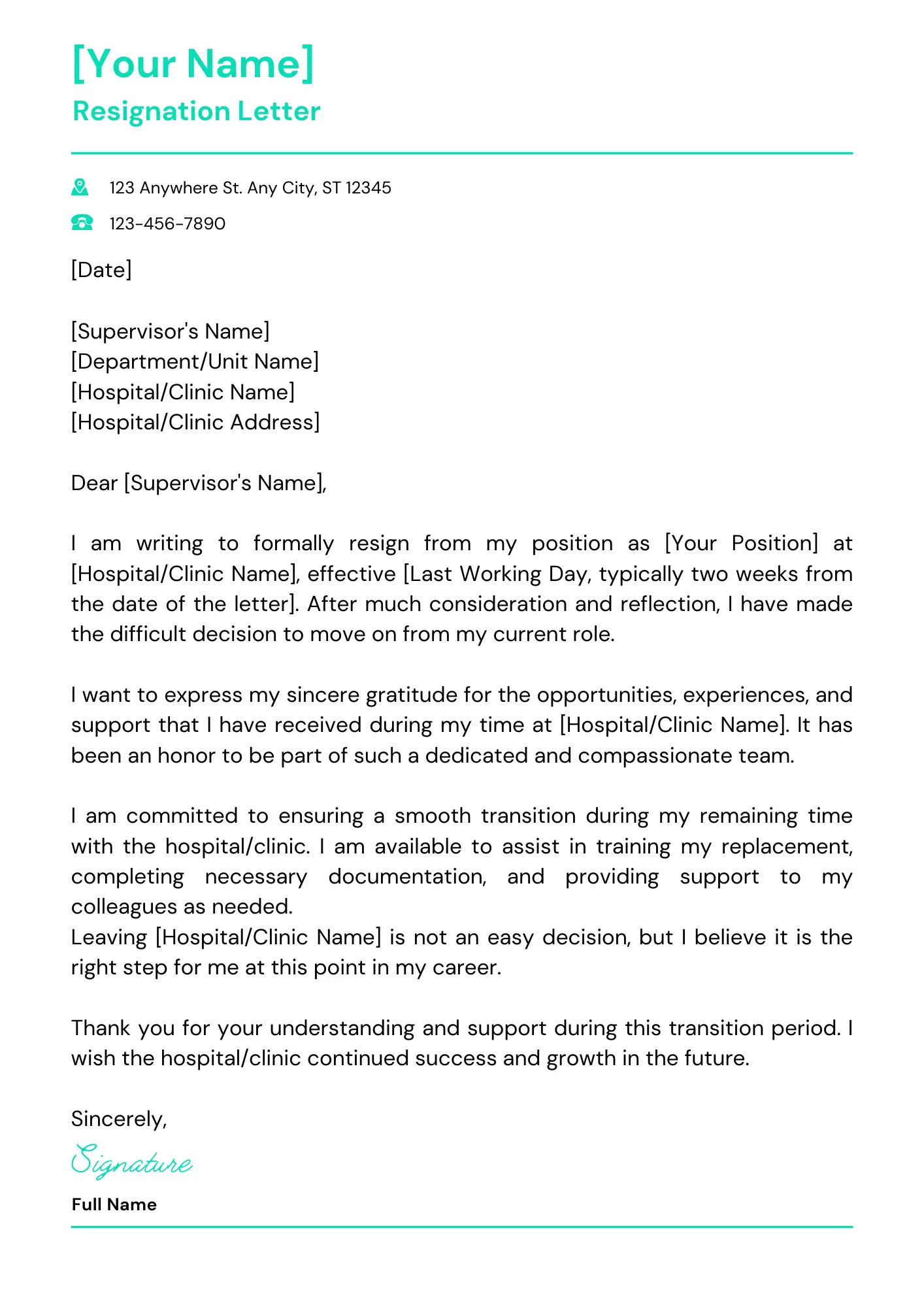
This guide will walk you through crafting an impactful resignation letter, integrating insights from technology for efficiency, brand strategy for reputation management, and financial prudence for a seamless transition. Whether you’re pivoting to a new tech venture, expanding your personal brand, or simply pursuing new financial horizons, a well-executed resignation is an investment in your future.
The Essentials: Crafting Your Core Message
At its heart, a resignation letter serves a clear, formal purpose: to inform your employer of your decision to leave. While its core message is straightforward, the tone and structure of this communication are paramount to ensuring a positive outcome for all parties involved.
Clarity, Conciseness, and Professionalism
The foundation of any effective resignation letter lies in its clarity, brevity, and unwavering professionalism. This document should be easy to understand, get straight to the point, and maintain a respectful, formal tone throughout.
-
State Your Intent to Resign: Begin directly by stating your clear intention to resign from your position. There’s no need for preamble or elaborate explanations in the opening paragraph.
- Example: “Please accept this letter as formal notification of my resignation from the position of [Your Job Title] at [Company Name].”
-
Specify Your Last Day of Employment: Clearly indicate your final day of work. This is crucial for HR, payroll, and for planning your handover. Standard practice often involves providing two weeks’ notice, but always refer to your employment contract or company policy for specific requirements.
- Example: “My last day of employment will be [Your Last Day – e.g., Friday, October 27, 2023], in accordance with my notice period.”
-
Express Gratitude (Optional, but Recommended): A brief, sincere expression of thanks for the opportunity to work at the company can go a long way in fostering goodwill. Focus on positive aspects like learning experiences, professional development, or enjoyable projects. Avoid anything that sounds sarcastic or insincere.
- Example: “I am grateful for the opportunities for growth and development I have been afforded during my time at [Company Name], particularly [mention a specific positive experience or skill learned].”
-
Offer Assistance During the Transition: Demonstrate your commitment to a smooth handover by offering to assist in the transition process. This shows responsibility and consideration for your colleagues and the company’s operational continuity.
- Example: “I am committed to ensuring a smooth transition during my departure and am happy to assist in training my replacement and completing any outstanding tasks to the best of my ability.”
-
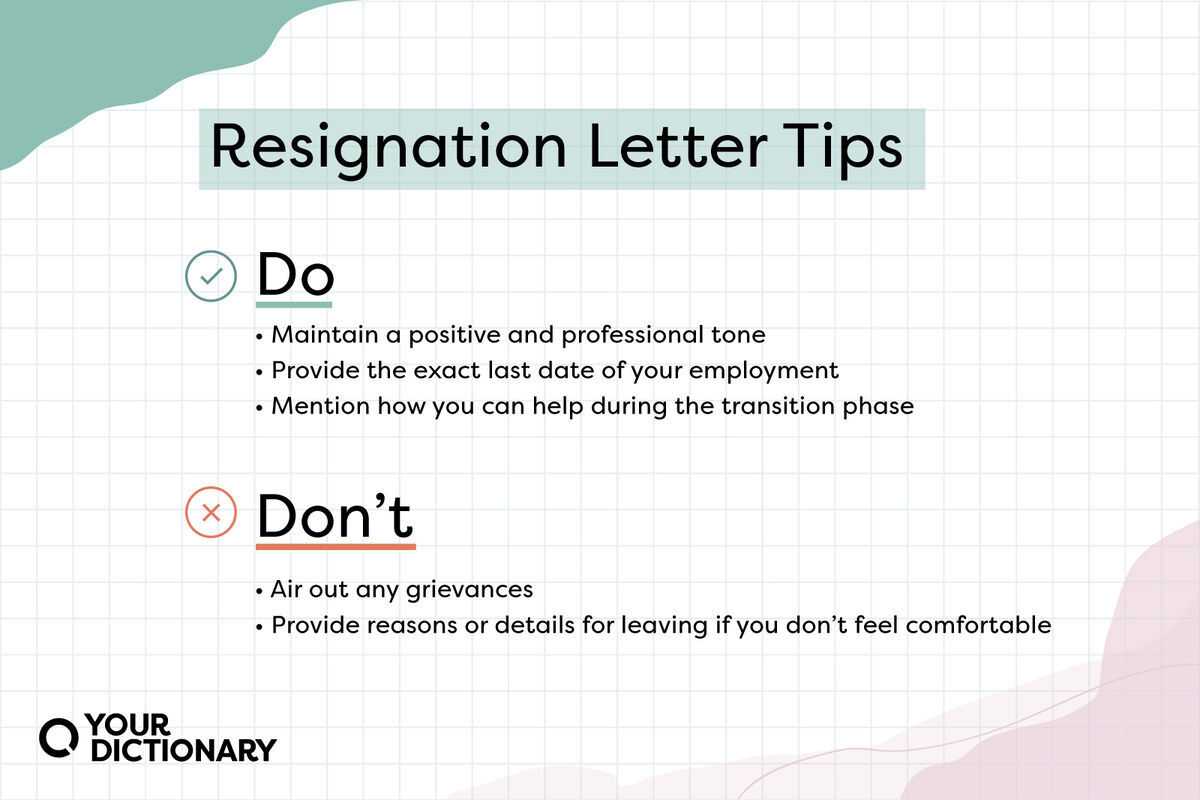
Maintain a Positive and Forward-Looking Tone: Even if your reasons for leaving are negative, your resignation letter is not the place to air grievances. Keep the tone professional, positive, and focused on your future rather than past complaints. This protects your personal brand and avoids burning bridges.
-
Standard Formal Format: Ensure your letter follows a standard business letter format:
- Your Contact Information (Name, Address, Phone, Email)
- Date
- Company Contact Information (Hiring Manager/Supervisor Name, Title, Company Name, Company Address)
- Salutation (e.g., “Dear [Manager’s Name],”)
- Body Paragraphs
- Professional Closing (e.g., “Sincerely,” or “Regards,”)
- Your Signature (if a physical letter)
- Your Typed Name
This structured approach ensures that the fundamental purpose of the letter is fulfilled clearly and professionally, laying a solid groundwork for a smooth departure.
Leveraging Technology for a Seamless Departure
In today’s digital age, technology plays a pivotal role in nearly every professional process, and resignation is no exception. From drafting your letter to managing your digital footprint, strategic use of tech can streamline your departure and safeguard your professional future.
Digital Tools for Drafting and Delivery
Gone are the days when a handwritten letter was the norm. Modern digital tools offer efficiency, accuracy, and professional presentation for your resignation.
- Word Processors and Cloud-Based Tools: Utilize robust word processors like Microsoft Word or Google Docs for drafting your letter. These platforms offer excellent formatting options, spell-check, and grammar tools. Google Docs, in particular, allows for easy collaboration if you’re seeking advice on your draft (though you should be cautious about sharing sensitive information).
- AI Writing Assistants: Tools like Grammarly, Jasper, or even ChatGPT can be invaluable for refining your language, ensuring a professional tone, and checking for grammatical errors. You can prompt an AI to help you draft an initial template, but it is absolutely critical that you personalize the content, verify all facts, and infuse your authentic voice. Relying solely on AI without human oversight can lead to generic, insincere, or even incorrect messaging that could inadvertently damage your personal brand. Use AI as a starting point, not the final word.
- Email as Primary Delivery Method: For most contemporary workplaces, email is the primary method for submitting a resignation letter.
- Professional Email Etiquette: Ensure your email subject line is clear and concise (e.g., “Resignation – [Your Name]”). Attach your resignation letter as a PDF to maintain formatting and prevent accidental edits.
- Read Receipts/Delivery Confirmation: Some email clients offer options for read receipts or delivery confirmations. While not mandatory, these can provide peace of mind that your communication was received.
- HR Platform Submissions: Many companies now utilize Human Resources Information Systems (HRIS) or internal portals (like Workday, BambooHR, or custom intranet systems) for official submissions. Always check if your company has a specific digital channel for resignations. If so, follow their protocol precisely, but often an email to your direct manager and HR simultaneously is still a good practice.
Digital Security and Data Management During Transition
Your departure is also a critical time to address digital security and data management, both for your own privacy and for the company’s intellectual property.
- Backup Personal Files: Before you formally resign, ensure you have backed up any personal files (documents, photos, contacts) from company-owned devices or cloud storage (e.g., Google Drive, OneDrive associated with your work account) to your personal devices or cloud. Be extremely careful not to transfer any company proprietary information or client data, as this could lead to legal issues. Focus solely on your personal files.
- Delete Personal Data from Company Devices: If you use a company-issued laptop, smartphone, or tablet, make sure to remove all your personal data, accounts, and apps before returning it. This includes personal emails, social media logins, photos, and any non-work-related downloads.
- Return Company Property: This includes not just physical gadgets (laptops, phones, tablets, access cards, security tokens) but also any software licenses or digital assets assigned to you. Returning these promptly and in good condition reflects positively on your professionalism.
- Change Passwords for Personal Accounts: If you ever logged into personal accounts (like banking, personal email, or social media) on a company device or using a company network, consider changing those passwords as a precautionary measure, especially if company IT has administrative access to devices.
- Understand Data Retention Policies: Be aware of your company’s policies regarding data retention and intellectual property. Your company may legally own work-related communications or documents you created during your employment. Your resignation letter can indirectly remind you to comply with these policies.
By strategically utilizing technology, you not only ensure your resignation process is efficient and professional but also proactively manage your digital footprint, safeguarding both your personal information and the company’s assets. This foresight is a hallmark of a tech-savvy professional.
Protecting Your Personal Brand Through a Graceful Exit
Your personal brand is your professional reputation, a sum of your skills, experiences, and how others perceive you. A resignation is a high-stakes moment for your personal brand, offering an opportunity to reinforce your professionalism or, conversely, to damage it. A graceful exit is an investment in your future career trajectory.

Professionalism as Your North Star
Regardless of the circumstances surrounding your departure—whether it’s for a better opportunity, a career change, or due to workplace challenges—your commitment to professionalism should remain unwavering.
- Your Letter as a Public Record: The resignation letter, while a private communication, is a formal document that becomes part of your employment record. Its tone and content reflect directly on your character and work ethic. If it’s ever reviewed by future employers seeking references, a professional, positive letter will serve you far better than one filled with negativity.
- Maintaining Decorum: Even if you’re leaving a toxic environment, resist the urge to use your resignation letter as a platform for grievances. Such actions are perceived as unprofessional and can reflect poorly on you, not just the company. Focus on the facts of your departure, express gratitude (even if minimal), and look forward. This demonstrates maturity and self-control, key attributes of a strong personal brand.
Nurturing Your Network, Not Burning Bridges
The professional world is smaller than you think. Colleagues today could be hiring managers tomorrow, or potential collaborators in your next venture. A graceful exit protects these vital connections.
- Offer to Assist in Transition: As mentioned, offering to help train your replacement or documenting your processes shows immense responsibility. This not only eases the burden on your team but also leaves a lasting impression of your dedication and teamwork. It underscores your brand as a reliable and considerate professional.
- Maintain Good Relationships: While your letter is formal, your interactions during the notice period are equally important. Continue to be a productive team member, be approachable, and express genuine well wishes to your colleagues. These interpersonal interactions will define how you are remembered and how others might speak of you in the future.
- Future References and Collaborations: A positive exit significantly increases the likelihood of receiving strong references from your former managers and colleagues. These references are invaluable for future job applications, partnerships, or even personal branding endorsements. Burning bridges, conversely, can lead to difficulty in securing future employment or opportunities.
Crafting Your Narrative for Future Opportunities
Your exit is not just the end of a chapter; it’s part of your ongoing career narrative. How you handle it speaks volumes about your character and potential.
- Control Your Story: Be prepared to articulate why you left your previous role in future interviews, always focusing on positive growth, new challenges, or alignment with long-term goals. Your professional exit should align with this narrative, showing consistency in your branding.
- Your Exit as a Case Study: Consider your departure as a personal brand case study. Did you manage the process efficiently? Did you communicate clearly? Did you leave a positive impression? These elements contribute to the overall strength and perception of your personal brand, which is critical in an era where personal branding, marketing, and reputation are paramount for career success.
By prioritizing professionalism, maintaining your network, and consciously shaping your departure narrative, you transform a potentially awkward situation into a powerful endorsement of your personal brand.
Financial Considerations and Future Money Moves
A job change inevitably brings financial implications. While your resignation letter doesn’t delve into the specifics of your bank account, understanding its indirect financial impact and planning for it is crucial. A smooth departure can save you stress and money in the long run, setting you up for future financial success.
Navigating Your Final Paycheck and Benefits
Your departure triggers several financial processes that you need to be aware of. While the resignation letter itself is formal, your knowledge surrounding these items empowers you.
- Final Salary and Accrued Vacation Payout: Understand how your final paycheck will be calculated. This typically includes your regular salary up to your last day, plus any accrued but unused vacation time, which many states or companies require to be paid out. Check your company’s HR policy or local labor laws.
- Health Insurance Continuation (COBRA): If you’re transitioning between jobs, there might be a gap in health insurance coverage. The Consolidated Omnibus Budget Reconciliation Act (COBRA) allows you to continue your health coverage for a limited time, usually at your own expense. Be aware of enrollment deadlines and costs.
- 401k/Retirement Plan Rollovers: If you have a 401k or other employer-sponsored retirement plan, you’ll need to decide what to do with it. Options typically include rolling it over into an IRA or into your new employer’s plan, or leaving it with your former employer (if your balance meets minimum requirements). Consult with a financial advisor to make the best decision for your long-term investing strategy.
- Stock Options/Equity Considerations: If your compensation included stock options, Restricted Stock Units (RSUs), or other forms of equity, understand the vesting schedules, exercise periods, and tax implications upon your departure. This can be a significant financial asset.
- Severance Packages: In some cases, especially if you were laid off or your role was eliminated, a severance package might be offered. While your resignation is voluntary, knowing the terms around departure (voluntary vs. involuntary) is important for understanding your rights to benefits or payouts.
These are critical personal finance considerations. A professional exit means you can clearly communicate with HR to ensure you receive all due compensation and understand your benefit options without hassle.
Setting the Stage for New Financial Beginnings
A clean break financially allows you to fully focus on your new role, side hustle, or entrepreneurial venture.
- Bridge the Income Gap: If you have a period of unemployment between jobs, or if you’re transitioning to online income generation or starting a side hustle, ensure you have an emergency fund to cover your living expenses. This financial cushion reduces stress and allows you to make strategic decisions rather than hurried ones.
- Update Financial Tools: As you transition, remember to update direct deposit information, manage any remaining company benefits, and adjust your personal budget to reflect your new income and expenses. Utilize financial apps and tools to track your income and outgoings during this period of change.
- Investing in Your Future: A smooth financial transition is an investment in your overall well-being and future earning potential. By proactively managing your finances during your departure, you ensure that you can fully commit to your next opportunity, whether that’s a new job with new benefits, expanding your online income streams, or dedicating more time to a promising side hustle. This strategic financial planning is as vital as the professional letter itself.
Understanding these financial dimensions means your resignation isn’t just an HR formality, but a calculated step in your overall financial strategy.
Common Pitfalls to Sidestep
While the focus should be on what to say, knowing what not to include in your resignation letter is equally important for a graceful and professional exit. Avoiding these common missteps will protect your personal brand and future opportunities.
- Don’t Overshare Your Reasons for Leaving: While you can briefly mention pursuing new opportunities or challenges, avoid going into extensive detail about why you are leaving. Your letter is not the place for personal stories, detailed grievances, or comparing your current role to your new one.
- Don’t Criticize or Complain: Never use your resignation letter to vent frustrations, complain about management, colleagues, or company policies. This is unprofessional, burns bridges irrevocably, and can reflect poorly on you when seeking future references. Address any constructive feedback in an exit interview, if offered, and maintain a respectful tone.
- Don’t Resign Before Securing Your Next Step (Unless Planned): For most people, it’s financially prudent to secure a new job offer before formally resigning. An exception might be if you have a substantial financial cushion, are retiring, or are intentionally taking a career break.
- Don’t Neglect HR Policies: Always review your employment contract or company handbook regarding resignation procedures. This includes the required notice period, return of company property, and final pay regulations. Failing to adhere to these policies can complicate your departure.
- Don’t Burn Bridges: Even if you’re excited to leave, remember that the professional world is interconnected. Maintain a positive relationship with your current employer and colleagues. You never know when you might cross paths again or need a reference. A well-crafted, respectful resignation letter is the first step in ensuring those bridges remain intact.
By consciously avoiding these pitfalls, you reinforce your professionalism and ensure your departure is seen as a mature, strategic career move rather than a hasty or emotional one.
Conclusion
Crafting your resignation letter is a pivotal moment that deserves careful consideration. It’s not merely a transactional document, but a strategic communication that reflects your professionalism, protects your personal brand, and can significantly impact your future career trajectory. By adhering to best practices in clarity and courtesy, leveraging digital tools for efficiency and security, consciously managing your professional reputation, and considering the financial implications, you transform a simple formality into a powerful statement about your character and capabilities. A thoughtful, graceful exit is more than just leaving a job; it’s an investment in your personal brand and a testament to your commitment to excellence, ensuring that your final impression is as strong as your first.
aViewFromTheCave is a participant in the Amazon Services LLC Associates Program, an affiliate advertising program designed to provide a means for sites to earn advertising fees by advertising and linking to Amazon.com. Amazon, the Amazon logo, AmazonSupply, and the AmazonSupply logo are trademarks of Amazon.com, Inc. or its affiliates. As an Amazon Associate we earn affiliate commissions from qualifying purchases.