
Losing a beloved dog is an incredibly painful experience, akin to losing a family member. Dogs offer unwavering companionship, unconditional love, and a unique joy that leaves an indelible mark on our lives. When someone you know is grieving the loss of their canine friend, offering comfort and support through a sympathy card can be a meaningful gesture. However, knowing what to say can be challenging, especially when words feel insufficient to capture the depth of the loss. This guide, drawing upon principles of empathy and thoughtful communication, aims to help you craft a heartfelt message that acknowledges their pain and celebrates the life of their cherished dog.
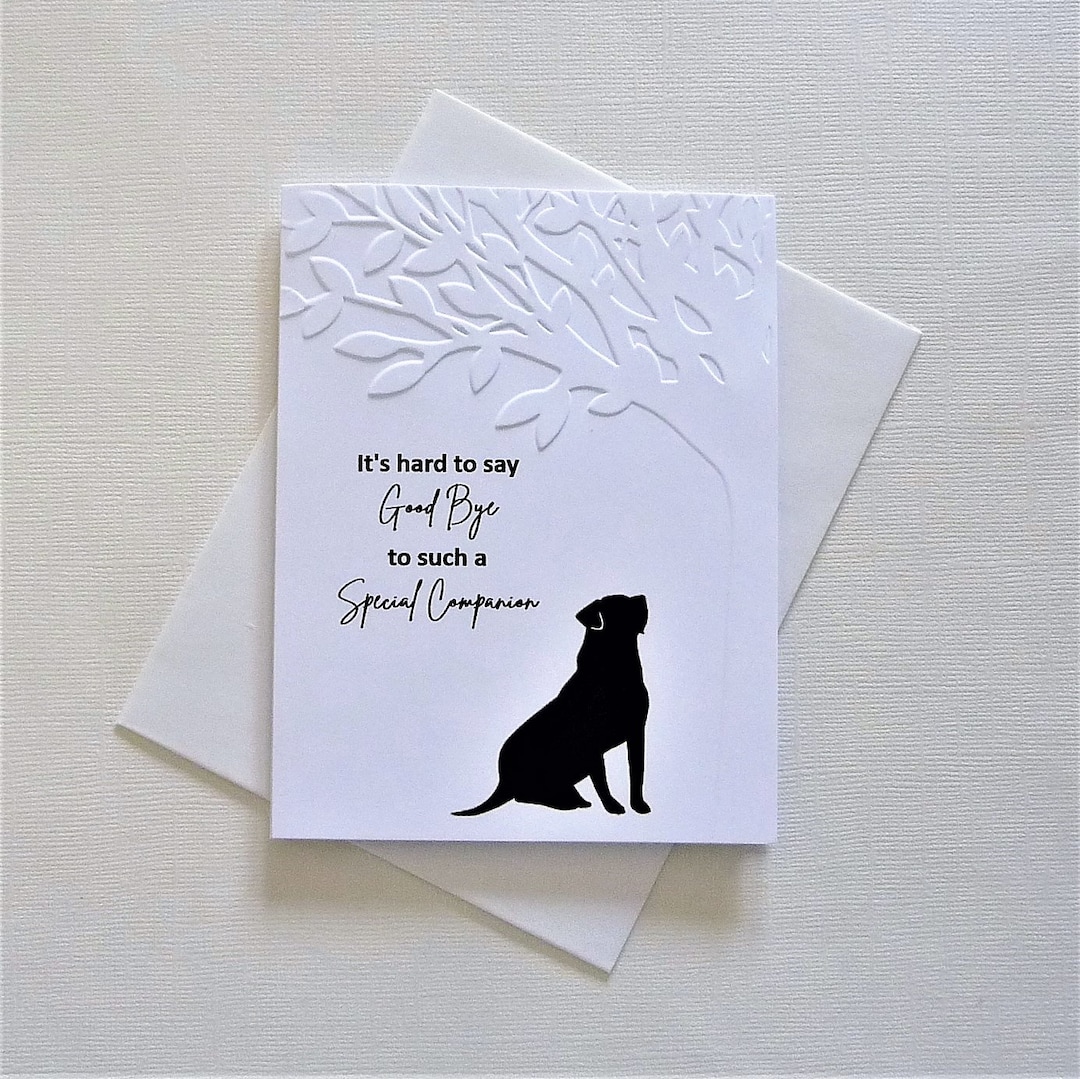
Understanding the Depth of Grief for a Pet
The bond between a human and their dog is often profound and multifaceted. For many, dogs are not just pets; they are integral members of the family, sharing daily routines, offering emotional support, and witnessing life’s most intimate moments. The grief experienced after their passing is a genuine and valid form of bereavement. It’s a loss of companionship, a disruption of routine, and the absence of a source of immense comfort and happiness.
The Unique Nature of the Human-Animal Bond
The loyalty, affection, and simple presence of a dog can profoundly impact our well-being. They offer a non-judgmental ear, a furry head to bury your worries in, and a constant source of enthusiasm. This unique connection creates a void that can feel as significant as any other major loss. Understanding this depth of feeling is crucial when composing a sympathy card. Avoid trivializing their pain or offering platitudes that dismiss the significance of their loss. Instead, aim to acknowledge the special place their dog held in their heart.
Navigating the Emotional Landscape of Pet Loss
The grieving process for a pet can manifest in various ways, mirroring human grief. Individuals may experience sadness, anger, guilt, denial, or even relief if the dog was suffering. It’s important to be sensitive to the fact that people grieve differently and on their own timelines. Acknowledge that their feelings are valid and that there is no “right” or “wrong” way to mourn. Your sympathy card should aim to validate these emotions and offer a sense of shared understanding.
Crafting a Heartfelt Message: Key Elements to Include
When writing a sympathy card for the loss of a dog, the most important elements are sincerity, empathy, and a genuine desire to offer comfort. Your words, though simple, can carry significant weight. Focusing on the dog’s positive impact and offering personal well-wishes can make a world of difference to someone who is hurting.
Acknowledging the Loss and Expressing Condolences
Start by directly acknowledging the loss and expressing your sincere condolences. It’s important to be direct but gentle. Phrases like “I was so sorry to hear about [Dog’s Name],” or “My heart goes out to you after the loss of [Dog’s Name],” set a compassionate tone. Avoid minimizing the event with phrases like “it was just a dog.” Instead, recognize the significance of the relationship.
Examples of Opening Sentences:
- “I was deeply saddened to learn of the passing of your beloved [Dog’s Name].”
- “Please accept my heartfelt condolences on the loss of your dear [Dog’s Name].”
- “My heart aches for you as you mourn the loss of your wonderful companion, [Dog’s Name].”
- “Sending you so much love and sympathy during this incredibly difficult time after losing [Dog’s Name].”
Sharing a Fond Memory or Quality of the Dog
If you knew the dog, sharing a specific, positive memory can be incredibly touching. It shows that you not only recognize the owner’s pain but also remember and cherish the dog’s personality and presence. Think about what made the dog special. Was it their goofy antics, their loving nature, their favorite toy, or a particular habit?
Examples of Sharing Memories:
- “I’ll always remember how [Dog’s Name] used to [specific funny or endearing habit], it always made me smile.”
- “I can still picture [Dog’s Name] greeting everyone with such enthusiasm. Their tail wags were infectious!”
- “I will never forget the time [Dog’s Name] [a specific positive interaction or event]. It was a moment that truly captured their sweet spirit.”
- “Knowing [Dog’s Name] was a joy. Their gentle nature and constant companionship were truly a gift.”
If you didn’t know the dog well, you can still acknowledge their positive impact based on what you’ve heard from the owner.
Examples for Those Less Familiar with the Dog:
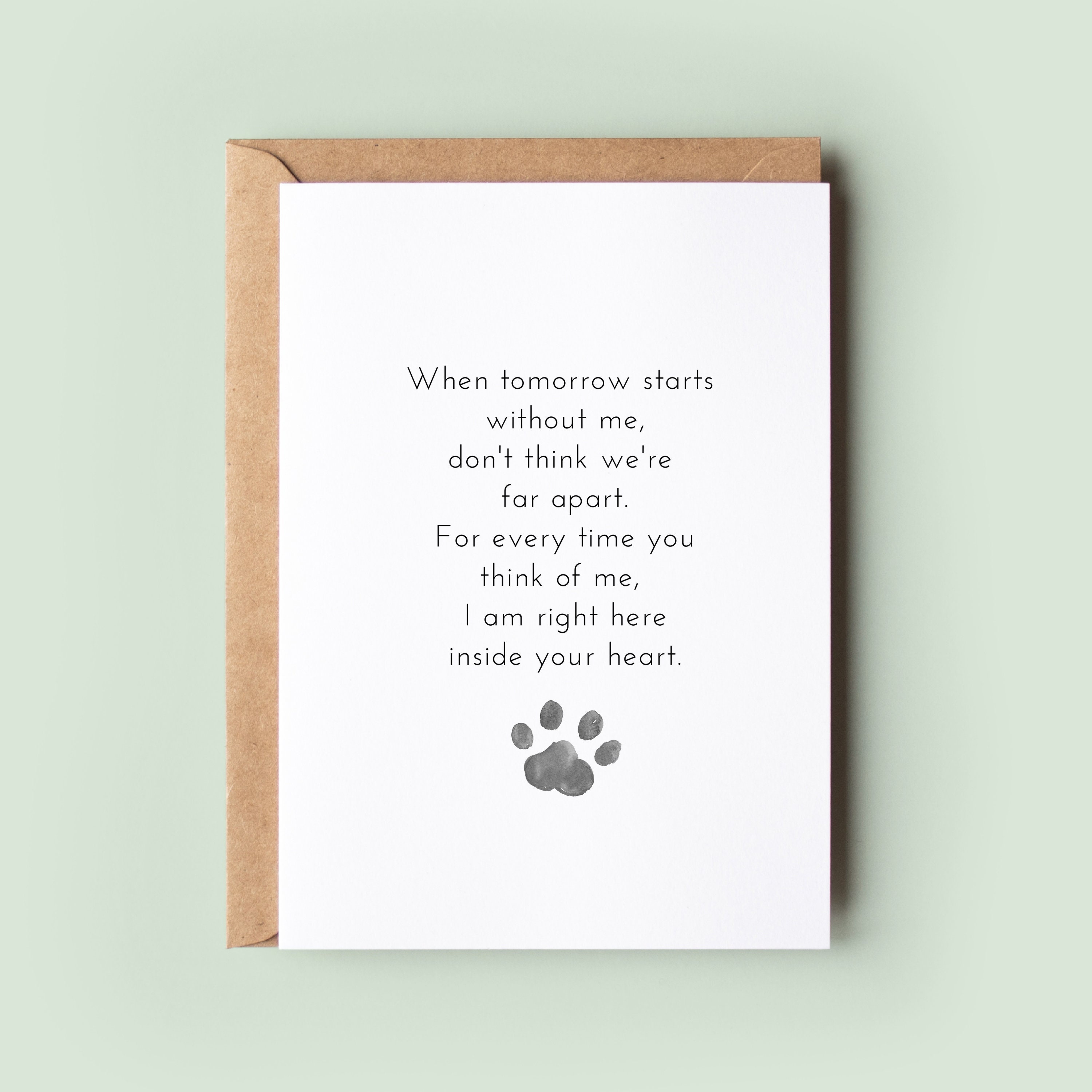
- “I know how much [Dog’s Name] meant to you. I’ve heard so many wonderful stories about their [positive qualities].”
- “From everything you’ve shared, [Dog’s Name] was such a special dog and brought so much happiness into your life.”
- “I’ve seen firsthand the incredible bond you shared, and I can only imagine how much you’re going to miss [Dog’s Name].”
Offering Support and Well Wishes
Beyond expressing condolences, it’s important to offer your support. Let the grieving person know that you’re there for them, whether they want to talk, need a distraction, or simply want someone to sit with in silence.
Examples of Offering Support:
- “Please know that I’m thinking of you during this difficult time.”
- “If you need anything at all, or just want to talk or reminisce, please don’t hesitate to reach out.”
- “I’m sending you strength and comfort as you navigate this loss.”
- “Take all the time you need to grieve. Your feelings are valid, and you are not alone.”
- “I hope you find comfort in the many happy memories you shared with [Dog’s Name].”
Closing Remarks
End your card with a warm and supportive closing. Reiterate your sympathy and your thoughts for them.
Examples of Closing Remarks:
- “With deepest sympathy,”
- “Thinking of you,”
- “Sending you love and peace,”
- “With heartfelt condolences,”
- “Warmly,”
What to Avoid Saying in a Dog Sympathy Card
Just as important as knowing what to say is knowing what to avoid. Certain phrases, though sometimes well-intentioned, can inadvertently cause more pain or discomfort to someone who is grieving. Sensitivity and empathy are key to ensuring your message is truly supportive.
Avoiding Minimizing Language and Platitudes
It’s crucial to avoid language that minimizes the significance of the loss. Comparing their grief to other types of losses or offering generic platitudes can feel dismissive.
Phrases to Avoid:
- “It was just a dog.” (This is perhaps the most hurtful thing to say.)
- “You can always get another dog.” (This disregards the unique bond they had.)
- “At least they’re not suffering anymore.” (While true, it can sometimes feel like a way to rush the grieving process.)
- “Time heals all wounds.” (This can feel unhelpful when someone is in the throes of acute grief.)
- “Everything happens for a reason.” (This can be particularly unhelpful and even offensive in the context of loss.)
Respecting Their Grief Journey
Everyone grieves differently and at their own pace. Avoid pressuring them to “get over it” or suggesting they should be moving on by a certain time. Your card should be a source of comfort, not a subtle push towards a timeline.
Things to be Mindful Of:
- Don’t ask for specific details about the death unless the grieving person volunteers them.
- Don’t compare their loss to your own past losses in a way that makes it seem like a competition.
- Don’t make it about you. While sharing a brief, relevant memory is good, the focus should remain on their loss and their feelings.

The Lasting Impact of a Thoughtful Card
In times of deep sorrow, even a small gesture of kindness can have a profound and lasting impact. A dog sympathy card is more than just a piece of paper with words; it’s a tangible representation of your care and understanding. It’s a way to acknowledge the special place their dog occupied in their life and to offer a beacon of support during a dark time. By focusing on sincerity, empathy, and genuine well-wishes, you can craft a message that provides comfort and honors the memory of a beloved canine companion. The love shared with a dog is a beautiful and powerful force, and acknowledging its loss with compassion is a gift in itself.
aViewFromTheCave is a participant in the Amazon Services LLC Associates Program, an affiliate advertising program designed to provide a means for sites to earn advertising fees by advertising and linking to Amazon.com. Amazon, the Amazon logo, AmazonSupply, and the AmazonSupply logo are trademarks of Amazon.com, Inc. or its affiliates. As an Amazon Associate we earn affiliate commissions from qualifying purchases.