
The seemingly simple act of ordering a drink at a bar can be a surprisingly potent tool for shaping and projecting your personal brand. In social and professional settings, your choices, even those as seemingly casual as what to sip on, can communicate a wealth of information about your personality, sophistication, and even your perceived status. This isn’t about judgment; it’s about understanding the subtle cues and leveraging them strategically to align your outward presentation with the image you wish to cultivate. In essence, your bar order becomes a miniature case study in personal branding, a tangible manifestation of your identity.

The Psychology of the Bar Order: More Than Just a Beverage
Understanding the underlying psychological drivers behind drink choices is the first step to wielding this subtle art. We are, by nature, pattern-seeking creatures, and when presented with limited information, our brains readily form impressions based on observable behaviors and choices. The bar, with its inherent social dynamics and variety of offerings, becomes a stage for these implicit judgments.
Signaling Sophistication and Knowledge
Certain drink categories and specific brands are colloquially associated with a higher degree of sophistication, worldly knowledge, or discerning taste. Ordering a craft cocktail, a single malt Scotch, or a premium gin and tonic can communicate that you possess an appreciation for nuance, quality, and perhaps a certain level of experience. This isn’t to say that simpler drinks are inherently unsophisticated, but rather that their ordering can imply different things depending on the context.
For instance, a well-executed classic cocktail, like an Old Fashioned or a Manhattan, suggests an understanding of mixology and a respect for tradition. The ability to articulate preferences, such as specifying a particular gin or a preferred bitters, further reinforces an image of someone who is knowledgeable and engaged. This attentiveness to detail, even in a casual setting, can translate to perceptions of meticulousness and competence in other areas of life.
Conveying Approachability and Friendliness
Conversely, some drink choices can signal an approachable and friendly persona. Opting for a widely recognized beer, a glass of wine, or even a straightforward mixed drink like a vodka soda can convey a sense of ease and a desire to blend in rather than stand out. This isn’t a sign of weakness, but rather a strategic choice to appear more relatable and less intimidating.
For networking events or initial introductions, a more conventional order can facilitate conversation and reduce potential perceived barriers. It suggests you are open to connection and not overly concerned with projecting an image of exclusivity. The goal here is to create a comfortable atmosphere where genuine interaction can flourish.
The Power of the Unconventional
While classic choices often convey established impressions, deliberately venturing into the less common can also be a powerful branding move. Ordering a niche craft beer, a unique digestif, or a signature house cocktail demonstrates a willingness to explore, a sense of adventure, and a potentially more creative or independent spirit. This can be particularly effective for individuals looking to position themselves as innovators or those who pride themselves on their distinctive tastes.
However, the unconventional approach requires careful consideration. It’s crucial to ensure your order aligns with the overall context and your personal brand narrative. An overly obscure or off-putting choice might create a negative impression, suggesting a lack of social awareness or a desire to be difficult. The key is to be memorable for the right reasons.
Strategic Ordering: Aligning Your Drink with Your Brand Objectives
Your bar order should not be a random act. It should be a deliberate choice that supports the brand you are actively cultivating. Consider the following strategic frameworks to guide your decisions.
The “Expert” Brand Archetype
If your personal brand emphasizes expertise, knowledge, and leadership, your drink orders can reinforce this.
- Focus on Classics and Craft: Opt for well-executed classic cocktails, high-quality spirits (single malt Scotch, aged rum, premium vodka), or artisanal beers.
- Articulate Preferences: Be prepared to discuss your choice, such as specifying a particular distillery, region, or flavor profile. Phrases like, “I’m enjoying the complexity of this barrel-aged gin,” or “I appreciate the balanced bitterness in this IPA,” can signal your engagement.
- Explore the Menu: Demonstrate an interest in the bar’s offerings by ordering from the curated spirit selection or asking for recommendations from the bartender on lesser-known but highly regarded options.
The “Connector” Brand Archetype
If your brand focuses on building relationships, fostering collaboration, and being a social hub, your drink choices can reflect this.
- Approachable Options: Select drinks that are widely understood and enjoyed. A well-made Margarita, a crisp Sauvignon Blanc, or a popular local craft beer are good examples.
- Social Drinks: Consider ordering something that is easy to share or discuss, like a pitcher of beer or a round of a simple, crowd-pleasing cocktail.
- Engage with the Bartender: Asking for a recommendation in a way that invites interaction (“What’s your favorite refreshing cocktail tonight?”) can open up conversation and make you appear more personable.
The “Innovator” Brand Archetype
If your brand is about creativity, forward-thinking, and pushing boundaries, your drink orders can reflect this.
- Signature Cocktails: Be open to trying the bar’s unique or signature creations. These often represent the bartender’s creativity and can be a talking point.
- Unusual Pairings: Explore less conventional spirit bases or flavor combinations. A cocktail featuring mezcal and elderflower, or a unique infusion, could fit this archetype.
- Express Curiosity: Frame your order with phrases like, “I’m curious to try something different tonight,” or “What’s the most inventive cocktail on your menu?”
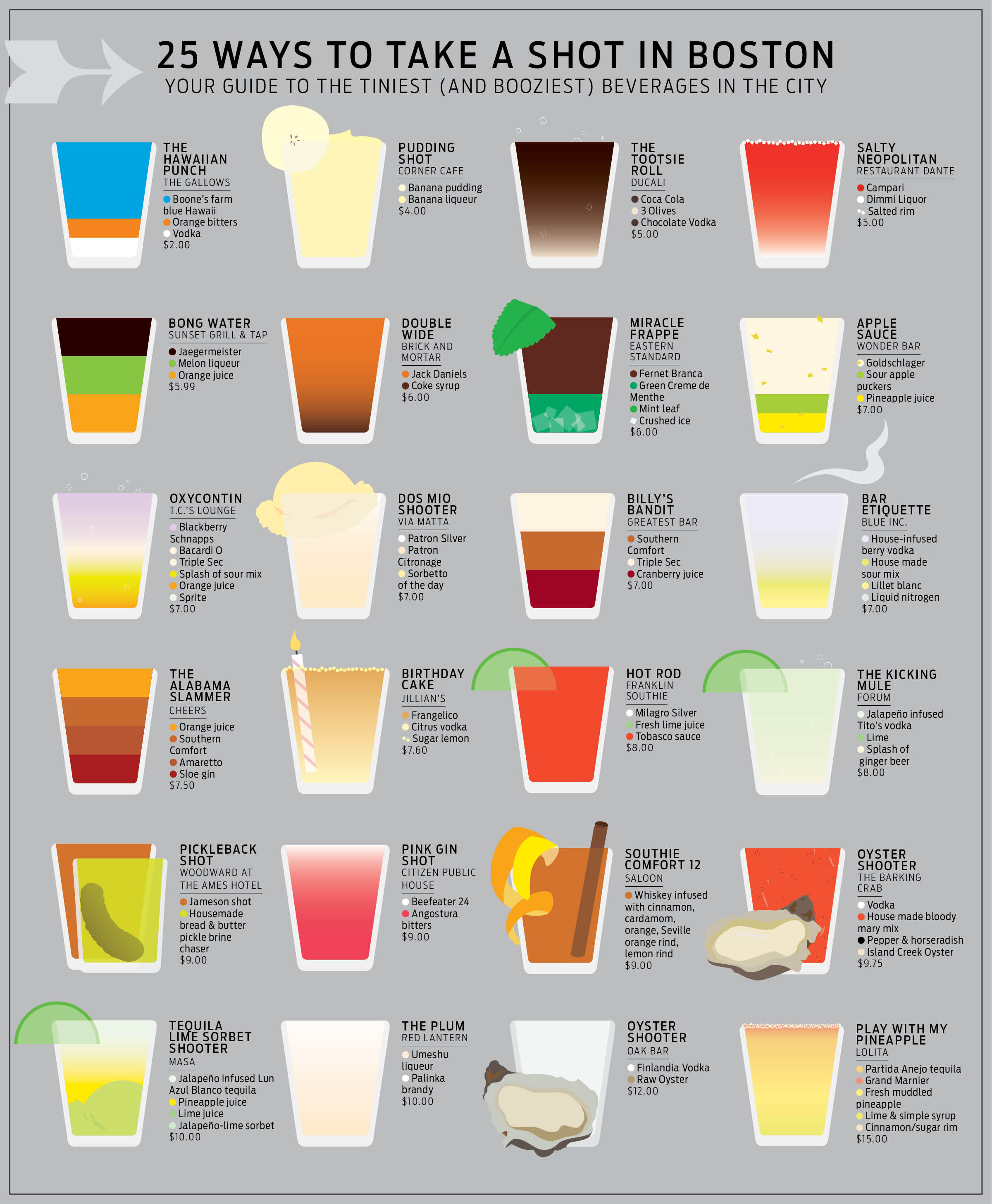
Decoding the Bar Menu: A Guide to Strategic Selections
The bar menu itself is a landscape of branding opportunities. Navigating it with intention can elevate your ordering experience from passive consumption to active brand expression.
Spirits: The Foundation of Your Choice
The type of spirit you choose speaks volumes.
- Whiskey/Scotch: Often associated with maturity, discernment, and a certain gravitas. Single malts and aged bourbons generally project a higher level of sophistication than blended whiskies or young spirits. Ordering a neat pour or on the rocks of a premium selection communicates an appreciation for quality and a refined palate.
- Gin: Increasingly popular and versatile, gin can signal a modern, sophisticated, and perhaps even adventurous taste. Premium gins, particularly those with complex botanicals, can project an image of connoisseurship. A classic Gin & Tonic, made with quality tonic water and a proper garnish, is a safe yet elegant choice.
- Vodka: While often perceived as a neutral spirit, the choice of vodka can still convey branding. Opting for premium brands, perhaps with a specific origin or unique filtration, can subtly suggest discernment. Mixed vodka drinks can range from approachable (vodka soda) to more complex (cosmopolitan), each with its own branding implications.
- Rum: Offers a spectrum of branding opportunities. Aged rums can convey warmth, richness, and a touch of tropical sophistication, while white rums in cocktails can be more casual and refreshing.
- Tequila/Mezcal: These spirits often carry associations with vibrancy, festivity, and a more daring palate. Premium tequilas, especially añejo or extra añejo, can signal a sophisticated appreciation. Mezcal, with its smoky character, often appeals to those who seek unique and bold flavors.
Cocktails: The Art of Mixology and Presentation
Cocktails are where mixology and branding truly intersect.
- The Classics: Drinks like the Old Fashioned, Manhattan, Martini, Negroni, and Sidecar are timeless for a reason. They represent a deep understanding of cocktail history and balance. Ordering one of these well-made suggests you appreciate tradition and have a refined palate.
- Modern Twists and Signatures: Many bars pride themselves on their innovative cocktail menus. Trying a signature drink can showcase your openness to new experiences and your appreciation for culinary creativity. It also provides a natural conversation starter with the bartender.
- Simple Mixers: Drinks like a Gin & Tonic, Vodka Soda, or Rum & Coke are often seen as more casual. However, the quality of the ingredients and the execution can still elevate the impression. Specifying a premium tonic or asking for a specific garnish can subtly signal your attention to detail.
Beer and Wine: Accessibility and Sophistication
While spirits and cocktails often take center stage in discussions of sophisticated bar orders, beer and wine offer their own branding nuances.
- Beer: From lagers and pilsners to IPAs and stouts, the world of beer is vast. Ordering a local craft beer can signal support for local businesses and an appreciation for craftsmanship. A well-chosen craft beer can also indicate a sophisticated palate that appreciates complex flavor profiles.
- Wine: A glass of wine, whether red or white, can convey a range of impressions depending on the varietal and region. A robust Cabernet Sauvignon might suggest confidence, while a crisp Pinot Grigio could imply elegance and a refreshing disposition. Ordering by the glass is generally more accessible than by the bottle, but it still offers a chance to signal your preferences.
The Bartender: Your Brand Ally
The bartender is not just someone who mixes drinks; they are often the gatekeepers of the bar’s brand and can be valuable allies in shaping your own. Engaging with them thoughtfully can enhance your experience and reinforce your personal brand.
Building Rapport Through Conversation
A well-placed question or a genuine compliment can go a long way. Instead of simply stating your order, consider asking for a recommendation or commenting on a particular spirit. This opens the door for dialogue and allows you to demonstrate your engagement and curiosity.
- “What’s your favorite spirit to work with right now?”
- “I’m looking for something [flavor profile], any recommendations?”
- “I’ve heard great things about this distillery, can you tell me more about it?”
These types of questions not only help you discover new drinks but also position you as an interested and discerning patron, rather than just another customer.
The Art of the “Ask”
When ordering, be clear and confident, but also considerate of the bartender’s expertise. If you have a specific request, such as a particular brand or a variation on a classic, articulate it politely.
- “Could I have a Negroni, please? Perhaps with a bit more emphasis on the Campari if possible.”
- “I’d love a Gin & Tonic. Do you have any interesting botanical gins you’d recommend?”
This shows you have a vision for your drink while respecting their ability to execute it. Conversely, if you’re unsure, admitting it and asking for guidance can be a sign of humility and a desire to learn, which can also be a positive branding trait.

The Power of Observation
Pay attention to how the bartender prepares your drink. Notice their technique, the quality of their ingredients, and the care they take. Acknowledging their skill – a simple “That looks fantastic” or “Thank you for the perfect pour” – demonstrates appreciation and reinforces your image as someone who recognizes and values quality craftsmanship.
Ultimately, what you order at a bar is a reflection of your personal brand. By understanding the subtle cues and making strategic choices, you can ensure that your beverage selection consistently communicates the image you wish to project, leaving a lasting and positive impression.
aViewFromTheCave is a participant in the Amazon Services LLC Associates Program, an affiliate advertising program designed to provide a means for sites to earn advertising fees by advertising and linking to Amazon.com. Amazon, the Amazon logo, AmazonSupply, and the AmazonSupply logo are trademarks of Amazon.com, Inc. or its affiliates. As an Amazon Associate we earn affiliate commissions from qualifying purchases.