
The world of cryptocurrency has evolved from a niche interest to a significant player in the global financial landscape. Once dismissed as speculative digital tokens, cryptocurrencies now represent a diverse asset class offering innovative technologies, new financial paradigms, and undeniable investment opportunities. However, this rapidly expanding market is also characterized by extreme volatility, technological complexity, and evolving regulatory frameworks, making it a challenging environment for both novice and experienced investors.
Deciding “what to invest in crypto” requires a blend of astute research, strategic planning, and a clear understanding of your personal financial goals and risk tolerance. This article aims to demystify the various facets of crypto investing, guiding you through the foundational knowledge, key asset categories, and essential strategies to help you navigate this exhilarating yet often unpredictable frontier. By understanding the underlying principles and exercising diligent care, you can position yourself to potentially capitalize on the transformative power of digital assets while managing inherent risks.
Establishing Your Crypto Investment Foundation
Before committing any capital, a solid understanding of the crypto market’s fundamentals is paramount. Unlike traditional assets, cryptocurrencies operate on decentralized networks with unique economic models and technological underpinnings.
Understanding Different Crypto Categories
The term “crypto” is an umbrella for a vast and varied ecosystem. It’s crucial to differentiate between the various types of digital assets, as each serves a distinct purpose and carries a unique risk profile.
- Currency Coins: Designed primarily as a medium of exchange and store of value, much like traditional fiat money. Bitcoin (BTC) is the quintessential example, often referred to as “digital gold.” Litecoin (LTC) also falls into this category.
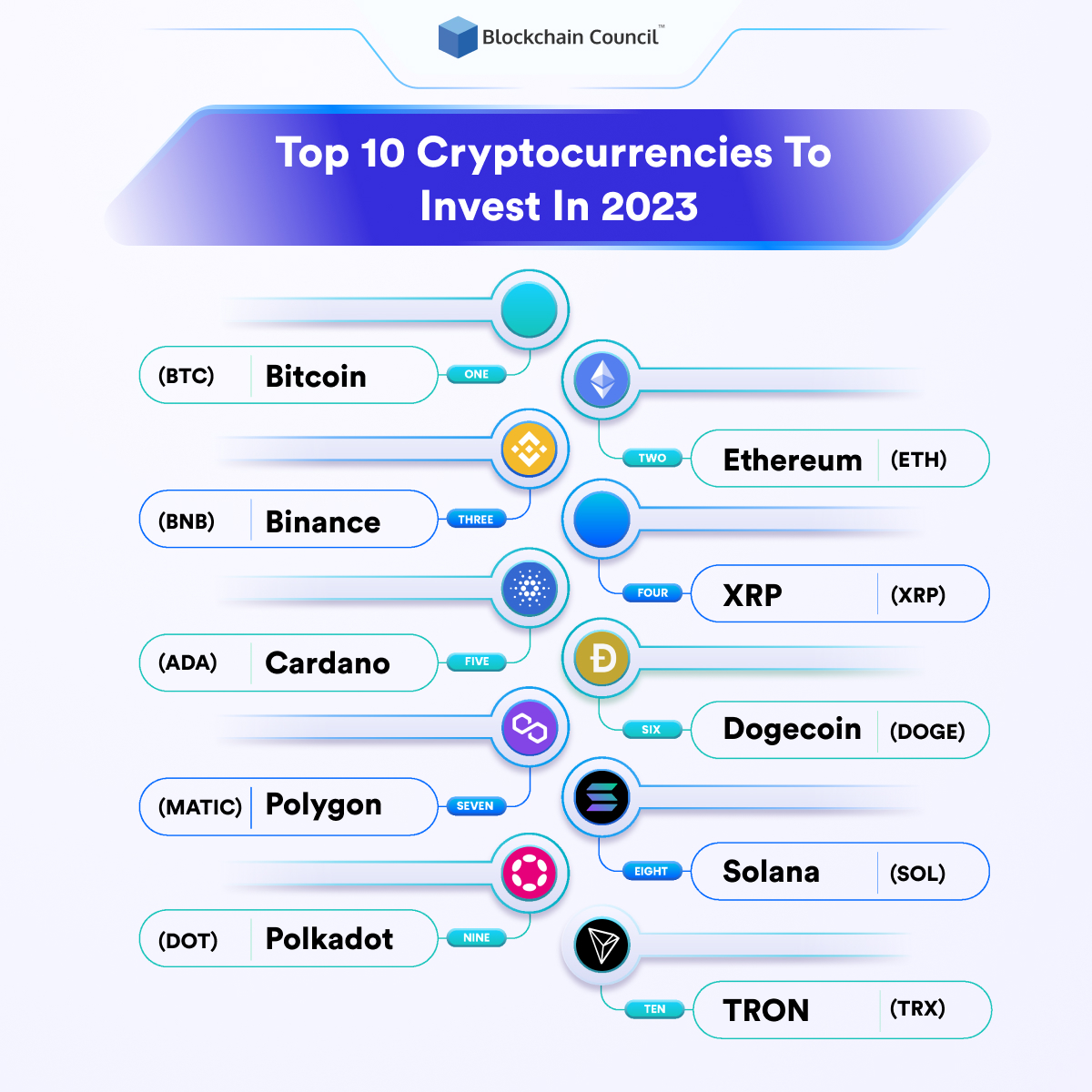
- Smart Contract Platforms (and their native tokens): These are the foundational layers for decentralized applications (dApps) and entire ecosystems. Ethereum (ETH) is the pioneer, enabling everything from DeFi to NFTs. Other prominent examples include Solana (SOL), Cardano (ADA), Polkadot (DOT), and Avalanche (AVAX), each offering different approaches to scalability, security, and decentralization.
- Decentralized Finance (DeFi) Tokens: These tokens power applications that aim to replicate traditional financial services (lending, borrowing, trading, insurance) without intermediaries. Examples include UNI (Uniswap), AAVE (Aave), and MKR (MakerDAO).
- Stablecoins: Designed to minimize price volatility by being pegged to a stable asset, typically a fiat currency like the US Dollar (e.g., USDT, USDC, DAI). They are crucial for trading, capital preservation during market downturns, and yield generation.
- Utility Tokens: These provide users with access to a specific product or service within a blockchain ecosystem. For instance, Filecoin (FIL) grants access to decentralized storage, while Basic Attention Token (BAT) is used in an advertising platform.
- Governance Tokens: Grant holders voting rights on the future development and parameters of a protocol. Many DeFi tokens also have governance functionalities.
- Non-Fungible Tokens (NFTs): Unique digital assets representing ownership of items like art, music, collectibles, or in-game assets. While not traditionally “investments” in the same vein as currency or utility tokens, their secondary market value has made them an area of significant interest.
Each category presents different opportunities and risks, and a well-informed investor understands these distinctions.
Key Value Drivers and Market Dynamics
The value of a cryptocurrency is influenced by a multitude of factors, often distinct from those affecting traditional stocks or bonds.
- Technology and Utility: The most critical factor. Does the blockchain solve a real-world problem? Is its technology robust, scalable, and secure? A project with strong fundamentals, a clear use case, and ongoing development tends to have long-term potential.
- Network Effect and Adoption: The more users, developers, and applications built on a blockchain, the stronger its network effect, leading to increased utility and value.
- Team and Community: A competent and transparent development team, alongside an active and engaged community, signals a healthy project.
- Market Capitalization and Liquidity: Larger market cap coins (like Bitcoin and Ethereum) tend to be more stable and liquid, offering easier entry and exit. Smaller cap coins can offer higher growth potential but come with significantly higher risk and often lower liquidity.
- Regulatory Environment: Government policies and regulations can profoundly impact crypto markets. Favorable regulations can foster growth, while restrictive ones can suppress innovation and price.
- Macroeconomic Factors: Broader economic trends, inflation rates, interest rates, and geopolitical events can also influence investor sentiment towards risk assets, including cryptocurrencies.
Understanding these drivers helps in evaluating a project’s intrinsic value rather than solely relying on price speculation.
Assessing Risk and Volatility
Cryptocurrencies are inherently volatile assets. Price swings of 10-20% in a single day are not uncommon, a level of fluctuation rarely seen in traditional markets. This volatility is a double-edged sword: it offers the potential for significant gains but also carries an equally significant risk of substantial losses.
Key risks include:
- Market Volatility: Sudden and dramatic price fluctuations.
- Regulatory Uncertainty: The lack of clear global regulatory frameworks can lead to unpredictable market reactions.
- Security Risks: Hacks of exchanges, smart contract vulnerabilities, and personal wallet compromises.
- Scams and Fraud: The crypto space is unfortunately rife with sophisticated scams, rug pulls, and fraudulent projects.
- Technological Risks: Unforeseen bugs, network failures, or upgrades that don’t go as planned.
It is crucial to approach crypto investing with a disciplined mindset and a commitment to only invest capital you can genuinely afford to lose. This foundational understanding sets the stage for exploring specific investment opportunities.
Exploring Promising Crypto Asset Classes
With the foundational knowledge established, we can now delve into specific crypto asset classes that often form the core of a diversified digital asset portfolio.
The Blue-Chips: Bitcoin and Ethereum
These two cryptocurrencies represent the cornerstones of the digital asset market and are often considered the safest entry points into crypto due to their size, adoption, and network effects.
- Bitcoin (BTC): The Digital Gold Standard. As the first cryptocurrency, Bitcoin has established itself as a decentralized store of value and a hedge against inflation for many. Its fixed supply, robust network security, and global recognition make it a popular choice for long-term investors seeking exposure to the crypto space with relatively lower (though still significant) risk compared to altcoins. It’s often likened to digital gold due to its scarcity and role as a hedge against traditional financial instability.
- Ethereum (ETH): The Smart Contract Powerhouse. Ethereum isn’t just a currency; it’s a decentralized platform that enables smart contracts and hosts a vast ecosystem of decentralized applications (dApps), including DeFi protocols, NFTs, and numerous other blockchain projects. Its ongoing evolution (e.g., the transition to Ethereum 2.0/Serenity and Proof-of-Stake) aims to improve scalability and efficiency, reinforcing its role as a fundamental layer of Web3. Investing in ETH is essentially investing in the infrastructure of the decentralized internet.
For many, a significant portion of their crypto portfolio might be allocated to these two giants, providing a relatively stable base amidst the broader market’s volatility.
Decentralized Finance (DeFi) & Smart Contract Platforms
The DeFi sector is one of the most innovative and rapidly growing areas of crypto, aiming to recreate traditional financial services in a decentralized, permissionless manner.
- DeFi Protocols: Investing in tokens of leading DeFi protocols (like Aave for lending/borrowing, Uniswap for decentralized exchange, or MakerDAO for stablecoin issuance) provides exposure to applications that are actively disrupting traditional finance. These tokens often grant holders governance rights and a share in the protocol’s success.
- Layer-1 & Layer-2 Solutions: Beyond Ethereum, numerous other smart contract platforms (Layer-1s) are competing to offer superior scalability, lower transaction fees, or unique features. Projects like Solana, Cardano, Polkadot, and Avalanche are viable alternatives or complements to Ethereum, each with its own developer community and ecosystem. Layer-2 solutions (like Polygon, Optimism, Arbitrum) are built on top of existing Layer-1s (primarily Ethereum) to enhance their performance, offering faster and cheaper transactions. Investing in these projects can provide exposure to the core infrastructure facilitating the next wave of blockchain innovation.
These assets represent investments in the utility and growth of decentralized applications and the underlying technology that powers them.
Stablecoins: Stability in Volatility
While not typically considered growth investments, stablecoins play a crucial role in a crypto portfolio. Pegged to fiat currencies (most commonly the US Dollar), stablecoins like USDT, USDC, and DAI offer a refuge during market downturns, allowing investors to preserve capital without exiting the crypto ecosystem entirely. They are also indispensable for:
- Trading: Facilitating quick entry and exit from volatile assets without converting back to fiat.
- Yield Farming & Staking: Many DeFi protocols offer attractive yields for staking or lending stablecoins, providing a source of passive income.
- International Remittances: Offering a fast and cheap way to transfer value across borders.
Holding a portion of your portfolio in stablecoins can provide flexibility and a buffer against market fluctuations, serving as a strategic tool rather than a speculative asset.
Emerging Sectors: Metaverse & AI-Powered Crypto
Beyond the established categories, several emerging sectors offer high-risk, high-reward opportunities for investors willing to delve into nascent technologies.
- Metaverse & Gaming Tokens: These tokens power virtual worlds, decentralized gaming platforms, and digital economies. Projects like Decentraland (MANA), The Sandbox (SAND), and Axie Infinity (AXS) gained significant traction as interest in the metaverse surged. Investing here is a bet on the future of immersive digital experiences and virtual ownership.
- AI-Powered Crypto: A rapidly developing niche where artificial intelligence meets blockchain technology. These projects aim to leverage AI for various purposes, such as optimizing blockchain networks, creating decentralized AI marketplaces, or developing AI-driven DeFi applications. This sector is highly speculative but could be transformative.
These emerging categories are characterized by significant volatility and uncertainty but also hold the potential for exponential growth if their underlying visions materialize. Due diligence and a highly speculative mindset are essential here.

Strategic Approaches to Crypto Investing
Navigating the crypto market successfully requires more than just identifying promising assets; it demands a disciplined and strategic approach.
Dollar-Cost Averaging (DCA)
One of the most effective strategies for mitigating volatility in crypto markets is Dollar-Cost Averaging (DCA). This involves investing a fixed amount of money at regular intervals (e.g., weekly or monthly), regardless of the asset’s price.
Benefits of DCA:
- Reduces Volatility Impact: You buy more when prices are low and less when prices are high, averaging out your purchase price over time.
- Removes Emotional Decision-Making: It automates your investment strategy, preventing impulsive buys during hype or panic sells during dips.
- Fosters Discipline: Encourages consistent investment over the long term, which is crucial for wealth accumulation.
DCA is particularly well-suited for a volatile asset class like cryptocurrency, allowing investors to participate without needing to time the market perfectly.
Portfolio Diversification
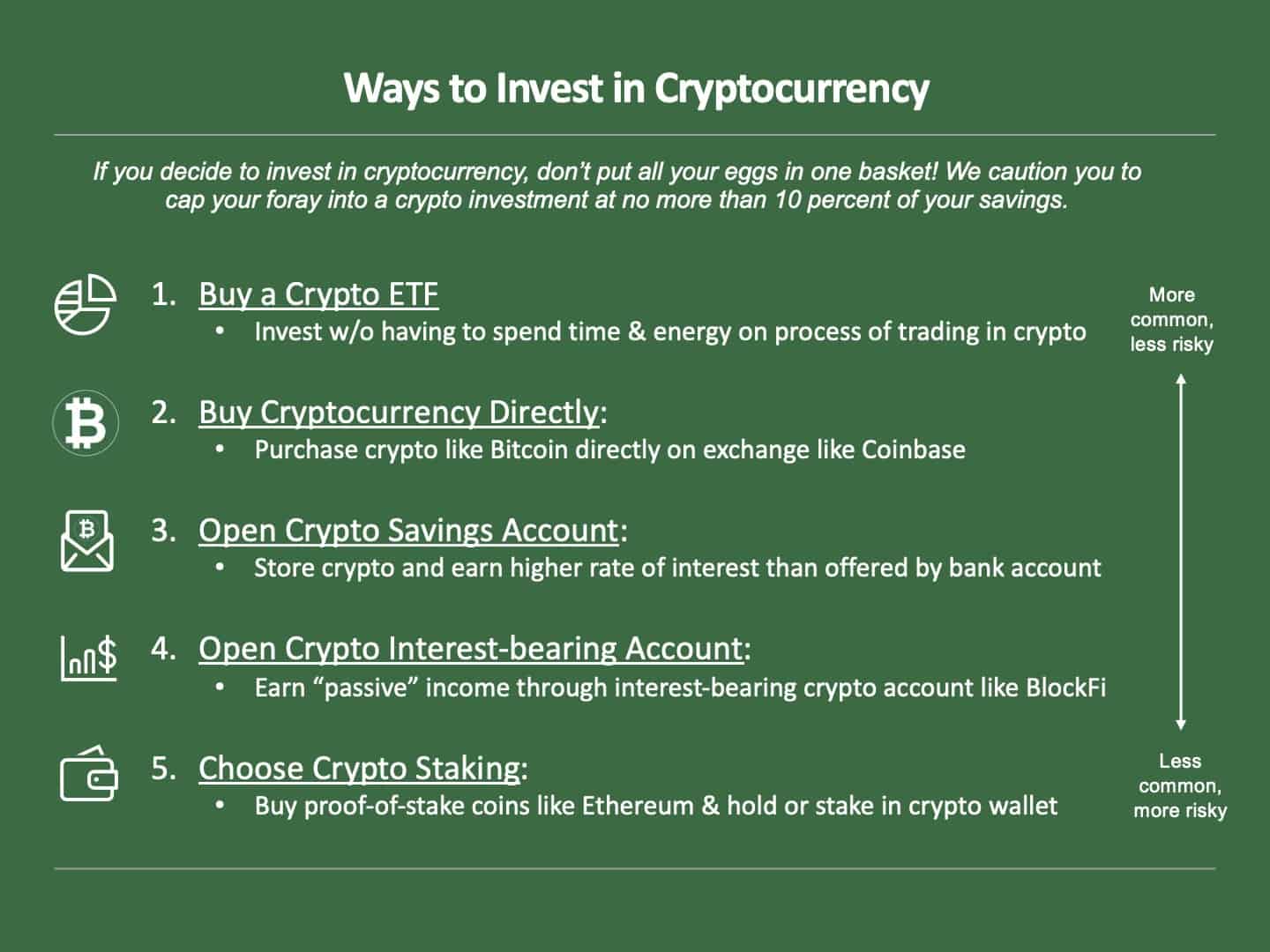
The age-old investment adage, “Don’t put all your eggs in one basket,” holds immense weight in crypto. Diversifying your crypto portfolio means spreading your investments across different types of digital assets and categories.
- Across Crypto Categories: Allocate capital to a mix of blue-chip assets (BTC, ETH), promising Layer-1s/Layer-2s, DeFi protocols, and perhaps a small, speculative allocation to emerging sectors.
- Balance with Traditional Assets: For most investors, crypto should form only a small percentage (e.g., 5-10%) of a broader, diversified portfolio that also includes traditional assets like stocks, bonds, and real estate. This strategy helps to cushion your overall financial health against extreme crypto market downturns.
Diversification helps reduce overall portfolio risk and increases the chances of capturing growth from various segments of the crypto ecosystem.
Rigorous Due Diligence (DYOR)
The acronym DYOR, or “Do Your Own Research,” is a mantra in the crypto community for a reason. With countless projects emerging daily, many without sustainable models or even malicious intent, thorough research is non-negotiable.
What to research:
- Whitepaper: The project’s foundational document outlining its technology, vision, and roadmap.
- Team: Experience, track record, and transparency of the development team.
- Technology: Is the blockchain innovative? Does it have a genuine use case? Is it secure and scalable?
- Tokenomics: The economic model of the token – supply, distribution, utility, and inflation schedule.
- Community and Partnerships: A vibrant community and strategic partnerships can indicate health and future adoption.
- Competitors: How does the project stack up against others in its niche?
Avoid making decisions based solely on social media hype, influencer recommendations, or short-term price movements.
Implementing Risk Management
Effective risk management is paramount in crypto investing. Beyond diversification, several practices can help safeguard your capital.
- Allocate Appropriately: Only invest what you are genuinely prepared to lose. This is critical given crypto’s speculative nature.
- Define Investment Goals: Have clear reasons for investing in each asset – is it for long-term growth, passive income, or short-term trading?
- Set Stop-Loss Orders: For active traders, stop-loss orders can automatically sell an asset if it drops to a certain price, limiting potential losses.
- Regular Portfolio Review: Periodically assess your portfolio’s performance, rebalance as needed, and adjust your strategy based on market conditions and your changing financial situation.
A well-defined risk management strategy provides guardrails for your investment journey.
Prioritizing Security
The decentralized nature of crypto places a significant burden of security directly on the investor. Poor security practices can lead to irreversible loss of funds.
- Strong, Unique Passwords and 2FA: Use robust passwords for all crypto accounts and enable two-factor authentication (2FA) wherever possible.
- Understand Wallets:
- Hot Wallets: Connected to the internet (exchange wallets, mobile apps, browser extensions). Convenient for trading but more susceptible to online threats.
- Cold Wallets (Hardware Wallets): Physical devices (e.g., Ledger, Trezor) that store your private keys offline. Essential for significant holdings, offering the highest level of security against hacking.
- Protect Your Seed Phrase: This is a series of words that unlocks your wallet. Never share it, store it offline, and make multiple backups in secure physical locations.
- Beware of Phishing and Scams: Always verify URLs, scrutinize emails, and be extremely cautious of unsolicited messages or offers that seem too good to be true.
Robust security is the foundation upon which all other crypto investment strategies are built.
Getting Started and Staying Informed
Once you’ve done your research and developed a strategy, the practical steps to begin investing are straightforward, though they still require careful consideration.
Selecting a Reputable Exchange and Wallet
The first practical step is choosing a platform to buy, sell, and store your cryptocurrencies.
- Crypto Exchanges: Select a reputable exchange based on factors like security track record, regulatory compliance, supported cryptocurrencies, trading fees, user interface, and customer support. Major global exchanges include Coinbase, Binance, Kraken, and Gemini. Always check their licensing and regulatory status in your jurisdiction.
- Wallet Options: For small amounts or active trading, a hot wallet (like an exchange’s integrated wallet or a mobile app) might suffice. However, for larger, long-term holdings, investing in a hardware wallet (cold storage) is highly recommended for superior security. Understand the distinction between custodial wallets (where the exchange holds your keys) and non-custodial wallets (where you control your private keys).
Navigating the Regulatory and Tax Landscape
Crypto is not tax-exempt. Most jurisdictions treat cryptocurrency as property for tax purposes, meaning capital gains and sometimes even certain transactions (like staking rewards or spending crypto) are taxable events.
- Record-Keeping: Maintain meticulous records of all your crypto transactions, including purchase dates, prices, sale dates, prices, and any associated fees. This is critical for accurate tax reporting.
- Consult a Professional: The crypto tax landscape is complex and varies significantly by country. It is highly advisable to consult with a tax professional specializing in cryptocurrencies to ensure compliance. Ignorance of tax obligations is not a defense.
Continuous Learning and Adaptation
The crypto market is one of the fastest-evolving sectors in finance and technology. What is relevant today might be outdated tomorrow.
- Stay Updated: Regularly read reputable crypto news sources, follow established analysts and researchers, and engage with knowledgeable communities.
- Learn New Technologies: Keep an eye on emerging trends like zero-knowledge proofs, decentralized identity, or new consensus mechanisms.
- Adapt Your Strategy: Be prepared to adapt your investment strategy as market conditions, regulatory environments, and technological advancements unfold. The ability to learn and adjust is a key differentiator for long-term success.
Conclusion
Investing in crypto is a journey into an innovative and potentially highly rewarding asset class, yet one that demands respect for its inherent volatility and risks. There is no single “best” crypto to invest in, as the optimal choices depend on your individual financial goals, risk appetite, and investment horizon. Whether you choose the stability of blue-chip assets like Bitcoin and Ethereum, the growth potential of DeFi and Layer-1 platforms, or the speculative thrill of emerging sectors, an informed and disciplined approach is paramount.
By establishing a strong foundation of knowledge, strategically diversifying your portfolio, diligently researching projects, implementing robust risk management, and prioritizing security, you can position yourself to navigate the digital asset landscape effectively. Remember, patience, continuous learning, and a long-term perspective are your most valuable assets in the dynamic world of cryptocurrency. Invest wisely, stay informed, and always invest responsibly.
aViewFromTheCave is a participant in the Amazon Services LLC Associates Program, an affiliate advertising program designed to provide a means for sites to earn advertising fees by advertising and linking to Amazon.com. Amazon, the Amazon logo, AmazonSupply, and the AmazonSupply logo are trademarks of Amazon.com, Inc. or its affiliates. As an Amazon Associate we earn affiliate commissions from qualifying purchases.