
The journey from a tiny, aquatic larva to a terrestrial amphibian is a fascinating biological process, but for those involved in amphibian husbandry, conservation breeding, or scientific research, it’s also a process that demands precise management. While the natural diet of tadpoles is diverse and varies by species, replicating or augmenting this in a controlled environment often necessitates technological intervention and scientifically formulated solutions. Understanding what to feed tadpoles effectively goes beyond simply knowing their natural prey; it involves considering the nutritional science, the delivery mechanisms, and the impact on their development and health. This guide delves into the technological and nutritional aspects of feeding tadpoles, focusing on optimized outcomes for captive rearing.
Understanding Tadpole Nutritional Requirements: A Technological Perspective
Tadpoles, in their larval stage, are highly specialized for aquatic life and exhibit a range of feeding strategies, from herbivory to omnivory and even carnivory, depending on the species. The key to successful captive rearing lies in providing a diet that mirrors these natural requirements, but with a focus on bioavailable nutrients and consistency, often achieved through engineered food products and controlled dispensing systems. The biological imperatives of growth, metamorphosis, and immune system development all hinge on precise nutritional input.
Macronutrient and Micronutrient Ratios for Optimal Growth
The foundation of any successful feeding strategy is a thorough understanding of the macronutrient (proteins, carbohydrates, fats) and micronutrient (vitamins, minerals) requirements of tadpoles. While specific ratios can vary significantly between species, general principles apply. High protein content is typically crucial for growth and development, especially during rapid larval stages. Essential fatty acids are vital for cell membrane integrity and energy storage. Carbohydrates provide readily available energy.
From a technological standpoint, this translates to the development of precisely formulated food products. These are not just simple blends; they are engineered diets created using nutritional software and advanced processing techniques. For instance, protein sources might be selected for their digestibility and amino acid profiles, often incorporating fish meal, insect meal, or specialized plant-based proteins. Fat sources are chosen for their omega-3 and omega-6 fatty acid content. Micronutrient premixes, developed by animal nutritionists, ensure that essential vitamins and minerals are present in the correct, bioavailable forms. This level of precision is difficult to achieve with haphazardly sourced natural foods and is a testament to the application of nutritional science and food technology in amphibian care.
The Role of Specialized Food Formulations and Delivery Systems
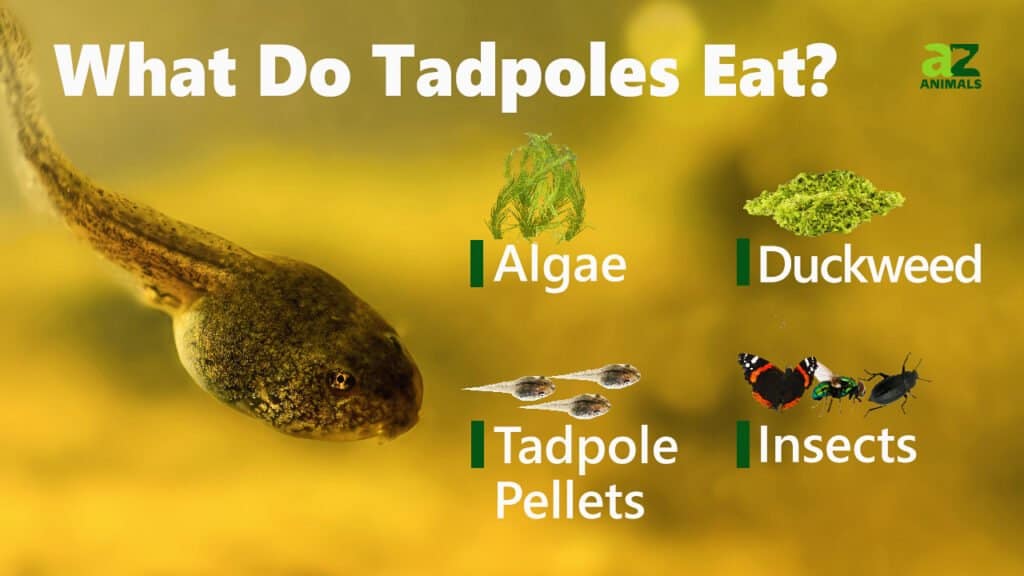
Modern amphibian husbandry, whether for pet keeping, aquaculture, or research, increasingly relies on specialized food formulations. These range from fine powders designed to remain suspended in water, to extruded pellets that slowly release nutrients, and even live foods cultured under controlled conditions. The development of these formulations is a technological endeavor.
Powdered and Granular Diets: These are often the primary choice for very young or small tadpoles. The particle size is critical for ingestion and digestibility. Advanced manufacturing processes ensure uniformity in particle size and distribution, preventing segregation of nutrients and ensuring each feeding provides a balanced intake. These powders are often suspended in the water column using automated stirrers or gentle water circulation systems to keep them accessible to tadpoles.
Pelleted and Tablet Foods: For larger tadpoles, slow-sinking pellets or tablets can be employed. These are designed to release nutrients gradually, reducing waste and maintaining water quality. The extrusion process used to create these pellets allows for precise control over ingredient ratios, binder types, and pellet density, ensuring they sink at the desired rate and don’t disintegrate too quickly.
Live Food Culturing Technologies: While not always considered “tech” in the traditional sense, the controlled culturing of live foods like brine shrimp, Daphnia, or specific insect larvae involves significant technological input. This includes temperature-controlled incubators, specialized media and nutrient supplements for the cultures, and automated feeding systems for the culturing organisms themselves. The goal is to produce a consistently available and nutritionally dense live food source.
Adapting Diets for Different Species and Life Stages
The notion of a single “best food” for all tadpoles is a misconception. Effective feeding protocols are species-specific and adapt as the tadpole progresses through its developmental stages. Technological tools and data analysis play a crucial role in identifying and implementing these specialized requirements.
Species-Specific Nutritional Profiles: Leveraging Data and Research

Different amphibian species have evolved distinct feeding habits and thus require different nutrient profiles. For instance, herbivorous tadpoles of certain frog species might thrive on diets rich in plant matter and spirulina, while carnivorous tadpoles of salamanders will require higher protein and potentially animal-based nutrients.
Modern research utilizes advanced analytical techniques, such as spectroscopy and chromatography, to dissect the nutritional content of natural food sources and to analyze the metabolic needs of tadpoles at different life stages. This data is then fed into nutritional modeling software, which helps create precise feed formulations tailored to specific species. Databases are maintained, cataloging the nutritional requirements of numerous amphibian species, and these are constantly updated as new research emerges. This data-driven approach is a hallmark of advanced animal husbandry and relies heavily on technological infrastructure for data collection, storage, and analysis.
Metamorphosis and Post-Metamorphosis Nutritional Shifts
The metamorphic process is one of the most metabolically demanding phases in a tadpole’s life. During this period, significant physiological changes occur, including the development of lungs, limbs, and a shift in digestive enzymes to accommodate a more terrestrial diet. Nutritional needs change dramatically.
For species that transition to carnivory or insectivory upon metamorphosis, the diet must shift from being primarily plant-based or omnivorous to one that is protein-rich and contains essential nutrients for muscle development and continued growth. Specialized post-metamorphic formulations are designed to meet these evolving needs. These might include insect-based pellets, supplemented insect foods, or carefully chosen live insect prey. The transition period requires careful monitoring, often using observational software that tracks feeding behavior and physical development, allowing for timely adjustments to the diet to prevent nutritional deficiencies or overfeeding.
Environmental Control and Water Quality: The Technological Ecosystem for Feeding
Effective feeding is inextricably linked to the surrounding environment, particularly water quality. In captive settings, maintaining optimal water parameters is crucial for tadpole health and for preventing food-induced issues like water fouling. This is where environmental control technologies become paramount.
Filtration, Aeration, and Water Parameter Monitoring Systems
The presence of uneaten food and metabolic waste products can rapidly degrade water quality, leading to stress, disease, and mortality in tadpoles. Advanced filtration systems, including mechanical, biological, and chemical filters, are essential for removing particulate matter and dissolved organic compounds. Aeration systems, such as air stones and pumps, ensure adequate dissolved oxygen levels, which are critical for tadpole respiration and metabolic processes.
Water parameter monitoring systems, ranging from simple test kits to sophisticated automated probes and sensors, are used to track key indicators like pH, ammonia, nitrite, and nitrate levels. These technologies provide real-time data, alerting keepers to potential problems before they become critical. In more advanced setups, these sensors can be integrated with automated dosing systems that can adjust water parameters or even trigger partial water changes, creating a self-regulating environment that supports healthy feeding and growth.
Preventing Food Contamination and Water Fouling
The type of food and its delivery method have a direct impact on water quality. Using high-quality, easily digestible foods minimizes the amount of undigested material that can foul the water. Furthermore, technologies that control feeding amounts and timing are crucial. Automated feeders can dispense precise portions at set intervals, ensuring that tadpoles consume most of what is offered and reducing waste. This precise delivery prevents overfeeding, a common mistake that leads to excessive waste.
In some specialized applications, such as large-scale breeding facilities, sophisticated waste management systems, including UV sterilization for water, are employed to combat the proliferation of bacteria and pathogens that can thrive in nutrient-rich water. The selection and maintenance of these technological systems are as important as the food itself for ensuring the successful rearing of tadpoles.

Conclusion: The Future of Tadpole Nutrition is Technological
The act of feeding tadpoles, while rooted in biology, has evolved into a discipline heavily influenced by technology. From the precise formulation of nutrient-dense foods, designed through advanced nutritional modeling, to the sophisticated environmental control systems that maintain optimal water quality, technology plays an indispensable role in ensuring the health, growth, and successful metamorphosis of tadpoles in captivity. As our understanding of amphibian physiology deepens, and as technological capabilities advance, we can expect even more innovative solutions to emerge, further optimizing the rearing of these fascinating creatures for conservation, research, and beyond. The future of tadpole nutrition is not just about what they eat, but how we intelligently provide it.
aViewFromTheCave is a participant in the Amazon Services LLC Associates Program, an affiliate advertising program designed to provide a means for sites to earn advertising fees by advertising and linking to Amazon.com. Amazon, the Amazon logo, AmazonSupply, and the AmazonSupply logo are trademarks of Amazon.com, Inc. or its affiliates. As an Amazon Associate we earn affiliate commissions from qualifying purchases.