
New York City has long been defined by its skyline, its financial prowess, and its cultural output. However, over the last decade, a new identity has emerged, positioning the “Big Apple” as a primary rival to Silicon Valley. This ecosystem, affectionately known as “Silicon Alley,” has transformed Manhattan and its surrounding boroughs into a global epicenter for software development, artificial intelligence, and digital infrastructure. For the tech-forward professional or the curious digital nomad, knowing “what to do in NY” is no longer about finding the best bagel or a Broadway show; it is about navigating one of the most sophisticated technological landscapes on the planet.

This guide explores the essential locations, experiences, and networking hubs that define the modern technological character of New York City, offering a roadmap for those looking to engage with the city’s burgeoning digital economy.
Exploring the Infrastructure of Innovation
The physical landscape of New York has been radically reshaped by the tech industry. Unlike the sprawling campuses of Northern California, NYC’s tech scene is vertical, integrated, and deeply woven into the urban fabric.
The Evolution of Silicon Alley
Originally centered around the Flatiron District, Silicon Alley has expanded to encompass much of lower and midtown Manhattan. When visiting, one should observe the “Google Campus” in Chelsea. Spanning multiple city blocks, including the massive 111 Eighth Avenue building, this area represents the physical weight of tech in the city. Nearby, the Hudson Street corridor serves as a hub for major players like Disney Streaming and various high-frequency trading firms, illustrating the intersection of media, finance, and pure tech.
Cornell Tech and the Roosevelt Island Renaissance
A visit to Roosevelt Island offers a glimpse into the future of academic-industrial partnerships. Cornell Tech, a graduate school campus focused on technology, business, and creative thinking, represents a multi-billion dollar bet by the city on long-term innovation. Walking through the “Emma and Georgina Bloomberg Center” provides insight into sustainable architecture—one of the largest net-zero energy buildings in the world—and showcases how the city is fostering the next generation of AI and cybersecurity specialists.
The Rise of the Brooklyn Tech Triangle
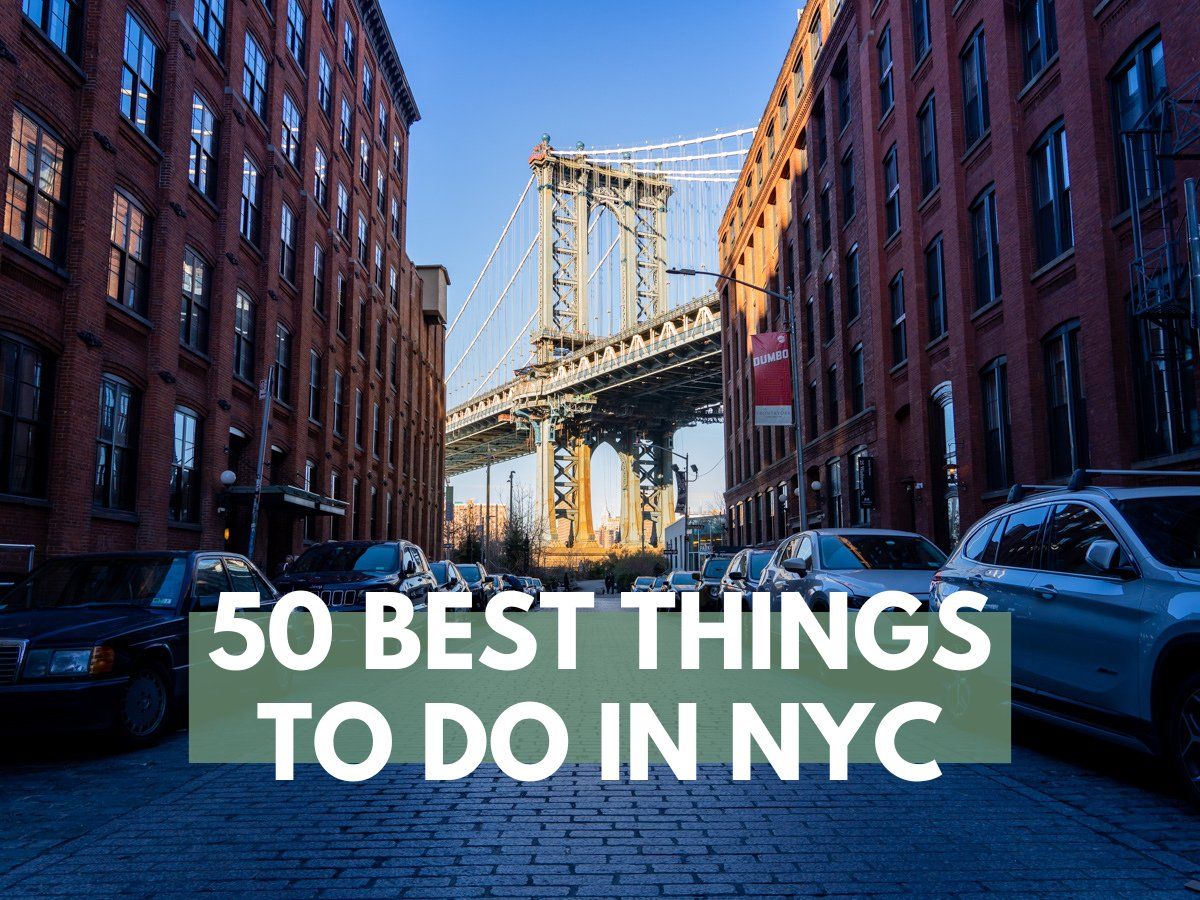
New York’s tech narrative is incomplete without Brooklyn. The “Tech Triangle”—comprising Downtown Brooklyn, DUMBO, and the Brooklyn Navy Yard—is home to a high concentration of hardware startups, creative agencies, and manufacturing tech. The Navy Yard, in particular, has transitioned from a historical shipyard to a massive incubator for robotics and green-tech companies. Exploring this area allows tech professionals to see the tangible side of innovation, where software meets physical production.
Immersive Tech Experiences and Retail Innovation
New York City serves as a global testing ground for retail technology and immersive digital experiences. For those looking to see how tech is changing consumer behavior, several key locations are mandatory.
Flagship Innovation Centers
Many global tech giants use their New York flagship locations as experiential centers rather than traditional stores. Samsung 837 in the Meatpacking District is a prime example. It is described not as a store, but as a “digital playground,” featuring massive VR installations, live-streamed tech talks, and galleries showcasing the integration of IoT (Internet of Things) in the home. Similarly, the Apple Store on Fifth Avenue, with its iconic glass cube, remains a masterclass in minimalist design and high-traffic retail management software.
The Future of Retail at Hudson Yards
Hudson Yards is perhaps the most “connected” neighborhood in the world. From a tech perspective, it is a living laboratory. The development uses a private fiber loop, satellite communication, and a variety of sensors to monitor everything from pedestrian traffic flow to air quality. For a visitor, the “Level 4” retail space offers “beta” stores where startups test new POS (Point of Sale) systems, AI-driven inventory management, and cashier-less checkout technologies before they hit the mass market.
Digital Art and Creative Coding
New York is also a leader in the “Mediated Environment” movement. Artechouse in Chelsea Market uses high-resolution projection mapping and spatial audio to create immersive digital exhibitions. These installations are powered by advanced creative coding and custom hardware, bridging the gap between digital engineering and traditional fine arts. It is an essential stop for anyone interested in the possibilities of GPU-accelerated rendering and interactive software.
Networking and the Startup Ecosystem
The true value of New York’s tech scene lies in its density. The city provides unparalleled access to venture capital, talent, and potential collaborators.
High-Density Tech Hubs and Coworking
While the era of traditional office work has shifted, the demand for high-end coworking spaces like New Lab (in the Brooklyn Navy Yard) or various Industrious locations remains high. These spaces are not just desks; they are curated ecosystems. New Lab, specifically, focuses on “frontier technologies” such as robotics, urban tech, and energy. Attending a public demo day or a panel discussion at these venues is one of the most effective ways to plug into the local startup scene.
Venture Capital Districts
For those interested in the “Money” side of “Tech,” the area around Union Square and Chelsea is home to some of the most influential VC firms in the world, including Union Square Ventures and Greycroft. While these offices aren’t typically open to the public, the surrounding cafes and lounges (like the Ace Hotel lobby) are legendary for being “the room where it happens.” Observing the flux of entrepreneurs and investors in these localized hubs provides a sense of the city’s economic heartbeat.
Meetups and Specialized Hackathons
NYC’s tech community is highly fragmented into specialized niches. Whether it is the “NY Tech Meetup,” which has thousands of members, or smaller, specialized groups focusing on Rust, Python, or Blockchain, there is an event almost every night. Engaging with these communities allows for a deeper understanding of the local “tech stack”—the specific tools and languages that New York developers are currently favoring to solve problems in fintech, adtech, and healthtech.
The Intersection of AI, Finance, and Security
New York is uniquely positioned to lead in the application of AI, particularly within the realms of financial technology (FinTech) and digital security.
The FinTech Powerhouse
While “Wall Street” suggests traditional banking, the modern financial sector in New York is essentially a software industry. High-frequency trading firms and hedge funds in Midtown use some of the most advanced AI and machine learning algorithms in existence. Visiting the Financial District today is less about the trading floor and more about the data centers and cybersecurity firms that protect the global economy. Companies like Chainalysis, headquartered in NY, are at the forefront of tracking digital assets and securing blockchain transactions.
Digital Security and Urban Tech
New York’s status as a global target makes it a leader in cybersecurity and urban tech. The “LinkNYC” kiosks found on almost every street corner are more than just Wi-Fi hotspots; they are part of a massive urban sensor network. For a tech enthusiast, analyzing how the city manages data privacy while providing free high-speed internet to millions is a fascinating case study in digital infrastructure management and public-sector tech deployment.
Future-Proofing Your NY Visit: Tools and Apps for the Smart Traveler
To truly experience New York as a “tech city,” one must utilize the digital tools that make its complexity manageable.
Local Tech Stacks for Mobility
The MTA (Metropolitan Transportation Authority) has undergone a massive digital transformation. Utilizing the OMNY system for contactless payment and apps like “Citymapper” or “Transit” allows you to see real-time data integration in action. The city’s bike-share program, Citi Bike, is powered by a sophisticated backend that manages fleet rebalancing through predictive analytics—a great example of tech solving logistics at scale.
Connectivity and Digital Security
When navigating a city with such a high density of public Wi-Fi and Bluetooth signals, digital security is paramount. Professional tech travelers in NY should always utilize a robust VPN (Virtual Private Network) and remain aware of the city’s complex RF (Radio Frequency) environment. New York is a “noisy” city, both acoustically and electronically; managing your personal digital footprint while moving through these hyper-connected spaces is an essential skill.
Conclusion: The Vertical Silicon Valley
New York City has successfully rebranded itself from a city of commerce to a city of code. To understand what to do in NY from a technological perspective is to recognize that the city itself is an operating system—constantly updating, occasionally buggy, but incredibly powerful. By visiting its academic hubs, engaging with its startup culture, and utilizing its cutting-edge infrastructure, one gains more than just a travel experience; they gain an insight into the future of urban life in the digital age. Whether you are looking to invest, build, or simply observe, New York’s Silicon Alley offers a vision of technology that is deeply integrated, intensely human, and relentlessly innovative.
aViewFromTheCave is a participant in the Amazon Services LLC Associates Program, an affiliate advertising program designed to provide a means for sites to earn advertising fees by advertising and linking to Amazon.com. Amazon, the Amazon logo, AmazonSupply, and the AmazonSupply logo are trademarks of Amazon.com, Inc. or its affiliates. As an Amazon Associate we earn affiliate commissions from qualifying purchases.