
In the world of finance, timing is often just as critical as the asset itself. For the modern investor, understanding “what time the stock market opens” is more than a simple matter of checking a clock; it is about understanding the pulse of global liquidity, the mechanics of price discovery, and the strategic windows where opportunities are won or lost. Whether you are a long-term value investor or a nimble day trader, the operating hours of the financial markets dictate the flow of capital across the globe.
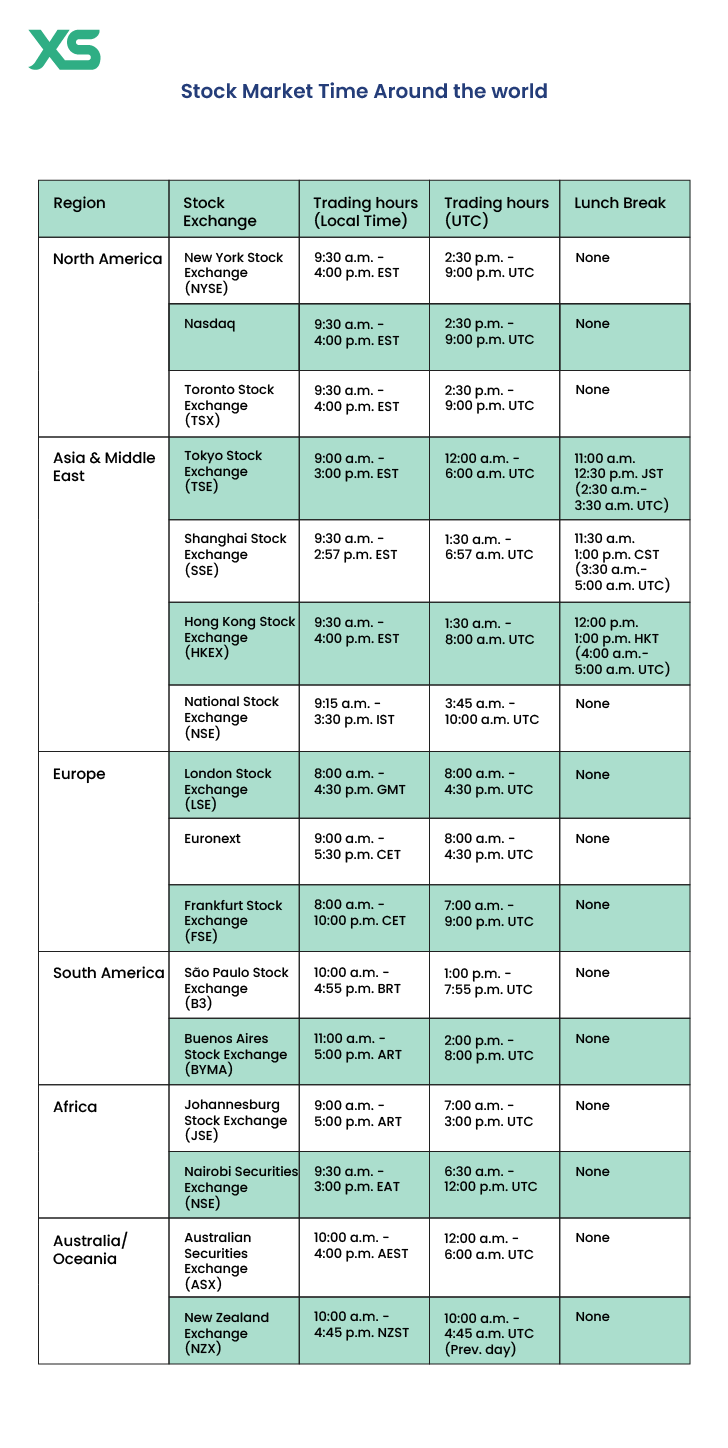
This guide explores the intricate schedule of the world’s major exchanges, the nuances of extended-hours trading, and the strategic implications of time zones on your personal investment portfolio.
The Standard Trading Session: Understanding Core Market Hours
The core trading session represents the period of highest liquidity and most stable price action. For the majority of retail investors, this is the window where the bulk of buying and selling occurs. In the United States, the two primary exchanges—the New York Stock Exchange (NYSE) and the NASDAQ—operate on a synchronized schedule that has become the benchmark for global equity markets.
The New York Powerhouse: 9:30 AM to 4:00 PM ET
The standard trading day in the U.S. begins at 9:30 AM Eastern Time and concludes at 4:00 PM Eastern Time. These hours are designed to concentrate trading activity into a specific window, ensuring that there is enough “depth” in the market to allow for smooth transactions. When the opening bell rings at 9:30 AM, a massive influx of orders that have accumulated overnight is processed, often leading to a period of high volatility known as the “opening cross.”
Why the 9:30 AM to 4:00 PM Window Exists
Historically, these hours were dictated by the physical constraints of floor trading and the need for manual settlements. In the digital age, while markets could technically run 24/7, the 6.5-hour window serves a psychological and structural purpose. It prevents the dilution of liquidity. If the market were open around the clock, the volume of trades would be spread thin, leading to wider “bid-ask spreads” (the difference between the buying and selling price), which increases costs for investors. By keeping the session condensed, the market ensures that buyers and sellers are present at the same time.
Extended Hours Trading: The World of Pre-Market and After-Hours
While the “official” bell rings at 9:30 AM, the digital reality of modern finance allows for trading long before the sun rises in Manhattan and long after the floor goes dark. This is known as extended-hours trading, divided into the “Pre-Market” and “After-Hours” sessions.
The Early Bird: Pre-Market Trading
U.S. Pre-market trading typically begins as early as 4:00 AM ET, though the most active participation usually starts around 8:00 AM ET. This session is primarily used by institutional investors and professional traders to react to overnight news, such as international economic data or geopolitical shifts. For the retail investor, the pre-market offers a glimpse into how the market might open, but it comes with significant risks. Prices can be erratic because there are fewer participants, meaning a single large trade can move a stock’s price disproportionately.
Navigating the After-Hours Volatility
The After-Hours session begins immediately after the 4:00 PM ET close and can run until 8:00 PM ET. This is perhaps the most critical window for corporate news. Most public companies release their quarterly earnings reports after the closing bell to ensure that the news can be digested without causing an immediate panic during the main session.
Trading in the after-hours requires a specialized approach. Most brokers require the use of “limit orders” during these times to protect investors from “slippage”—where a trade is executed at a much worse price than expected due to low liquidity. While the lure of reacting to an earnings beat at 4:05 PM is strong, seasoned investors often wait for the standard session to confirm the trend.
Global Market Synchronicity: When Do International Exchanges Open?
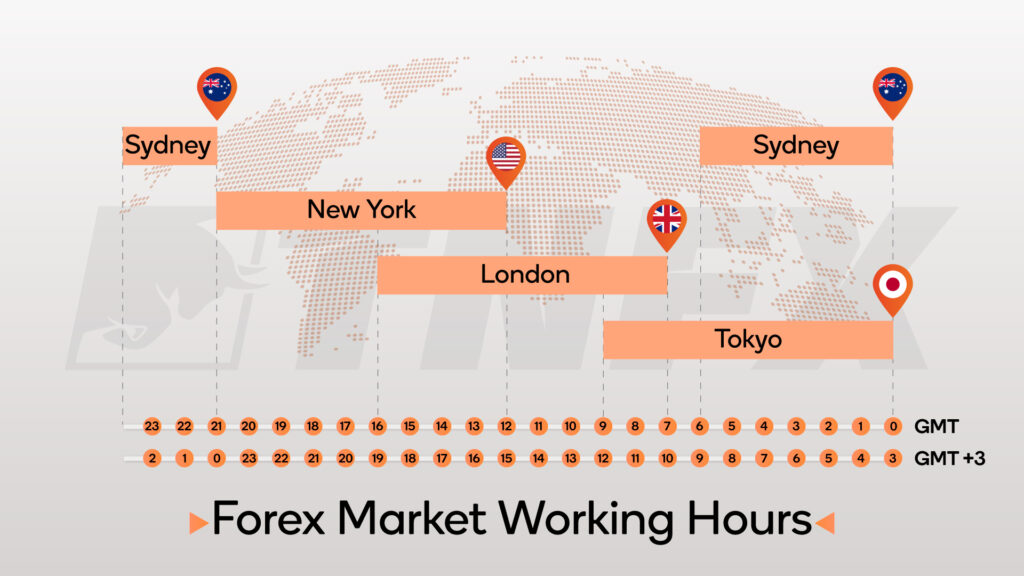
Money never truly sleeps; it simply migrates from one time zone to the next. For an investor looking to diversify into international equities or ETFs, understanding the global “relay race” of market hours is essential.
European Markets: The London and Frankfurt Pulse
As the U.S. market sleeps, Europe takes the lead. The London Stock Exchange (LSE), one of the oldest and most influential in the world, typically opens at 8:00 AM GMT (3:00 AM ET) and closes at 4:30 PM GMT (11:30 AM ET). There is a crucial overlap between 9:30 AM and 11:30 AM ET when both the New York and London markets are open simultaneously. This two-hour window is often the most liquid period of the day for global assets, as the two largest financial hubs in the Western world are trading at the same time.
Asian Markets: Tokyo, Hong Kong, and Shanghai
The trading day technically begins in the East. The Tokyo Stock Exchange (TSE) opens at 9:00 AM JST, which is late evening in the United States (7:00 PM or 8:00 PM ET, depending on Daylight Savings). A unique feature of many Asian exchanges, including those in Hong Kong and Shanghai, is the “lunch break.” Unlike Western markets that trade through the midday, these exchanges often close for 60 to 90 minutes for a midday recess, resuming in the afternoon. This pause allows traders to recalibrate and digest the morning’s price action before the final session.
Market Holidays and Early Closures: Planning Your Trading Calendar
Investment success is as much about knowing when not to trade as it is about knowing when to buy. The U.S. stock market observes several federal holidays where the exchanges are closed entirely, and several “early close” days where the market shuts down at 1:00 PM ET.
Major US Market Holidays
The NYSE and NASDAQ typically close for the following holidays:
- New Year’s Day
- Martin Luther King Jr. Day
- Presidents’ Day
- Good Friday
- Memorial Day
- Juneteenth National Independence Day
- Independence Day (July 4th)
- Labor Day
- Thanksgiving Day
- Christmas Day
The Impact of “Half-Days” on Liquidity
On days like the Friday after Thanksgiving or Christmas Eve (if it falls on a weekday), the market often closes at 1:00 PM ET. These are notoriously low-volume days. Institutional “whales” are often away on vacation, leaving the market to retail participants and automated algorithms. For the savvy investor, these days are often best spent observing rather than acting, as the low volume can lead to “choppy” price action that doesn’t necessarily reflect the true value of the underlying assets.
Strategic Timing: When is the Best Time to Trade?
If the market is open for 6.5 hours, is every hour created equal? In the world of finance, the answer is a resounding no. The behavior of the market changes drastically throughout the day, influenced by the type of participants active at those times.
The “Opening Cross” and the First Hour of Chaos
The period from 9:30 AM to 10:30 AM ET is often referred to as the “amateur hour,” though that is a bit of a misnomer. It is characterized by high volatility as the market reacts to news that broke overnight. This is when the highest volume occurs, as institutional orders are filled and retail “stop-loss” orders are triggered. For conservative investors, it is often wise to wait until 10:30 AM for the “dust to settle” before making a move. By then, the initial emotional reaction has usually subsided, and a clearer trend for the day begins to emerge.
The Midday Lull: 12:00 PM to 2:00 PM
Often called the “lunchtime doldrums,” this period sees a significant drop-off in volume. Traders in New York head to lunch, and the European markets begin their closing procedures. During this time, price movements are often slow and lack conviction. It is generally considered a poor time to enter large positions, as the lack of liquidity can make it harder to get a favorable entry price.
The Power Hour: Why the Last 60 Minutes Matter Most
From 3:00 PM to 4:00 PM ET, the market enters its “Power Hour.” This is when institutional investors—pension funds, mutual funds, and hedge funds—rebalance their portfolios for the day. Many large-scale funds are mandated to execute their trades near the closing price to match the “Net Asset Value” (NAV) of their funds. This results in a massive surge in volume and often a definitive price direction. Watching the “closing print” at 4:00 PM provides essential clues about the market’s sentiment heading into the next day.
Conclusion: The Clock as a Financial Tool
Understanding what time the stock market opens and closes is the foundation of disciplined investing. In the modern era, where information moves at the speed of light, the structure of the trading day provides a necessary framework for the orderly exchange of value.
By respecting the hours of the market, acknowledging the risks of extended sessions, and timing your trades to align with peak liquidity, you transition from a passive participant to a strategic investor. Remember: the market operates on a schedule, but your financial strategy should be timeless. Whether you are waiting for the opening bell in New York or monitoring the late-night close in Tokyo, being aware of the clock is your first step toward financial mastery.
aViewFromTheCave is a participant in the Amazon Services LLC Associates Program, an affiliate advertising program designed to provide a means for sites to earn advertising fees by advertising and linking to Amazon.com. Amazon, the Amazon logo, AmazonSupply, and the AmazonSupply logo are trademarks of Amazon.com, Inc. or its affiliates. As an Amazon Associate we earn affiliate commissions from qualifying purchases.