
The term “Wild West” conjures images of lawless frontiers, dusty outlaws, and the relentless pursuit of fortune. Historically, the period is well-defined, but in the world of finance, the “Wild West” is less a specific set of dates and more a recurring economic phenomenon. It represents any era characterized by rapid expansion, minimal regulation, and high-stakes speculation. To understand the financial implications of these periods, we must first look at the historical timeline and then examine how those same frontier dynamics have manifested in the modern markets of today.
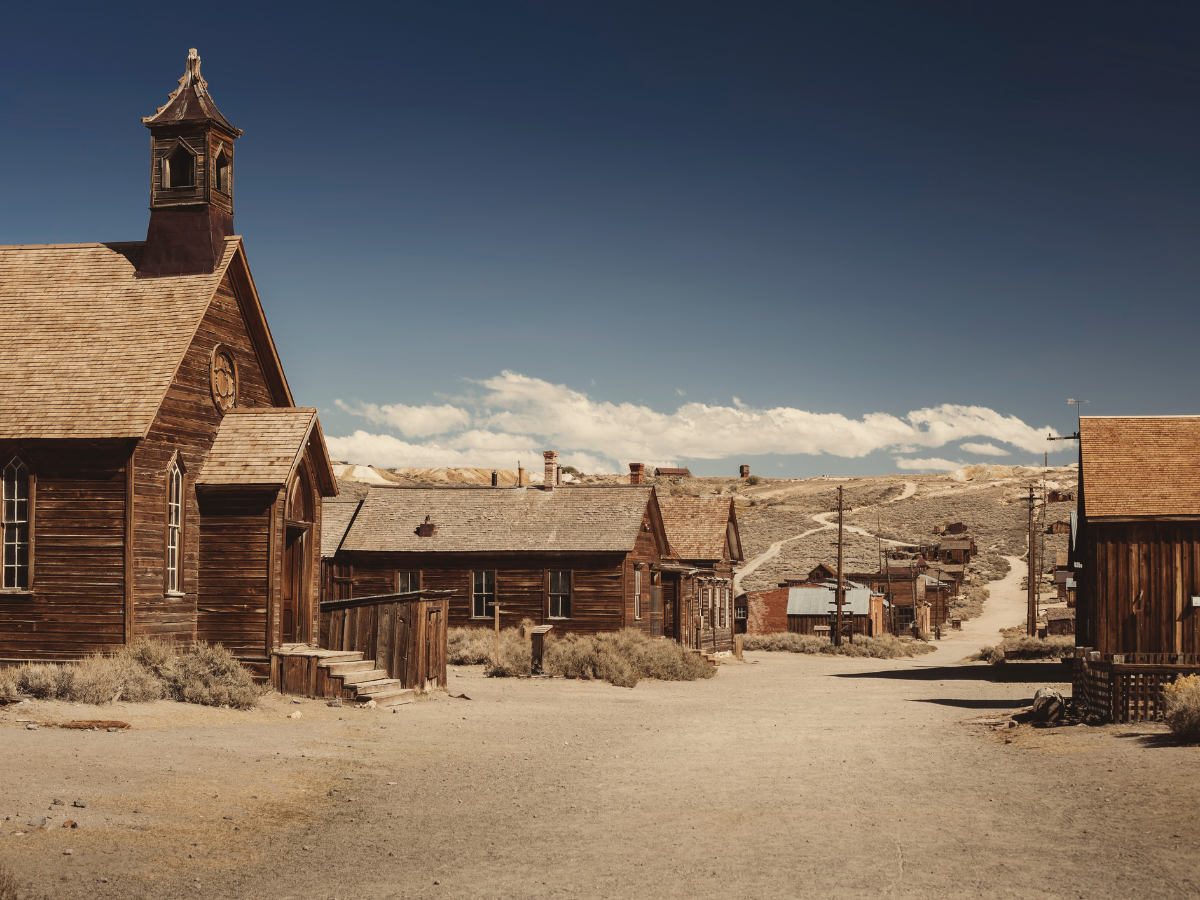
Defining the Historical Frontier: The Original Wild West Era (1865–1895)
When historians discuss the American Wild West, they generally point to the three decades following the American Civil War, roughly from 1865 to 1895. While the imagery of the era is often dominated by gunfights and cowboys, the underlying engine of the period was pure, unadulterated economic ambition. This was a time of massive wealth transfer and the birth of modern American capitalism.
The Gold Rush Economics and Resource Extraction
The financial foundation of the Wild West was built on the extraction of raw value. Beginning with the California Gold Rush in 1849 (the precursor to the official era) and continuing through the Comstock Lode and the Black Hills gold strikes, the period was defined by “boom and bust” cycles. For the individual investor or prospector, this was the ultimate high-risk, high-reward environment. Money flowed into mining towns overnight, creating localized hyper-inflation where a loaf of bread could cost a day’s wages, but a lucky strike could yield a lifetime of wealth.
Land Grabs and Early Real Estate Speculation
Parallel to the mining booms was the massive expansion of the railroad and the subsequent land rushes. The Homestead Act of 1862 turned land into a tradable commodity for the masses. However, this was also the era of the “speculator.” Wealthy syndicates would buy up land surrounding planned railroad routes, often using insider information, to flip it for massive profits once the tracks were laid. This lack of oversight and the asymmetry of information are hallmarks of any financial Wild West.
The Roaring Twenties: The Wild West of the Stock Market
As the physical frontier closed around 1890, the spirit of the Wild West migrated to Wall Street. The 1920s represented a new kind of lawless territory: the unregulated securities market. Without the guardrails we take for granted today, such as the SEC or standard disclosure requirements, the stock market became a playground for manipulation and unbridled speculation.
Margin Trading and the Lack of Oversight
In the 1920s, the “frontier” was the concept of leverage. Investors could purchase stocks with as little as 10% down, borrowing the rest from brokers. This created a massive bubble, fueled by the same “get rich quick” mentality that drove prospectors to the Klondike. Because there were no federal regulations governing how companies reported their earnings, many “blue chip” stocks were little more than shell companies—the 20th-century equivalent of “snake oil.”
The Institutionalization of Speculation
During this period, the line between gambling and investing blurred. “Bucket shops” allowed people to bet on the price movements of stocks without actually owning the underlying asset. This era ended, as all Wild West periods do, with a massive correction. The Crash of 1929 and the subsequent Great Depression served as the “closing of the frontier” for the stock market, leading to the Glass-Steagall Act and the creation of the Securities and Exchange Commission (SEC) to bring law and order to the financial plains.
The Digital Gold Rush: Why 2009 to Today is the Modern Wild West

In the current era, the financial Wild West has shifted from physical land and paper stocks into the digital realm. Starting with the release of the Bitcoin whitepaper in late 2008 and the mining of the genesis block in 2009, we entered a new 30-year cycle of unregulated growth and high-volatility opportunity.
Decentralized Finance (DeFi) as the New Frontier
Decentralized Finance, or DeFi, is perhaps the purest modern equivalent to the 19th-century frontier. It offers a financial system built outside the reach of traditional central banks and regulatory bodies. In this space, “code is law,” much like the “code of the West” was often the only thing governing early settlements. DeFi allows for lending, borrowing, and trading without intermediaries, offering massive yields that are unheard of in traditional banking. However, these yields come with the risk of “smart contract failures” or “rug pulls,” where developers vanish with investor funds—a digital version of the 1800s bank heist.
Regulatory Lag and Investor Vulnerability
Just as the U.S. Marshals were often weeks away from a crime scene in the 1870s, modern regulators struggle to keep pace with the speed of financial technology. Cryptocurrencies, Non-Fungible Tokens (NFTs), and algorithmic stablecoins have created a multi-trillion dollar economy that operates largely in a legal gray area. For the savvy investor, this lack of regulation provides an opportunity to capture “alpha” or outsized returns before the market matures and becomes efficient. For the unwary, it is a landscape filled with predatory actors and extreme volatility.
Surviving the Frontier: Risk Management Lessons from Financial Wild Wests
Whether you are looking at the 1870s, the 1920s, or the 2020s, the rules for surviving a financial Wild West remain remarkably consistent. High-opportunity environments require a different psychological and strategic approach than established, regulated markets.
The Importance of Diversification in Uncharted Territories
In the original Wild West, the people who made the most consistent money weren’t usually the miners; they were the “picks and shovels” providers—the merchants who sold supplies to everyone regardless of whether they found gold. In modern investing, this translates to diversifying away from pure speculation. While it is tempting to put everything into the “next big thing,” historical survivors always kept a portion of their wealth in “settled” assets like land, gold, or, in modern times, index funds and treasury bonds.
Identifying “Snake Oil” and Financial Fraud
The “Snake Oil Salesman” is a trope for a reason. In any period of rapid innovation, it is difficult for the average person to distinguish between a revolutionary new technology and a well-packaged scam. In the 1800s, it was miraculous tonics; in the 1920s, it was fraudulent real estate bonds; today, it is “memecoins” with no underlying utility. Professional investors look for transparency, audited financials (or code), and a proven track record. If an investment opportunity promises high returns with zero risk, you are likely the mark in someone else’s con.
The Closing of the Frontier: When Regulation Meets Innovation
Every Wild West period eventually ends. The closing of the frontier occurs when the risks of lawlessness begin to outweigh the benefits of freedom, leading the participants themselves to call for regulation to protect their gains.
The Transition to Maturity
As a market matures, volatility decreases, and the “easy money” disappears. We saw this when the open range was fenced in with barbed wire in the 1880s, effectively ending the era of the cowboy. We are seeing it today as the SEC and international bodies begin to implement frameworks for digital assets. For the investor, the “closing of the frontier” is a signal to shift from a growth-at-all-costs mindset to one of wealth preservation.

The Legacy of the Wild West
While the Wild West periods are fraught with danger, they are also the primary drivers of human progress. The 1860s gave us the transcontinental infrastructure; the 1920s gave us the modern consumer economy; and the current digital era is redefining the nature of value itself. Understanding that we are currently in a “Wild West” time period for digital finance allows an investor to navigate the risks with eyes wide open, recognizing that while the frontier is where fortunes are made, it is also where they are most easily lost.
In conclusion, the “Wild West” is not just a period between 1865 and 1895. It is a recurring stage in the lifecycle of money. By recognizing the patterns of these eras—the initial discovery, the speculative frenzy, the inevitable fraud, and the eventual arrival of the “law”—investors can better position themselves to thrive on the frontier without falling victim to its many hazards.
aViewFromTheCave is a participant in the Amazon Services LLC Associates Program, an affiliate advertising program designed to provide a means for sites to earn advertising fees by advertising and linking to Amazon.com. Amazon, the Amazon logo, AmazonSupply, and the AmazonSupply logo are trademarks of Amazon.com, Inc. or its affiliates. As an Amazon Associate we earn affiliate commissions from qualifying purchases.