
For anyone navigating the complex world of finance, understanding the operational hours of the US stock market is not just a trivial detail but a fundamental piece of knowledge that underpins effective trading, investment strategies, and risk management. The rhythm of the market, dictated by its opening and closing bells, sets the pace for global financial activity, influencing everything from individual retirement portfolios to the strategies of multi-billion dollar hedge funds. This guide delves into the specifics of when the US stock market closes, exploring standard hours, extended trading sessions, special circumstances, and the profound implications these timings have for investors.
Understanding Standard US Stock Market Hours
The core operational window for the major US stock exchanges forms the backbone of daily trading. This standard period is where the vast majority of trading volume occurs, characterized by high liquidity and broad participation.
New York Stock Exchange (NYSE) and Nasdaq
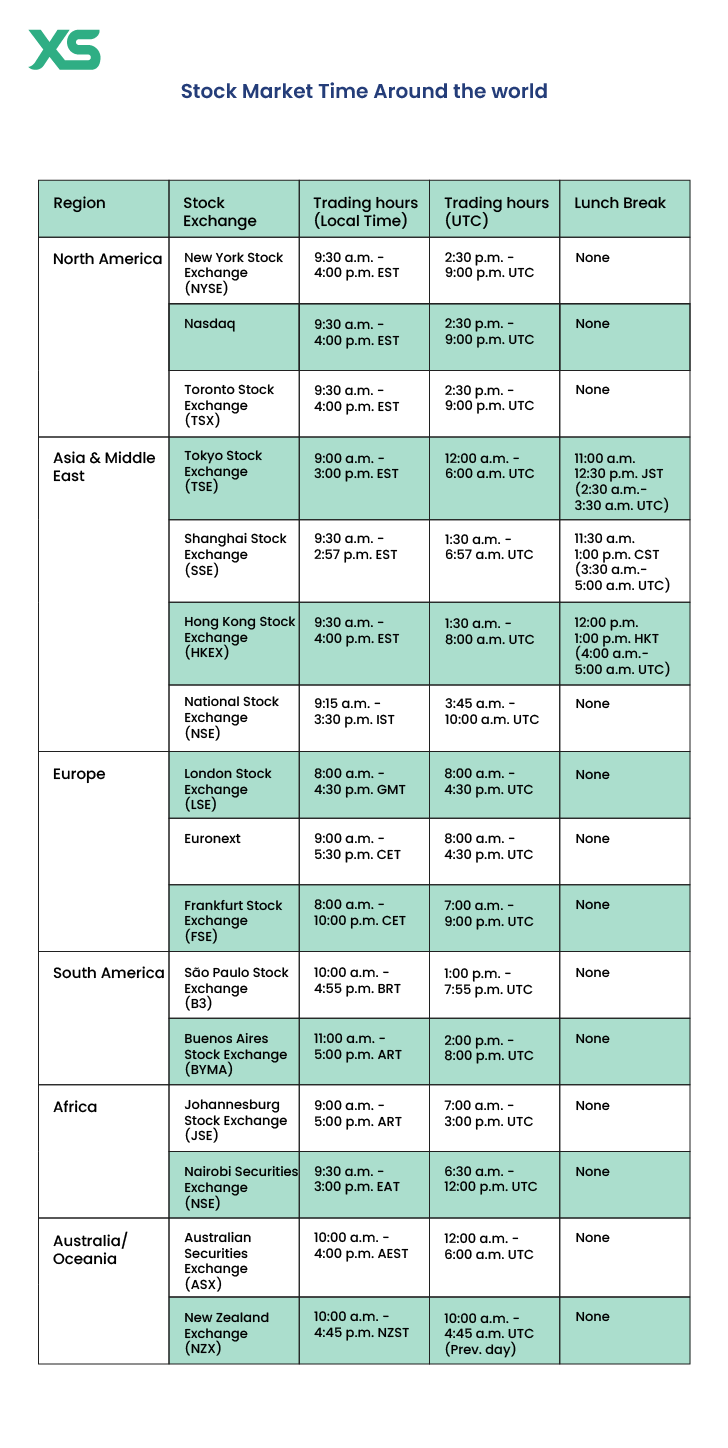
The two titans of American equity trading, the New York Stock Exchange (NYSE) and the Nasdaq Stock Market, adhere to a uniform schedule. Both exchanges operate from 9:30 AM Eastern Time (ET) to 4:00 PM ET, Monday through Friday. This six-and-a-half-hour window is often referred to as “regular trading hours” or “market hours.”
It’s crucial for investors, particularly those outside the Eastern Time zone or international participants, to be mindful of the ET reference. For instance, if you’re on the West Coast, the market opens at 6:30 AM Pacific Time (PT) and closes at 1:00 PM PT. Similarly, European investors might find the market opening in the early afternoon and closing late into their evening. This fixed schedule provides a predictable environment for price discovery and order execution, allowing market participants worldwide to plan their trading activities accordingly.
The Rationale Behind Fixed Hours
In an increasingly interconnected and digital world, one might wonder why stock markets don’t operate 24/7, akin to cryptocurrency markets or some forex desks. The fixed hours are not arbitrary but are rooted in a combination of historical precedent, practical considerations, and regulatory necessity.
Historically, trading floors required human interaction, and a set schedule allowed for staffing, order processing, and settlement procedures. While technology has largely automated these processes, the tradition of fixed hours persists for several compelling reasons:
- Orderly Market Function: Fixed hours concentrate liquidity, ensuring a robust pool of buyers and sellers that facilitates efficient price discovery and tighter bid-ask spreads. Continuous trading could fragment liquidity, making it harder for investors to execute trades at fair prices.
- Human Oversight and Analysis: Despite technological advancements, financial markets still require human analysis, research, and strategic decision-making. Fixed hours allow analysts, portfolio managers, and traders dedicated time outside market operations to process information, develop strategies, and manage risk without the pressure of constant live trading.
- Regulatory Supervision: Regulators like the SEC (Securities and Exchange Commission) and FINRA (Financial Industry Regulatory Authority) have established frameworks that are optimized for fixed trading windows. This allows for more effective monitoring of market activity, detection of manipulation, and enforcement of rules, contributing to overall market integrity and investor protection.
- Settlement and Clearing: The process of settling trades (the actual transfer of securities and cash between buyers and sellers) typically occurs after market close. While digital systems have accelerated this, a defined end to the trading day provides a clear cutoff for these critical back-office operations, allowing for reconciliation and preparation for the next trading session.
These reasons collectively contribute to the stability and predictability that many conventional investors value, distinguishing traditional stock markets from less regulated, continuously operating alternatives.
Navigating Extended Trading Hours
While 9:30 AM to 4:00 PM ET defines the core trading day, the advent of electronic trading has significantly expanded the period during which investors can interact with the market. These “extended hours” trading sessions offer both opportunities and unique challenges.
Pre-Market Trading
Pre-market trading refers to the period before the official market open. For major US exchanges, this typically runs from 4:00 AM ET to 9:30 AM ET. This window allows market participants to react to news and events that occur overnight or before the standard trading day begins.
Who participates in pre-market? Primarily institutional investors, professional traders, and sophisticated retail investors with access to brokerage platforms that support extended-hours trading. Key characteristics of pre-market trading include:
- Lower Liquidity: Compared to regular hours, fewer participants are active, leading to thinner trading volumes. This means it can be harder to find a counterparty for a trade, especially for less popular stocks.
- Higher Volatility: The lower liquidity can exacerbate price swings. A relatively small order can have a disproportionately large impact on a stock’s price, leading to increased volatility.
- Wider Spreads: The difference between the bid (highest price a buyer is willing to pay) and the ask (lowest price a seller is willing to accept) tends to be wider in pre-market, meaning investors might pay more or receive less than they would during regular hours.
- Impact on Opening Prices: Significant news released during pre-market often causes stocks to “gap up” or “gap down” at the official open, reflecting the accumulated sentiment and trading activity from the pre-market session.
After-Hours Trading
After-hours trading picks up where regular market hours leave off, typically running from 4:00 PM ET to 8:00 PM ET. Similar to pre-market, this session is characterized by lower liquidity, higher volatility, and wider spreads.
After-hours trading is frequently driven by:
- Earnings Reports: Many companies choose to release their quarterly earnings reports shortly after the market closes. This allows investors and analysts time to digest the information before the next trading day begins, but also provides an immediate opportunity for market participants to react through after-hours trading.
- Major News Announcements: Other significant corporate news, such as mergers and acquisitions, FDA approvals, product recalls, or executive changes, are often strategically released after the close to prevent undue market disruption during regular hours.
- Analyst Ratings: Changes in analyst ratings or price targets can also spur after-hours activity.
Both pre-market and after-hours trading utilize Electronic Communication Networks (ECNs), which are automated trading systems that match buy and sell orders. While these extended sessions offer flexibility, investors must be acutely aware of the heightened risks associated with reduced liquidity and increased volatility.
The Role of Electronic Communication Networks (ECNs)
Extended hours trading is predominantly facilitated by Electronic Communication Networks (ECNs). These are automated systems that allow institutional investors and high-volume traders to bypass traditional exchanges and trade directly with each other. ECNs match buy and sell orders electronically, often providing faster execution and potentially better prices than traditional routes, especially when dealing with large blocks of shares.
Originally designed for institutional clients, ECN access has become more widespread through retail brokerage platforms, allowing individual investors to place orders during pre-market and after-hours sessions. However, it’s essential to understand that not all brokers offer the same level of ECN access, and specific order types (e.g., limit orders) are usually required for extended-hours trading to manage the inherent risks of lower liquidity.
Special Circumstances Affecting Market Hours
While the standard trading day and extended hours provide a consistent framework, there are specific days and situations when the US stock market deviates from its regular schedule. Awareness of these exceptions is vital for planning and avoiding unexpected disruptions to trading activity.
US Stock Market Holidays
The US stock market observes several federal holidays, during which it remains completely closed. These closures are typically aligned with federal banking holidays, ensuring that critical financial infrastructure components are also offline, preventing settlement issues. Key holidays when the NYSE and Nasdaq are closed include:
- New Year’s Day (January 1)
- Martin Luther King, Jr. Day (Third Monday in January)
- Presidents’ Day (Third Monday in February)
- Good Friday (Varies annually, typically in March or April)
- Memorial Day (Last Monday in May)
- Juneteenth National Independence Day (June 19)
- Independence Day (July 4)
- Labor Day (First Monday in September)
- Thanksgiving Day (Fourth Thursday in November)
- Christmas Day (December 25)
When these holidays fall on a weekend, the market typically observes the holiday on the nearest weekday (e.g., if July 4th is a Saturday, the market might close on Friday, July 3rd). These full closures mean no trading, no price discovery, and no immediate reaction to news that breaks during these periods. Investors must factor these into their trading and portfolio management schedules, as liquidity will not be available until the next trading day.
Early Closures and Half-Days
Beyond full holidays, the market occasionally observes early closures or half-days. These typically occur around major holidays or special events. Common examples include:
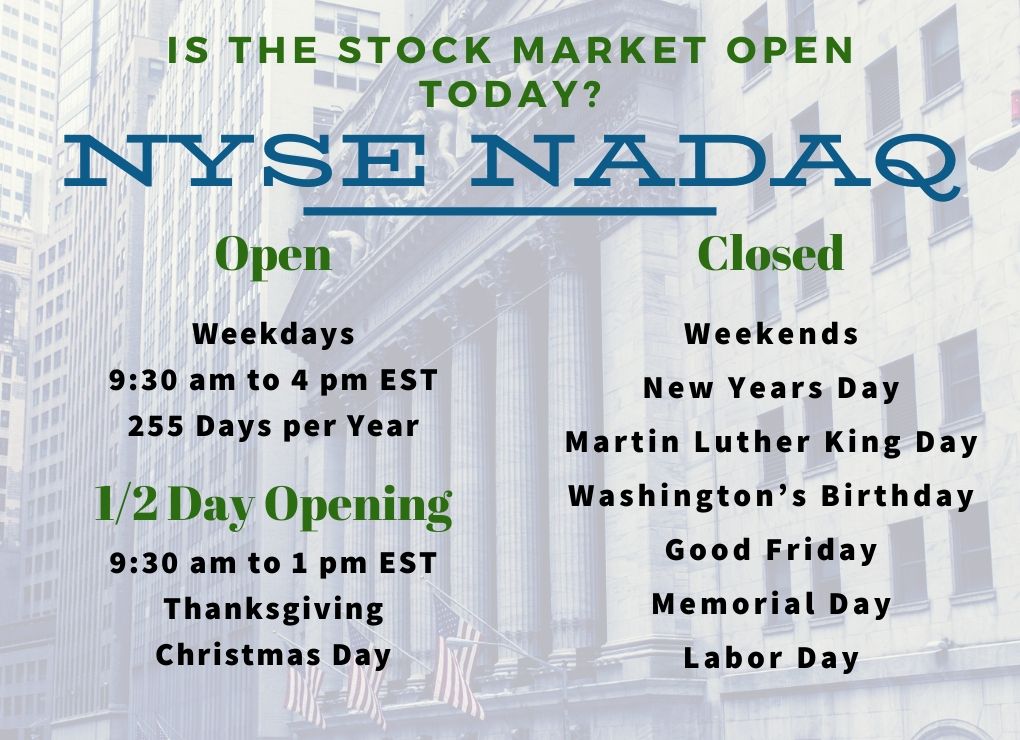
- The day before Independence Day (July 3rd): If July 4th falls on a weekday, the market often closes at 1:00 PM ET on July 3rd.
- The day after Thanksgiving (Black Friday): The market typically closes early, at 1:00 PM ET, on the Friday following Thanksgiving.
- Christmas Eve: Similar to the day before Independence Day, if Christmas Eve falls on a weekday, the market often closes at 1:00 PM ET.
During these half-days, trading volumes are generally significantly lower than on a full trading day. This reduced liquidity can lead to increased volatility and wider bid-ask spreads, similar to extended-hours trading. Investors planning to make significant transactions on these days should exercise caution and be aware of the altered market dynamics.
Emergency Closures
While rare, markets can also close unexpectedly due to unforeseen emergency circumstances. Historically, this has included events like:
- National emergencies: The market closure after the September 11th attacks in 2001 is a notable example.
- Severe weather events: Major blizzards or hurricanes that physically prevent personnel from reaching trading floors or essential infrastructure can lead to closures, although modern electronic trading has minimized this risk.
- Technical failures: While highly resilient, catastrophic system failures could theoretically necessitate an emergency closure.
Such events are exceptional and usually accompanied by extensive communication from the exchanges and regulatory bodies. They underscore the importance of staying informed about market announcements, especially during periods of crisis or extreme weather.
Why Market Closing Times Matter for Investors
Understanding when the US stock market closes is far more than an administrative detail; it’s a critical component of informed investing. It influences strategic decisions, risk exposure, and the very mechanics of how orders are executed.
Strategic Trading Decisions
The closing bell often marks a pivotal moment for traders and investors. Decisions made just before or after the close can have significant implications.
- Overnight Risk: Holding positions overnight means exposing your investments to news and events that occur while the market is closed. Earnings announcements, geopolitical developments, or macroeconomic data releases can cause a stock’s price to “gap” at the next open, either significantly up or down, potentially leading to substantial gains or losses.
- Order Placement: Understanding market hours dictates when certain order types are most effective. For instance, a “market order” placed after hours might not execute until the next open, potentially at a very different price than anticipated. Limit orders or stop orders, however, allow investors more control over the execution price, particularly when navigating extended hours or uncertain overnight periods.
- Sentiment Gauge: The market’s closing price for an individual stock or an index is often seen as a snapshot of the day’s overall sentiment. Analysts and media frequently refer to the “close” as the final verdict on a trading day’s activity.
Information and News Flow
A significant portion of market-moving information is strategically released outside of regular trading hours.
- Earnings Calendar: Companies frequently publish earnings reports after the market closes (e.g., 4:05 PM ET) or before it opens (e.g., 7:00 AM ET). This timing allows analysts and investors time to digest the complex financial data without immediately impacting intraday trading, though extended-hours trading provides an early reaction mechanism.
- Economic Data: Key economic indicators (e.g., inflation reports, unemployment figures) are often released before the market opens (e.g., 8:30 AM ET). Knowing this allows investors to prepare for potential volatility at the open.
- Political and Geopolitical Events: Major policy announcements, international conflicts, or natural disasters often unfold outside of market hours, leading to reactive trading in pre-market or at the next open.
By being aware of market closing times, investors can anticipate when new information is likely to emerge and adjust their strategies accordingly, perhaps by monitoring news feeds or setting alerts for key announcements.
Order Execution and Liquidity
Liquidity, the ease with which an asset can be bought or sold without affecting its price, is highest during standard market hours.
- Optimal Execution: During the 9:30 AM to 4:00 PM ET window, the sheer volume of participants ensures that there are usually plenty of buyers and sellers, leading to tighter bid-ask spreads and efficient order execution. This is generally the best time for retail investors to place market orders for significant trades.
- Risks in Extended Hours: As discussed, liquidity drastically decreases during pre-market and after-hours trading. This means that:
- Wider Spreads: The cost of trading (the difference between bid and ask) increases.
- Price Slippage: Your order might execute at a price worse than you expected, especially for larger orders, due to fewer available counter-parties.
- Increased Volatility: Small orders can cause significant price movements, making price discovery less reliable.
Investors should exercise extreme caution when trading outside regular hours, often preferring limit orders to control the price at which their trades execute.
Impact on Portfolio Management
Market closing times also have implications for broader portfolio management strategies.
- Rebalancing: Decisions to rebalance a portfolio (adjusting asset allocations) are often made after considering the full market day’s performance and before the next open.
- Risk Assessment: The market close is a natural checkpoint for assessing the day’s risk exposure and making adjustments for overnight holdings.
- Diversification: Understanding the correlation of different assets across market hours can inform diversification strategies, particularly for investors with global portfolios.
Practical Tips for Navigating Market Hours
Navigating the US stock market effectively requires not just understanding its hours but also adopting practical strategies to leverage this knowledge.
Stay Informed
- Reliable Financial News: Subscribe to reputable financial news sources (e.g., Wall Street Journal, Bloomberg, Reuters, financial sections of major news outlets) that provide real-time updates on market news, economic calendars, and corporate announcements.
- Brokerage Notifications: Many brokerage platforms offer customizable alerts for earnings reports, news headlines, and market opening/closing reminders. Utilize these tools to stay informed.
- Exchange Calendars: Regularly check the official calendars of the NYSE and Nasdaq for confirmed holidays and early closures.
Understand Your Order Types
- Limit Orders: These are crucial, especially for extended-hours trading. A limit order specifies the maximum price you’re willing to pay to buy or the minimum price you’re willing to accept to sell. This protects you from adverse price movements in illiquid markets.
- Stop Orders: While helpful for risk management, be aware that stop orders can be triggered by sudden price swings in volatile extended hours.
- Good ‘Til Canceled (GTC) Orders: Understand how your GTC orders interact with market closures and extended hours. Some brokers may not carry over certain order types into extended sessions or across weekends/holidays.
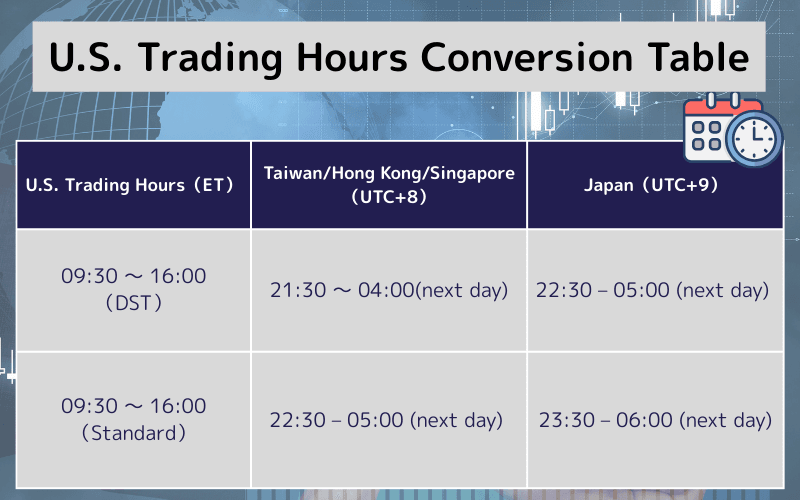
Be Aware of Time Zones
If you’re not in the Eastern Time zone, always convert market hours to your local time. Many financial platforms will automatically display market hours in your local time, but it’s always good to double-check, especially if you’re dealing with different time zone settings on various devices.
Develop a Trading Plan
A well-defined trading plan that incorporates market hours is essential.
- Schedule Analysis: Dedicate time outside market hours for research, analysis, and strategizing.
- Pre-Market/After-Hours Strategy: Decide in advance whether you will participate in extended hours and under what specific conditions (e.g., only for earnings reactions, only with limit orders).
- Risk Management: Determine your acceptable overnight risk and whether you will close positions before the market closes to avoid unexpected news.
By proactively incorporating knowledge of market hours into your investment routine, you can make more informed decisions, mitigate risks, and potentially capitalize on opportunities presented by the dynamic rhythm of the US stock market.
The US stock market’s closing time, 4:00 PM ET, is more than just an end to the trading day; it’s a critical reference point for financial planning, risk assessment, and strategic decision-making. From the concentrated liquidity of regular hours to the nuanced risks of extended trading and the predictable pauses for holidays, each aspect of the market’s schedule holds significant weight for investors. By understanding these rhythms, you empower yourself to navigate the financial markets with greater confidence and precision, ultimately enhancing your potential for successful long-term investing.
aViewFromTheCave is a participant in the Amazon Services LLC Associates Program, an affiliate advertising program designed to provide a means for sites to earn advertising fees by advertising and linking to Amazon.com. Amazon, the Amazon logo, AmazonSupply, and the AmazonSupply logo are trademarks of Amazon.com, Inc. or its affiliates. As an Amazon Associate we earn affiliate commissions from qualifying purchases.