
For anyone involved in the financial markets, whether a seasoned investor or a curious beginner, understanding the precise operating hours of the stock market is foundational. This knowledge becomes even more critical when navigating different time zones. For those residing in areas observing Pacific Standard Time (PST), the question “What time does the stock market open PST?” is not just a query about a clock, but a gateway to strategic trading, timely investment decisions, and ultimately, financial success. This article delves deep into the nuances of stock market hours, specifically tailored for the PST audience, offering insights into regular trading, extended sessions, and the broader implications for your investment strategy.
The Core Trading Hours: What You Need to Know
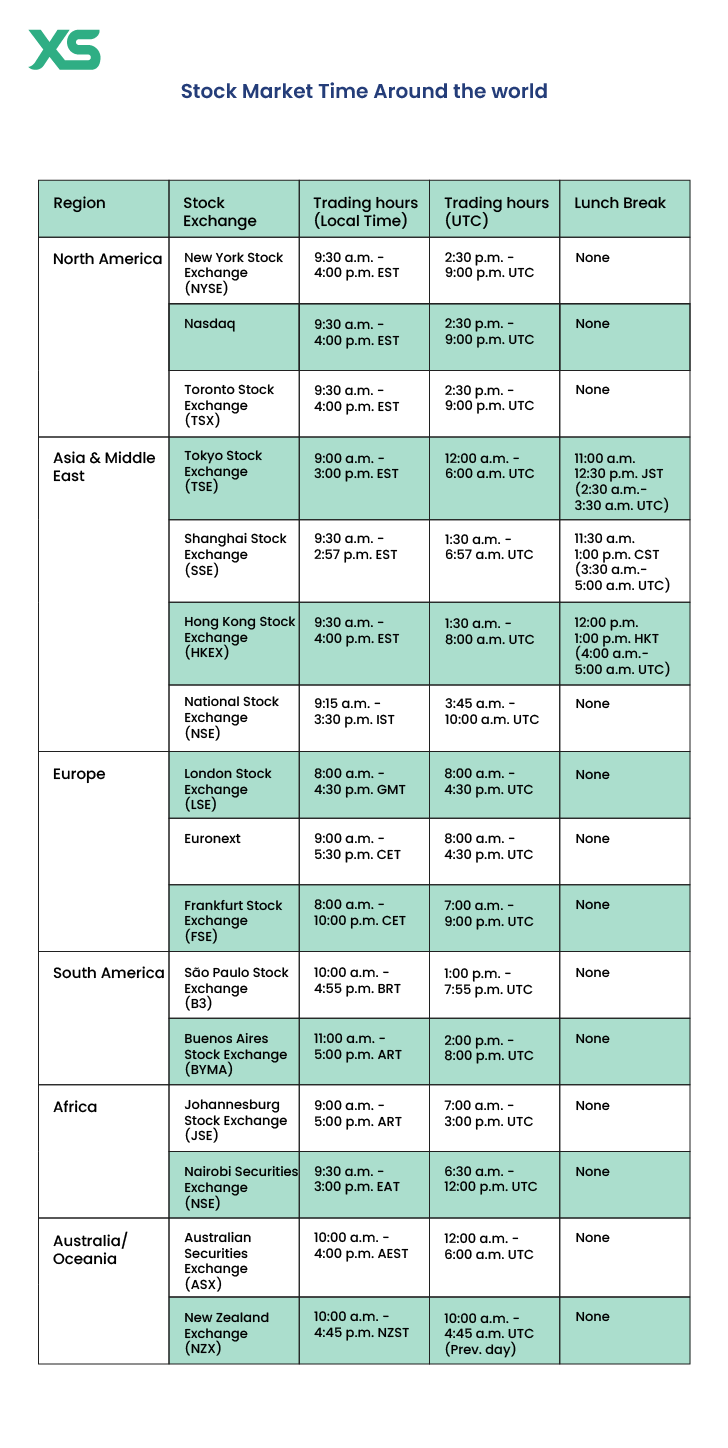
At the heart of the U.S. stock market lie the two major exchanges: the New York Stock Exchange (NYSE) and the Nasdaq Stock Market. These titans of finance dictate the primary trading schedule for most publicly traded securities. While their physical locations are on the East Coast, their hours ripple across the globe, requiring careful conversion for investors in other time zones.
NYSE and Nasdaq Standard Schedule (Eastern Time)
The standard trading hours for both the NYSE and Nasdaq are Monday through Friday, from 9:30 AM Eastern Time (ET) to 4:00 PM ET. This seven-and-a-half-hour window is often referred to as “regular trading hours” or “cash market hours,” during which the vast majority of trading volume and price discovery occurs. These hours are set to optimize market liquidity, ensure fair pricing, and provide a structured environment for market participants. Outside of these hours, specific conditions and rules apply, which we will explore later. Understanding this baseline is paramount, as all other time zone conversions stem from this fundamental schedule. It’s also important to note that these hours do not include federal holidays when the markets are typically closed, or occasional early closures which can occur before certain holidays.
Converting to Pacific Standard Time (PST)
For investors located on the West Coast of North America, or any region observing PST, a simple conversion is required. PST is three hours behind ET.
Therefore, the standard market opening and closing times translate as follows:
- Market Open: 9:30 AM ET – 3 hours = 6:30 AM PST
- Market Close: 4:00 PM ET – 3 hours = 1:00 PM PST
This means that for a PST-based investor, the stock market opens bright and early, concurrent with or even before many individuals begin their workday. The market closes in the early afternoon, allowing for focused trading during the first half of the day. This time difference often requires West Coast traders to adjust their daily routines, waking earlier to catch the market open or planning their work schedules around the critical morning trading session. Missing the initial hours can mean missing out on significant price movements and opportunities that often characterize the market’s opening bell.
The Importance of Market Open and Close
The opening and closing bells of the stock market are more than just symbolic events; they are periods of heightened activity and often significant volatility. The first hour of trading, from 6:30 AM PST to 7:30 AM PST, is frequently characterized by large order flows as investors react to overnight news, economic data releases, and pre-market trading activity. This can lead to larger price swings and increased trading volumes. Similarly, the final hour, from 12:00 PM PST to 1:00 PM PST, also sees elevated activity as traders close positions, execute last-minute orders, and institutional investors rebalance portfolios. Understanding these critical periods allows investors to plan their trades, manage risk, and potentially capitalize on early or late-day movements. It’s a strategic advantage to be prepared for the pace and direction the market takes during these key junctures.
Beyond Standard Hours: Understanding Pre-Market and After-Hours Trading
While the regular trading session dominates the headlines, the stock market doesn’t entirely shut down outside of these hours. Extended-hours trading, comprising pre-market and after-hours sessions, offers additional opportunities for investors. However, these sessions come with their own set of characteristics, risks, and benefits that require careful consideration, especially for those operating on a different time zone.
What is Pre-Market Trading?
Pre-market trading refers to the period before the regular market open. For the NYSE and Nasdaq, this typically begins as early as 4:00 AM ET, which translates to 1:00 AM PST. This extended period, stretching for over five hours before the opening bell, allows investors to react to news released overnight or early in the morning, such as earnings reports, economic data, or geopolitical developments. Participation in pre-market trading usually requires access through an electronic communication network (ECN) or an online brokerage platform that facilitates these trades.
The primary drivers for participating in pre-market trading include:
- Early reaction to news: Getting ahead of major price movements anticipated at market open.
- Flexibility: Allowing traders to execute orders before their regular workday begins.
- Price discovery: The pre-market period can offer hints about the day’s potential market sentiment.
However, pre-market trading comes with notable caveats. Liquidity is generally much lower than during regular hours, meaning there are fewer buyers and sellers for a given stock. This reduced liquidity can lead to wider bid-ask spreads and increased price volatility, making it more challenging to execute trades at desired prices. For PST investors, this session starts extremely early, demanding significant commitment and potentially impacting sleep schedules.
Exploring After-Hours Trading
After-hours trading occurs after the regular market close. For the major U.S. exchanges, this period typically runs from 4:00 PM ET to 8:00 PM ET, which translates to 1:00 PM PST to 5:00 PM PST. Similar to pre-market, after-hours trading is facilitated by ECNs and allows investors to react to news released after the market close, such as late-day earnings reports or corporate announcements.
The motivations for engaging in after-hours trading are similar to pre-market:
- Responding to immediate news: Capitalizing on information released immediately after the market closes.
- Convenience: For some, it offers a window to trade after their regular work schedule.
- Executing pending orders: Adjusting or completing positions based on end-of-day information.
Like pre-market, after-hours trading also suffers from lower liquidity and increased volatility compared to regular trading hours. The pool of participants is smaller, and significant price gaps can occur if a major news event breaks during this period. Investors should be aware that orders placed during these extended sessions may not execute or may do so at prices significantly different from their expectations. For PST investors, this window extends into the early evening, providing a unique opportunity to manage positions after their “trading day” has officially ended.
Risks and Opportunities in Extended Sessions
Engaging in pre-market and after-hours trading presents both unique opportunities and heightened risks:
Opportunities:
- First-mover advantage: Potentially profit from swift reactions to breaking news.
- Flexibility: Trade outside traditional work hours.
- Access to corporate news: React directly to earnings and company announcements often released during these times.
Risks:
- Low liquidity: Fewer participants mean it can be harder to buy or sell at a good price.
- High volatility: Prices can swing dramatically with minimal volume.
- Wider bid-ask spreads: The difference between the highest price a buyer is willing to pay and the lowest price a seller is willing to accept can be substantial, increasing transaction costs.
- Increased competition: Institutional traders and highly sophisticated algorithms are often active, potentially outmaneuvering retail investors.
- Information asymmetry: Not all news may be widely disseminated or fully understood during these less transparent hours.
For PST investors, the extreme early start of pre-market (1 AM PST) and the extended evening session for after-hours require a disciplined approach. It’s crucial to understand these dynamics before participating, prioritizing risk management and having a clear strategy for these less predictable trading environments.

Factors Influencing Trading Hours and Market Dynamics
While the standard trading hours provide a solid framework, the financial markets are not static. Various factors can influence when and how trading occurs, impacting investors, particularly those needing to adjust for time zone differences. Staying informed about these variables is key to navigating the market successfully from a PST vantage point.
Market Holidays and Early Closures
The U.S. stock markets observe several federal holidays throughout the year, during which they are entirely closed. These include New Year’s Day, Martin Luther King, Jr. Day, Presidents’ Day, Good Friday, Memorial Day, Juneteenth National Independence Day, Independence Day, Labor Day, Thanksgiving Day, and Christmas Day. It is critical for investors to be aware of these dates, as no trading occurs. Additionally, markets may have early closures before certain holidays, such as the day before Thanksgiving or Christmas Eve (if it falls on a weekday), typically closing at 1:00 PM ET (10:00 AM PST). Missing these announcements can lead to missed trading opportunities or unexecuted orders. Most major financial news outlets and brokerage platforms provide updated calendars of market holidays and special hours well in advance.
Impact of Economic Releases and News Events
The timing of significant economic data releases and corporate news can heavily influence market activity, often dictating trading volumes and price movements. Key economic reports, such as inflation data (CPI), employment figures (Non-Farm Payrolls), and GDP reports, are typically released at 8:30 AM ET (5:30 AM PST). This is an hour before the regular market open in ET, meaning the market participants in PST are still an hour away from the bell when crucial information drops. The pre-market session often sees significant volatility as investors react to these reports. Similarly, many companies release their quarterly earnings reports either before market open (often around 7:00 AM – 8:00 AM ET) or after market close (around 4:00 PM ET). For PST investors, this translates to earnings news hitting during their very early morning or just as the market closes for them, demanding a proactive approach to monitor and react to this information.
Geographic Considerations for Global Investors
While this article focuses on the U.S. stock market for PST investors, it’s worth noting the broader global context. The world’s financial markets operate on a rolling 24-hour cycle. When the U.S. market closes, Asian and European markets are in full swing. For a PST investor with international holdings or an interest in global macro trends, understanding the opening and closing times of exchanges like the London Stock Exchange (LSE), Tokyo Stock Exchange (TSE), or Frankfurt Stock Exchange (FWB) is crucial. Each has its own time zone and schedule, creating a complex web of overlapping and sequential trading opportunities. Leveraging the PST offset can sometimes provide a unique perspective, allowing analysis of overnight global movements before the U.S. market opens, potentially informing morning trading strategies.
Strategic Implications for PST-Based Investors and Traders
Operating from Pacific Standard Time brings both challenges and unique advantages to stock market participation. Successfully navigating these temporal differences requires a tailored approach to strategy, technological leverage, and even psychological preparedness.
Adapting Trading Strategies to PST
For a PST-based investor, the market opens at 6:30 AM. This early start demands either a shift in one’s personal schedule or a strategic decision to focus on later market hours.
- Early Risers: Those who can commit to waking up before 6:30 AM PST can capitalize on the high volatility and volume of the market open, which often sets the tone for the day. Day traders and those employing momentum strategies might find this period particularly fruitful.
- Mid-Day Focus: If early mornings are not feasible, strategies can be adapted to focus on the quieter mid-day session (roughly 8:00 AM PST to 11:00 AM PST). This period tends to have lower volatility and tighter ranges, suitable for swing trading or longer-term position entries.
- Late-Day Activity: The last hour of trading (12:00 PM PST to 1:00 PM PST) often mirrors the opening hour in terms of activity. This can be an opportunity for closing out positions, capturing end-of-day movements, or identifying trends that carried through the day.
- Overnight Planning: PST investors have the unique advantage of the U.S. market closing in their early afternoon. This allows for several hours in the late afternoon and evening to conduct research, analyze market performance, and plan trades for the next morning without the pressure of live market action.
Leveraging Technology for Timely Market Access
Technology plays an indispensable role in bridging the time gap for PST investors.
- Real-time Data and News Feeds: Subscribing to financial news services that provide real-time updates and breaking news is crucial. Many platforms offer customizable alerts that can notify investors of significant events, even when they are not actively monitoring the market.
- Advanced Trading Platforms: Modern brokerage platforms offer a suite of tools that are invaluable for managing time zone differences. These include:
- Conditional Orders: Placing “if-then” orders or “one-cancels-the-other” (OCO) orders allows investors to automate parts of their strategy. For example, a “buy stop” order can be set to activate if a stock reaches a certain price, even at 6:30 AM PST, without requiring manual intervention.
- Watchlists and Alerts: Customizing watchlists and setting price alerts helps monitor specific stocks without constant attention, freeing up time during the early market hours.
- Time-in-Force Options: Understanding “good ’til canceled” (GTC) orders versus “day” orders or “fill or kill” (FOK) can help manage order execution across varying liquidity conditions, especially in extended hours.
- Mobile Trading Apps: For ultimate flexibility, robust mobile trading apps allow PST investors to monitor positions and execute trades from anywhere, crucial for those moments outside their dedicated trading desk.
The Psychological Aspect of Time Zones in Trading
The time difference can exert a psychological toll. Waking up at 5:30 AM or 6:00 AM consistently to catch market open can lead to fatigue, impacting decision-making. Conversely, the market closing early in the afternoon can create a feeling of detachment for the rest of the workday for those not actively involved in extended-hours trading.
- Discipline and Routine: Establishing a disciplined routine, including sufficient rest, is vital.
- Managing FOMO (Fear Of Missing Out): It’s easy to feel like critical opportunities are being missed, especially during the volatile early hours. Acknowledging this and sticking to a well-researched strategy can mitigate impulsive decisions.
- Leveraging Non-Trading Hours: The extended evening hours offer a chance to decompress, analyze the day’s events, and plan for tomorrow without the immediate pressure of an open market. This allows for more reasoned decisions rather than reactive ones.
Understanding and mitigating these psychological factors is just as important as mastering the technical aspects of trading from a different time zone.
Tools and Resources for Tracking Market Times
In today’s fast-paced financial world, having reliable tools and resources to track market opening and closing times, especially across different time zones, is non-negotiable. For PST investors, leveraging these resources can ensure they are always informed and prepared.
Financial News Outlets and Websites
Major financial news providers are an excellent first line of defense for staying updated on market hours, holidays, and any unexpected changes.
- Reputable Financial News Websites: Websites like Bloomberg, Reuters, The Wall Street Journal, CNBC, and Yahoo Finance consistently publish market holiday schedules, early closing announcements, and real-time market updates. Many of these sites offer customizable news feeds and alerts that can be tailored to an investor’s specific interests and time zone.
- Exchange Websites: The official websites for the NYSE and Nasdaq also provide definitive schedules for trading hours, holidays, and any exceptional closures. These are the primary sources for official information.
- Time Zone Converters: Simple online time zone converters or world clock applications can be incredibly useful for quickly confirming opening and closing times for various global markets relative to PST.
Trading Platforms and Their Features
Modern online brokerage platforms are designed to be comprehensive financial hubs, offering not just trading capabilities but also a wealth of information.
- Integrated Market Calendars: Most robust trading platforms include an integrated market calendar that highlights upcoming economic reports, earnings announcements, and, crucially, market holidays and special trading hours. These calendars often automatically adjust to the user’s local time zone (PST in this case).
- Real-time Quotes and Market Data: Platforms provide real-time quotes, charts, and market depth data, allowing investors to see current trading activity, even during extended hours. The time stamps on these data points are often presented in the local time of the user.
- Alerts and Notifications: Investors can typically set up custom alerts within their trading platform to be notified of market open/close, specific stock price movements, or news events relevant to their holdings. These alerts can be invaluable for PST investors who might not be actively monitoring the market during its earliest hours.
- Educational Resources: Many platforms offer extensive educational resources, including articles and webinars on understanding market hours, extended-hours trading, and managing time zone differences.

Calendar Tools and Reminders
Beyond dedicated financial tools, leveraging everyday digital calendar tools can be highly effective.
- Digital Calendars (Google Calendar, Outlook Calendar, Apple Calendar): Investors can manually input key market dates and times (regular open/close, holidays, early closures, important economic releases) into their personal digital calendars. Setting reminders well in advance can prevent missed opportunities or unexpected market closures.
- Smartphone Reminders and Alarms: For those who need to wake up early to catch the market open at 6:30 AM PST, setting specific alarms on their smartphones can be a simple yet effective solution.
- Dedicated Market Apps: Some third-party apps specialize in providing market hours, news, and customizable alerts, acting as a focused supplement to larger trading platforms.
By strategically utilizing these tools and resources, PST investors can ensure they are always in sync with the rhythm of the stock market, minimizing surprises and maximizing their potential for informed decision-making.
In conclusion, understanding what time the stock market opens and closes in PST is far more than a simple time conversion; it is a fundamental aspect of developing a successful investment strategy. From the energetic opening bell at 6:30 AM PST to the closing bell at 1:00 PM PST, and through the less liquid extended trading sessions, each period presents distinct opportunities and challenges. By acknowledging the three-hour time difference from Eastern Time, staying informed about market holidays and economic releases, and leveraging the wealth of technological tools available, PST-based investors can not only adapt but thrive in the dynamic world of financial markets. The key lies in discipline, strategic planning, and a continuous commitment to staying informed, ensuring that your financial decisions are always timely and well-considered, regardless of your time zone.
aViewFromTheCave is a participant in the Amazon Services LLC Associates Program, an affiliate advertising program designed to provide a means for sites to earn advertising fees by advertising and linking to Amazon.com. Amazon, the Amazon logo, AmazonSupply, and the AmazonSupply logo are trademarks of Amazon.com, Inc. or its affiliates. As an Amazon Associate we earn affiliate commissions from qualifying purchases.