
For investors living on the West Coast, the rhythm of the financial world is dictated by a clock that sits three thousand miles away. While Wall Street is the heart of global finance, its heartbeat starts early for those in the Pacific Time zone. If you have ever wondered why your financial news alerts start buzzing before your morning coffee is even brewed, it is because the major American exchanges—the New York Stock Exchange (NYSE) and the NASDAQ—operate on Eastern Time (ET).
In California, the stock market opens at 6:30 AM PT. This early start creates a unique environment for West Coast traders and investors, blending the challenges of a pre-dawn wake-up call with the strategic advantages of finishing the trading day while the sun is still high in the sky.
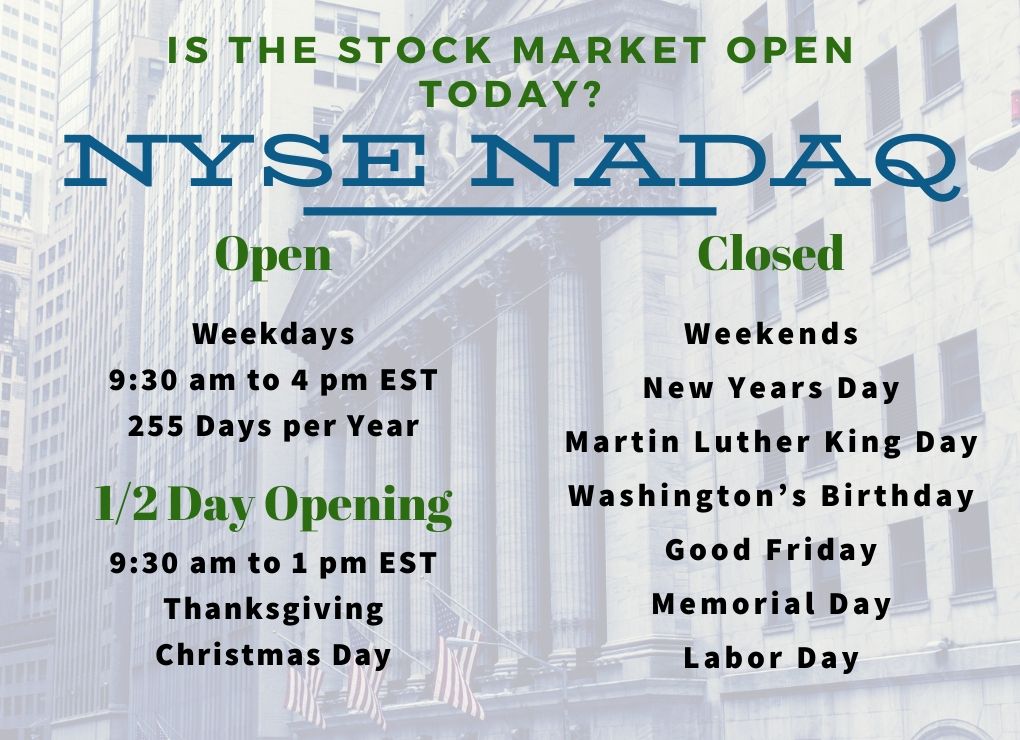
Navigating the Pacific Time Zone Market Hours
Understanding the exact timing of the market is the first step toward successful personal finance management and investment strategy. Because the U.S. financial markets are centralized in New York City, the entire country follows the 9:30 AM to 4:00 PM ET schedule.
The 6:30 AM Kickoff
For a Californian, the “opening bell” rings at 6:30 AM. This early start means that the most volatile and often most profitable part of the trading day—the first 30 minutes—happens while many people are still commuting or just waking up. For active traders, this requires a disciplined routine. The market closes at 1:00 PM PT, providing a distinct end to the trading day that allows West Coast investors to spend their afternoons reviewing portfolios or focusing on other income streams.
Why the East Coast Sets the Pace
The history of the American stock market is deeply rooted in Manhattan’s Financial District. Despite the rise of digital trading and decentralized servers, the regulatory and operational headquarters of the NYSE and NASDAQ remain in the Eastern Time zone. For California investors, this means the “market day” is shifted forward. While this can be a hurdle for those who are not “morning people,” it aligns the trading day with the standard work hours of many global markets, particularly in Europe and Asia, in ways that East Coast traders might find more taxing.
The Importance of the 1:00 PM PT Close
When the clock strikes 1:00 PM in California, the “regular” session ends. This early finish is a significant psychological benefit for investors in the Golden State. It allows for a “post-market” period where investors can analyze the day’s performance, read through corporate earnings released immediately after the close (4:00 PM ET), and still have a full afternoon for personal branding, career development, or family.
Pre-Market and After-Hours Trading for Californians
While the standard hours are 6:30 AM to 1:00 PM PT, the modern financial world never truly sleeps. Electronic Communication Networks (ECNs) allow for trading outside of these hours, which is particularly relevant for California-based investors looking to react to news.
The “Early Bird” Pre-Market Session
Pre-market trading can begin as early as 4:00 AM ET, which translates to a staggering 1:00 AM PT. While very few retail investors are active at 1:00 AM, the period between 5:00 AM and 6:30 AM PT is critical. Many major economic indicators—such as the Consumer Price Index (CPI), unemployment data, and GDP growth—are released at 8:30 AM ET (5:30 AM PT). California investors who are awake during this window have the opportunity to position their portfolios before the opening bell rings and the mass market reacts.
Post-Market Activity and Earnings Season
The after-hours session runs from 1:00 PM to 5:00 PM PT. This window is vital during earnings season. Most major companies, particularly tech giants headquartered in Silicon Valley like Apple, Google, and Meta, release their quarterly financial results shortly after the New York close. Living in California allows you to process these reports during your late lunch or early afternoon, making moves in the after-hours market without having to stay up late into the night.
Risks of Extended Hours Trading
It is important to note that trading during pre-market or after-hours (outside of the 6:30 AM – 1:00 PM PT window) comes with increased risk. Liquidity is lower, meaning there are fewer buyers and sellers, which leads to wider “bid-ask spreads.” For the California investor, while the 5:00 AM start might feel like an advantage, it requires a cautious approach using limit orders rather than market orders to avoid price slippage.
Strategic Trading Tips for West Coast Investors
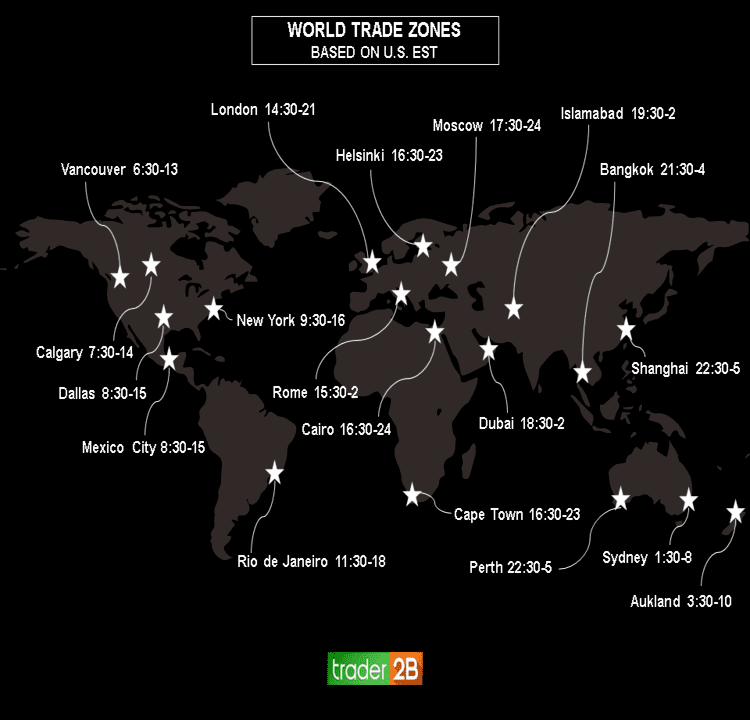
The three-hour time difference is more than just a scheduling quirk; it is a variable that should be factored into your investment strategy. Success in the markets often depends on your ability to maintain a clear head, and for Californians, that means mastering the morning.
Managing Sleep Schedules and Discipline
To trade effectively at 6:30 AM, an investor cannot simply roll out of bed and open a laptop. The most successful West Coast traders treat 5:30 AM as their “pre-game” hour. This time is used to review overnight moves in the European markets and check futures contracts. Establishing a routine that involves physical movement and mental preparation before the 6:30 AM open is essential for avoiding the “morning fog” that leads to costly errors.
Leveraging Financial Tools and Automation
Because the market day ends at 1:00 PM PT, many California professionals are still in the middle of their workdays when the market closes. This makes the use of stop-loss orders and automated alerts indispensable. If you cannot watch the tickers at midday, your financial tools must act as your proxy. Setting “limit sell” orders or “trailing stops” ensures that your investment strategy is executed even if you are in a meeting during the final hour of trading.
The “Coffee and Candles” Lifestyle
The West Coast has developed a unique subculture of “Coffee and Candles” (referring to candlestick charts). Many California investors find that the early schedule allows them to participate in the market and still have a “normal” day. By 1:00 PM, the stress of the market is largely over, allowing for a better work-life balance compared to East Coast counterparts who finish their trading day just as the evening rush hour begins.
The Impact of Global Markets on California Trading
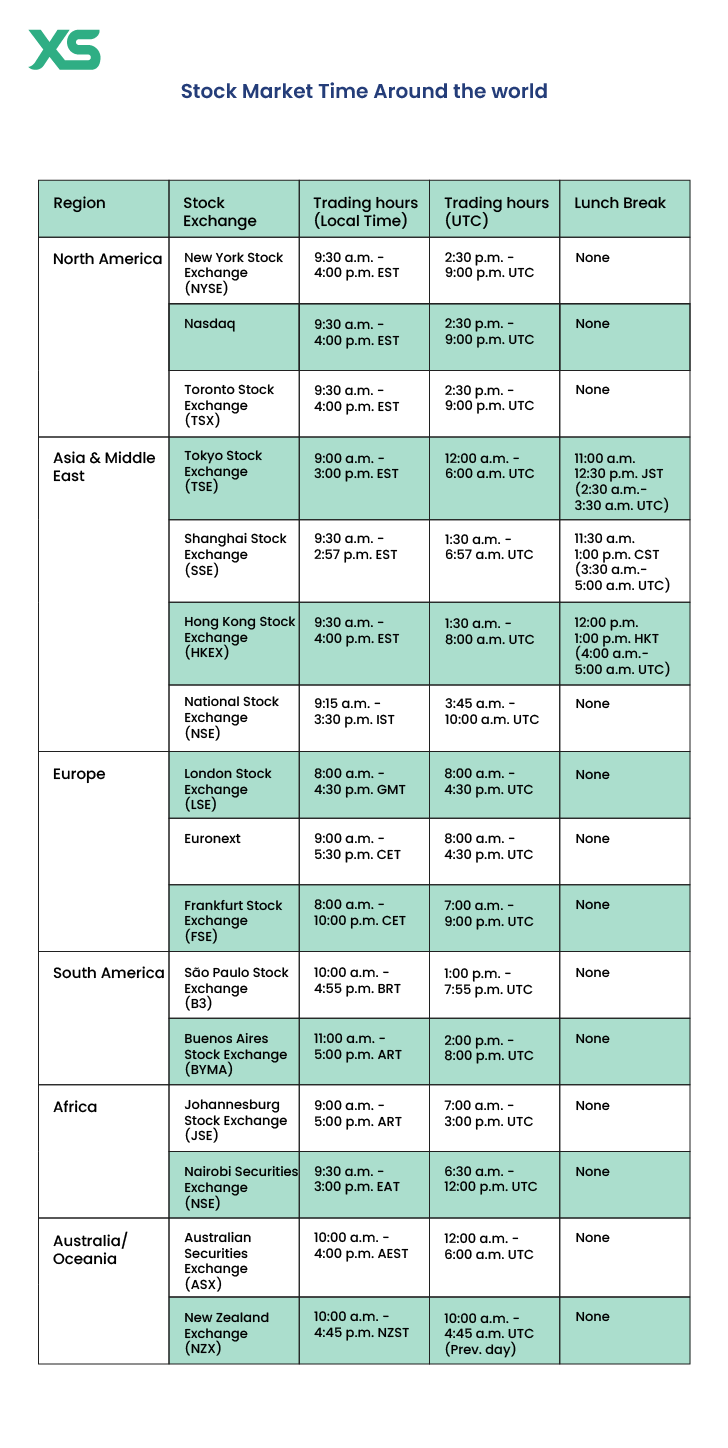
Living on the West Coast puts you in a unique position relative to the global financial cycle. Your trading day is influenced by what happened in London and Frankfurt while you slept, and what is about to happen in Tokyo and Hong Kong shortly after you finish your day.
The European Overlap
The London Stock Exchange usually closes around 8:30 AM PT. This means that for the first two hours of the California trading day (6:30 AM to 8:30 AM), there is significant overlap with European markets. This period is often characterized by the highest liquidity and the most significant price discovery. Understanding this overlap is key for investors who trade international ETFs or large-cap stocks with global footprints.
Watching the Asian Markets
As California enters its evening, the Asian markets (Tokyo, Shanghai, Hong Kong) begin their sessions. For a West Coast investor, the late-night hours (around 6:00 PM to 10:00 PM PT) offer a preview of how the U.S. markets might open the following morning. If there is significant volatility in Asia, it often spills over into U.S. futures, giving California investors a “heads up” before they even go to bed.
The Currency and Commodity Factor
For those involved in Forex (Foreign Exchange) or Commodities (like Oil and Gold), the California time zone is actually quite advantageous. These markets operate 24 hours a day during the work week. The transition from the close of the U.S. markets to the opening of the Asian markets happens during the California afternoon, providing a window of opportunity to trade global macro shifts that East Coast investors might sleep through.
Building a Sustainable Financial Routine in the Golden State
The ultimate goal of knowing the stock market hours in California is to build a sustainable, profitable financial future. Whether you are a day trader, a swing trader, or a long-term “buy and hold” investor, the clock is your most important tool.
Setting Up a Morning Watchlist
Your financial day should begin with a curated watchlist. By 6:00 AM PT, you should know which stocks are moving in the pre-market and why. Use financial news aggregators and screeners to identify “gaps”—stocks that are opening significantly higher or lower than their previous close. For the California investor, this 30-minute window before the 6:30 AM open is the most valuable time of the day.
Long-term vs. Day Trading Considerations
If you are a long-term investor, the 6:30 AM open might not require your immediate attention. You can take advantage of the 1:00 PM PT close to review your portfolio at a leisurely pace. However, for those looking to generate online income through active trading, the Pacific Time zone demands a “sprint” mentality in the morning.
Embracing the California Advantage
While the early start is often cited as a downside, many veteran investors view California as the best place in the world to trade. The ability to finish your financial “workday” by 1:00 PM opens up a world of possibilities. It allows for the pursuit of side hustles, physical fitness, and professional development during daylight hours. By aligning your personal finance habits with the 6:30 AM – 1:00 PM PT market schedule, you can master the markets without letting them consume your entire day.
aViewFromTheCave is a participant in the Amazon Services LLC Associates Program, an affiliate advertising program designed to provide a means for sites to earn advertising fees by advertising and linking to Amazon.com. Amazon, the Amazon logo, AmazonSupply, and the AmazonSupply logo are trademarks of Amazon.com, Inc. or its affiliates. As an Amazon Associate we earn affiliate commissions from qualifying purchases.