
For millions of investors worldwide, the ebb and flow of the New York Stock Exchange (NYSE) dictate daily financial rhythms. The iconic closing bell isn’t just a symbolic gesture; it marks the cessation of regular trading, signaling a pause in the relentless dance of supply and demand that shapes global markets. Understanding precisely when the NYSE closes is not merely a matter of trivia; it is a fundamental piece of knowledge essential for strategic planning, risk management, and effective portfolio oversight. Whether you’re a seasoned day trader, a long-term investor, or an international participant in the U.S. markets, being aware of the market’s operating hours, and especially its closing time, is paramount for making timely decisions, executing trades efficiently, and staying ahead in the dynamic world of finance. This article delves into the standard NYSE closing times, explores various factors that can alter this schedule, and discusses why this seemingly simple piece of information holds significant implications for investors of all stripes.
The Standard Trading Day on Wall Street
The New York Stock Exchange, often referred to as “The Big Board,” adheres to a well-established schedule for its regular trading sessions. This structured timetable is designed to provide consistency and predictability for market participants, facilitating orderly price discovery and trade execution.
Regular NYSE Trading Hours Explained
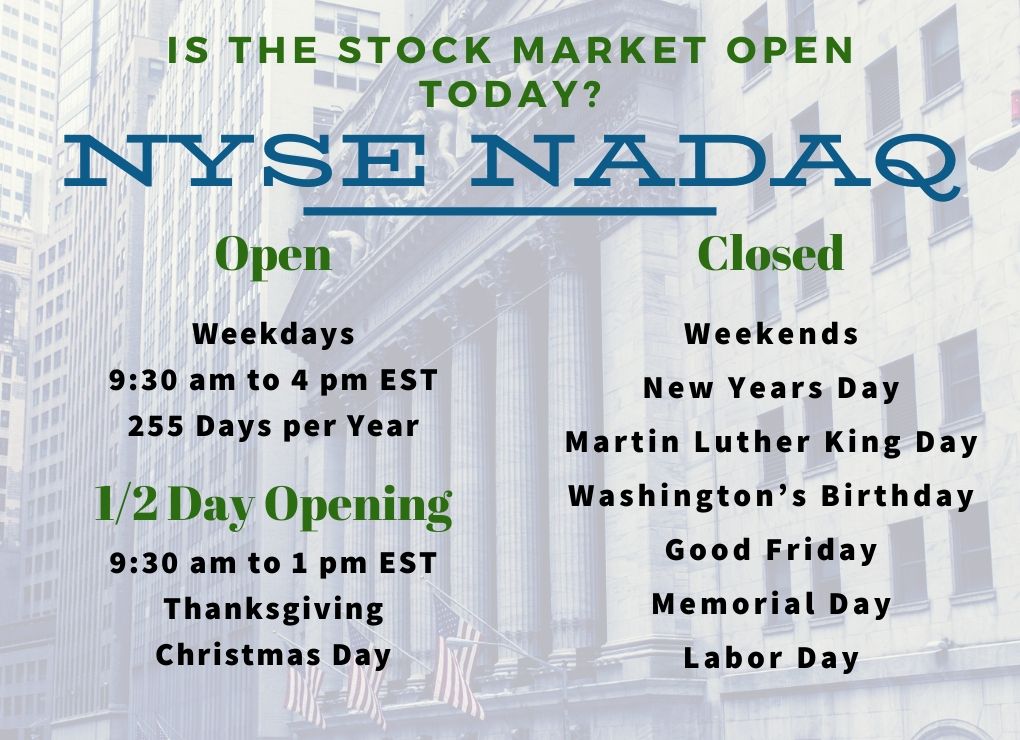
The standard trading day for the New York Stock Exchange runs from 9:30 AM Eastern Time (ET) to 4:00 PM Eastern Time (ET), Monday through Friday. This timeframe applies to all regular trading sessions, covering stocks, exchange-traded funds (ETFs), and other instruments traded on the exchange. The opening is heralded by the ringing of the “Opening Bell,” a much-anticipated event often featuring celebrities, corporate executives, or public figures. Similarly, the “Closing Bell” at 4:00 PM ET officially marks the end of the regular trading day, signifying a pause until the next session.
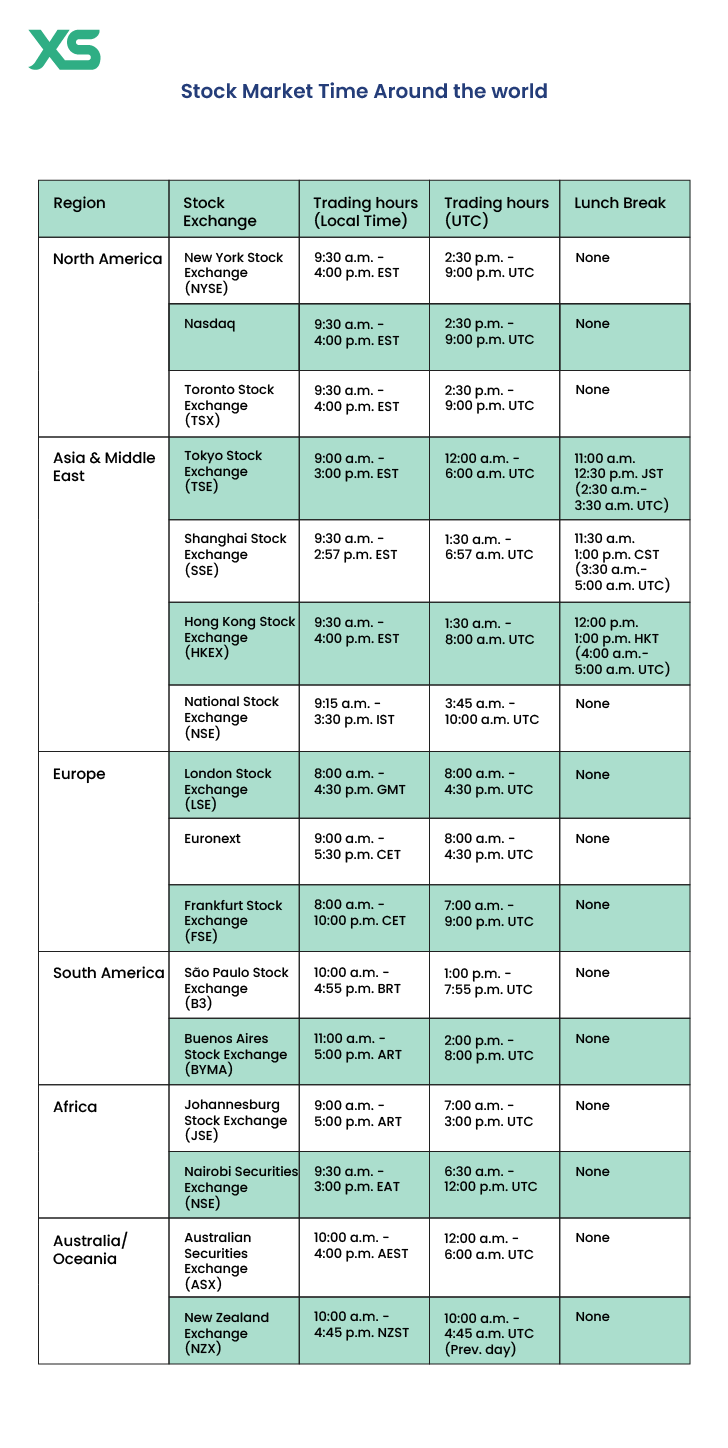
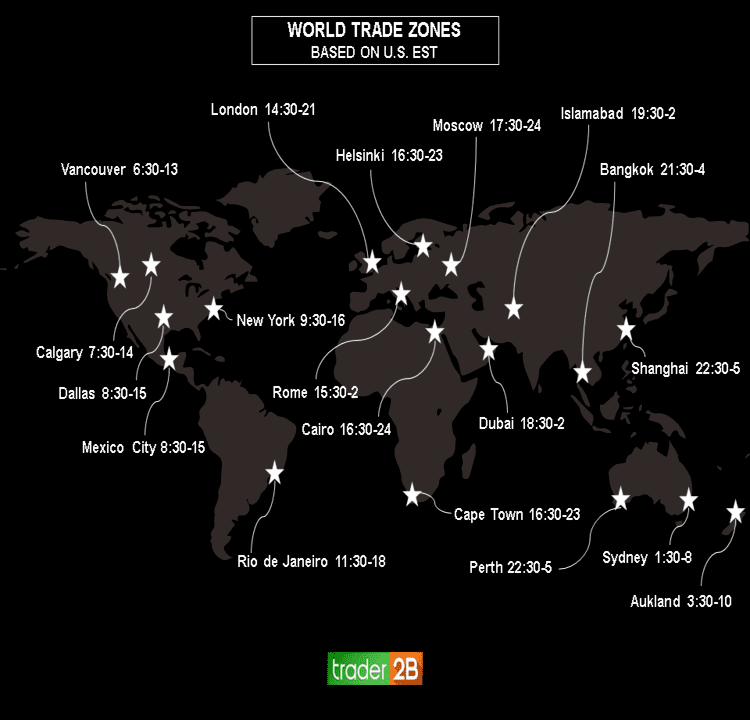
It’s crucial for investors to remember the time zone specificity. Eastern Time (ET) refers to either Eastern Standard Time (EST) or Eastern Daylight Time (EDT), depending on the time of year. During Daylight Saving Time (typically from March to November), the U.S. East Coast observes EDT, which is UTC-4. During the rest of the year, EST (UTC-5) is in effect. This consistent application of ET ensures that investors across different time zones can accurately track market open and close times by adjusting for their local time. For instance, an investor on the West Coast of the U.S. (Pacific Time) would see the market open at 6:30 AM PT and close at 1:00 PM PT. For European investors in London (GMT/BST), the market would open at 2:30 PM GMT/BST and close at 9:00 PM GMT/BST, highlighting the need for careful time zone conversion when planning international trades.
Understanding Market Liquidity and Volatility Around Closing
The periods immediately preceding and following the closing bell are often characterized by heightened activity, increased volatility, and unique trading dynamics. As the 4:00 PM ET deadline approaches, investors and institutional traders rush to execute orders, square off positions, or participate in the “closing auction.” This surge in activity can lead to larger price swings and sometimes wider bid-ask spreads, as market participants vie to complete their transactions before the bell.
Liquidity, which refers to the ease with which an asset can be converted into cash without affecting its market price, tends to be high during the last hour of trading, particularly in heavily traded stocks. However, this high liquidity can also be accompanied by increased volatility as large blocks of shares are bought and sold. Institutional investors often use the closing price for valuation purposes and for executing large orders, known as “market on close” (MOC) orders, which are designed to be executed at or very near the closing price. Understanding these dynamics is critical for investors, as placing orders too close to the closing bell without proper consideration can sometimes lead to unexpected price executions or difficulty in getting orders filled at desired levels. Savvy traders often adjust their strategies, opting to complete significant transactions well before the final minutes or to participate specifically in the closing auction if their strategy demands it.
Special Circumstances Affecting Market Close
While the 4:00 PM ET closing time is the standard, the NYSE, like other major exchanges, observes a number of exceptions to this rule. These can range from scheduled holidays to unforeseen market interventions, all of which impact the trading day’s end.
Holidays and Early Closures
The NYSE adheres to a schedule of market holidays, during which the exchange remains completely closed. These holidays typically coincide with major U.S. federal holidays to facilitate a uniform approach across financial institutions. Common NYSE holidays include:
- New Year’s Day (January 1)
- Martin Luther King, Jr. Day (third Monday in January)
- Presidents’ Day (third Monday in February)
- Good Friday (Friday before Easter)
- Memorial Day (last Monday in May)
- Juneteenth National Independence Day (June 19)
- Independence Day (July 4)
- Labor Day (first Monday in September)
- Thanksgiving Day (fourth Thursday in November)
- Christmas Day (December 25)
In addition to full closures, the NYSE occasionally observes early closures, typically ending the trading day at 1:00 PM ET. These shortened trading days usually occur the day before or after certain holidays. Examples include:
- The day before Independence Day (if it falls on a weekday)
- The Friday after Thanksgiving (Black Friday)
- Christmas Eve (if it falls on a weekday)
These early closures are announced well in advance by the NYSE and are crucial for investors to be aware of, as they significantly shorten the window for regular trading and can affect liquidity and market behavior on those specific days. Financial news outlets and brokerage platforms typically provide ample notice of these altered schedules.
Unforeseen Events and Market Halts
Beyond scheduled holidays and early closures, the NYSE also has protocols in place for handling unforeseen events that may necessitate a temporary halt or even an early closure of the market. The most common mechanism for this is the circuit breaker rule. Circuit breakers are designed to curb panic selling or extreme volatility by pausing trading across the entire market when major stock indices (like the S&P 500) experience significant, rapid declines within a single trading day. There are typically three thresholds:
- Level 1 (7% decline): Triggers a 15-minute halt if the decline occurs on or before 3:25 PM ET.
- Level 2 (13% decline): Triggers another 15-minute halt if the decline occurs on or before 3:25 PM ET.
- Level 3 (20% decline): Triggers a halt for the remainder of the trading day, regardless of when it occurs.
These rules were notably invoked several times during the market downturns of 2020. While rare, other extreme circumstances, such as national emergencies, major technological failures, or natural disasters, could also lead to an unscheduled early closure or even an extended closure of the exchange. Such decisions are typically made in coordination with regulatory bodies like the Securities and Exchange Commission (SEC) and aim to maintain market integrity and investor confidence during times of severe disruption.
Beyond Regular Hours: After-Hours and Pre-Market Trading
While the regular 9:30 AM to 4:00 PM ET window defines the primary trading session, the world of stock trading extends far beyond these hours. For many investors, especially those reacting to immediate news or seeking to gain an edge, extended-hours trading provides additional opportunities.
What is Extended-Hours Trading?
Extended-hours trading refers to the periods before the market officially opens (“pre-market”) and after it closes (“after-hours”). These sessions are facilitated by Electronic Communication Networks (ECNs) rather than the traditional exchange floor.
- Pre-Market Trading: Typically begins as early as 4:00 AM ET and runs until the market opens at 9:30 AM ET.
- After-Hours Trading: Usually commences right after the closing bell at 4:00 PM ET and can extend as late as 8:00 PM ET.
The primary purpose of extended-hours trading is to allow investors to react to news and events that occur outside of regular market hours. For instance, a company might release its quarterly earnings report after the market closes, and after-hours trading allows investors to buy or sell shares immediately based on this new information, rather than waiting until the next morning. Similarly, significant economic data releases or global geopolitical events that happen overnight can be reflected in pre-market trading before the official open.
Risks and Opportunities in Extended Trading
Extended-hours trading presents both distinct opportunities and inherent risks that investors must carefully consider.
Opportunities:
- Immediate Reaction to News: The ability to trade promptly based on breaking news (earnings, FDA approvals, political events) can be a significant advantage, potentially allowing investors to capitalize on early price movements before the broader market reacts.
- Flexibility for Global Investors: Investors in different time zones can trade during hours that align better with their local schedules, making U.S. markets more accessible.
- Price Discovery: Extended hours can sometimes offer a glimpse into the potential opening price for the next regular session, helping traders anticipate market sentiment.
Risks:
- Lower Liquidity: Generally, fewer participants trade during extended hours compared to the regular session. This lower liquidity can lead to wider bid-ask spreads, making it more expensive to enter or exit positions, and potentially resulting in significant price discrepancies between trades.
- Increased Volatility: While driven by news, the lower liquidity can exacerbate price swings. A small number of large orders can have a disproportionate impact on a stock’s price, leading to sudden and drastic movements.
- Professional Dominance: Extended-hours trading often sees a higher concentration of institutional investors and professional traders who have access to advanced tools and information, potentially putting retail investors at a disadvantage.
- Limited Order Types: Many brokers only allow limit orders during extended hours, meaning you can only buy or sell at a specified price or better, which can make order execution more challenging compared to market orders available during regular hours.
- Uncertain Price Discovery: While early reaction to news is an opportunity, prices discovered during extended hours might not fully reflect broader market sentiment and could be subject to significant reversals once the regular session begins.
For these reasons, many financial advisors recommend caution when engaging in extended-hours trading, particularly for less experienced investors. It demands a heightened awareness of market dynamics and a clear understanding of the associated risks.
Why Knowing the Closing Time Matters for Investors
Understanding the NYSE closing time is far more than a simple schedule check; it’s a critical element of effective investment strategy and risk management, impacting various types of investors differently.
Strategic Implications for Day Traders and Swing Traders
For active traders like day traders and swing traders, the market’s closing time is a central pillar of their daily operations.
- Order Execution and Risk Management: Day traders typically aim to close all their positions before the market closes to avoid overnight risk. They must be acutely aware of the 4:00 PM ET deadline to ensure all trades are executed and positions are squared off. Failure to do so can expose them to significant price gaps (up or down) that might occur overnight due to news or global market movements, potentially leading to substantial losses. Swing traders, who hold positions for a few days to several weeks, use the closing price as a key data point for their technical analysis, entry, and exit strategies. The closing price often represents the market’s final consensus on a stock’s value for the day and is used to calculate various technical indicators.
- End-of-Day Price Action Analysis: The last hour of trading, often called the “power hour,” is closely watched by active traders. They analyze the volume and price movements during this period to gauge market sentiment and predict potential movements for the next day. A strong finish might indicate bullish momentum, while a sharp sell-off could signal weakness.
- Options Expiration: For options traders, the closing time on expiration day (typically the third Friday of the month) is particularly critical. Options contracts often expire worthless if they are not in-the-money at 4:00 PM ET, or if they are not exercised or rolled over. This creates intense activity and volatility around the closing bell as traders make last-minute adjustments.
Long-Term Investors and Portfolio Management
Even for long-term investors who aren’t constantly monitoring intraday price fluctuations, the NYSE closing time still holds relevance.
- Order Placement: Long-term investors often place limit orders or stop orders. The effective window for these orders is during regular market hours. If an order is placed after hours, it typically remains in queue until the next trading day. Understanding the market close ensures that orders are placed with the correct timing for execution or modification.
- Portfolio Rebalancing: Decisions to rebalance a portfolio or make significant adjustments are often made based on end-of-day prices, as these are the figures used for official valuations and performance reporting.
- Avoiding Emotional Decisions: Knowing when the market closes helps long-term investors avoid making impulsive decisions based on after-hours news. They can allow the market to digest information during extended hours and make more rational, informed decisions during the next regular trading session.
- Dividend Dates and Corporate Actions: While not directly tied to the closing time itself, corporate actions like dividend payments, stock splits, or mergers often have record dates or effective dates that are determined relative to the market close, impacting eligibility for shareholders.
International Investors and Time Zone Considerations
For investors outside North America, accurately understanding the NYSE closing time, along with appropriate time zone conversions, is absolutely crucial.
- Accessibility and Planning: An investor in Asia, for example, might find the NYSE regular trading hours occur late at night or early in the morning in their local time. Knowing the precise closing time allows them to plan their trading activities, monitor their portfolios, and react to U.S. market developments without disrupting their local schedules excessively.
- Impact on Local Markets: The U.S. market’s close can often influence the opening or trading sentiment in other global markets. Asian and European markets, for instance, often react to the previous day’s closing performance of the NYSE and other major U.S. indices.
- Brokerage Operations: International investors must also consider their brokerage’s operational hours and cut-off times for certain types of orders, which may align with U.S. market hours or have their own local considerations. Clear knowledge of the NYSE closing time enables better coordination with their brokers and enhances their ability to participate effectively in the world’s largest equity market.
Tools and Resources for Tracking Market Hours
In today’s interconnected financial world, numerous resources are available to help investors stay updated on NYSE trading hours, including any deviations from the standard schedule. Utilizing these tools is a best practice for all market participants.
Financial News Outlets and Websites
Major financial news providers are excellent sources for real-time market information, including trading hours.
- Bloomberg: Offers comprehensive market data, news feeds, and often highlights market holidays and early closures prominently.
- Wall Street Journal (WSJ): A definitive source for financial news, the WSJ website typically posts updates on market schedules well in advance.
- Reuters: Similar to Bloomberg and WSJ, Reuters provides up-to-the-minute news and market calendars.
- Yahoo Finance, Google Finance: These popular free platforms provide current market status (open/closed) and often list upcoming holidays or special hours. They are accessible and easy to use for quick checks.
These outlets not only report on the standard schedule but are also quick to announce any unforeseen market halts or early closures due to extraordinary circumstances, ensuring investors are informed as quickly as possible. Many of them also offer customizable alerts or newsletters that can notify users of impending market changes.
Brokerage Platforms and Mobile Apps
Your personal investment brokerage is one of the most reliable and convenient sources for market hours information.
- Brokerage Websites: All reputable online brokerage platforms (e.g., Fidelity, Charles Schwab, E*TRADE, Interactive Brokers, Robinhood) clearly display current market status, upcoming holidays, and any adjusted trading hours directly on their websites or within their client portals. They often have dedicated “Market Hours” sections or FAQs.
- Mobile Apps: Most modern brokerage firms offer sophisticated mobile applications that provide real-time market data, portfolio access, and notifications. These apps are increasingly designed to alert users to market open/close times, holiday schedules, and even potential market halts. Some even offer features to set reminders for the closing bell, which can be invaluable for active traders.
- Customer Support: Should there be any doubt, contacting your broker’s customer support line or chat service can provide immediate and accurate information regarding market hours.
Official Exchange Websites
For the most authoritative and definitive information, going directly to the source is always a good strategy.
- NYSE Website (www.nyse.com): The official website of the New York Stock Exchange is the ultimate source for its trading calendar. It provides detailed information on regular hours, observed holidays, and any scheduled early closures for the current year and often for the upcoming year. This is the place to check for the official word on any changes to the trading schedule.
- ICE (Intercontinental Exchange) Website: As the parent company of the NYSE, the ICE website may also provide relevant information regarding exchange operations and schedules.
By regularly consulting these resources, investors can ensure they are always up-to-date on the NYSE’s operating hours, allowing them to make informed decisions, manage their trades effectively, and navigate the market with confidence.
In conclusion, knowing the exact time the NYSE stock market closes is a fundamental piece of information for any investor navigating the complexities of the financial world. While the standard 4:00 PM ET closing bell serves as the daily demarcation, various scheduled holidays, early closures, and unforeseen events can alter this routine. Beyond the regular session, understanding the dynamics of extended-hours trading provides additional layers of opportunity and risk that demand careful consideration. For active traders, long-term investors, and international participants alike, accurate knowledge of market hours is indispensable for strategic planning, efficient order execution, and robust risk management. By leveraging the numerous financial tools and reliable information sources available, investors can remain well-informed, ensuring they are always prepared to act decisively and intelligently in the ever-evolving landscape of global markets.
aViewFromTheCave is a participant in the Amazon Services LLC Associates Program, an affiliate advertising program designed to provide a means for sites to earn advertising fees by advertising and linking to Amazon.com. Amazon, the Amazon logo, AmazonSupply, and the AmazonSupply logo are trademarks of Amazon.com, Inc. or its affiliates. As an Amazon Associate we earn affiliate commissions from qualifying purchases.