
For investors on the West Coast, the rhythmic pulse of the U.S. stock market can often feel a bit out of sync with their local clock. While financial news channels typically quote market hours in Eastern Time (ET), a significant portion of the investing populace operates on Pacific Standard Time (PST). Understanding the precise closing time of the major U.S. stock exchanges, particularly when viewed through a PST lens, is not just a matter of convenience; it’s a critical component of effective trading strategy, risk management, and overall financial planning. From placing last-minute orders to interpreting end-of-day market movements, knowing exactly when the closing bell rings in your local time zone is paramount. This article will demystify the stock market’s closing hours, focusing specifically on the PST perspective, and delve into why this timing is so crucial for investors and financial professionals alike.
Decoding Standard U.S. Stock Market Hours
The backbone of the U.S. stock market system comprises several major exchanges, with the New York Stock Exchange (NYSE) and the NASDAQ being the most prominent. These exchanges dictate the standard trading hours that most investors refer to when discussing the market’s operational window. However, understanding these hours requires first establishing a baseline time zone.
The New York Stock Exchange (NYSE) and NASDAQ: Core Trading Sessions
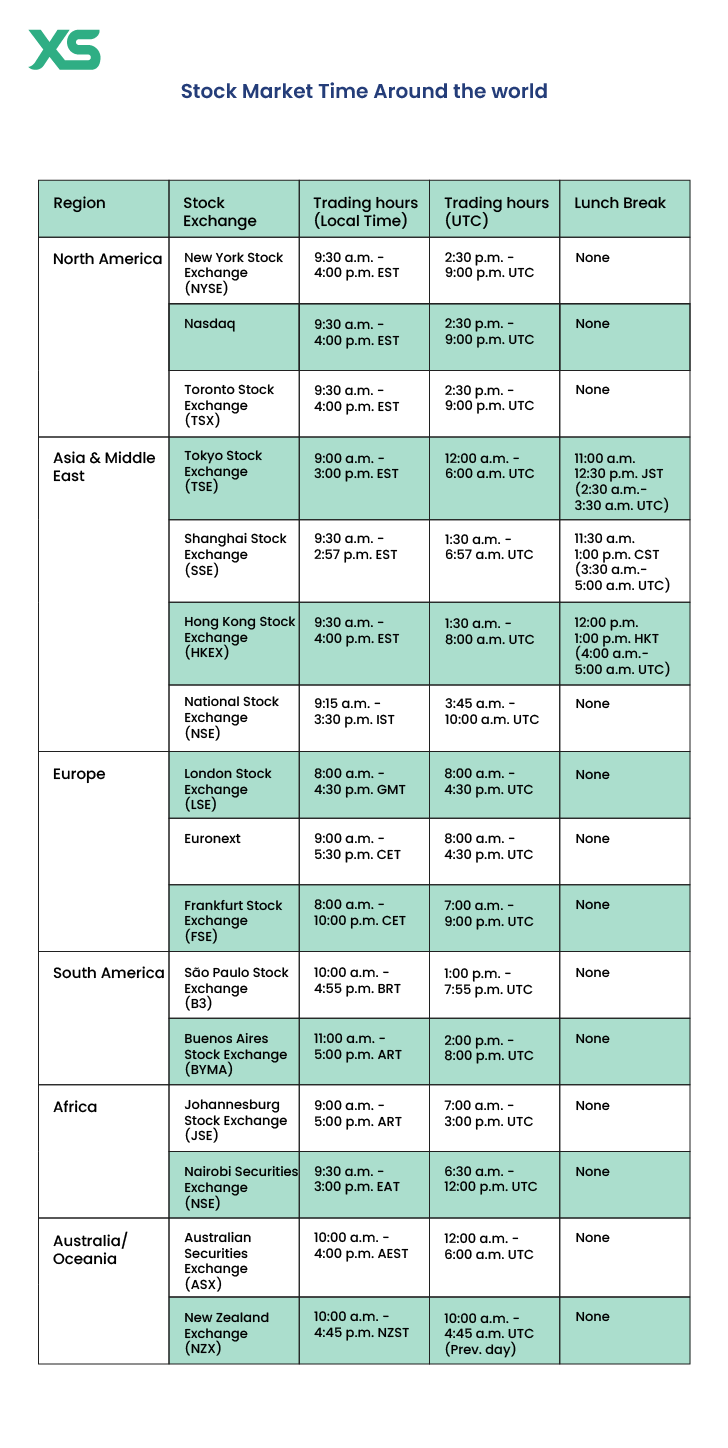
The primary trading sessions for both the NYSE and NASDAQ are remarkably consistent. They open at 9:30 AM Eastern Time (ET) and close at 4:00 PM ET, Monday through Friday. These hours represent the “regular” or “core” trading session, during which the vast majority of transactions occur, and market prices are most transparent and liquid. During these hours, millions of shares change hands, driven by economic news, corporate announcements, geopolitical events, and investor sentiment. The opening and closing minutes of these sessions are often characterized by heightened volatility and trading volume, as participants react to overnight news or position themselves for the next trading day. While the sheer volume of data and activity can seem overwhelming, these standard hours provide a predictable framework for market operations, allowing investors to plan their trading activities and portfolio adjustments accordingly. Understanding this foundational schedule in ET is the first step towards accurately calculating market hours in any other time zone.
Understanding Eastern Time (ET) as the Baseline
It’s crucial to recognize that all official announcements, market data feeds, and news reports regarding U.S. stock market hours are consistently issued in Eastern Time. This is primarily because New York City, the financial capital of the United States, resides within the ET zone. For any investor, regardless of their geographical location, internalizing these ET hours is non-negotiable. ET is currently observed as Eastern Daylight Time (EDT) during daylight saving months and Eastern Standard Time (EST) during the winter months. Both EDT and EST are 3 hours ahead of PST and PDT (Pacific Daylight Time) respectively. This consistent 3-hour difference makes the conversion straightforward but absolutely necessary. Without anchoring one’s understanding to the ET baseline, attempting to calculate market hours for other time zones becomes a guessing game fraught with potential errors, which can have significant financial implications. Therefore, always remember: the market opens at 9:30 AM ET and closes at 4:00 PM ET on regular trading days.
The Critical Conversion: From ET to PST
For individuals and institutions located on the U.S. West Coast, converting Eastern Time market hours to Pacific Standard Time is an everyday necessity. This simple arithmetic adjustment bridges the geographical gap, allowing West Coast investors to align their schedules and strategies with the market’s operational window. A precise understanding of this conversion prevents missed opportunities or ill-timed decisions that could arise from confusion.
How Time Zones Impact Trading Decisions
The three-hour time difference between ET and PST has profound implications for trading decisions. When the market opens at 9:30 AM ET, it’s only 6:30 AM PST. This early start means West Coast investors often begin their trading day before many traditional businesses open, potentially requiring them to adjust personal schedules to catch critical market openings or early news. Conversely, the market closing at 4:00 PM ET translates to 1:00 PM PST. This mid-afternoon closure on the West Coast provides a unique window: investors have the latter half of their workday available to process end-of-day market movements, plan for the next session, or attend to other business, without the immediate pressure of an open market. This timing can influence when West Coast investors choose to execute trades, conduct research, or manage their portfolios. For instance, a long-term investor might use the early afternoon PST closure to review their holdings and make strategic adjustments without feeling rushed, while a day trader might appreciate the early close, allowing them to wrap up their active trading well before the typical end of a business day.
Practical Examples for Pacific Standard Time Investors
To put it into concrete terms:
- Market Open: 9:30 AM ET – 3 hours = 6:30 AM PST
- Market Close: 4:00 PM ET – 3 hours = 1:00 PM PST
This means that if you’re an investor in Los Angeles, Seattle, or Portland, your active trading window for the major U.S. exchanges spans from 6:30 AM to 1:00 PM local time, Monday through Friday, on standard trading days. This practical application of the time zone conversion is vital for several reasons. For those who manage their own portfolios, it dictates when they need to be alert to market news, prepared to execute orders, or monitor their positions. For financial advisors working with West Coast clients, this conversion is essential for scheduling meetings, interpreting client instructions in real-time, and communicating market updates effectively. Furthermore, it influences when financial news cycles peak for West Coast audiences; major market summaries and analyses that typically appear after the 4:00 PM ET close will be relevant for PST audiences shortly after 1:00 PM, impacting their afternoon plans and preparation for the next trading day.
Beyond the Bell: Factors Influencing Market Closure
While 4:00 PM ET (1:00 PM PST) serves as the standard market close, it’s critical for investors to understand that this schedule is not absolute. Various factors can alter the market’s operational hours, requiring diligent attention to avoid surprises. These deviations, though infrequent, can significantly impact trading strategies and portfolio management.
Federal Holidays and Market Closures
The U.S. stock market observes several federal holidays, during which the exchanges remain completely closed. These include New Year’s Day, Martin Luther King, Jr. Day, Presidents’ Day, Good Friday, Memorial Day, Juneteenth National Independence Day, Independence Day, Labor Day, Thanksgiving Day, and Christmas Day. It is imperative for investors to consult an annual market holiday calendar, typically published by the exchanges themselves, to confirm these dates. A full market closure means no trading activity whatsoever, and any orders placed during these times will typically be queued for execution on the next trading day. Missing a holiday announcement could lead to frustration for an investor expecting to execute a time-sensitive trade or an asset manager needing to rebalance portfolios, only to find the market dormant. Staying informed about these non-trading days is a fundamental aspect of proactive financial planning.

Early Closures and Half-Day Trading Sessions
In addition to full-day holidays, the stock market also has a tradition of early closures or “half-day” trading sessions preceding certain holidays, notably the day after Thanksgiving (Black Friday) and Christmas Eve. On these days, the market typically closes at 1:00 PM ET instead of the usual 4:00 PM ET. For PST investors, this translates to an even earlier market close of 10:00 AM PST. These shortened trading days can be particularly volatile due to reduced liquidity and the rush of institutional investors closing out positions before the extended break. The decreased trading volume can sometimes amplify price swings, making it a critical period for risk management. Understanding and anticipating these early closures is vital for day traders, who might see their window significantly shortened, and for long-term investors needing to make crucial decisions before the market goes quiet for the remainder of the day. Always verify the specific closing times for these days as they can occasionally shift.
The Role of After-Hours and Pre-Market Trading
It’s also important to note that the “official” market close at 4:00 PM ET (1:00 PM PST) only pertains to the core trading session. Most major brokerages offer “after-hours” and “pre-market” trading sessions, extending the window for investors to buy and sell securities. Pre-market trading typically runs from 4:00 AM ET (1:00 AM PST) to 9:30 AM ET (6:30 AM PST), while after-hours trading can extend from 4:00 PM ET (1:00 PM PST) to 8:00 PM ET (5:00 PM PST). While these sessions provide flexibility, they come with caveats. Trading during these extended hours usually involves lower liquidity, wider bid-ask spreads, and increased volatility due to fewer participants. Major news releases, earnings reports, or significant geopolitical events often occur outside of core market hours, driving substantial price movements in pre-market or after-hours trading that can set the tone for the next day’s official session. Investors utilizing these extended hours must be acutely aware of the associated risks and understand that order types, like market orders, might behave differently due to the lower liquidity.
Why Knowing Closure Times Matters for Investors
The seemingly straightforward information about stock market closing times takes on significant strategic importance for investors. It’s not merely a logistical detail but a foundational piece of knowledge that influences everything from trade execution to risk assessment.
Strategic Trade Execution and Order Placement
Understanding when the market closes, especially in one’s local time, is paramount for strategic trade execution. For PST investors, the 1:00 PM local time close means they have a defined window to place and monitor orders. Executing market orders too close to the closing bell can expose investors to potential price volatility due to reduced liquidity or last-minute institutional rebalancing. Limit orders, on the other hand, might not be filled if their specified price isn’t met before the market closes, potentially leaving an investor holding an unwanted position or missing a desired entry/exit point. Knowledge of the closing time also impacts the decision to place “good-till-canceled” (GTC) orders versus “day” orders. A day order will automatically expire if not filled by the market close, while a GTC order remains active for a longer period. For PST investors, ensuring they’ve reviewed and adjusted their orders before 1:00 PM is crucial to avoid unintended outcomes or the need for hurried decisions. Missing this window can lead to missed opportunities or forced overnight exposure to positions, carrying implications for risk.
Risk Management and Market Volatility
Market closing times are directly linked to effective risk management. The final hour of trading, often called the “power hour,” and the moments leading up to the closing bell can be periods of heightened volatility. As institutional investors and funds make their final adjustments, or as major news breaks late in the day, prices can swing dramatically. For a PST investor, being aware that this period occurs between 12:00 PM and 1:00 PM local time allows them to either capitalize on potential movements or, more often, to exercise caution. Deciding whether to hold a position overnight or to close it out before the market shuts down is a critical risk assessment. An investor might choose to sell off a volatile stock before the 1:00 PM PST close to avoid any unforeseen overnight news that could negatively impact its price before the next day’s open. Conversely, an investor anticipating positive news might strategically hold a position. Without a clear understanding of the closing time, these risk management decisions become guesswork, potentially exposing portfolios to unnecessary volatility and losses.
Global Market Perspective and Overlapping Sessions
While the focus here is on U.S. market close, a sophisticated investor also considers how this timing integrates with global markets. The U.S. market’s 1:00 PM PST close means that the European markets (e.g., London, Paris, Frankfurt) have already been closed for several hours, typically wrapping up their sessions by early morning PST. However, Asian markets are either preparing to open or are already in their early trading hours by the time the U.S. market closes. This overlap, or lack thereof, influences the flow of global capital and information. Major economic data released after the U.S. market close might first impact Asian markets, setting a precedent that U.S. investors will react to in pre-market trading the following day. For investors with international holdings or those monitoring global economic trends, knowing the U.S. market’s closure in PST helps them contextualize worldwide financial news and anticipate how it might affect their U.S. and international portfolios during subsequent trading sessions. This broader perspective enhances an investor’s ability to make informed decisions and manage a diversified portfolio effectively.
Navigating Market Hours: Tools and Best Practices
In today’s fast-paced financial world, leveraging technology and adopting best practices are essential for investors to navigate market hours effectively, especially when dealing with time zone differences. Staying informed and prepared is key to successful investing.
Leveraging Financial Calendars and News Sources
One of the most fundamental best practices is to consistently utilize reliable financial calendars. Most reputable financial news websites (e.g., Bloomberg, Wall Street Journal, Reuters) and brokerage platforms provide detailed market calendars that list standard trading days, federal holidays, and early closure dates, often pre-calculated for various time zones. Setting up personalized calendar alerts for these non-standard days can prevent any last-minute surprises. Beyond calendars, staying abreast of real-time financial news is paramount. News outlets frequently report on any unexpected market closures due to extreme weather, technical glitches, or other unforeseen circumstances. Subscribing to financial news feeds, following reputable financial journalists on social media, and regularly checking market updates from your brokerage are all crucial steps. For PST investors, specifically seeking out news sources that either explicitly state times in PST or consistently provide the ET baseline allows for immediate and accurate interpretation without the need for constant manual conversion.
Setting Up Alerts and Notifications
Modern financial tools offer robust notification features that can significantly aid investors in managing their trading schedule. Most online brokerage platforms allow users to set up customizable alerts for various market events, including the approaching market close. For PST investors, configuring these alerts to trigger, for example, 30 minutes before the 1:00 PM PST close, can serve as a vital reminder to review open positions, consider last-minute trades, or cancel pending orders. Beyond brokerage platforms, many third-party financial apps provide similar functionality, allowing users to track specific stocks, indices, or market-wide events and receive push notifications or emails. This proactive approach ensures that even if an investor is away from their primary trading terminal, they remain informed and can take necessary action before the market shuts down for the day. Timely alerts are particularly beneficial for those managing active portfolios, as they minimize the risk of being caught off guard by the closing bell.

The Importance of a Trading Plan
Ultimately, all the tools and knowledge about market hours converge into one critical element: a well-defined trading plan. A comprehensive trading plan should explicitly outline an investor’s strategy for interacting with the market, including specific rules for actions taken before and after the market closes. For PST investors, this means incorporating the 6:30 AM to 1:00 PM PST trading window into their daily routine. The plan should address questions such as: What actions will be taken if a target price is met just before the close? How will positions be managed overnight? What information needs to be reviewed before the 6:30 AM PST open? By pre-determining responses to these scenarios, investors can reduce emotional decision-making and ensure a disciplined approach. A robust trading plan, regularly reviewed and updated, acts as a guiding blueprint that helps investors navigate the complexities of market timing, manage risk effectively, and align their actions with their long-term financial goals, ensuring they are always prepared for when the market opens and, critically, when it closes.
aViewFromTheCave is a participant in the Amazon Services LLC Associates Program, an affiliate advertising program designed to provide a means for sites to earn advertising fees by advertising and linking to Amazon.com. Amazon, the Amazon logo, AmazonSupply, and the AmazonSupply logo are trademarks of Amazon.com, Inc. or its affiliates. As an Amazon Associate we earn affiliate commissions from qualifying purchases.