
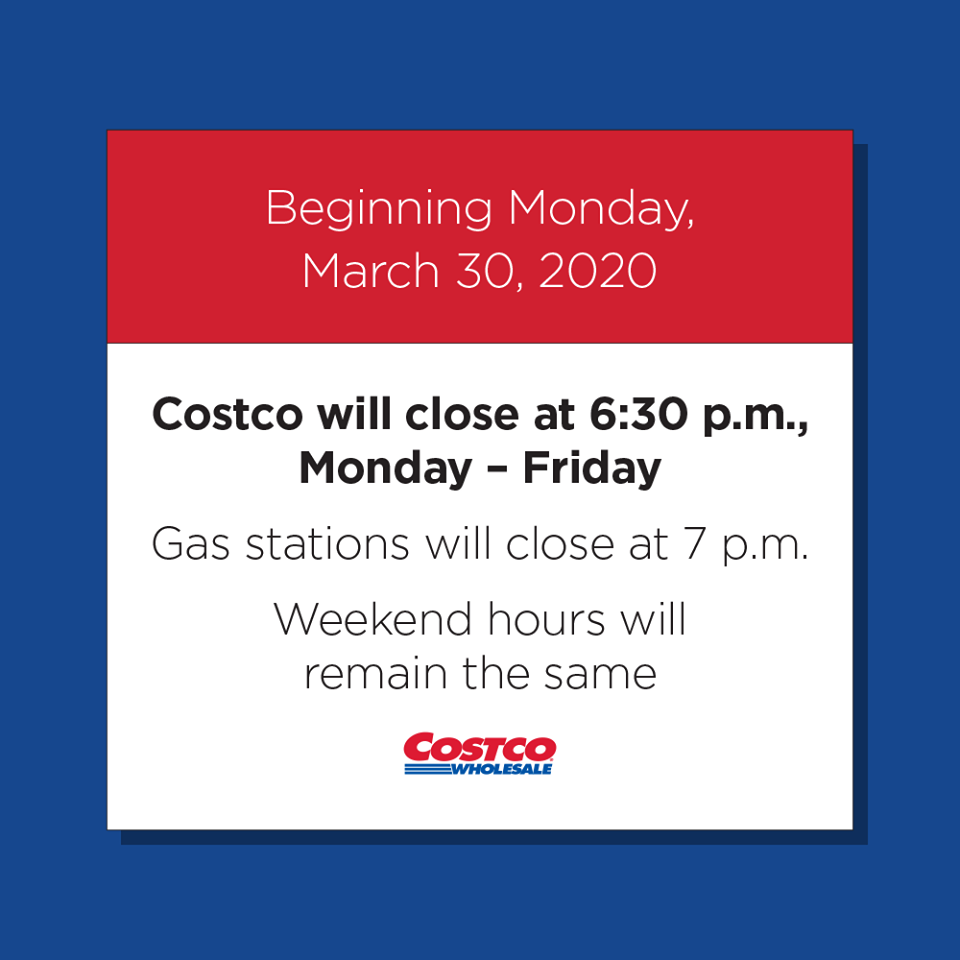
When a consumer types “what time does Costco close tonight” into a search engine, they are usually looking for a simple set of numbers—typically 8:30 PM on weekdays or 6:00 PM on weekends. However, from a financial and business strategy perspective, those specific hours are not arbitrary. They are a calculated component of one of the most successful retail models in modern history. Unlike the 24/7 hyper-convenience models of competitors like Walmart or the algorithm-driven delivery windows of Amazon, Costco’s restricted operating schedule is a masterclass in operational efficiency, labor management, and bottom-line protection.
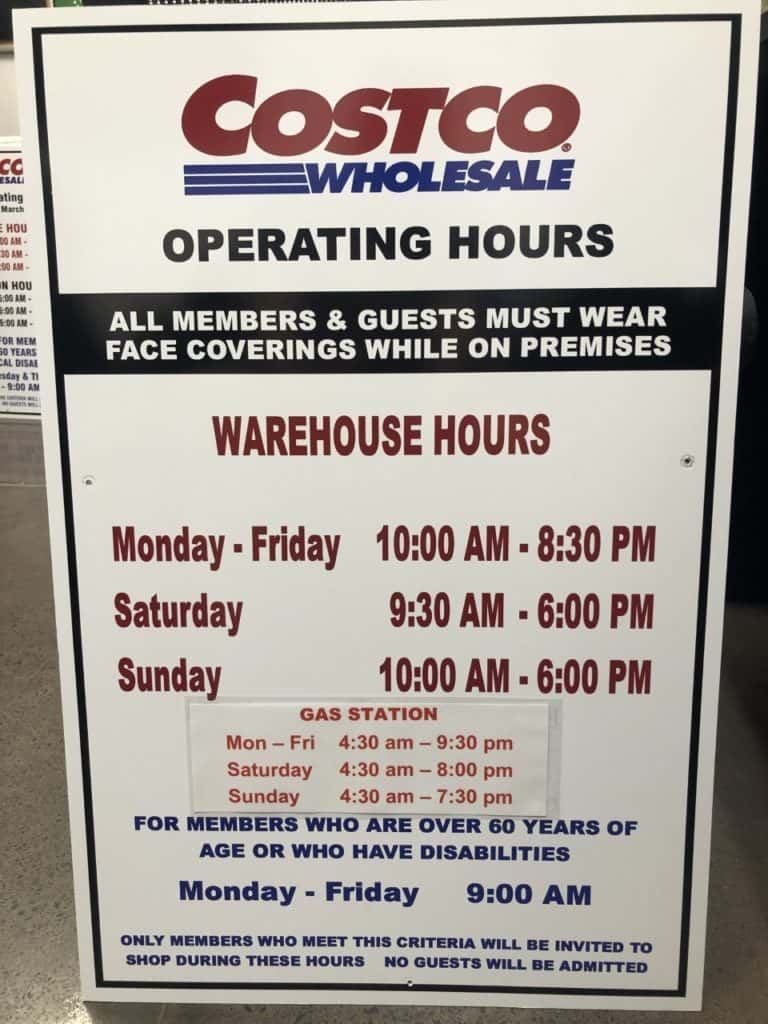
For the savvy investor or the budget-conscious consumer, understanding the “why” behind Costco’s closing times offers a deep dive into the world of business finance. It reveals how a multi-billion dollar corporation maintains razor-thin margins on products while delivering massive returns for shareholders and consistent savings for members.
The Financial Philosophy of Limited Operating Hours
In the retail world, “open” usually equates to “earning.” However, for a warehouse club, every hour the lights are on and the staff is clocked in represents a significant drain on overhead. Costco’s decision to close earlier than most grocery stores is a deliberate move to optimize their expense-to-revenue ratio.
Labor Optimization and the Bottom Line
Labor is often the highest variable cost in retail. Costco is famous for paying its employees significantly higher wages than the industry average, often starting well above the local minimum wage and providing robust benefits. To sustain this “people-first” financial model without raising prices on goods, the company must be extremely efficient with man-hours.
By closing at 8:30 PM during the week, Costco avoids the “dead hours” of late-night retail where foot traffic drops but payroll remains constant. This allows the company to consolidate its labor force into high-traffic windows, ensuring that every dollar spent on payroll generates maximum sales volume. Financially, this results in a much higher revenue-per-employee metric than competitors who stay open late into the night.
Energy Efficiency and Operational Overhead
The physical footprint of a Costco warehouse is immense, often exceeding 150,000 square feet. Heating, cooling, and lighting such a space is an enormous utility expense. By limiting hours, Costco significantly reduces its carbon footprint and its utility bills. Furthermore, the “closed” hours are not idle; they are used for efficient restocking. When the doors are closed to the public, forklift operators can move safely and quickly through the aisles without the liability or physical obstruction of customers. This logistical efficiency means the store is “sales-ready” by morning with minimal wasted effort, protecting the company’s industry-leading inventory turnover ratio.
The Membership Model: Why Closing Early Doesn’t Hurt Growth
To understand why Costco doesn’t worry about losing a 10:00 PM shopper to a competitor, one must look at their primary revenue driver: the membership fee. Costco is less a retailer and more a subscription service that happens to have warehouses.
Retention Over Foot Traffic
In a traditional retail model, staying open late is an attempt to capture “incremental” sales—the late-night milk run or the impulsive snack purchase. Costco’s financial model, however, is built on loyalty and high-volume basket sizes. Once a member has paid their annual fee ($65 to $130), their primary goal is to “earn back” that fee through savings.
Data shows that Costco members are willing to plan their lives around the warehouse schedule because the value proposition is so high. From a business finance perspective, the predictability of these shopping patterns allows Costco to forecast revenue with incredible accuracy. They don’t need the midnight impulse buyer because their revenue is anchored in the recurring membership dues, which boast a renewal rate of over 90% in the U.S. and Canada.
The Psychology of Scarcity and Scheduled Shopping
There is a psychological—and financial—benefit to limited hours. When a store is always open, there is no urgency. When a store has firm closing times, it encourages “piling behavior.” Shoppers enter the warehouse with a mission, often buying in bulk to ensure they don’t have to return soon. This increases the average transaction value. For Costco, it is far more profitable to have one member spend $400 at 4:00 PM than to have ten people spend $20 each at midnight. The cost of processing those ten transactions (labor, wear and tear, credit card fees) is significantly higher than processing the single large transaction.
Costco vs. The 24/7 Retail Giants: A Business Finance Comparison
Comparing Costco’s financial statements to those of 24-hour retailers reveals why the “early to close” strategy is a competitive advantage. It’s a battle of “Margin vs. Volume,” and Costco has mastered the latter through disciplined constraints.
Comparing Inventory Turnover Ratios
Inventory turnover—how many times a company sells and replaces its stock over a period—is a vital sign of retail health. Costco’s limited hours and curated selection (roughly 4,000 SKUs compared to Walmart’s 100,000+) lead to an incredibly high turnover rate. Because they are only open during peak hours, their stock moves rapidly. Money is not “sitting on the shelf” in the form of unsold goods during the slow hours of 11:00 PM to 6:00 AM. This liquidity allows Costco to pay its suppliers faster, often before the products have even been sold, which gives them immense bargaining power to keep prices low.
The Impact on Stock Performance (COST)
Investors love Costco (NASDAQ: COST) because of its consistency. The company’s refusal to chase low-margin, late-night sales is seen as a sign of management discipline. By maintaining a strict operating schedule, Costco keeps its Selling, General, and Administrative (SG&A) expenses as a percentage of sales much lower than its peers. This lean operation translates directly into earnings per share (EPS) growth. When you search for Costco’s closing time, you are seeing a manifestation of the fiscal discipline that has made COST one of the best-performing retail stocks over the last two decades.
Maximizing Your Membership: The Best Times to Save Money
If you are a consumer looking at the clock and wondering if you should rush to Costco before they close, there is a financial strategy to your visit. Time is money, and “shopping smart” involves navigating the warehouse’s unique schedule to maximize your personal finance goals.
Navigating the Mid-Week “Sweet Spot”
While knowing when they close “tonight” is helpful, knowing when they are least crowded is the key to personal efficiency. Financially, your time has a dollar value. To avoid the “crowd tax” of lost time, data suggests that Tuesday and Wednesday evenings—roughly two hours before closing—are the most efficient times to shop. During these windows, the “treasure hunt” items (limited-time discounts and special buys) are often well-stocked, and the checkout lines are at their shortest.
Leveraging the Costco App for Financial Efficiency
In the age of digital transformation, the question “what time does Costco close” is increasingly answered via the Costco mobile app, which serves as a gateway to more than just hours. For the finance-minded shopper, the app is a tool for tracking gas prices (often the most significant immediate saving for members) and checking warehouse-specific “Instant Savings.”
By checking the app before the store closes, members can ensure they aren’t missing out on “Member-Only Savings” that expire at the end of a business day. This integration of tech and brick-and-mortar retail ensures that even when the physical doors are closed, the brand’s value proposition remains accessible, allowing consumers to plan their high-ticket purchases and manage their household budgets with precision.
Conclusion: The Value of the Final Bell
The next time you check the clock to see if you can make it to Costco before the doors lock, remember that those hours are a deliberate part of a massive financial engine. Costco’s closing time isn’t just about giving employees a break; it’s about a commitment to a low-overhead, high-efficiency business model that prioritizes membership value over convenience-store tactics.
By closing early, Costco saves on labor and energy, maintains high inventory turnover, and focuses its resources on the hours that matter most to its loyal member base. For the investor, it is a sign of operational excellence. For the consumer, it is the trade-off required for the lowest prices in the market. In the world of money and business finance, Costco’s schedule is proof that sometimes, doing less is the key to earning much, much more.
aViewFromTheCave is a participant in the Amazon Services LLC Associates Program, an affiliate advertising program designed to provide a means for sites to earn advertising fees by advertising and linking to Amazon.com. Amazon, the Amazon logo, AmazonSupply, and the AmazonSupply logo are trademarks of Amazon.com, Inc. or its affiliates. As an Amazon Associate we earn affiliate commissions from qualifying purchases.