
The seemingly simple question, “What is a normal heart rate?” opens a complex yet increasingly accessible world driven by technology. For decades, this vital sign was primarily the domain of medical professionals, measured during clinical visits. However, the advent of sophisticated wearable technology – from smartwatches and fitness trackers to specialized heart rate monitors – has democratized this data, placing it directly in the hands of consumers. This shift has profound implications, not just for personal health awareness, but also for the technological landscape itself. This article will explore the intersection of heart rate monitoring and technology, focusing on how advancements in gadgets and software are shaping our understanding and management of this crucial physiological metric.

The Technological Evolution of Heart Rate Monitoring
The journey from manual pulse checks to continuous, accurate heart rate tracking is a testament to rapid technological innovation. What was once a fleeting measurement now forms a continuous stream of data, empowering individuals with unprecedented insights into their cardiovascular health.
From Analog to Digital: Early Innovations
Early attempts to measure heart rate outside of a clinical setting were rudimentary. The development of the electrocardiogram (ECG) in the early 20th century was a monumental step, providing a detailed electrical picture of the heart’s activity. However, ECG machines were large, complex, and strictly for medical use. The transition to consumer-friendly technology began with simpler analog devices. The first heart rate monitors designed for athletes, emerging in the late 20th century, often involved chest straps that transmitted electrical signals from the heart to a wrist-worn display. These were bulky and sometimes uncomfortable, but they marked the beginning of accessible, real-time heart rate data.
The Optical Revolution: Photoplethysmography (PPG)
The most significant leap forward in wearable heart rate technology has been the widespread adoption of photoplethysmography (PPG). This optical sensing technique, commonly found in smartwatches and fitness trackers, uses light-emitting diodes (LEDs) to shine light into the skin and a photodetector to measure the amount of light that is absorbed or reflected. As blood flows through the capillaries with each heartbeat, the volume of blood changes, altering the amount of light detected. Algorithms then process these subtle variations to calculate heart rate. PPG technology has become incredibly sophisticated, miniaturized, and energy-efficient, enabling seamless integration into everyday devices. This has been the cornerstone of making heart rate monitoring a ubiquitous feature of consumer electronics.
The Rise of Smart Algorithms and Data Interpretation
Simply collecting heart rate data is only half the story. The true power of modern heart rate monitoring lies in the intelligent algorithms that process and interpret this data. These algorithms go far beyond merely displaying a number; they are designed to contextualize heart rate readings within various activities and physiological states.
Real-Time Activity Tracking and Zone Calculation
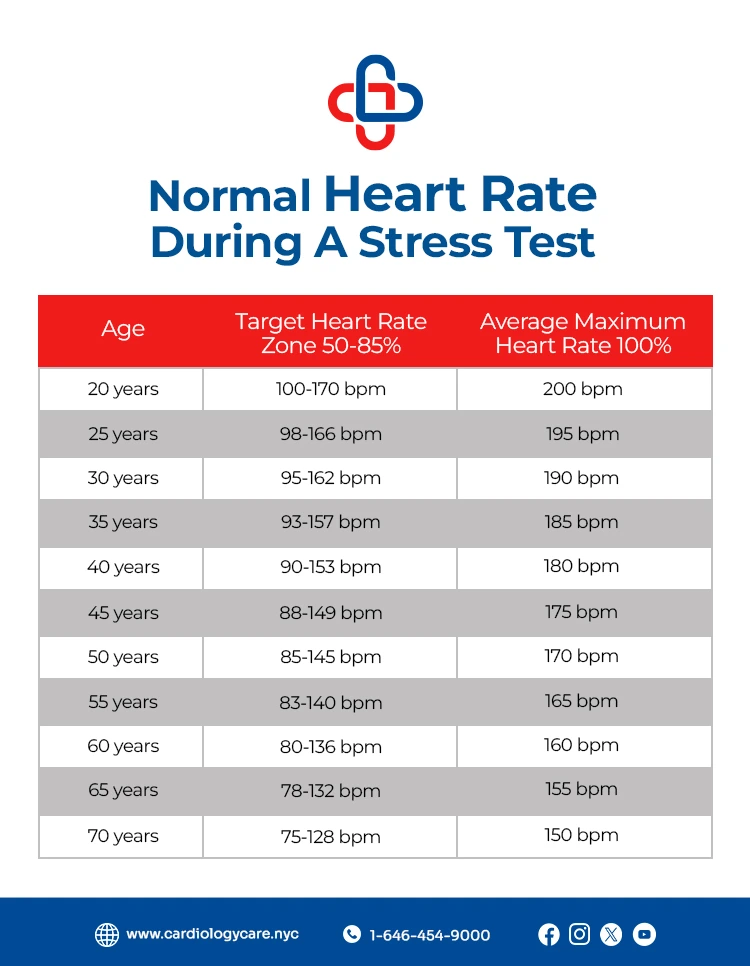
Wearable devices leverage PPG data in conjunction with accelerometers and gyroscopes to identify different types of physical activity – walking, running, cycling, swimming, and more. Based on this, they can calculate and display target heart rate zones for exercise, essential for optimizing training intensity and maximizing cardiovascular benefits. These zones, often color-coded, help users understand if they are exercising in a fat-burning, cardio, or peak performance range. The accuracy of these algorithms is continually refined through machine learning and extensive datasets, allowing for more precise activity recognition and zone calculation.
Sleep Tracking and Recovery Insights
Beyond waking hours, wearable technology provides invaluable insights into sleep patterns and recovery. By monitoring heart rate and heart rate variability (HRV) during sleep, devices can help users understand their sleep quality, including the duration of different sleep stages. A lower resting heart rate and higher HRV during sleep are often indicators of good recovery and fitness. Advanced algorithms can identify trends, alert users to potential overtraining, or suggest rest days, contributing to a more holistic approach to health and fitness.
Advanced Health Monitoring Features

The capabilities of wearable heart rate technology are expanding beyond basic fitness tracking. Many devices now offer features like irregular heart rhythm notifications, which can detect potential signs of atrial fibrillation (AFib). While not a diagnostic tool, these notifications can prompt users to seek medical attention, potentially leading to early detection and intervention for serious cardiovascular conditions. Furthermore, some advanced wearables are exploring the integration of other sensors, such as blood oxygen saturation (SpO2) and even skin temperature, to create a more comprehensive picture of physiological well-being, with heart rate data serving as a central pillar.
The Technological Ecosystem of Heart Rate Data
The data generated by heart rate monitors doesn’t exist in a vacuum. It’s integrated into a broader technological ecosystem, connecting devices, applications, and even cloud-based platforms, all working in concert to provide a richer, more actionable understanding of our health.
Companion Apps and Cloud Platforms
The raw data from your smartwatch or fitness tracker is typically relayed to a companion smartphone app. These apps serve as the primary interface for visualizing your heart rate history, analyzing trends, and accessing insights. They often present this data in intuitive graphs and charts, making it easy to see how your heart rate fluctuates throughout the day, during exercise, and while you sleep. Beyond visualization, these apps often leverage cloud-based platforms. This allows for data synchronization across multiple devices, long-term data storage, and the potential for more sophisticated analysis by powerful algorithms running on remote servers.
Data Integration and Interoperability
A crucial aspect of the modern tech landscape is the ability of different applications and platforms to communicate and share data. Many wearable health platforms are embracing this trend through APIs (Application Programming Interfaces). This allows users to connect their heart rate data to third-party fitness apps, nutrition trackers, or even electronic health record systems. For instance, you might sync your running data with a dedicated running app, or share your activity levels with a wellness program offered by your employer. This interoperability creates a more unified and personalized health management experience.
AI and Machine Learning in Heart Rate Analysis
Artificial intelligence (AI) and machine learning (ML) are playing an increasingly pivotal role in unlocking the full potential of heart rate data. These technologies are essential for:
- Pattern Recognition: Identifying subtle patterns in heart rate data that might be missed by human observation. This can include detecting early signs of illness, stress, or changes in fitness levels.
- Personalized Recommendations: Based on your unique heart rate data and activity patterns, AI algorithms can provide personalized recommendations for exercise, recovery, and even stress management.
- Predictive Analytics: In the future, AI may be able to use historical heart rate data to predict the likelihood of certain health events, allowing for proactive interventions.
- Noise Reduction and Accuracy Improvement: AI is continuously used to refine the algorithms that process PPG signals, filtering out noise from movement and improving the accuracy of heart rate readings, especially during intense activity.
The Future of Wearable Heart Rate Technology
The evolution of heart rate monitoring technology is far from over. We are likely to see continued advancements in several key areas:
- Enhanced Accuracy and Reliability: Future wearables will likely offer even greater accuracy, rivaling clinical-grade devices, even during extreme activities.
- New Sensing Modalities: Beyond optical sensors, we may see the integration of other non-invasive sensing technologies to provide even richer physiological data alongside heart rate.
- Deeper Health Insights: The integration with AI will lead to more sophisticated and personalized health insights, moving beyond simple metrics to predictive and preventative care.
- Seamless Integration into Daily Life: As technology becomes more embedded and less obtrusive, heart rate monitoring will become an even more seamless and natural part of our daily routines.
Conclusion: Empowering Health Through Technological Insight
The question of “what the heart rate normal” is no longer confined to a medical chart. Thanks to the relentless march of technological innovation, particularly in wearable devices and sophisticated software, we now possess the tools to continuously monitor, understand, and actively manage this fundamental aspect of our health. From the optical sensors in our smartwatches to the AI algorithms that interpret complex data streams, technology has transformed heart rate monitoring from a clinical snapshot into a dynamic, personal journey of insight and empowerment. As these technologies continue to mature, they promise to usher in an era of proactive, data-driven well-being, where understanding our heart rate becomes a fundamental component of living a healthier, more informed life.
aViewFromTheCave is a participant in the Amazon Services LLC Associates Program, an affiliate advertising program designed to provide a means for sites to earn advertising fees by advertising and linking to Amazon.com. Amazon, the Amazon logo, AmazonSupply, and the AmazonSupply logo are trademarks of Amazon.com, Inc. or its affiliates. As an Amazon Associate we earn affiliate commissions from qualifying purchases.