
The question “What stock to buy today?” is perhaps the most frequent query in the world of finance, yet it is often the most misunderstood. For the retail investor, the search for the “perfect” stock is frequently framed as a quest for a hot tip or a viral trend. However, professional wealth management and successful long-term investing are rarely built on the foundation of a single day’s market movement. Instead, identifying the right equity to add to your portfolio requires a synthesis of macroeconomic awareness, fundamental analysis, and a clear understanding of your own risk tolerance.
In today’s complex financial landscape, characterized by fluctuating interest rates, geopolitical shifts, and the rapid evolution of digital industries, the answer to what you should buy depends heavily on your investment horizon. Whether you are looking for aggressive growth, reliable dividends, or a defensive hedge against inflation, the following guide outlines the strategic framework necessary to make an informed decision in the current market.
The Philosophy of Timely Investing: Strategy Over Speculation
Before diving into specific tickers or sectors, it is crucial to understand the environment in which we are operating. The “best” stock is a subjective concept that changes based on whether the market is in a bull or bear cycle.
Market Sentiment and Economic Indicators
To decide what to buy today, an investor must first look at the “macro” picture. Are we in an environment of cooling inflation or rising costs? Central bank policies, particularly the decisions of the Federal Reserve regarding interest rate hikes or cuts, dictate the flow of capital. When rates are high, “value” stocks—companies with proven earnings and steady cash flows—often outperform. Conversely, when rates begin to normalize or drop, “growth” stocks, particularly in the technology and innovation sectors, tend to see a resurgence as the cost of borrowing for expansion decreases.
The Difference Between Speculation and Investing
Many individuals asking what stock to buy today are actually looking for short-term speculation. Speculation relies on market psychology and technical “pumps,” whereas investing relies on the underlying health of a business. To build sustainable wealth, one must focus on companies with a “durable competitive advantage.” This means looking for businesses that can maintain their profit margins even if a competitor enters the fray or the economy takes a downturn.
Identifying Value in Volatile Environments
Volatility is often viewed as a risk, but for the savvy investor, it is an opportunity. A stock to buy “today” might be one that has been unfairly punished by temporary negative news or broader market sell-offs despite having strong fundamentals. Learning to distinguish between a “broken company” and a “broken stock price” is the hallmark of a sophisticated investor.
High-Growth Sectors to Watch This Year
When determining where to allocate capital, it is helpful to look at sectors that are currently experiencing structural tailwinds. These are industries where demand is growing not just because of a trend, but because of a fundamental shift in how the world operates.
The Continued Dominance of Artificial Intelligence and Data
While the initial hype cycle of Artificial Intelligence (AI) has matured, the practical implementation of AI across various industries is just beginning. When looking for stocks in this niche, the focus should shift from the “shovels”—the chipmakers—to the companies that are successfully integrating AI to increase productivity and reduce operational costs. Software-as-a-Service (SaaS) companies and data management firms that provide the infrastructure for the digital economy remain strong candidates for growth-oriented portfolios.
Renewable Energy and Infrastructure Resurgence
The global transition toward a low-carbon economy is no longer a fringe movement; it is backed by massive government subsidies and corporate mandates. Infrastructure stocks, particularly those involved in the modernization of power grids and the development of renewable energy storage, offer a blend of growth and utility-like stability. These companies often operate under long-term contracts, providing a level of predictability that is highly valued during periods of economic uncertainty.
Healthcare Innovation and the Biotech Frontier
The healthcare sector remains a perennial favorite for those seeking defensive growth. With an aging global population, the demand for innovative treatments and efficient healthcare delivery is at an all-time high. Investors should look toward companies with strong pipelines in personalized medicine, genomics, and weight-loss therapeutics. These areas represent multi-billion dollar markets with significant barriers to entry, protecting the profit margins of the leaders in the space.
Evaluating Stock Quality: The Investor’s Checklist
Once you have identified a sector, how do you pick the specific stock to buy today? It requires a “deep dive” into the company’s financial health and strategic positioning.
Analyzing Balance Sheets and Cash Flow
A company’s balance sheet is its medical report. You want to see a manageable debt-to-equity ratio and a healthy amount of “Free Cash Flow” (FCF). Free cash flow is the money left over after a company pays for its operating expenses and capital expenditures. Companies with high FCF have the flexibility to pay dividends, buy back shares, or reinvest in new projects—all of which drive shareholder value.
Competitive Moats and Market Share
Warren Buffett famously popularized the term “moat.” A moat is what protects a business from its competitors. This could be a powerful brand name, a proprietary patent, high switching costs for customers, or a network effect. When choosing a stock, ask yourself: “How hard would it be for a new company to steal this business’s customers?” If the answer is “very difficult,” you have likely found a high-quality asset.
Management Performance and Future Guidance
The people running the company are just as important as the product itself. Investigate the track record of the CEO and the board of directors. Are they transparent in their quarterly earnings calls? Do they have a history of meeting their “guidance” (their predictions for future performance)? A management team that consistently over-delivers and under-promises is a significant indicator of a stock worth holding.
Risk Mitigation and Strategic Asset Allocation
Buying a stock is only half the battle; managing it within the context of your entire financial life is the other half. No matter how promising a single stock looks “today,” it should never jeopardize your financial security.
The Role of Dividend-Paying Stocks for Stability
For investors who prefer a “bird in the hand” approach, dividend-paying stocks are essential. These are typically mature companies that share a portion of their profits with shareholders. During flat or down markets, the “dividend yield” provides a cushion, ensuring that you are still earning a return on your investment even if the stock price isn’t climbing.
Dollar-Cost Averaging vs. Lump Sum Investing
Should you put all your money into a stock today, or spread it out? Dollar-cost averaging (DCA) is the practice of investing a fixed amount of money at regular intervals. This strategy reduces the risk of buying at a “peak” and allows you to acquire more shares when prices are low. While lump-sum investing can be more profitable in a rising market, DCA is often the better psychological choice for the average investor, as it removes the stress of trying to “time” the market perfectly.
Portfolio Rebalancing in a Changing Environment
The stock you buy today might become a huge winner, growing to represent a massive portion of your portfolio. While this is a good problem to have, it can leave you over-exposed to a single company or sector. Periodically rebalancing—selling some of your winners to buy undervalued assets—ensures that your risk profile remains consistent with your goals.
Essential Financial Tools for Modern Investors
In the digital age, individual investors have access to the same data that was once reserved for Wall Street elites. Utilizing these tools can significantly improve your ability to identify what stock to buy.
Using Screener Software to Filter Opportunities
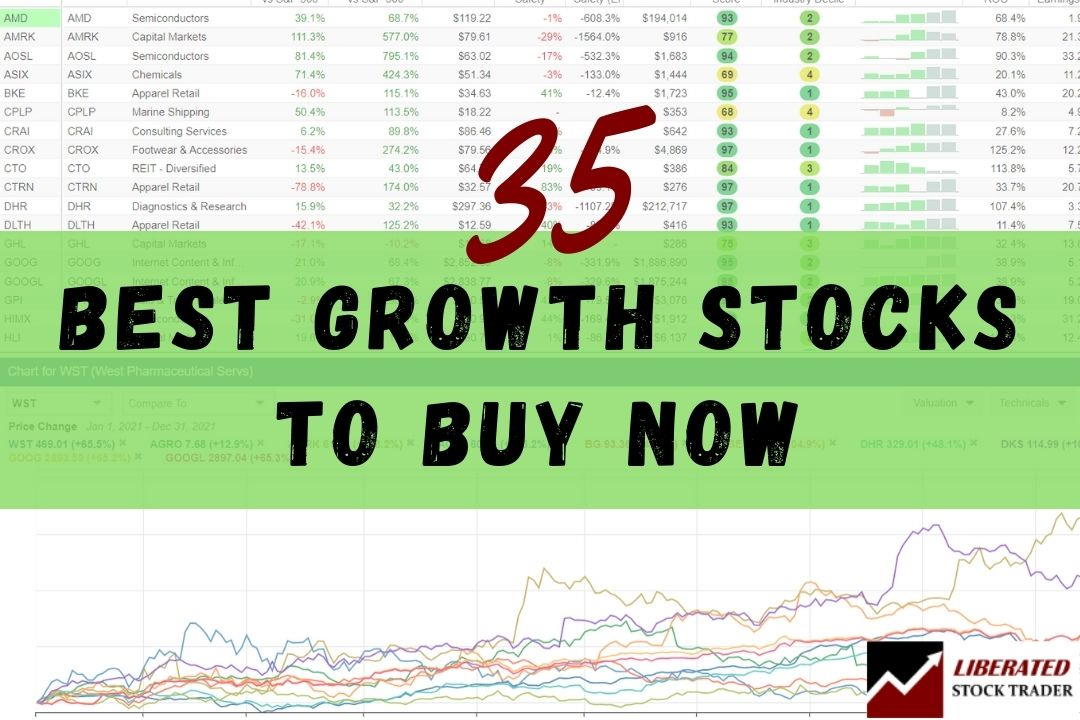
Stock screeners allow you to filter thousands of public companies based on specific criteria such as P/E ratio, dividend yield, market cap, and revenue growth. Instead of looking for a needle in a haystack, you can use these tools to narrow the market down to a few dozen companies that meet your “quality” standards.
Leveraging Real-Time Data and Analytics
Platforms like Morningstar, Bloomberg, and various specialized fintech apps provide in-depth analyst reports and real-time news updates. However, the key is to use this data to inform your own thesis rather than blindly following “buy” or “sell” ratings. True insight comes from understanding the why behind the numbers.

Conclusion: Making the Final Decision
So, what stock should you buy today? The answer is rarely a single name found on a social media thread. The best stock to buy is one that fits into a diversified strategy, belongs to a company with a strong competitive moat, and is purchased at a fair price relative to its future earnings potential.
Investing is a marathon, not a sprint. By focusing on fundamental quality and staying disciplined through market fluctuations, you can move past the noise of daily price movements. Whether you choose a high-growth AI firm, a stable healthcare giant, or a reliable dividend-payer, the most important step is to ensure that every “buy” decision is backed by research and aligned with your long-term financial vision. Success in the market isn’t about being right once; it’s about being disciplined consistently.
aViewFromTheCave is a participant in the Amazon Services LLC Associates Program, an affiliate advertising program designed to provide a means for sites to earn advertising fees by advertising and linking to Amazon.com. Amazon, the Amazon logo, AmazonSupply, and the AmazonSupply logo are trademarks of Amazon.com, Inc. or its affiliates. As an Amazon Associate we earn affiliate commissions from qualifying purchases.