
The allure of keeping more of your hard-earned money is a powerful motivator, driving many individuals and businesses to explore the intricacies of the U.S. tax landscape. The question “what state has the least taxes?” is far more complex than it appears on the surface, requiring a deep dive into various tax categories, economic conditions, and personal financial situations. It’s not just about avoiding state income tax; it’s a holistic evaluation of sales tax, property tax, business taxes, and even the quality of public services funded by these revenues. For those contemplating a move, or simply seeking to optimize their financial strategy, understanding the true tax burden of a state is paramount. This comprehensive guide will dissect the factors that contribute to a state’s overall tax friendliness, highlight the leading contenders, and help you determine which location truly aligns with your financial goals.
Understanding the Tax Landscape: More Than Just Income Tax
When individuals think about “low tax states,” their minds often jump straight to state income tax. While a significant component, it represents only one piece of a much larger financial puzzle. A state might boast no income tax but compensate with higher taxes in other areas, ultimately leading to a comparable, or even higher, overall tax burden. A truly insightful assessment requires a broader perspective.
The Myth of “No Tax” States
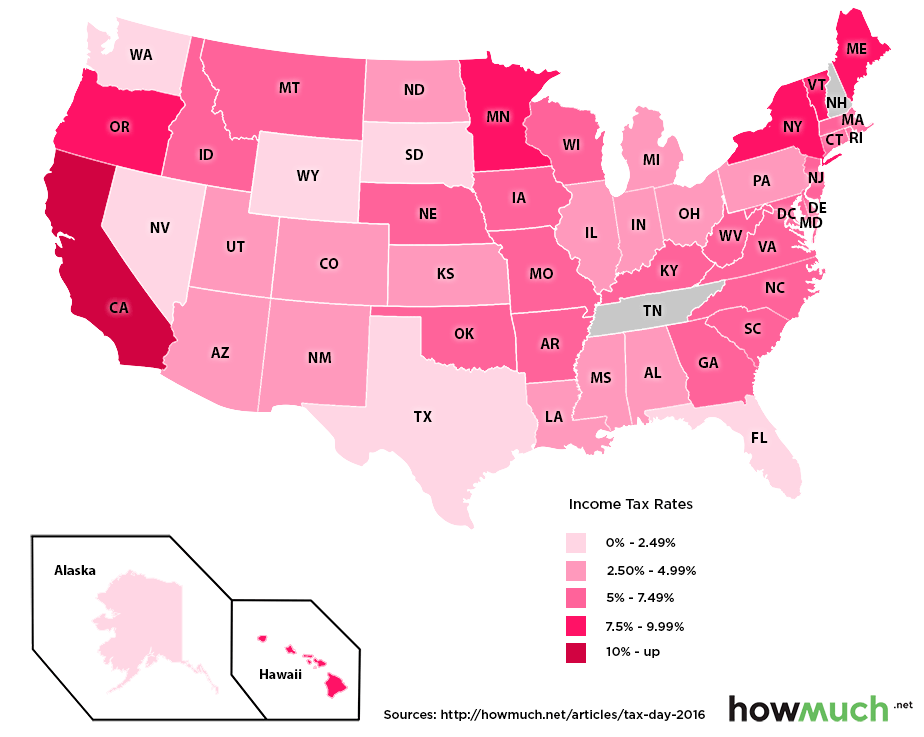
The term “no tax state” is largely a misnomer. While seven states (Alaska, Florida, Nevada, South Dakota, Texas, Washington, and Wyoming) currently impose no state income tax, and two others (New Hampshire and Tennessee) only tax interest and dividends, these states still generate revenue through other means. They must fund their public services—schools, infrastructure, emergency services, etc.—just like any other state. This often means relying more heavily on other forms of taxation, which can sometimes surprise newcomers who haven’t done their full homework. Delaware, Montana, Oregon, and New Hampshire do not have a statewide sales tax, further complicating the picture by shifting the burden elsewhere.
Key Tax Categories to Consider
To accurately gauge a state’s tax burden, one must consider a comprehensive array of tax categories:
- State Income Tax: This is often the most visible tax, levied on an individual’s or corporation’s income. It can be progressive (higher earners pay a higher percentage) or flat.
- Sales Tax: A consumption tax applied to the sale of goods and services. States set a base rate, but local jurisdictions (cities, counties) can add their own, significantly increasing the effective rate.
- Property Tax: Levied on real estate, this tax is typically assessed by local governments and can vary wildly even within the same state. It’s a critical factor for homeowners.
- Estate/Inheritance Tax: Taxes on the transfer of wealth after death. While less common, these can significantly impact high-net-worth individuals and their heirs.
- Excise Taxes: Specific taxes on certain goods and services like gasoline, tobacco, alcohol, and even hotel stays. While seemingly small, they add up.
- Business Taxes: For entrepreneurs and corporations, understanding corporate income tax, franchise tax, and other business-specific levies is crucial.
The Impact of Local Taxes
Perhaps one of the most overlooked aspects of the tax landscape is the role of local taxes. A state might have a low state sales tax, but a county or city within that state could impose additional levies, making the combined rate quite high. Similarly, property tax rates are almost exclusively set at the local level, leading to significant differences between neighboring towns or counties. This means that even within a generally “tax-friendly” state, choosing the wrong city can erase potential savings. Thorough research down to the municipal level is essential for a complete financial picture.
Top Contenders: States with the Lowest Tax Burdens
While there’s no single “least tax” state for everyone, certain states consistently rank high when considering the overall tax burden across various categories. These states have designed their tax systems to be attractive to residents and businesses, often balancing lower rates in one area with strategic revenue generation in others.
States with No State Income Tax
The seven states with no state income tax—Alaska, Florida, Nevada, South Dakota, Texas, Washington, and Wyoming—are often the first choice for those seeking to maximize their take-home pay. Tennessee and New Hampshire also deserve mention for their limited income tax on investment income only. These states are particularly attractive to high-income earners, retirees relying on pensions or investments, and remote workers who can choose their domicile. However, it’s critical to look beyond this single advantage.
Evaluating Sales Tax Implications
Some states without income tax, like Florida and Texas, rely heavily on sales tax. Florida’s state sales tax is 6%, but local taxes can push it higher. Texas has a state sales tax of 6.25%, with localities adding up to 2%, bringing the maximum combined rate to 8.25%. Conversely, states like Oregon and Montana have no statewide sales tax, but they do have income tax. For individuals with high consumption habits, a state with low or no sales tax might be more beneficial, even if it has an income tax.
The Role of Property Taxes
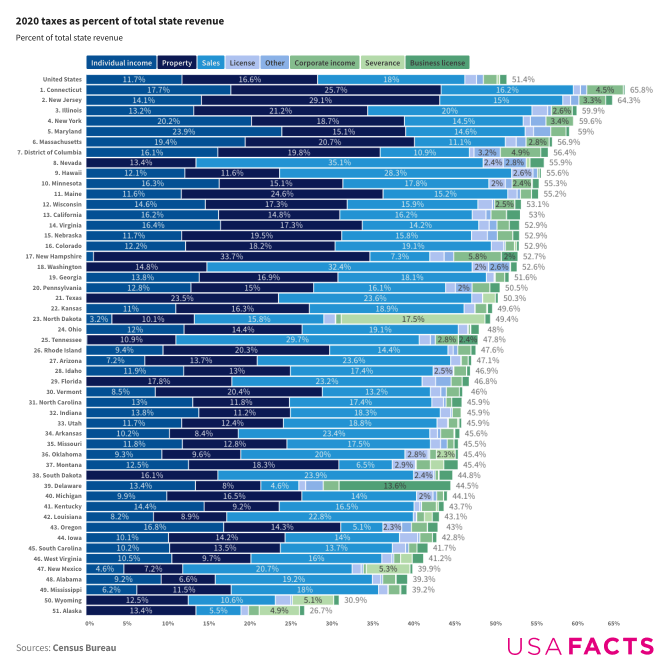
Property taxes can be a substantial expense for homeowners, sometimes offsetting income tax savings. States like New Hampshire and Texas, despite having no income tax, have some of the highest property tax rates in the nation. For example, Texas’s average effective property tax rate is around 1.69%, significantly higher than the national average. Conversely, states like Hawaii and Alabama have very low property tax rates. Retirees who own their homes outright might prioritize low property taxes over income tax, especially if their income is primarily from Social Security, which is often untaxed at the state level.
Business and Corporate Tax Considerations
For entrepreneurs and business owners, the equation changes further. States like Wyoming, Nevada, and South Dakota are known for their business-friendly tax structures, often featuring no corporate income tax or low filing fees. Florida and Texas also offer competitive environments for businesses. However, other factors like state regulations, workforce availability, and access to markets also play a crucial role in a business’s decision, alongside the tax burden. A state with low corporate taxes might also have higher unemployment insurance taxes or specific industry levies.
Beyond the Numbers: Quality of Life and Economic Factors
While tax rates are a critical component of financial planning, they shouldn’t be the sole determinant when choosing a place to live or establish a business. A low tax burden might seem appealing, but it can sometimes come at the expense of other important factors that contribute to overall well-being and economic opportunity.
Cost of Living vs. Tax Savings

A state with low taxes might also have a significantly higher cost of living, particularly in major metropolitan areas. For instance, while Florida has no state income tax, housing costs in desirable areas like Miami or Tampa can be substantial. Similarly, while Washington state has no income tax, the cost of living in Seattle is notoriously high. It’s essential to compare the total cost of living—including housing, utilities, groceries, transportation, and healthcare—against the potential tax savings to get an accurate picture of your disposable income. Sometimes, a state with a slightly higher tax burden but a significantly lower cost of living can offer a better financial outcome.
Job Market and Economic Opportunity
For working individuals and families, a robust job market and strong economic opportunities are often more important than marginal tax savings. States with higher taxes sometimes invest more heavily in education, infrastructure, and public services, which can, in turn, attract businesses and foster job growth. Moving to a low-tax state where job prospects in your field are scarce or wages are lower could negate any tax benefits. Remote workers have more flexibility in this regard, but even they must consider access to amenities, internet infrastructure, and the general economic health of their chosen location.
Public Services and Infrastructure
Taxes fund essential public services. States with consistently low tax burdens across the board might also have less funding for schools, public transportation, healthcare facilities, and maintaining roads and parks. For families with children, the quality of public education is often a top priority, which is directly tied to local property taxes and state funding. Retirees might value accessible and high-quality healthcare services. It’s a trade-off: lower taxes might mean less robust public services, and it’s up to each individual to decide what balance works best for them.
Who Benefits Most? Tailoring Your Tax-Friendly Move
The ideal “low tax” state varies significantly depending on an individual’s financial profile, income sources, and life stage. What works for a retiree might not be suitable for a young entrepreneur, and vice-versa. Understanding your personal financial situation is key to identifying the most advantageous location.
Retirees and Fixed Income Earners
Retirees often benefit most from states with no income tax, especially if their income is primarily from Social Security (often untaxed) or pensions. States like Florida, Texas, and Nevada are popular for this reason. Additionally, low property taxes can be a significant advantage for those who own their homes outright. States like Alabama and Hawaii, despite having state income tax, boast some of the lowest property tax rates, which can be a major draw for retirees on a fixed income. Estate or inheritance taxes are also a consideration for legacy planning.
Remote Workers and Digital Nomads
The rise of remote work has given individuals unprecedented freedom to choose their domicile based on tax implications and lifestyle preferences. For remote workers, states with no state income tax offer clear advantages, allowing them to keep more of their earnings regardless of where their employer is located. States like Wyoming, South Dakota, and Washington, combined with a relatively low cost of living in certain areas, can be highly attractive. However, reliable internet infrastructure and access to amenities are equally important for this demographic.
Entrepreneurs and Small Business Owners
For those running businesses, the focus shifts to corporate income tax, franchise taxes, and other business-specific levies, in addition to personal income and sales taxes. States like Wyoming, Nevada, South Dakota, and Texas are often cited as excellent places to incorporate and operate a business due to their favorable tax and regulatory environments. These states often have no corporate income tax or offer significant tax advantages for various business structures. The overall economic climate, access to talent, and regulatory burden also play a crucial role in a business’s success.
High-Income Earners and Investors
High-income earners and investors stand to gain significantly from states with no state income tax, as a larger portion of their substantial earnings is shielded from state-level taxation. States like Florida, Texas, and Nevada are highly appealing. Furthermore, states that do not tax investment income (like New Hampshire and Tennessee on regular income, but not interest/dividends) or have favorable capital gains tax rates can further enhance an investor’s net returns. Estate and inheritance tax laws become more critical for high-net-worth individuals focused on wealth preservation and transfer.
Making an Informed Decision: A Holistic Approach
Ultimately, there is no single “least tax” state that applies universally. The optimal choice depends entirely on your specific circumstances, financial goals, and lifestyle priorities. Making an informed decision requires a thorough, holistic approach that goes beyond just glancing at state income tax rates.
Consulting Financial Professionals
Before making any significant life changes based on tax considerations, it is highly advisable to consult with a qualified financial advisor, tax professional, or accountant. These experts can provide personalized advice based on your unique income streams, assets, spending habits, and long-term financial goals. They can help you project your total tax burden in different states, account for complex deductions and credits, and uncover potential pitfalls or overlooked benefits.
The Importance of Personal Priorities
Beyond the numbers, your personal priorities should heavily influence your decision. Do you value vibrant cultural scenes, access to nature, specific climate conditions, or proximity to family? A state might be tax-friendly but lack the amenities or community you desire. Conversely, a state with a slightly higher tax burden might offer a significantly better quality of life that outweighs the financial difference. It’s about finding the right balance between fiscal prudence and personal fulfillment.
Long-Term Financial Planning
Consider the long-term implications of your move. Tax laws can change, economic conditions fluctuate, and your personal financial situation will evolve over time. What seems like a perfect tax haven today might be less advantageous in five or ten years. A well-rounded financial plan should include flexibility and foresight, ensuring that your chosen domicile remains beneficial as your life unfolds.
In conclusion, the quest for the state with the least taxes is a journey of careful analysis, personalized assessment, and strategic planning. By understanding the full spectrum of taxation, evaluating the true cost of living, and aligning your choice with your personal and professional aspirations, you can make a decision that genuinely enhances your financial well-being and overall quality of life.
aViewFromTheCave is a participant in the Amazon Services LLC Associates Program, an affiliate advertising program designed to provide a means for sites to earn advertising fees by advertising and linking to Amazon.com. Amazon, the Amazon logo, AmazonSupply, and the AmazonSupply logo are trademarks of Amazon.com, Inc. or its affiliates. As an Amazon Associate we earn affiliate commissions from qualifying purchases.