
A power outage is more than a minor inconvenience or a night spent in the dark; it is a localized economic disruption. For the average household, a chest freezer or a side-by-side refrigerator represents a significant capital investment, not just in the appliance itself, but in the inventory stored within. When the grid goes down, that inventory—often worth hundreds or even thousands of dollars—enters a state of rapid depreciation.
Deciding what to throw out of your freezer after a power outage is a high-stakes exercise in risk management. Discarding everything prematurely leads to unnecessary financial loss, while keeping spoiled items can lead to foodborne illnesses, resulting in staggering medical bills and lost wages. This guide approaches the post-outage cleanup through the lens of personal finance, asset protection, and strategic loss mitigation.
Evaluating the Sunk Cost: The Economic Impact of a Failed Freezer
In the world of finance, a “sunk cost” refers to money that has already been spent and cannot be recovered. The contents of your freezer are a prime example of liquid assets (quite literally, if the power stays off long enough) that have been converted into physical inventory. To manage your household budget effectively, you must first quantify the potential loss.
Calculating the Net Loss of Your Grocery Investment
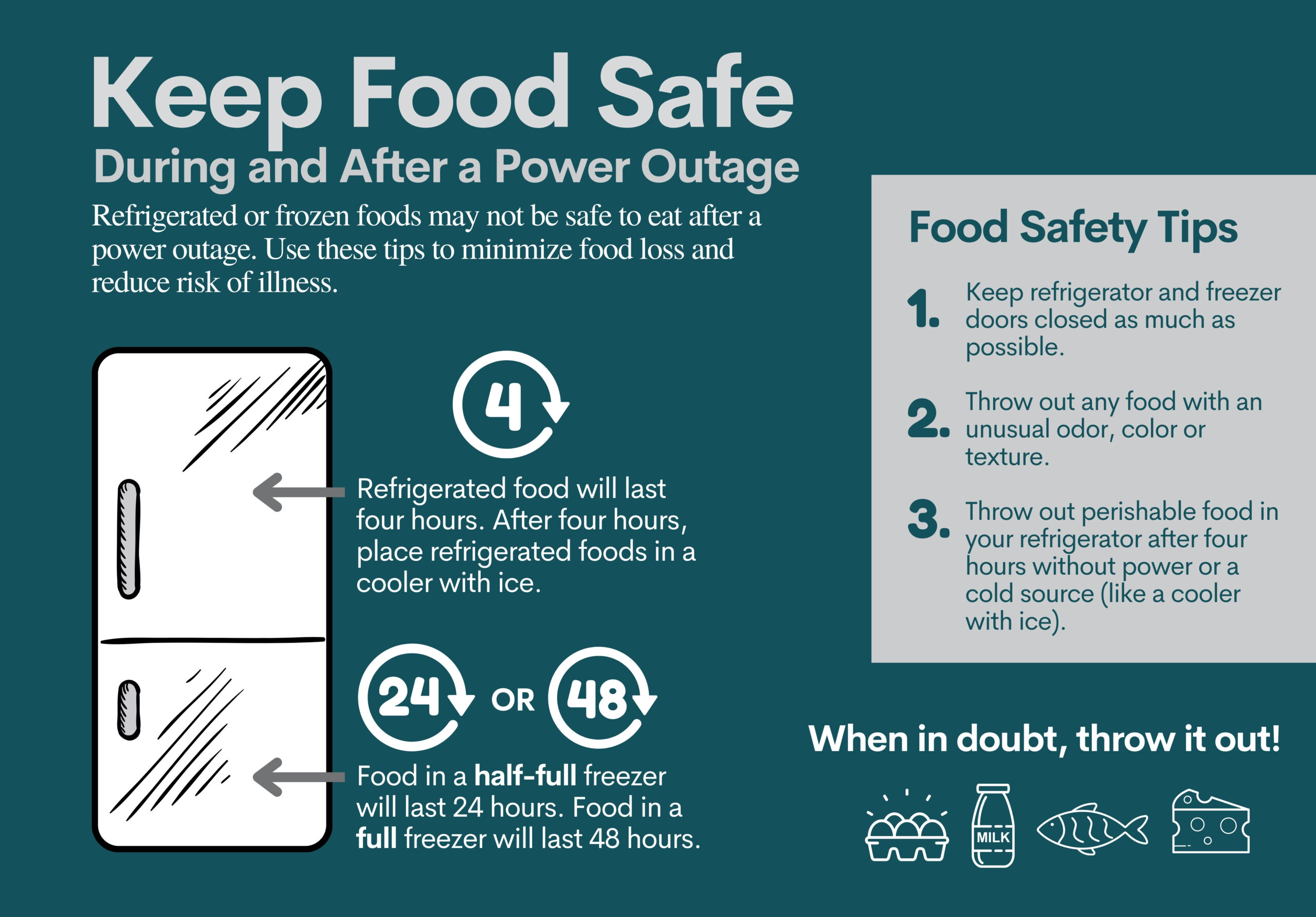
The average American family of four spends between $800 and $1,300 per month on groceries. A significant portion of this—especially meat, seafood, and high-quality frozen produce—is stored in the freezer to take advantage of bulk-pricing and “economies of scale.” When the power fails for more than 48 hours, a full freezer (which holds its temperature longer than a half-full one) becomes a liability.
To perform a proper audit, you should maintain a digital inventory or at least a mental estimate of your freezer’s value. Losing a freezer full of organic grass-fed beef and wild-caught salmon is a much harder hit to the monthly “Discretionary Spending” category than losing a few bags of frozen peas and ice cubes. Recognizing the dollar value of these items is the first step in deciding whether to pursue an insurance claim or simply absorb the loss.
Opportunity Cost and the Price of Food Safety
From a financial perspective, the “Opportunity Cost” of keeping questionable food is the potential cost of healthcare. If you consume spoiled poultry to save $20, but end up with a $5,000 emergency room bill for salmonella treatment, you have made a catastrophic fiscal error.
In business terms, this is a “Risk-Reward Analysis.” The reward is the value of the food saved; the risk is the cost of illness. In almost every scenario involving high-risk perishables like dairy or raw meat, the risk far outweighs the reward. Therefore, the most “fiscally responsible” move is often the most conservative one: when in doubt, write it off.
Asset Recovery: Navigating Insurance Claims for Spoiled Goods
Most homeowners view their insurance policies as protection against fire or theft, but many fail to realize that food spoilage is a recoverable loss under specific conditions. If your power outage was caused by a covered peril (such as a fallen tree on a power line or a lightning strike), you may be able to recoup your losses.
Homeowners and Renters Insurance Coverage Limits
Standard homeowners insurance policies often include a “Food Spoilage” clause. Typically, these limits range from $250 to $500. While this may not cover a commercial-grade deep freezer stocked for a year, it can significantly offset the cost of restocking a standard kitchen unit.
It is vital to check your deductible. If you have a $1,000 deductible and only $400 worth of spoiled food, filing a claim is not financially viable. However, some policies offer food spoilage coverage with a lower deductible or even no deductible at all. Navigating these fine-print details is essential for maximizing your “Total Cost of Ownership” for your home.
Documentation Strategies to Maximize Reimbursement
Insurance adjusters operate on data. To ensure you receive the maximum payout for your lost inventory, you must document the loss as if you were performing a corporate audit.
- Itemized Listing: Create a spreadsheet of every item you are discarding, including the brand, quantity, and estimated price.
- Photographic Evidence: Take clear photos of the spoiled items, particularly high-value cuts of meat or expensive specialty items, before disposing of them.
- Receipt Retrieval: If you use digital grocery apps or loyalty cards, pull your recent purchase history to prove the value of the items.
Treating your freezer like a business asset ensures that if a claim is filed, it is backed by a solid paper trail, increasing the likelihood of a full settlement.
Strategic Disposal: Deciding Which Food “Assets” to Liquidate
Just as a portfolio manager must decide which underperforming stocks to sell, a homeowner must decide which frozen items are no longer viable. This requires understanding the “shelf life” of different categories of food during a power failure.
High-Value Perishables vs. Low-Risk Staples
Not all items in your freezer carry the same level of financial or biological risk. We can categorize them into “High-Risk/High-Value” and “Low-Risk/Stable” assets.
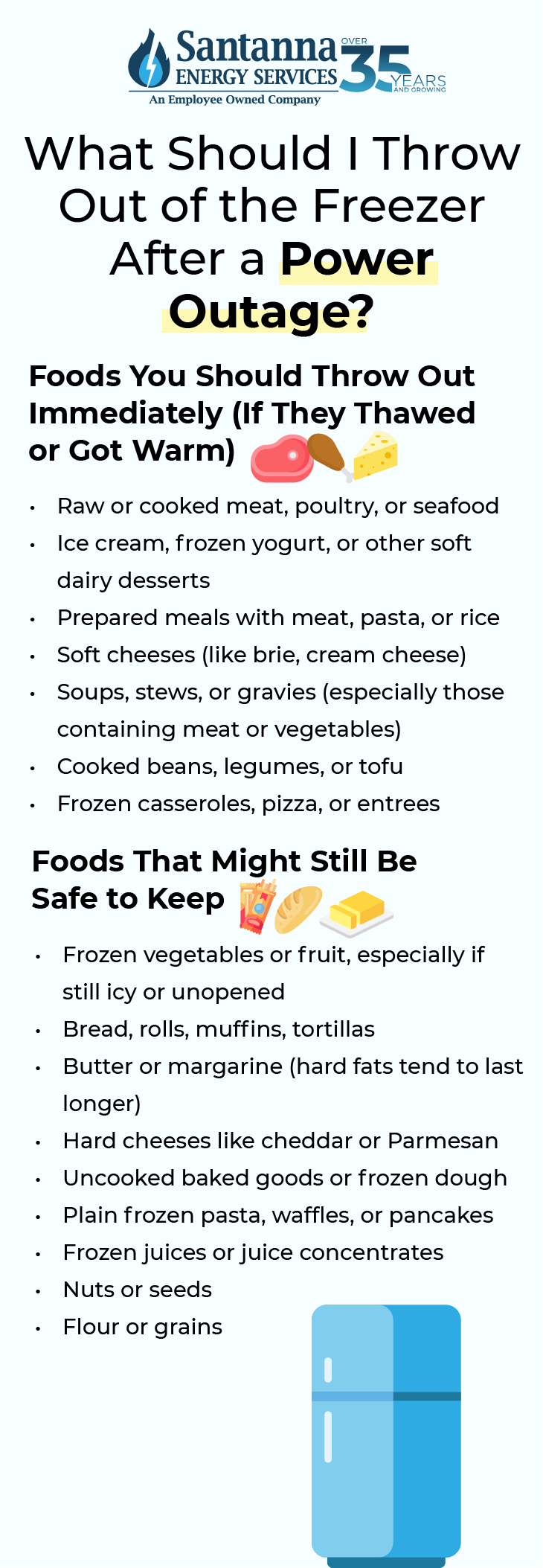
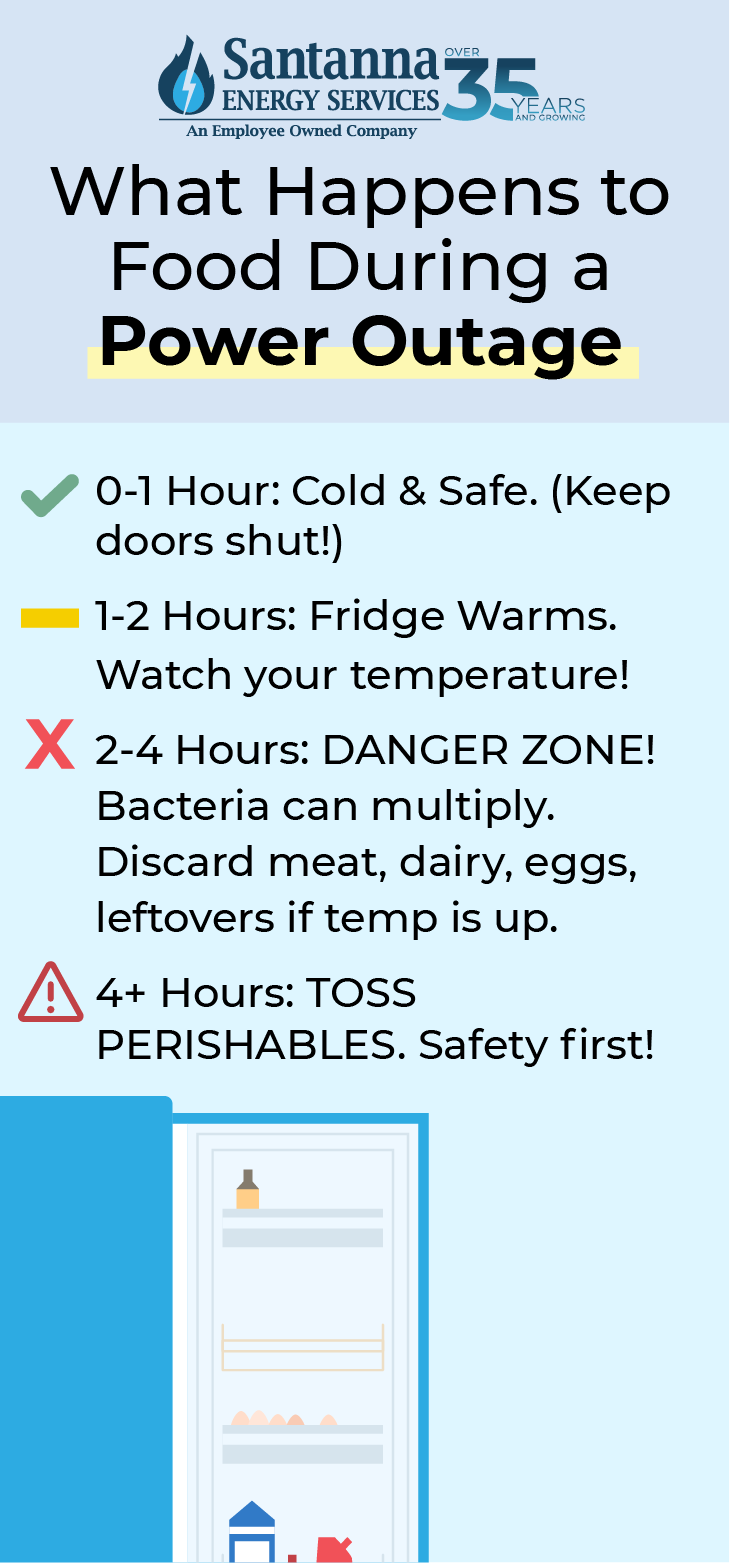
- High-Risk Assets (Toss Immediately): Meat, poultry, seafood, milk, eggs, and soft cheeses that have been above 40°F for more than two hours. From a financial standpoint, these are “toxic assets.” The cost of keeping them is too high.
- Low-Risk Assets (Potential Hold): Hard cheeses, butter, opened fruit juices, and commercially baked goods. These items often have higher preservatives or lower pH levels that make them more resilient.
- The “Halfway” Category: Frozen vegetables and fruits can often be refrozen if they still contain ice crystals. While the “quality” (texture) may depreciate, the “utility” (nutritional value and safety) remains intact, saving you the cost of replacement.
The 40-Degree Rule: A Financial Risk Assessment
In food safety, 40°F (4°C) is the “break-even point.” Below this temperature, your assets are safe. Above it, for more than two hours, they begin to lose value rapidly. Investing in a $10 appliance thermometer is a small capital expenditure that can save you hundreds of dollars by providing the data needed to make an informed decision. If the thermometer reads 39°F when the power returns, your entire inventory is saved. If it reads 45°F, you know exactly which items have entered the “loss” column.
Mitigating Future Losses: Investing in Energy Resilience
A savvy investor doesn’t just react to a market crash; they build a portfolio that can withstand one. Similarly, a financially prudent homeowner should invest in “resilience infrastructure” to prevent future food spoilage losses.
Cost-Benefit Analysis of Backup Power Systems
When considering a backup generator or a portable power station, perform a Cost-Benefit Analysis (CBA).
- Portable Power Stations: A unit capable of running a fridge for 12–24 hours costs roughly $500–$1,000. If you live in an area prone to outages and typically stock $500 worth of food, the unit pays for itself after just two major outages.
- Whole-Home Generators: These are high-CAPEX (Capital Expenditure) items costing $5,000–$15,000. While the “Return on Investment” (ROI) based solely on food spoilage is low, the added value to the home’s resale price and the prevention of other costs (like burst pipes or hotel stays) can justify the expense.
Budgeting for an Emergency Food and Power Fund
Financial advisors recommend an emergency fund covering 3–6 months of expenses. A subset of this should be a “Disaster Restock Fund.” By setting aside a small amount of “Liquidity” (cash), you ensure that a power outage doesn’t force you into high-interest credit card debt just to put food back on the table.
Furthermore, consider the “Just-in-Time” (JIT) vs. “Stockpile” inventory models. While buying in bulk saves money on a per-unit basis, it increases your “Exposure” during a power outage. If you live in a region with an unstable power grid, maintaining a smaller, more frequent inventory may actually be the more cost-effective strategy in the long run.
Conclusion: The Bottom Line on Post-Outage Cleanup
Dealing with a thawed freezer is a lesson in microeconomics. It forces us to confront the reality of sunk costs, the importance of insurance documentation, and the necessity of risk management. While the immediate reaction to a power outage is often frustration, the professional approach is to view it as a logistical and financial challenge to be solved.
By identifying which items are truly lost, documenting those losses for insurance recovery, and investing in preventative technology, you can turn a potential financial disaster into a manageable setback. In the economy of the household, information is your most valuable asset. Know your temperatures, know your policy, and know when to cut your losses to protect your long-term financial health.
aViewFromTheCave is a participant in the Amazon Services LLC Associates Program, an affiliate advertising program designed to provide a means for sites to earn advertising fees by advertising and linking to Amazon.com. Amazon, the Amazon logo, AmazonSupply, and the AmazonSupply logo are trademarks of Amazon.com, Inc. or its affiliates. As an Amazon Associate we earn affiliate commissions from qualifying purchases.